Two specialist orthodontists

Orthodontist in Dubai: Braces, Clear Aligners & Bite Correction

Straighter teeth and a bite that works, planned by DHA-registered specialist orthodontists. The diagnosis comes first; the appliance — fixed braces or clear aligners — is chosen to suit it.

  • Two DHA-registered specialist orthodontists
  • Fixed braces and Invisalign
  • Adults, teens and child assessments
Call +971 4 342 4444

Your first visit is an assessment with a specialist orthodontist: examination, records and an explanation of your options.

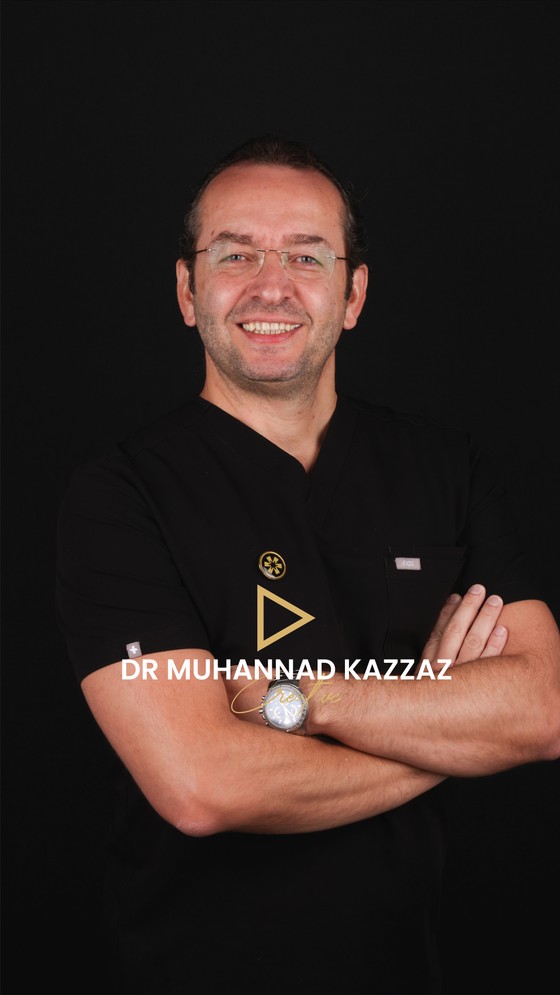
Dr. Muhannad Kazzaz, specialist orthodontist at Creative Arts Dubai
Specialist-ledEvery case is diagnosed and planned by a specialist orthodontist
Quick answer

What does an orthodontist treat?

An orthodontist moves teeth and guides the bite into a planned position. At Creative Arts in Dubai, two specialist orthodontists treat crowded or crooked teeth, gaps, protruding teeth and bite problems such as deep bite, underbite, crossbite and open bite, in adults and teenagers, using fixed braces or Invisalign clear aligners, followed by long-term retention.

2DHA-registered specialist orthodontists
3Dintraoral scanning and digital planning
12–24 motypical comprehensive treatment
Dailyclinic open 10:00–20:00
At a glance

Orthodontics at Creative Arts in brief

Who treats you
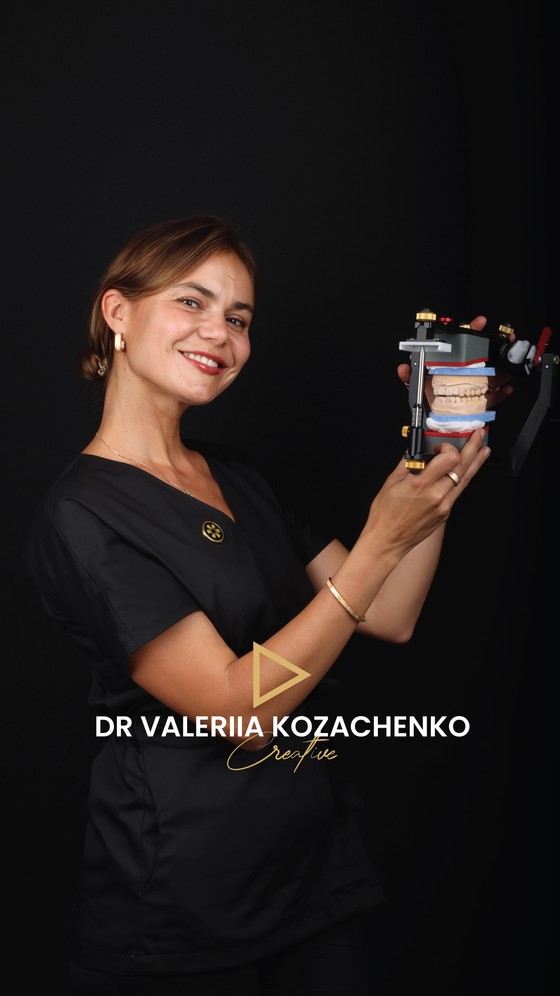
Dr. Muhannad Kazzaz and Dr. Valeriia Kozachenko, specialist orthodontists listed in the DHA register
Appliances
Fixed braces and Invisalign clear aligners, with auxiliaries such as elastics, expanders or temporary anchorage devices when needed
Who it is for
Adults and teenagers; children are assessed to decide whether early treatment would help
Records
Examination, photographs, 3D intraoral scan, panoramic X-ray and, in many cases, a cephalometric X-ray of the jaws
Typical length
Most comprehensive cases take 12–24 months; simple alignment is shorter, jaw-relationship cases longer
After treatment
Retainers — a bonded wire, a removable retainer, or both — for the long term
Age groups

Who is orthodontic treatment for?

Teeth move at any age. What changes with age is the context the plan has to account for.

01

Adults

Bone remodels throughout life, so adults are not too late. Plans account for existing crowns, fillings, gum support and missing teeth, and often prepare for later work — aligning a tooth so a crown needs less cutting, or opening a space before an implant.

02

Teenagers

Most comprehensive treatment starts once the adult teeth are through, often in the early teens. Fixed braces and, for suitable cases, aligners are both options; the specialist explains the trade-offs for your child.

03

Children

An orthodontic check around age seven shows whether a problem such as a crossbite or severe crowding is worth intercepting early. Usually it is not, but where it is, timing matters. See children’s dentistry.

04

Previously treated

Relapse after earlier braces is common, usually because retention stopped. A reassessment looks at what has moved and whether a limited course or a new retainer is enough.

Compare

Fixed braces or clear aligners?

Both can treat a wide range of cases. The right choice depends on the movements your teeth need and how you live.

Fixed bracesInvisalign clear aligners
How they workBrackets and wires bonded to the teethA series of removable trays, changed in sequence
Best atComplex movements: rotations, root movement, closing extraction spacesMany alignment and spacing cases, when worn as prescribed
Daily commitmentNothing to remember; careful cleaning around bracketsAbout 20–22 hours a day; removed to eat and clean
VisibilityVisible bracketsNear-invisible
FoodAvoid hard and sticky foodsNo restrictions while trays are out
After treatmentRetainersRetainers

Tooth-coloured (ceramic) and lingual braces are not listed as treatments here; ask at your consultation if you are interested in them. Full comparison: Invisalign vs braces.

Process

How orthodontic treatment works, from consultation to retainer

Diagnosis comes before choosing an appliance; choosing the appliance first is the wrong order.

  1. Consultation

    A specialist orthodontist examines your teeth, bite and jaw, and listens to what you want to change.

    Visit 1
  2. Records

    Photographs, a 3D intraoral scan and X-rays — panoramic, and often cephalometric — to see whether the problem is the teeth, the jaws or both.

    Visit 1–2
  3. Diagnosis and plan

    Options explained, including what each can and cannot achieve, how long it takes and whether extractions or auxiliaries are needed.

    Written plan
  4. Treatment

    Braces fitted or aligners started, with review appointments to adjust and monitor progress and gum health.

    Usually 12–24 months
  5. Retention

    A bonded and/or removable retainer holds the result; retention is long-term, not a short phase.

    Long term
Honest limits

Orthodontics, jaw symptoms and jaw surgery

Orthodontic treatment changes how the teeth meet. It does not reliably cure jaw joint problems, and it should not be presented as a jaw-pain treatment. Where someone has both a bite concern and jaw symptoms, the two goals are defined separately, so progress on each can be judged honestly — see TMJ assessment.

When the problem is mainly the size or position of the jaws rather than the teeth, tooth movement alone may not achieve the goal. In adults, some of those cases are best treated by orthodontics combined with jaw surgery by a maxillofacial surgeon; the specialist will explain if that applies to you and what the alternatives are.

Meet the specialist

Dr. Muhannad Kazzaz on orthodontic treatment

Short clips recorded at Creative Arts in Dubai.

Cost

What decides the cost of orthodontic treatment?

We give a written price after the assessment, because cost follows the diagnosis. These are the factors that move it.

  • ComplexitySimple alignment costs less than correcting a jaw relationship or closing extraction spaces.
  • ApplianceFixed braces and clear aligners are priced differently; see braces cost and Invisalign cost.
  • Length of treatmentLonger treatment means more review appointments.
  • Extractions and auxiliariesElastics, expanders or temporary anchorage devices where the movement needs them.
  • RetentionWhich retainers are included, and the review period after treatment.
Who treats you

Your specialist orthodontists

Orthodontic treatment at Creative Arts is diagnosed, planned and supervised by these two specialists.

Patient questions

Frequently asked questions

Do I need a specialist orthodontist for braces or aligners?

A specialist orthodontist has completed postgraduate training focused on tooth movement and jaw growth. At Creative Arts every orthodontic case is assessed and planned by one of our two DHA-registered specialist orthodontists, Dr. Muhannad Kazzaz and Dr. Valeriia Kozachenko, whether you choose braces or Invisalign.

What happens at the first orthodontic consultation?

The specialist examines your teeth, bite and jaw, discusses what you want to change and takes or plans the records needed: photographs, a 3D scan and X-rays. You leave with an explanation of the options and, once records are complete, a written plan with the duration and cost.

Do you treat teenagers and children?

Yes for teenagers, with braces or, where suitable, aligners. Children are assessed, ideally around age seven, to decide whether a problem such as a crossbite is worth treating early. In most children the answer is to monitor and treat later; the specialist explains why for your child.

How often will I need appointments?

Usually every few weeks while braces are on, for adjustments and checks, and at regular intervals with aligners to review fit and progress. The schedule is set out in your plan. Missing appointments or breakages are among the main reasons treatment takes longer.

Can orthodontics be combined with veneers, implants or crowns?

Often, and it is usually better in that order. Aligning teeth first can mean fewer or thinner veneers, less cutting for crowns, or the right space for an implant. The orthodontist and the restorative dentist agree the goal before treatment starts.

Can I have orthodontic treatment if I have fillings, crowns or gum problems?

Usually, yes. Existing fillings and crowns are planned around, and gum disease must be treated and stable before teeth are moved. Healthy gums throughout treatment matter as much as the appliance, so cleaning appointments are part of the plan.

Do you offer ceramic or lingual braces?

They are not listed as treatments here. Our verified options are fixed braces and Invisalign clear aligners. If you are interested in a less visible fixed brace, ask at your consultation and the specialist will tell you what is available for your case.

Book a consultation

Request a consultation

Tell us what you would like to change. The clinic replies within working hours with an appointment time.

Book Your Consultation

Or call us +971 4 342 4444Or message us on WhatsApp

Talk to a dentist about your case

A consultation ends with a diagnosis and a written, itemised plan — not a sales pitch. Book online, message us on WhatsApp, or call the clinic.

Call +971 4 342 4444
CallWhatsApp