
Toothache in Dubai: Causes and Treatment
The type of pain is a clue. A brief twinge from cold, a throb that keeps you awake and a jolt when you bite usually point to different problems with different fixes.
- Open daily 10:00–20:00
- Microscope for root canal work
- Diagnosis before any treatment
Call or WhatsApp during opening hours and describe your pain; we will advise how soon you should be seen.
What should I do about a toothache?
Book a dental examination, because toothache almost always has a cause that needs treating — sensitivity, decay, an inflamed nerve, a crack, an infection or gum disease. Meanwhile, over-the-counter pain relief taken as directed on the pack can help. Creative Arts in Dubai is open daily 10:00–20:00. Facial swelling with difficulty breathing or swallowing needs a hospital emergency department immediately.
What is my tooth pain telling me?
These patterns are a guide, not a diagnosis. Several causes can overlap, and an examination with X-rays is needed to be sure.
| Type of pain | Common cause | What usually happens next |
|---|---|---|
| Sharp, brief twinge with cold or sweet, gone in seconds | Sensitive dentine — worn enamel, receding gums or a small cavity | Desensitising toothpaste or varnish, or a small filling if there is decay |
| Pain that lingers after cold or heat, or comes on by itself | Inflamed nerve (pulpitis), usually from deep decay or a crack | Often a root canal; a very early case may settle after a filling |
| Throbbing that keeps you awake, worse lying down | Irreversible pulpitis or the start of an infection | Root canal treatment or extraction; see a dentist promptly |
| Sharp pain when biting or releasing | Cracked tooth, a high filling, or infection at the root tip | Adjusting the bite, a crown to hold a crack together, or root canal |
| Sore, swollen or bleeding gum around a tooth | Gum infection, trapped food or a periodontal abscess | Cleaning and gum treatment; drainage if there is an abscess |
| Ache behind the last molar, sometimes with a bad taste | Inflamed gum over a partly erupted wisdom tooth | Cleaning and irrigation; removal if it keeps recurring |
| Dull ache across several upper back teeth, worse bending forward | Sinus congestion referring pain to the teeth | Often settles with the sinus problem; a check rules out a dental cause |
If you have a swollen face or a gum boil, read about tooth abscess.
When is a toothache an emergency?
Most toothache needs a dentist within days, not minutes. A few signs change that.
Book the next available appointment
- Brief sensitivity to cold that goes quickly
- A mild ache that comes and goes
- A lost filling with no pain
- Discomfort behind a wisdom tooth without swelling
Contact us the same day, or go to hospital
- Severe or throbbing pain that painkillers do not control — see our emergency dental care
- Swelling of the gum, face or jaw, or a bad taste with pain
- A tooth broken or knocked out by an injury
- Go to a hospital emergency department immediately if there is facial swelling with difficulty breathing or swallowing, swelling spreading towards the eye or neck, or fever with spreading swelling
Managing tooth pain safely until you are seen
Take an over-the-counter painkiller you know is safe for you, exactly as directed on the pack — ask a pharmacist if you are pregnant, take other medicines or have asthma, stomach, kidney or liver problems. Never hold aspirin against the gum; it burns the tissue. A cold compress on the cheek, rinsing with warm water and avoiding very hot, cold or sweet food can help. Do not take leftover antibiotics: they do not treat most toothache, and pain relief does not mean the problem has gone.
How is toothache treated?
Treatment depends entirely on the cause. The options below are listed from the simplest to the most involved.
| Option | When it fits | Trade-off |
|---|---|---|
| Desensitising treatment | Sensitivity from exposed dentine with no decay: fluoride varnish, desensitising toothpaste, sealing exposed root surfaces. | Takes days to weeks to work fully, and the cause (hard brushing, grinding, acid) must also be addressed. |
| Filling | Decay or a crack that has not reached the nerve. See dental fillings. | Quick and conservative; a deep filling can leave the tooth sensitive for a while, and occasionally the nerve still needs treatment later. |
| Gum treatment | Pain from gum inflammation, a periodontal pocket or food trapping. See gum treatment. | Needs good home care afterwards and regular maintenance to stay settled. |
| Root canal treatment | An inflamed or infected nerve. Root canal treatment removes it and seals the canals, usually in one or two visits. | Saves the tooth, but a back tooth usually needs a crown afterwards to protect it from fracture. |
| Extraction | A tooth that cannot be restored, or a wisdom tooth that keeps flaring up. See tooth extraction. | Ends the pain quickly, but the gap may later need an implant, bridge or denture to prevent drifting. |
Wondering whether to save or remove a painful tooth? Read root canal vs implant.
What happens when you come in with toothache?
The first job is finding which tooth hurts and why — pain can be felt in a different tooth from the one causing it.
Your description
When it hurts, what triggers it and how long it lasts narrows down the cause.
First minutesTests and X-rays
Cold and bite tests, tapping, gum checks and X-rays identify the tooth and the problem.
Same visitPain relief first
Where needed, the source is dealt with under local anaesthetic — for example, removing an inflamed nerve or draining an abscess.
Same visit if possibleWritten plan
Definitive treatment, such as completing a root canal and a crown, is set out in writing with alternatives and costs.
Follow-up
Dentists who treat toothache here
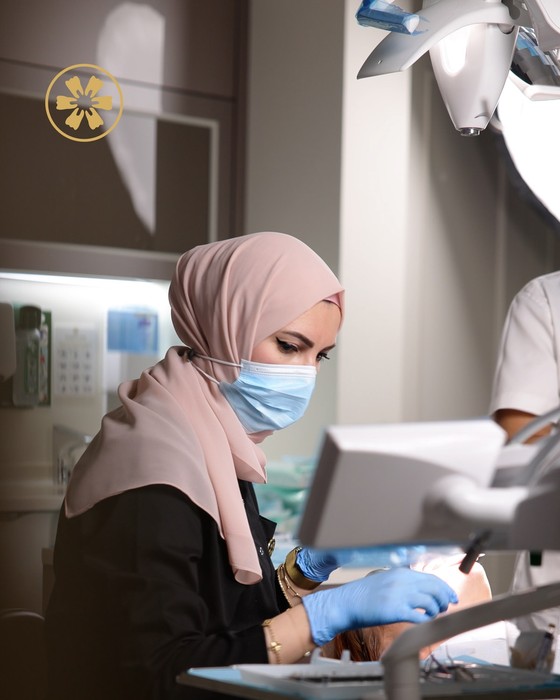
Two dentists who work under the dental microscope for root canal treatment, and a general dentist for fillings, sensitivity and gum problems.


Frequently asked questions
Can a toothache go away on its own?
Sensitivity sometimes settles, but pain from decay or an inflamed nerve rarely resolves permanently. Pain that stops suddenly can mean the nerve has died, and infection may still develop at the root. It is worth having any toothache examined, even if it fades.
Which painkiller can I take for toothache?
Over-the-counter painkillers such as paracetamol or ibuprofen are commonly used, taken exactly as directed on the pack. Ibuprofen is not suitable for everyone, so check with a pharmacist if you are pregnant, have asthma, stomach, kidney or liver problems, or take other medicines. Never place aspirin on the gum.
Why does my tooth hurt more at night?
Lying down increases blood pressure in the head, which raises pressure inside an inflamed tooth, and there are fewer distractions. Throbbing night pain often indicates an inflamed nerve and should be examined soon.
Will I need a root canal?
Only if the nerve is irreversibly inflamed or infected. Brief sensitivity usually needs a filling or desensitising treatment instead. Pain that lingers, keeps you awake or comes with swelling makes root canal treatment more likely. The examination and X-rays decide.
Do antibiotics cure toothache?
Usually not. Most toothache comes from inflammation inside the tooth, which antibiotics do not reach. They are used for spreading infection alongside treatment of the tooth itself — not as a replacement for it.
Is there a 24-hour dentist at Creative Arts?
No. The clinic is open every day from 10:00 to 20:00. Outside those hours, or if you have facial swelling with difficulty breathing or swallowing, go to a hospital emergency department.
Related treatments
Request a consultation
Tell us what you would like to change. The clinic replies within working hours with an appointment time.
- Address614 Jumeira St, Jumeirah 3, Umm Suqeim 1, Dubai
- Opening hoursClinic open daily, 10:00–20:00
- Phone+971 4 342 4444 · WhatsApp +971 56 677 7537
Book Your Consultation
Or call us +971 4 342 4444Or message us on WhatsApp
Talk to a dentist about your case
A consultation ends with a diagnosis and a written, itemised plan — not a sales pitch. Book online, message us on WhatsApp, or call the clinic.