CAD/CAM digital design & milling
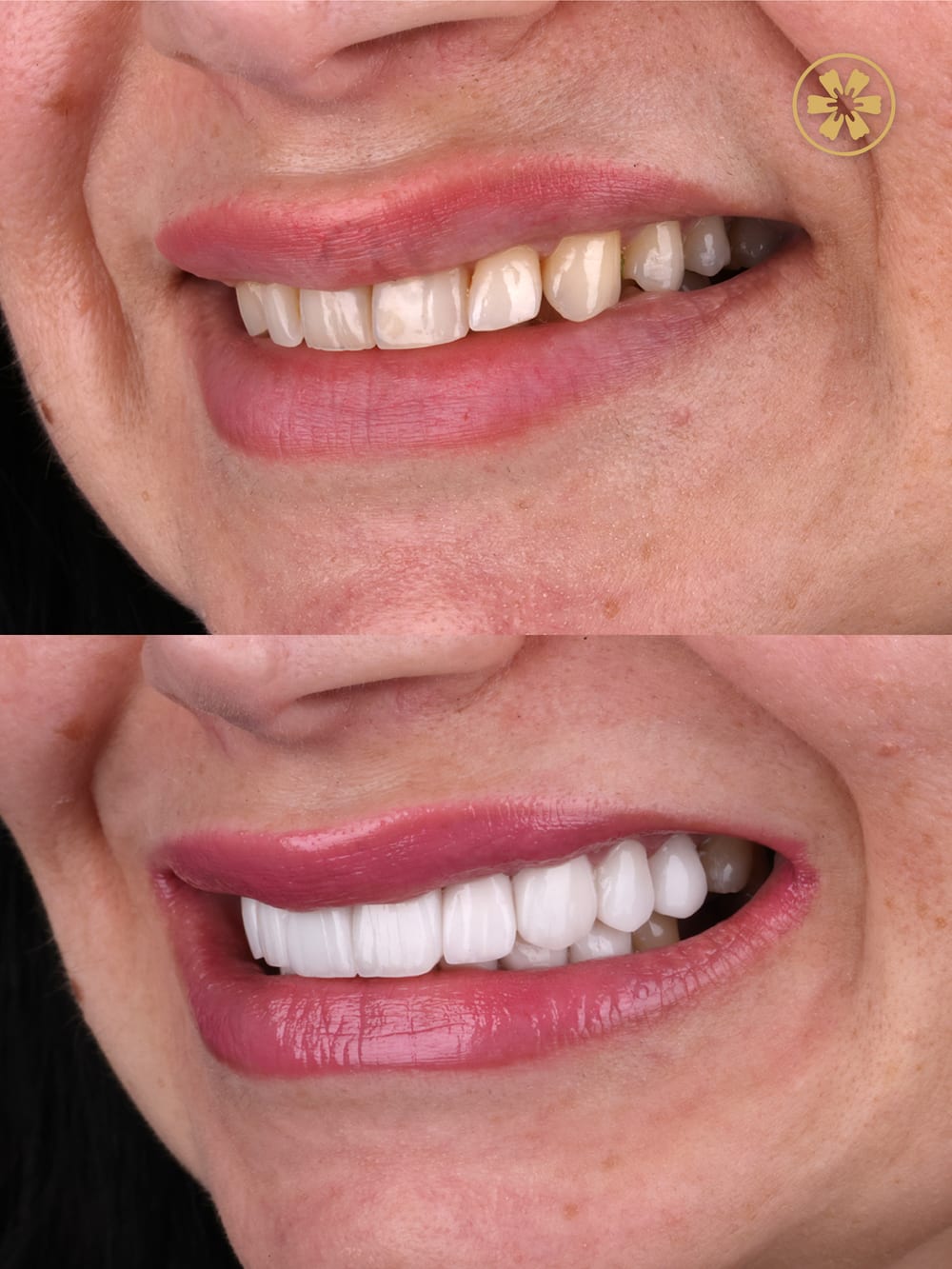
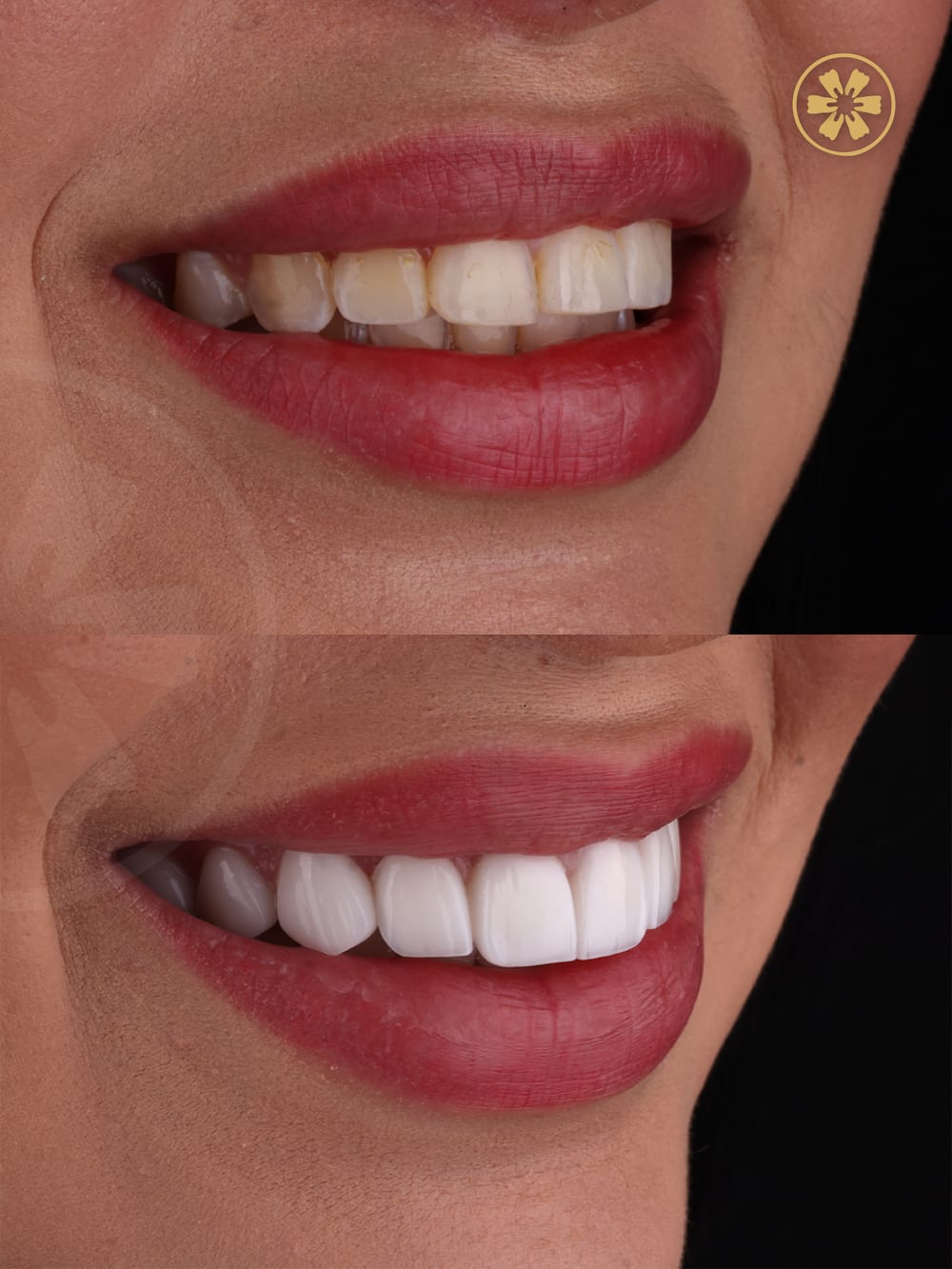
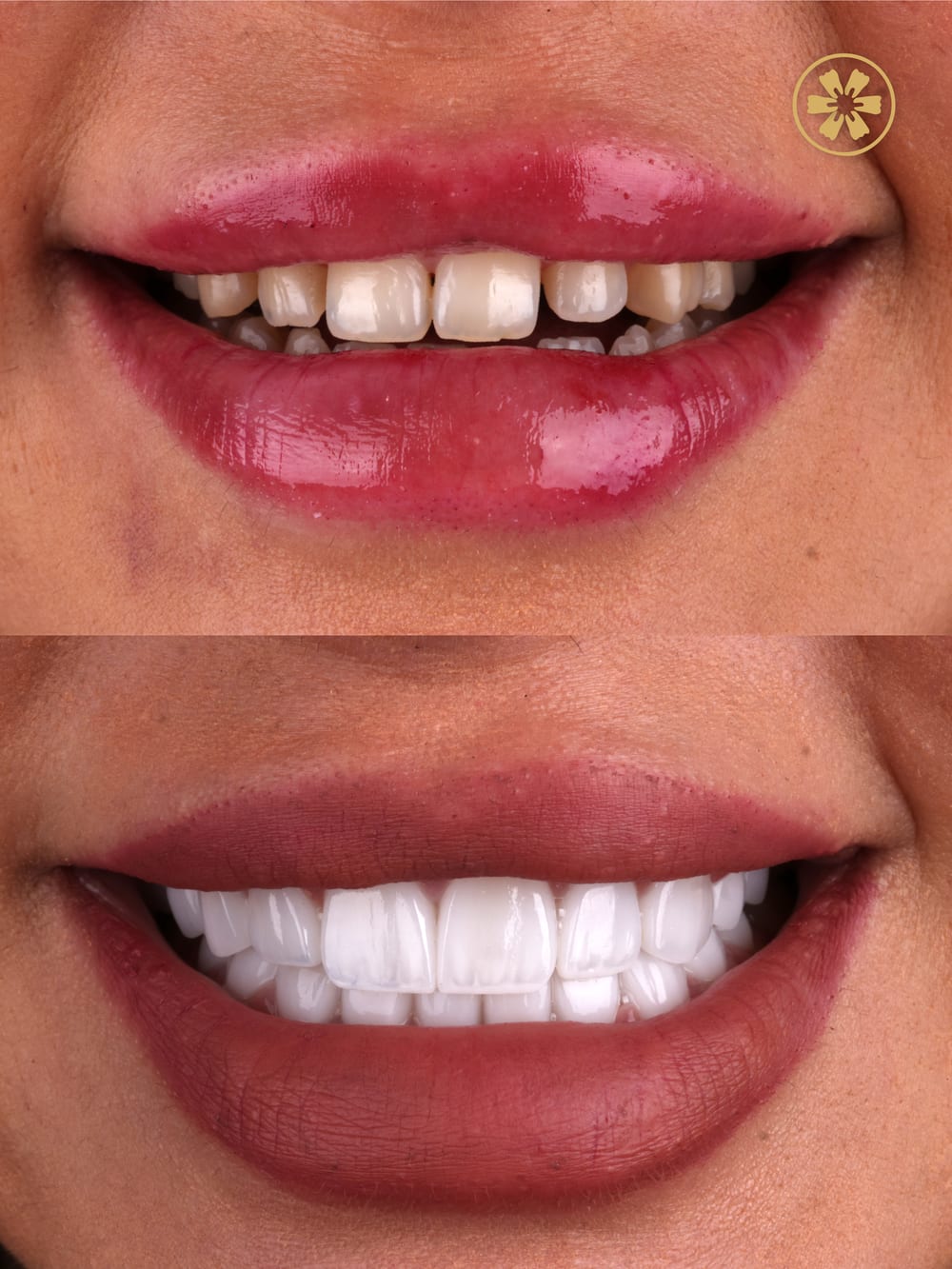
Veneers and crowns are designed digitally and milled from ceramic blocks in our own lab, so marginal fit is verified before anything is made.
All-on-4 combines efficiency and biomechanical stability to restore full arches with fewer implants.

Every case passes through the same governed stages, from diagnosis to review, whatever the treatment.
A clinical examination with digital imaging and radiographs where indicated, to establish what you actually need before anything is proposed.
You receive a written plan covering the steps, the timeline, the cost and the alternatives, before any commitment.
We simulate the outcome digitally and review it with you, so you know where the treatment is heading before it starts.
Carried out by the appropriate dentist to the agreed protocol, with comfort and pain control managed throughout.
A review appointment assesses the result, the bite and gum health, with written home-care guidance.
Footage from real cases filmed at Creative Arts in Dubai — no stock clips, no reconstructions.
Equipment is not the point. Each of these exists because it measurably changes precision, comfort or treatment time.
Veneers and crowns are designed digitally and milled from ceramic blocks in our own lab, so marginal fit is verified before anything is made.
An optical scanner replaces traditional impression material — no gagging, no distortion, and any incomplete area is re-scanned in seconds.
You see and approve your proposed smile before a single tooth is prepared, then wear a physical mock-up to judge it in your own face.
Laser gum contouring and soft-tissue treatment reduce bleeding, healing time and the need for sutures compared with conventional surgery.
Before any implant we assess bone height, density, nerve position and sinus floor precisely — nothing is estimated.
A modern hygiene protocol that discloses biofilm first, then removes it with air, water and fine powder — safe on implants and ceramics.
All-on-4 is a technique for replacing a full arch of teeth with a fixed bridge supported by four implants. Two are placed vertically at the front, and two are angled at the back — the angulation is the point of the technique, because it lets the implants engage available bone and avoid the sinus in the upper jaw and the nerve in the lower.
The result is a fixed bridge you do not remove. It is not a denture that clips in, and it is not four separate crowns.
It is considered for people who have lost most or all of the teeth in an arch, or whose remaining teeth are failing and not worth keeping — advanced gum disease, extensive decay or repeated fractures.
It is also considered by people already wearing a full denture who want something fixed. That is a reasonable motivation, but it should follow an assessment rather than precede it: whether the technique is appropriate depends on bone volume and quality, general health, healing capacity and bite forces.
It is not automatically the right answer for a full arch. More implants, a removable implant-retained overdenture, or keeping and treating some natural teeth may be better for a given case. Any of those deserves a straight comparison.
A CBCT scan is required, not optional. It shows bone height, width and density, and the position of the inferior alveolar nerve and the sinus floor. Angled implants are planned against that anatomy — angulation chosen from a two-dimensional radiograph is guesswork.
Planning is also restoration-driven: the implant positions follow where the finished bridge needs to be, including where the lip sits when you smile and how the bridge will be cleaned underneath.
Remaining teeth in the arch are removed, the sites are prepared, and the four implants are placed to a specified insertion torque. Adequate primary stability is what makes immediate loading possible; where that stability is not achieved, the honest course is to wait rather than load anyway.
A provisional fixed bridge is normally fitted the same day or within a day or two, which is where the phrase “teeth in a day” comes from. The provisional is exactly that — provisional. It is lighter, it is designed to be adjusted, and it carries you through healing.
Osseointegration — bone bonding to the implant surface — takes three to six months and cannot be accelerated. During that period the provisional bridge is worn and a soft diet is required at first, progressing as healing allows.
The definitive bridge is made afterwards, once the tissues have settled and the provisional has confirmed the shape, length and bite. Because our laboratory is on site, the fit and shade of that final bridge are verified with the technician present.
Depending on the case: individual implants and conventional bridgework where enough teeth can be saved; an implant-retained overdenture, which is removable but usually needs fewer implants and is easier to clean; or a conventional complete denture, which remains a legitimate option and the least invasive one. Single and multiple implants are covered separately.
Whether one arch or both are being treated, the number of implants actually used, whether extractions or grafting are required, the material of the definitive bridge — acrylic, composite, zirconia — and the number of provisional stages. A written proposal should separate the surgical phase, the provisional and the definitive bridge, and state what the price includes.
Cleaning under the bridge daily with an irrigator or superfloss is what protects the implants. Professional maintenance appointments use instruments that do not scratch the implant surface, and the bridge is periodically removed for thorough cleaning and inspection of the components. That review schedule is part of the treatment, not an optional extra.

Photographed on working models in our laboratory. Materials and design differ from case to case and are decided with the treating dentist.
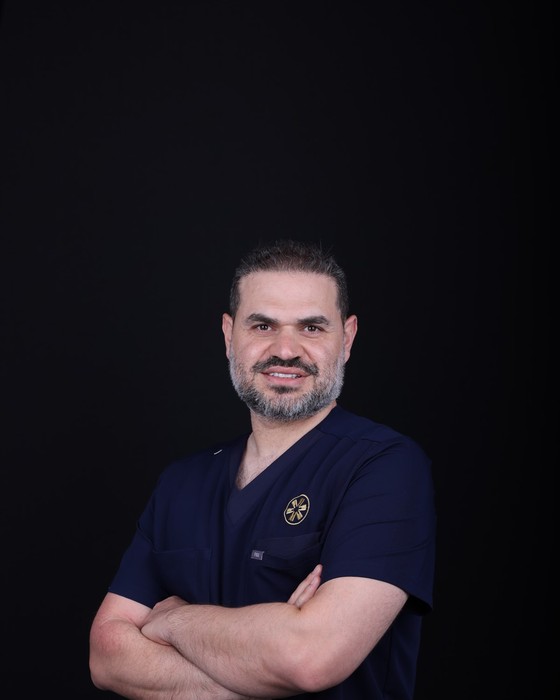
Co-founder & Dentist
Cosmetic Dentistry, Veneers & Dental Implants
Dentist
Cosmetic & Implant Dentistry | Full Mouth Rehabilitation
Tell us what you would like to change. The clinic replies within working hours with an appointment time.
Or call us +971 4 342 4444Or message us on WhatsApp
Your dentist places the implant; the crown, bridge or full-arch prosthesis on top is designed and made at Creative Art Dental Lab, part of Creative Art Group. The group’s CEO, Basem Tobaji, is a dental technician whose work includes implant restorations; he does not place implants.
All-on-4 is one way to replace a whole arch. Depending on bone and bite, a fixed bridge may need more than four implants, some natural teeth may be worth keeping, or a removable option may suit you better. Our full mouth dental implants page sets the options side by side, and implants vs dentures compares fixed and removable teeth.
Four per arch is the minimum the technique is built on: two upright at the front and two angled at the back. Some jaws need five or six for strength or bone reasons. The number comes from your 3D scan and bite, not from the name of a package.
Often, yes. Long-term denture wear can shrink the jawbone, which the 3D scan measures. Angled implants are designed to use the bone that remains; where it is too thin, grafting or a different plan may be needed. See implants vs dentures.
No. It is a fixed bridge screwed onto the implants, so it stays in when you eat, sleep and clean. Your dentist can unscrew it at reviews for professional cleaning or repair, which is why screw-retained designs are preferred.
Brush it like natural teeth twice a day and clean underneath, where it meets the gum, with a water flosser or small interdental brushes. Professional cleaning and reviews check the gum around each implant, because inflammation there is the main long-term risk.
Early failure is uncommon when planning is careful, but it can happen. The dentist assesses whether the bridge can stay on the remaining implants for a while, and plans a replacement implant once the site has healed. See implant repair.
The final bridge is designed around your face, lip line and bite, and made at Creative Art Dental Lab in our building, with pink ceramic where gum has been lost. The provisional bridge is simpler; the definitive bridge is where shape and shade are refined.
A consultation establishes what you actually need, what the options are and what each one involves — before anything is agreed. Nothing is booked for treatment until you have a written plan.