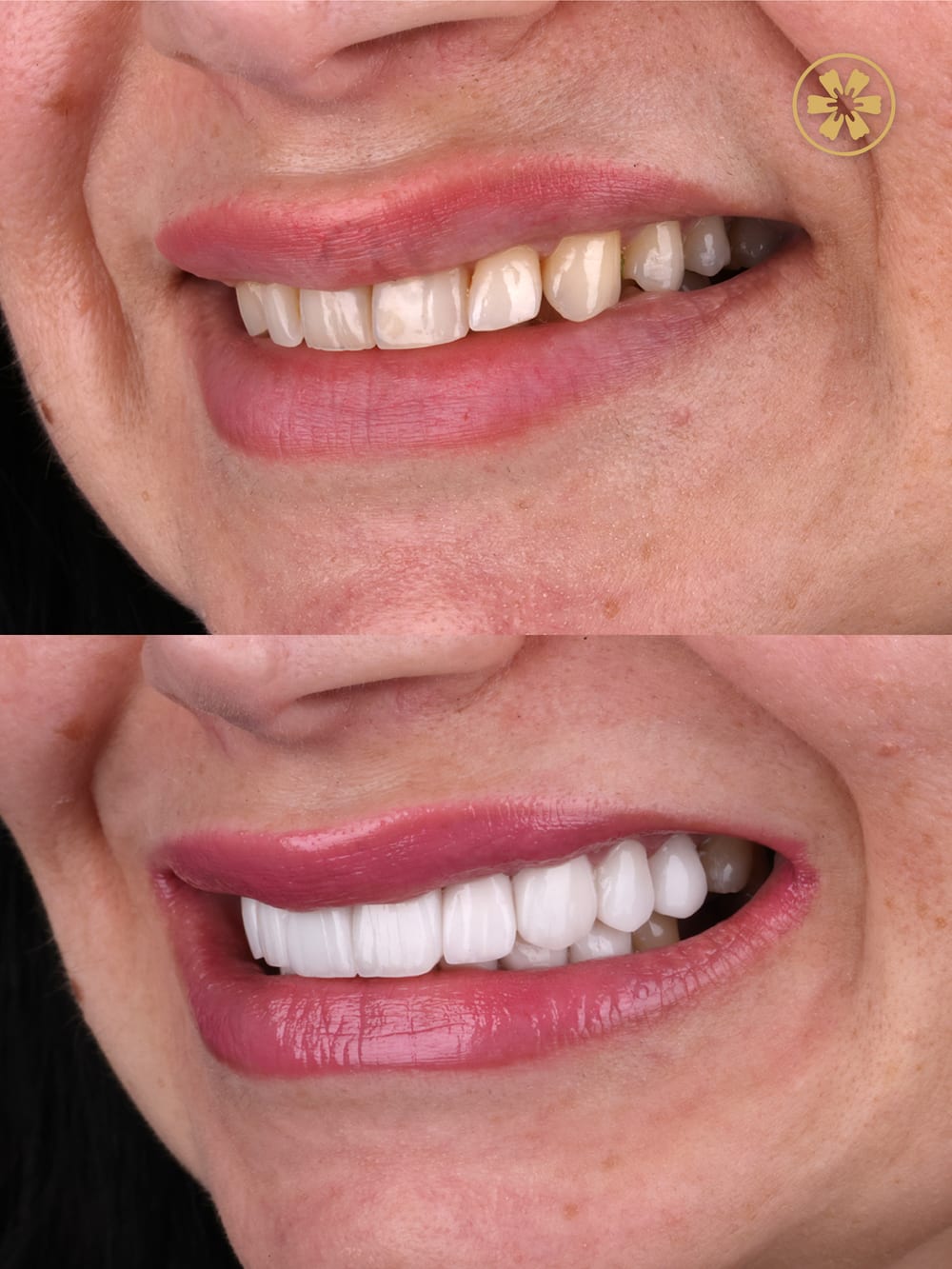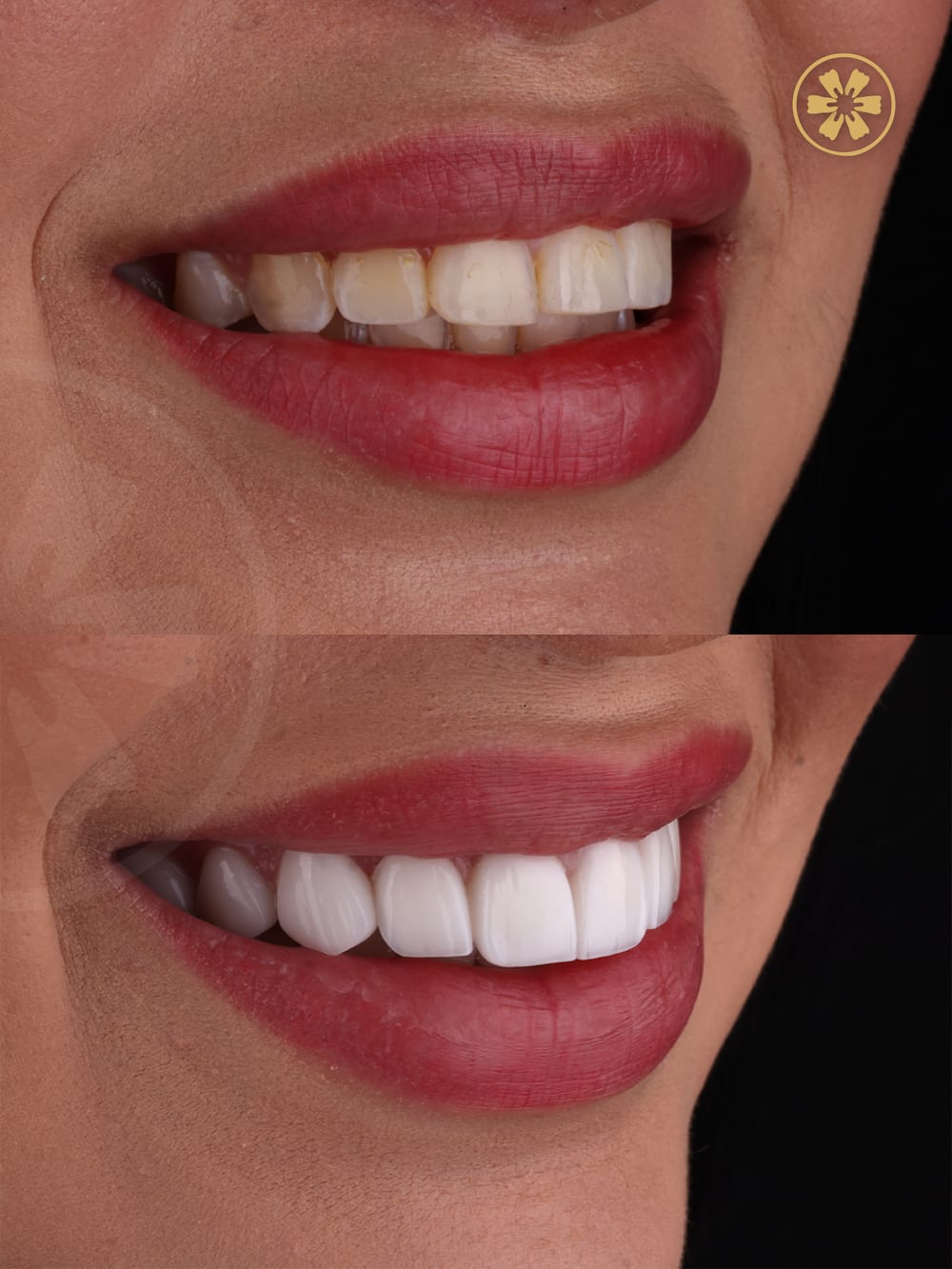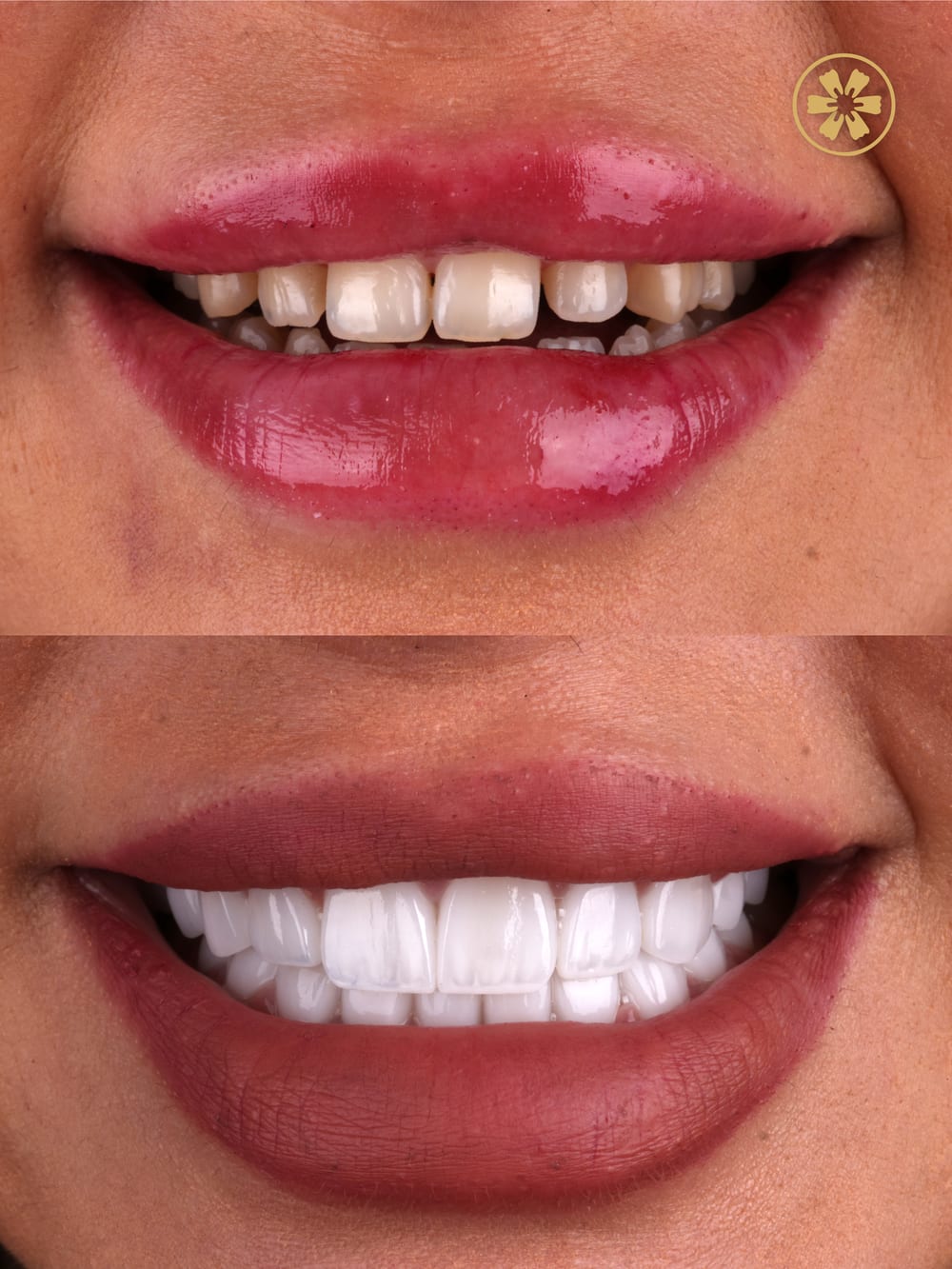
CAD/CAM digital design & milling
Veneers and crowns are designed digitally and milled from ceramic blocks in our own lab, so marginal fit is verified before anything is made.
Our whitening protocols protect enamel while delivering measurable shade improvement under doctor supervision.
Every case passes through the same governed stages, from diagnosis to review, whatever the treatment.
A clinical examination with digital imaging and radiographs where indicated, to establish what you actually need before anything is proposed.
You receive a written plan covering the steps, the timeline, the cost and the alternatives, before any commitment.
We simulate the outcome digitally and review it with you, so you know where the treatment is heading before it starts.
Carried out by the appropriate dentist to the agreed protocol, with comfort and pain control managed throughout.
A review appointment assesses the result, the bite and gum health, with written home-care guidance.
Footage from real cases filmed at Creative Arts in Dubai — no stock clips, no reconstructions.
Every case digitally designed, made in our in-house laboratory, and fitted by our own clinicians.
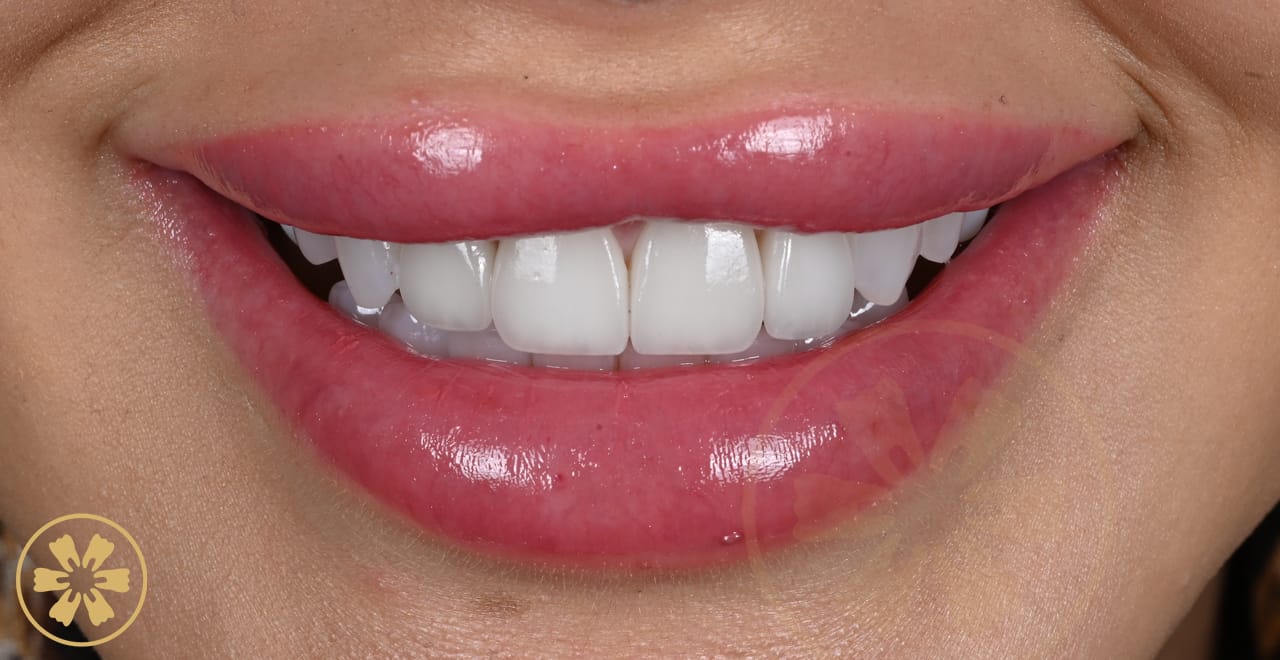
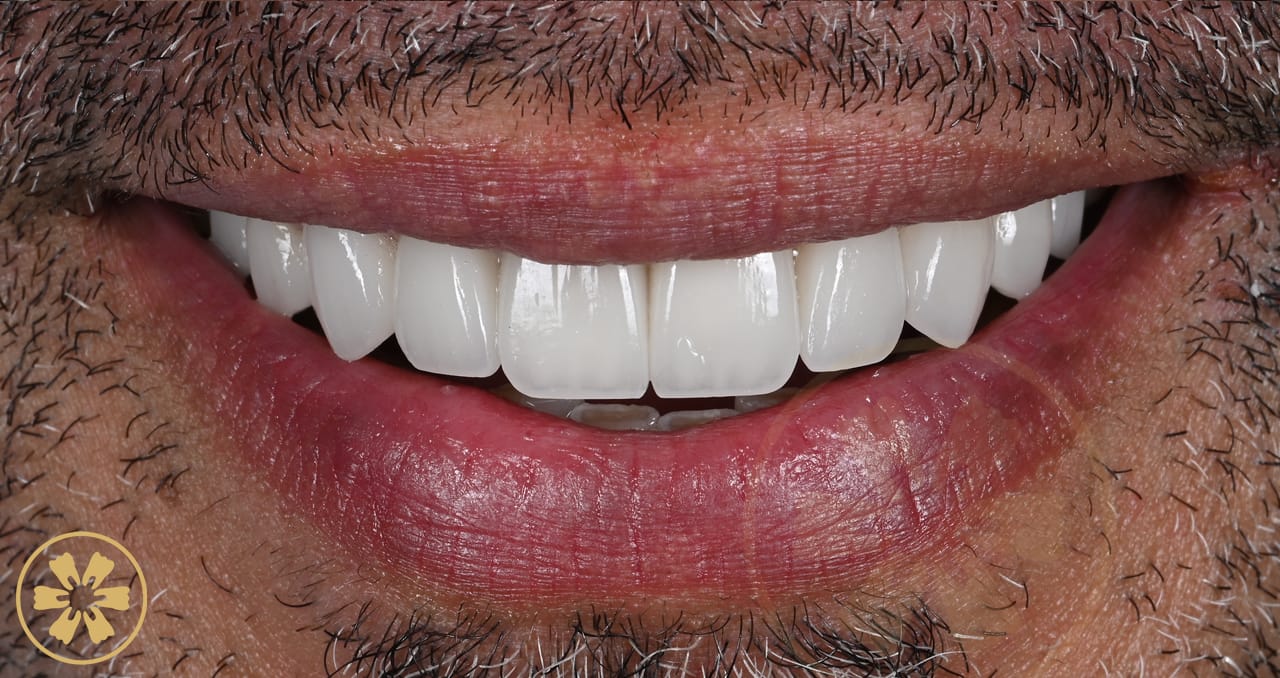
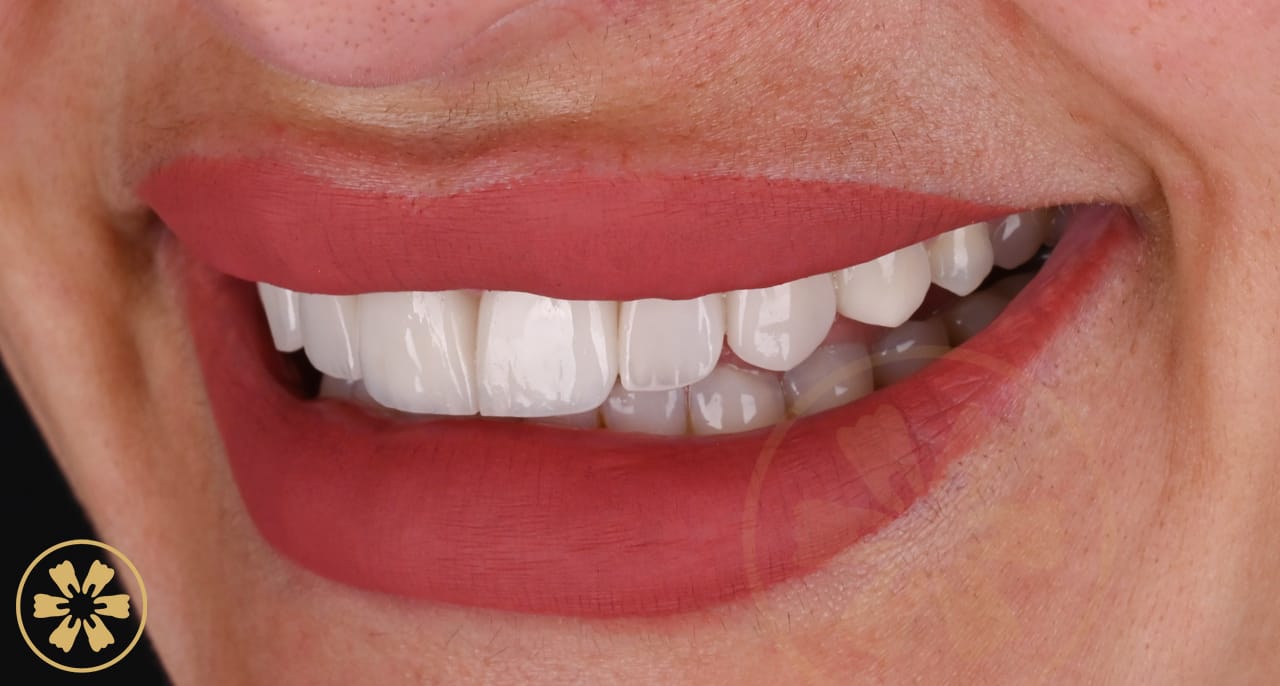
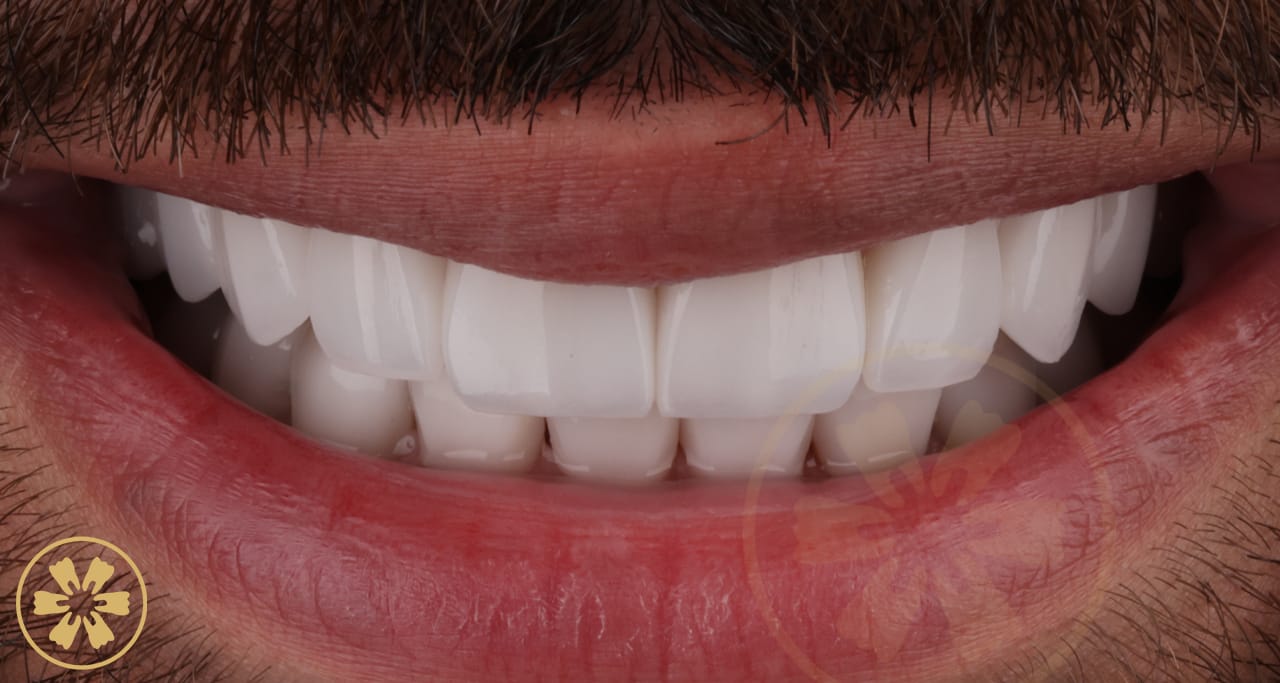
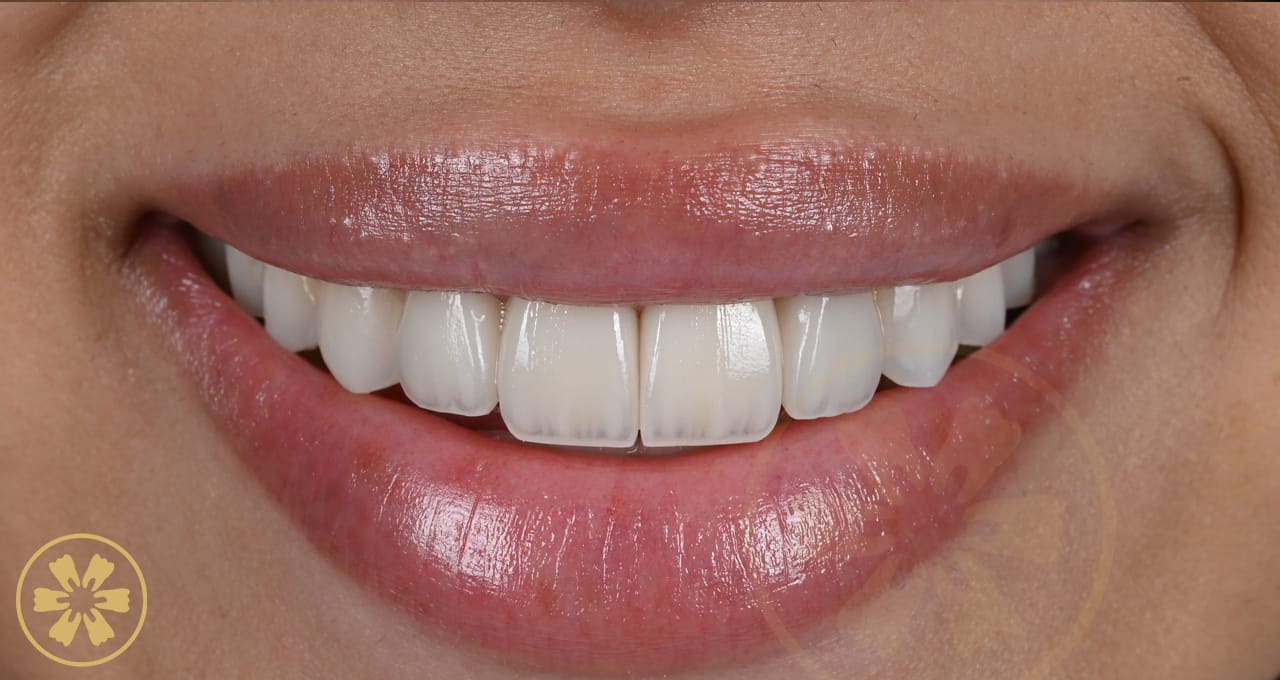
Equipment is not the point. Each of these exists because it measurably changes precision, comfort or treatment time.
Veneers and crowns are designed digitally and milled from ceramic blocks in our own lab, so marginal fit is verified before anything is made.
An optical scanner replaces traditional impression material — no gagging, no distortion, and any incomplete area is re-scanned in seconds.
You see and approve your proposed smile before a single tooth is prepared, then wear a physical mock-up to judge it in your own face.
Laser gum contouring and soft-tissue treatment reduce bleeding, healing time and the need for sutures compared with conventional surgery.
Before any implant we assess bone height, density, nerve position and sinus floor precisely — nothing is estimated.
A modern hygiene protocol that discloses biofilm first, then removes it with air, water and fine powder — safe on implants and ceramics.
Professional whitening uses hydrogen peroxide or carbamide peroxide, which breaks down and releases oxygen that passes into the enamel and dentine and breaks apart the pigment molecules causing the discolouration.
It changes the colour of natural tooth structure. It does not remove anything from the tooth and it does not thin the enamel when used at appropriate concentrations under supervision.
Whitening responds well to staining from age, coffee, tea, red wine, tobacco and general dietary pigment — the discolouration most people are actually describing.
It responds less predictably, or not at all, to:
This is the single most important thing to understand before starting. Whitening has no effect on ceramic, composite or any other restorative material. If you have crowns, veneers or visible white fillings on your front teeth, whitening the natural teeth around them will change how well they match.
Where restorations are present, the sequence matters: whiten first, allow the shade to stabilise for about two weeks, then replace the restorations to match the new shade. Doing it the other way round means paying for restorations twice.
Both work. They differ in concentration, supervision and time.
In-practice whitening uses a higher concentration applied in a controlled appointment with the gums isolated. It produces a visible change quickly, which suits a deadline, and sensitivity tends to be more concentrated in the first day or two.
Take-home whitening uses custom trays made from scans of your teeth and a lower concentration worn over a period of days or weeks. It is more gradual, generally more comfortable, easier to top up later, and tends to be the option we recommend where there is no time pressure.
The two are often combined: an in-practice session to establish the change, then trays to refine and maintain it.
Temporary sensitivity is the most common side effect and is expected rather than a sign that something has gone wrong. It usually presents as short, sharp sensations to cold and settles within one to three days of finishing.
It is managed by using a desensitising toothpaste for a week or two beforehand, spacing sessions further apart, reducing the wear time rather than abandoning the treatment, and avoiding very cold food and drink during the course. Pre-existing sensitivity, exposed root surfaces, cracks or untreated decay should be assessed and dealt with first — whitening over untreated decay is not appropriate.
An assessment first establishes the cause of the discolouration, which determines whether whitening is the right treatment at all. It also confirms that the gums and teeth are healthy enough, and produces trays that fit, so the gel stays on the teeth rather than on the gum tissue.
Whitening is a dental procedure. Over-the-counter kits with ill-fitting trays and shop-bought “whitening” treatments from non-dental providers are where gum burns and uneven results come from.
Typically one to three years, depending on diet and habits. Smoking, coffee, tea and red wine shorten it. It is not permanent, and it is not meant to be — which is why custom trays are useful: a single night of top-up gel once or twice a year maintains the result far more cheaply than repeating the full course.
Where the discolouration will not respond, or where shape and alignment are also part of the concern, the conversation moves to porcelain veneers or composite bonding. Where the teeth are simply covered in surface staining and plaque, a professional clean sometimes achieves more than patients expect, and costs considerably less.
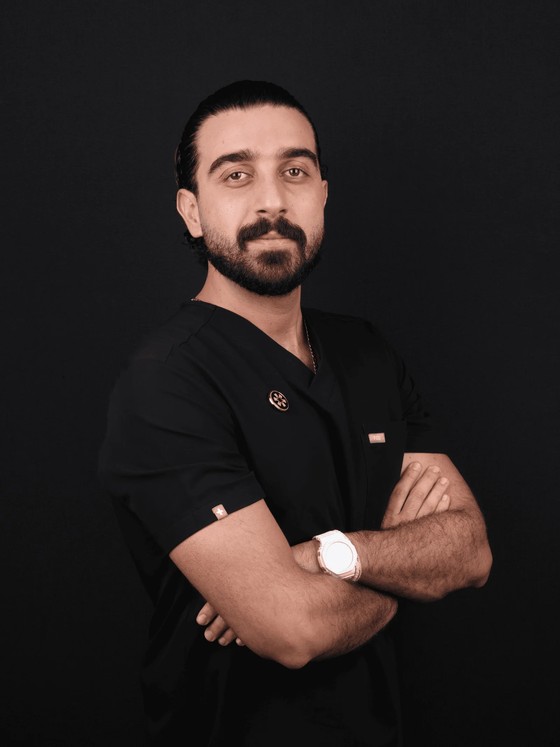
General Dentist
Veneers & Smile Makeovers
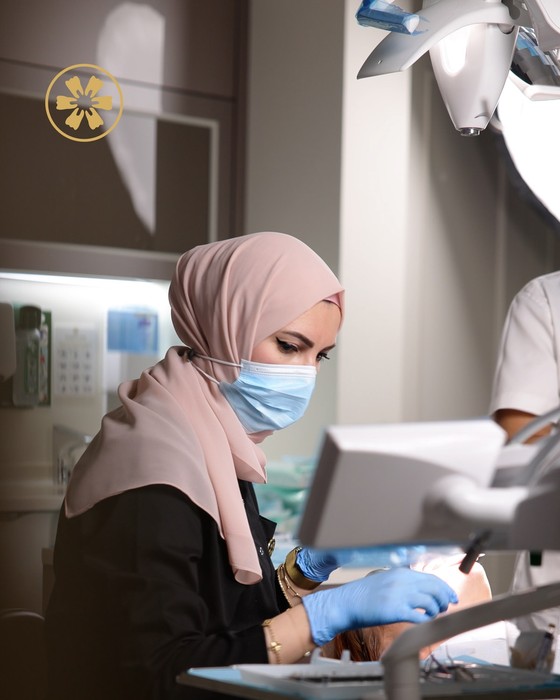
General Dentist
General & Conservative Cosmetic Dental Care
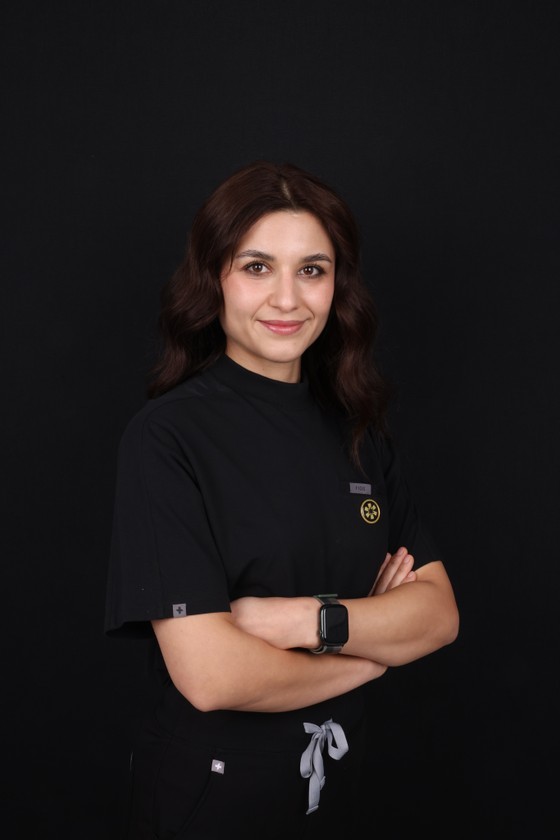
Dentist
Laser & Cosmetic Dentistry
Tell us what you would like to change. The clinic replies within working hours with an appointment time.
Or call us +971 4 342 4444Or message us on WhatsApp
Our doctors perform a full diagnosis with digital imaging before recommending a personalized treatment plan and timeline.
Yes. Every page includes a direct WhatsApp route for fast consultation and booking support.
We provide clear consultation-based pricing and explain all treatment phases before you commit.
A consultation establishes what you actually need, what the options are and what each one involves — before anything is agreed. Nothing is booked for treatment until you have a written plan.