
Children's teeth: the questions parents ask before the first dental visit
This page answers what parents in Dubai type before booking a dentist for their child, from the first tooth to the first orthodontic check. The answers come from the Creative Arts dental team in Jumeirah, Dubai, who see babies, children and teenagers.
- 34 questions answered
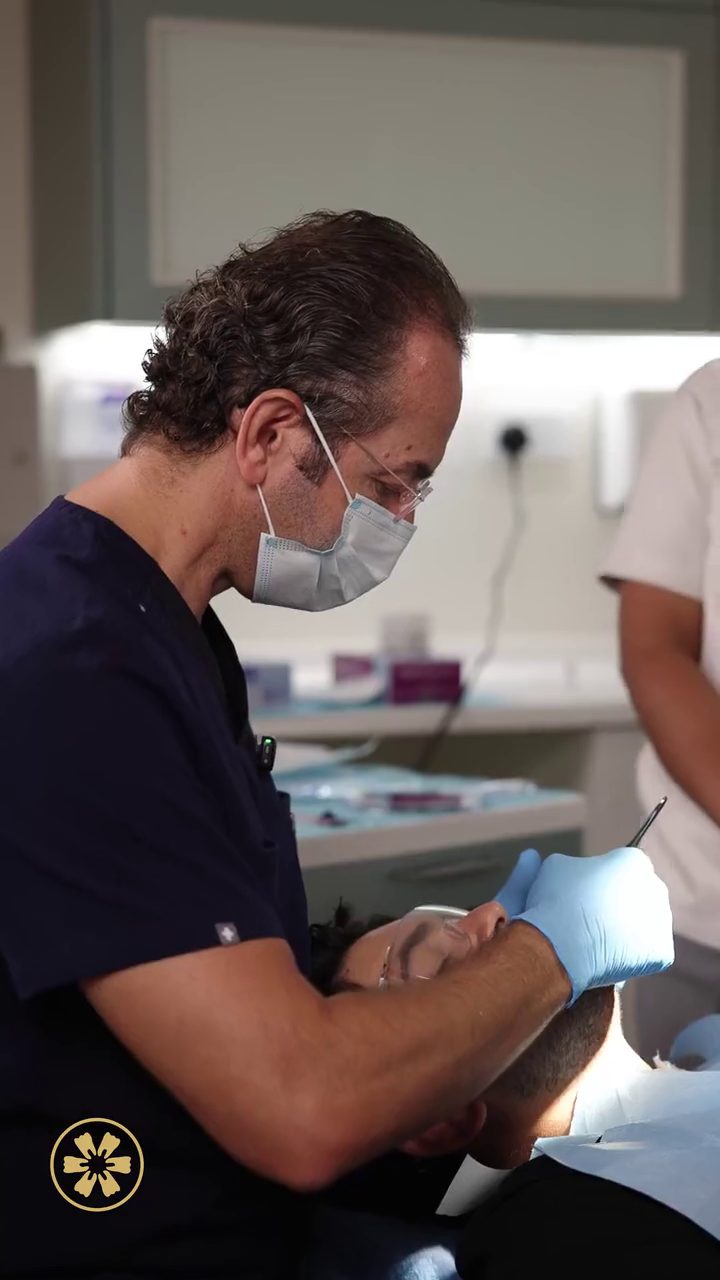
Smiles made at Creative Arts
Designed in the clinic and made by hand in Creative Art Dental Lab, in the same building in Jumeirah, Dubai.


When should my child see a dentist, and what happens?
My baby just got the first tooth. Is it time to book a dentist?
Yes, the first tooth is a good moment to book, and a first visit by the first birthday is the usual advice. At that age the visit is short: the dentist looks at the teeth and gums, checks for early signs of decay and shows you how to brush and what to avoid at night. No treatment is expected. Read the full page
What happens at a toddler's first dental check?
A toddler's first check is mostly about getting familiar. The child often sits on a parent's lap while the dentist counts the teeth, looks for white or brown spots, checks the bite and the gums, and talks with you about brushing, toothpaste, bottles and snacks. Many first visits last only a few minutes in the chair. Read the full page
How can I prepare my child the evening before a dental visit?
Keep it simple and positive: say the dentist will count and look after their teeth, and avoid words like 'hurt', 'needle' or 'drill'. Reading a picture book about the dentist or playing at counting teeth helps. Try to book a time when your child is usually rested, and bring a favourite toy.
How often should a child have a dental check-up?
Most children are seen about every six months, but the interval depends on their risk. A child with past cavities, white spots, braces or a sweet diet may be seen more often; a low-risk child may be fine with longer gaps. The dentist will suggest a recall interval after the first check and adjust it over time.
Does my child need a dentist if nothing hurts?
Yes. Decay in baby teeth often causes no pain until it is deep, and by then treatment is bigger. Regular checks catch white spots and small cavities early, when fluoride or a small filling may be enough. They also let the dentist follow how adult teeth and the bite are developing.
Baby teeth, decay and treatment
What does early tooth decay look like in a toddler?
Early decay usually starts as chalky white lines or patches near the gum, often on the upper front teeth, which can later turn yellow or brown. At the white stage it can sometimes be stopped with fluoride and better habits. If you see spots like these, book a check rather than waiting for pain. Read the full page
Why does my child keep getting cavities when they hardly eat sweets?
Frequency matters more than sweets: juice, milk at night, dried fruit, biscuits, crackers and constant snacking all feed decay bacteria. Some children also have softer enamel or deep grooves in the back teeth. The dentist can look at diet, brushing and enamel together and suggest fluoride varnish or sealants where they help. Read the full page
Is falling asleep with a bottle of milk really that bad for teeth?
It is one of the commonest causes of decay in young children, because milk sits on the teeth for hours while saliva flow drops during sleep. Water is the safe drink at bedtime. If your child needs a bottle to settle, try to brush after the last milk feed and move gradually to water.
What are the options for a decayed baby tooth?
It depends on how deep the decay is and how long the tooth still has to stay. Early decay can sometimes be stopped with fluoride; small cavities are filled; deeper ones may need nerve treatment (pulpotomy) and a crown; and a badly broken tooth may be removed, sometimes with a space maintainer. The dentist explains each option and the reasons before anything is done. Read the full page
How do dentists numb a small child's tooth?
A numbing gel is placed on the gum first, then a small amount of local anaesthetic is given slowly, often while the child is distracted. Most children feel pressure rather than pain. Some very small fillings can be done without an injection. Afterwards, watch that your child does not bite the numb lip or cheek. Read the full page
Are dates and fruit juice bad for children's teeth?
Dates and juice are natural, but both are high in sugar and dates are sticky, so they cling to the teeth. They are fine as part of a meal; the problem is sipping juice or snacking on dates throughout the day. Offer water between meals and brush with fluoride toothpaste before bed. Read the full page
Prevention: fluoride, sealants and brushing
What does fluoride varnish do for a child's teeth?
Fluoride varnish is painted onto the teeth in a few seconds and helps strengthen enamel and slow or stop early decay. It is commonly used for children at higher risk of cavities and is usually repeated at check-ups. Your child should avoid hard food and brushing for a few hours afterwards, as the dentist will explain. Read the full page
What are fissure sealants, in simple terms?
Sealants are a thin protective coating flowed into the deep grooves on the chewing surfaces of back teeth, where food and bacteria collect and brushing struggles to reach. Placing them needs no drilling and usually no injection. They are checked at each visit and topped up if part wears away. Read the full page
Which of my child's teeth should get sealants?
Sealants are most often placed on the permanent back molars soon after they come through, usually around age six and again around age twelve. Premolars with deep grooves or baby molars in children with a high decay risk are sometimes sealed too. The dentist decides tooth by tooth based on the grooves and your child's risk.
My toddler fights toothbrushing every night. What can I do?
Short and consistent works better than perfect: brush twice a day for about two minutes, with a smear of fluoride toothpaste for under-threes. Try lying your child's head in your lap, letting them brush first and then you finish, singing a song or using a timer. Keep it calm; a daily routine matters more than one battle. Read the full page
When should children start flossing?
Once two teeth touch each other, usually the back baby molars, cleaning between them helps prevent cavities that brushing misses. Parents do it at first, often with floss picks. Children usually need help until they can manage it well themselves, which is often around eight to ten years old.
Are gummy vitamins and sticky snacks bad for children's teeth?
Many gummy vitamins contain sugar and stick in the grooves of the teeth like sweets. If your child takes them, give them with a meal rather than at bedtime and brush afterwards. The same applies to sticky snacks such as fruit bars and raisins: better with meals than as grazing between them.
Your smile, planned with a dentist — before you decide
Tell us what you would like to change. A dentist reviews it, and you receive a written plan with prices before any treatment.
- First consultation free
- Free photo assessment on WhatsApp
- A written, itemised plan with prices before any treatment
Get your free treatment plan
Tell us what you would like to change. We reply on WhatsApp or by phone during opening hours.
- First consultation free
- Free photo assessment on WhatsApp
Prefer to chat? Send a photo on WhatsApp
Teething, habits and the growing bite
What can I give a teething baby for sore gums?
A clean, chilled (not frozen) teething ring or a cold washcloth to chew on often helps, as does gently rubbing the gum with a clean finger. If your baby is very unsettled, ask a pharmacist or doctor about a suitable pain reliever for their age. High fever or diarrhoea are not typical teething signs and should be checked by a doctor. Read the full page
Is a dummy worse for teeth than thumb sucking?
Both can push the front teeth forward and cause an open bite if the habit continues for years. A dummy is often easier to stop because it can be taken away gradually; a thumb is always there. Most effects improve if the habit stops before the adult front teeth come in, so aim to wean well before school age. Read the full page
How do I help my child stop sucking their thumb?
Praise and small rewards work better than scolding. Notice when the habit happens, such as tiredness or watching screens, and offer something for the hands then. A star chart, a soft glove at night or a reminder plaster can help older children. If the habit continues as adult teeth arrive, the dentist can discuss other options. Read the full page
My child's new adult front teeth look crooked and too big. Should I worry?
Usually not. Adult front teeth come in larger than baby teeth and often look crowded or slightly twisted at first, and many settle as the jaws grow and other teeth erupt. A dentist can check whether there is enough space overall and whether an orthodontic opinion is needed. Read the full page
Does my seven-year-old need to see an orthodontist?
An orthodontic assessment around age seven is recommended so a specialist can check the bite while the jaws are still growing. In most children the answer is simply to wait and review. A few problems, such as some crossbites, may be better addressed earlier; any decision is made case by case and explained to you. Read the full page
My child snores and sleeps with the mouth open. Is that a dental problem?
It can affect the teeth and jaw development, but the cause is often in the nose or throat, such as enlarged tonsils or adenoids or allergies. A dentist can look at the palate and bite and may suggest seeing a paediatrician or ENT doctor first. Pauses in breathing during sleep should be checked by a doctor promptly. Read the full page
Nervous children, sedation and injuries
My child cries at the dentist. Can they still be treated?
Yes, often over a few short visits. The dentist explains each step in simple words, lets your child hold the mirror and stops when asked, building trust before any treatment. Children are not held down. For some anxious children, laughing gas is an option, given and monitored by a licensed clinician. Read the full page
How does laughing gas help an anxious child?
Laughing gas (nitrous oxide) is breathed through a small nose mask and makes a child feel relaxed and calm while staying awake and able to talk. It wears off within minutes after the mask is removed. It does not numb the tooth, so local anaesthetic is still used when needed. The clinician reviews your child's medical history first. Read the full page
Can my child be put to sleep for dental treatment at Creative Arts?
No. General anaesthesia is not given at Creative Arts. When a child truly needs it, for example a very young child with a lot of treatment or some children with special needs, the dentist assesses, plans and refers, and the treatment under general anaesthesia takes place in a hospital. Many children manage with local anaesthetic, sometimes with laughing gas. Read the full page
My child fell and a front tooth is loose or pushed back. What should I do?
Stay calm, rinse the mouth gently and press a clean cloth on any bleeding. Do not try to push the tooth back into place yourself. Contact the clinic the same day during opening hours so the tooth and the adult tooth underneath can be checked. Go to a hospital if your child was knocked out, vomits or seems drowsy. Read the full page
My child knocked out an adult front tooth. What do I do in the first hour?
Pick the tooth up by the crown, not the root, and if it is dirty rinse it briefly in milk. If you can, put it gently back in the socket and have your child bite on a cloth; otherwise keep it in milk. Get to a dentist as fast as possible, because timing affects whether it can be saved. Baby teeth are not put back. Read the full page
My child's face is swollen from a bad tooth. Where should we go?
Facial swelling from a tooth needs to be seen the same day. During opening hours, 10:00 to 20:00, contact the clinic so the tooth can be assessed and the infection treated. If the swelling spreads towards the eye or neck, your child has a high fever, or has any difficulty breathing or swallowing, go straight to a hospital emergency department. Read the full page
Who treats children, cost and booking
Who sees children at Creative Arts?
Children's general care, including check-ups, fillings and prevention, is provided by Dr. Iuliia Savitskaia, a general dentist with a focus on microscopic dentistry. Orthodontic checks are done by the clinic's specialist orthodontists, and other dentists are involved when a case needs it. You can meet the dentist at a free first consultation before any treatment. Read the full page
How much does a child's dental appointment cost in Dubai?
At Creative Arts children's treatment is priced in your written, itemised plan after a free first consultation, because the cost depends on what the child needs, such as a check-up only, fluoride, sealants, fillings or crowns. The plan lists each item and the alternatives, so you can decide before anything is done. Read the full page
Can I send a photo of my child's tooth on WhatsApp first?
Yes. You can send a clear photo to +971 56 677 7537 for a free photo assessment, which helps decide how soon your child should be seen. A photo cannot replace an examination, and for swelling, a knocked-out tooth or severe pain you should call or come in rather than wait for a reply.
Where is the children's dentist, and when is the clinic open?
Creative Arts is at 614 Jumeira St, Jumeirah 3, Umm Suqeim 1, Dubai, and is open seven days a week from 10:00 to 20:00, so after-school and weekend appointments are possible. Call +971 4 342 4444 to book. Families from other emirates can often book the children's check-ups on the same day as a parent's visit. Read the full page
My child has autism or other special needs. Can the clinic help?
Many children with special needs can be seen at the clinic with longer appointments, a calm approach and visits that build familiarity step by step. Tell the team about your child's needs, triggers and what helps when booking. If treatment cannot be done safely awake or with laughing gas, the dentist plans and refers for treatment in a hospital.
Dr. Arwaa · WhatsApp