
Open daily 10:00–20:00 4.8 Google rating (242)Free first consultation
Saving natural teeth

Root Canal Treatment in Dubai

Root canal treatment removes infection from inside a tooth and seals it. It is what stops a severe toothache, not what causes it, and it lets you keep your own tooth.

  • Dental microscope for root canals
  • Rubber dam isolation on every tooth
  • Retreatment of failed root canals
Call +971 4 342 4444

The first visit is an examination with X-rays and a written plan. If the tooth cannot be saved predictably, we tell you before treatment, not after.

Related: what a dental microscope does

Related: Tooth Structure: Enamel, Dentin, Pulp and Roots

Our smiles

Smiles made at Creative Arts

Designed in the clinic and made by hand in Creative Art Dental Lab, in the same building in Jumeirah, Dubai.

See before-and-after cases
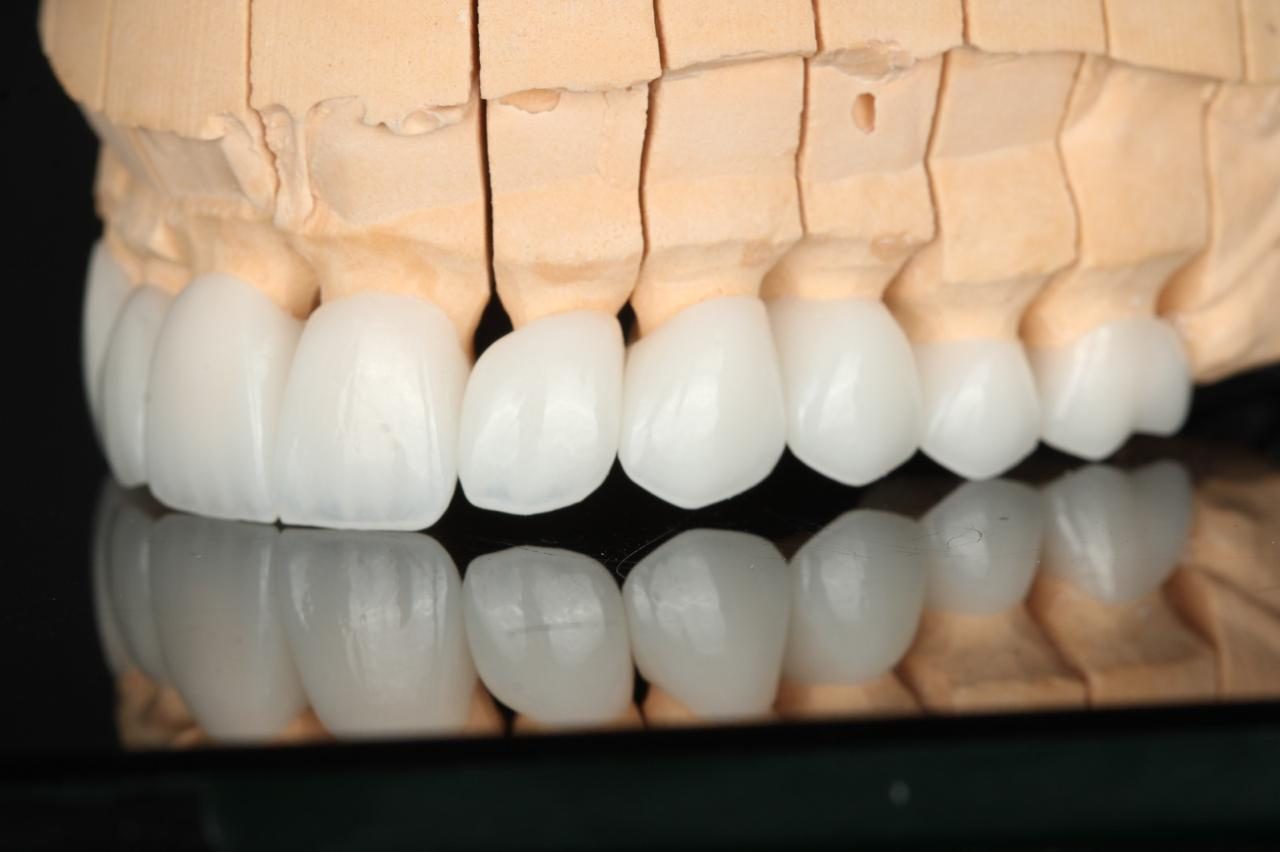
Porcelain veneers smile 1400 — Creative Arts Dubai
Porcelain veneers smile, close-up 04 — Creative Arts Dubai
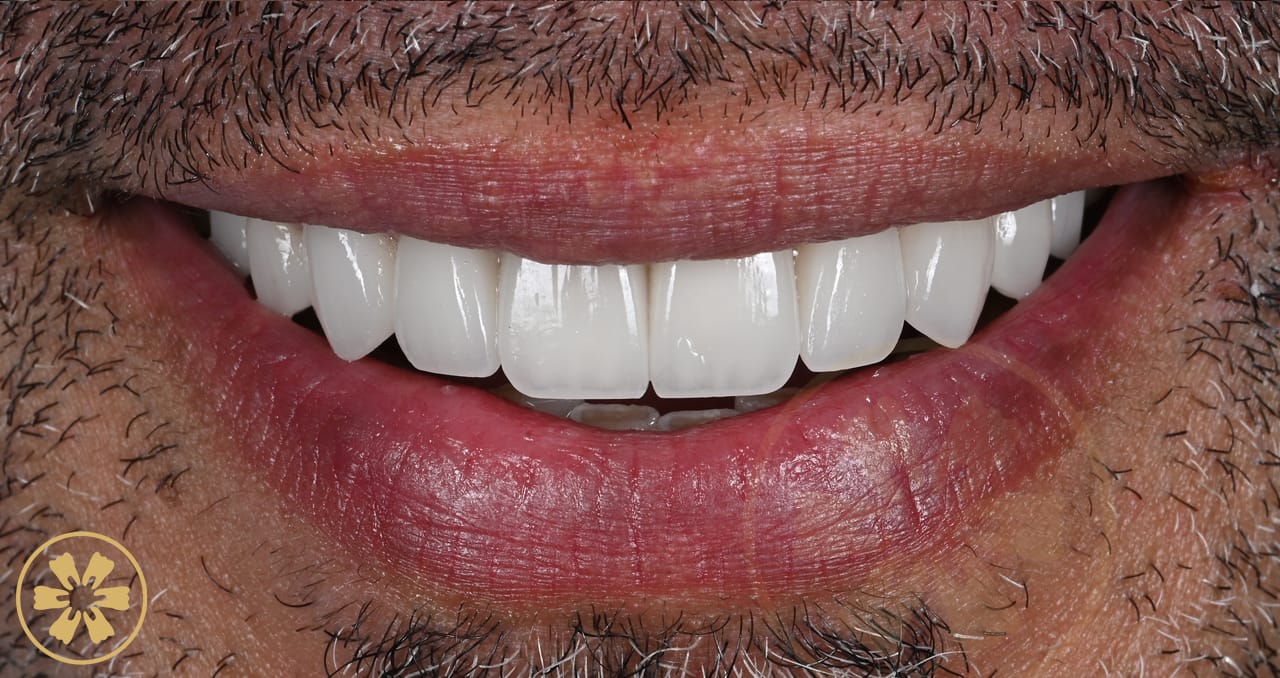
Porcelain veneers smile, portrait 06 — Creative Arts Dubai
Porcelain veneers smile, close-up 11 — Creative Arts Dubai
Porcelain veneers smile, Hesham — Creative Arts Dubai
Porcelain veneers smile, portrait 01 — Creative Arts Dubai
Porcelain veneers smile, close-up 03 — Creative Arts Dubai
Porcelain veneers smile, portrait 08 — Creative Arts Dubai
Porcelain veneers smile, close-up 10 — Creative Arts Dubai

Who restores your teeth

Dr. Marina Antoniuk, Dentist · aesthetic & functional rehabilitation

Dr. Marina Antoniuk

Dentist · aesthetic & functional rehabilitation

17 years of clinical experience in aesthetic and functional rehabilitation: crowns, veneers, full-mouth cases planned around the bite and jaw joint, and saving badly damaged teeth. Consults in Russian, Ukrainian and English.

View profile

Quick answer

What does root canal treatment involve at Creative Arts in Dubai?

Root canal treatment removes the inflamed or infected pulp from inside a tooth, disinfects and shapes the canals, then fills and seals them, all under local anaesthetic. A first root canal usually takes one or two visits, and a back tooth usually needs a crown afterwards. At Creative Arts in Dubai it is done under the dental microscope by Dr. Marina Antoniuk and Dr. Iuliia Savitskaia, with the tooth isolated by a rubber dam.

Who treats you here Dr. Marina Antoniuk Dentist · Dr. Iuliia Savitskaia General Dentist

Every dentist’s licence can be checked on the DHA Sheryan medical directory.

27 yearsIn-house dental laboratory in the same building
Written planItemised treatment plan before you commit
Open daily10:00–20:00, seven days a week
Jumeirah 3614 Jumeira St, Umm Suqeim 1, Dubai
Why patients choose us for root canals

Why Creative Arts for root canal treatment

Four things that change how a root canal is diagnosed, carried out and finished here.

01

Treated under the microscope

Dr. Marina Antoniuk and Dr. Iuliia Savitskaia work under a dental microscope. Magnification helps find extra or narrow canals, see cracks and keep the access opening small, so more of the tooth is preserved.

02

Rubber dam isolation, every time

A rubber dam seals the tooth off from saliva while the canals are disinfected and protects your airway from small instruments. It is used on every root canal we do, without exception.

03

The crown is planned with the root canal

A root-treated back tooth usually needs a crown. It is planned at the start, priced in the same written plan and made by Creative Art Dental Lab in our building, so the tooth is not left for months in a temporary filling.

04

Honest about teeth that cannot be saved

If a root is fractured, too little tooth is left or the bone support is badly reduced, we say so at diagnosis. You see the root canal and the extraction path side by side before deciding.

Quick answers

Who does root canal treatment at Creative Arts?

Root canal treatment is done under the dental microscope by Dr. Marina Antoniuk and Dr. Iuliia Savitskaia, with the tooth isolated by a rubber dam, under local anaesthetic.

How many visits does a root canal take?

A first root canal usually takes one or two visits; retreatment often takes longer. A back tooth usually needs a crown afterwards.

Private consultation

Your smile, planned with a dentist — before you decide

Tell us what you would like to change. A dentist reviews it, and you receive a written plan with prices before any treatment.

  • First consultation free
  • Free photo assessment on WhatsApp
  • A written, itemised plan with prices before any treatment
A
ArwaaYour patient advisor · with you from your first message to your dentist
Chat now · WhatsApp

Get your free treatment plan

Tell us what you would like to change. We reply on WhatsApp or by phone during opening hours.

  • First consultation free
  • Free photo assessment on WhatsApp
What are you interested in?

Prefer to chat? Send a photo on WhatsApp

What it treats

Why does a tooth need a root canal?

Inside every tooth is a pulp chamber containing nerve tissue and blood vessels. When deep decay, a crack or a knock lets bacteria into that space, the pulp becomes inflamed and can then die. Because the pulp sits inside rigid walls, swelling has nowhere to go. The pressure on the nerve is the severe, throbbing, keeps-you-awake toothache patients describe.

Once the pulp dies, infection can track through the tip of the root into the surrounding bone and form an abscess. Left untreated, a tooth abscess causes progressive bone loss and facial swelling, and occasionally becomes a medical emergency. Root canal treatment removes the source: the infected tissue inside the tooth. Antibiotics can help with spreading infection, but they cannot reach the inside of a tooth whose pulp has died.

The American Association of Endodontists describes root canal treatment as removing infected or inflamed pulp under anaesthesia, usually in one or two visits, so that you keep your natural tooth. Our root canal treatment guide explains each stage in more depth.

Warning signs

Signs a tooth may need root canal treatment

Caught early, an inflamed pulp can sometimes be managed without a full root canal. Waiting almost never improves your options.

Book an assessment if you notice

  • Sensitivity to hot or cold that lingers after the drink or food is gone
  • Pain when you bite, or when you release the bite
  • A tooth that has darkened compared with its neighbours
  • A recurring pimple or small boil on the gum near one tooth
  • Throbbing pain that wakes you at night

Seek care urgently

  • Facial or jaw swelling: contact the clinic (open daily 10:00–20:00)
  • Swelling with fever, swelling spreading towards the eye or neck, or difficulty breathing or swallowing: go to a hospital emergency department immediately
  • A knocked-out or badly broken tooth: see our emergency dentist page
The procedure

How root canal treatment is done, step by step

This is the sequence for a first root canal. Your written plan states how many visits your tooth is expected to need before you start.

  1. Diagnosis

    The pulp is tested with cold and with gentle tapping, and X-rays are taken. A 3D CBCT scan is used where the anatomy is complex, a canal may have been missed or a fracture is suspected.

    Visit 1
  2. Anaesthesia and isolation

    The tooth is numbed and tested, then isolated with the rubber dam so saliva cannot reach the canals.

    Visit 1
  3. Conservative access

    A small opening is made through the crown of the tooth into the pulp chamber. Every millimetre of tooth kept is tooth that resists fracture later.

    Visit 1
  4. Cleaning and shaping

    Under the microscope the canals are followed to their full length, measured electronically and confirmed on X-ray, shaped with fine rotary instruments and irrigated with sodium hypochlorite, which dissolves debris and kills bacteria. The irrigation does most of the disinfecting; the instruments make room for it.

    Visit 1 or 2
  5. Filling and sealing

    The dried, disinfected canals are filled in three dimensions with gutta-percha and sealer, leaving no space for bacteria to return. Severely infected teeth may have medication placed between two visits first.

    Visit 1 or 2
  6. Core and crown

    A core build-up is placed and, for most back teeth, the tooth is prepared for a crown made in our laboratory. A front tooth that has lost little structure may only need a filling.

    Following weeks
After the root canal

Why the crown after a root canal is not optional

This is the most misunderstood part of root canal treatment. Many patients finish the root canal, feel better and never come back for the crown. That tooth is then at real risk.

A root-treated tooth has lost its blood supply, and part of its structure has gone to the decay and to the access opening, so it is more brittle. A dental crown that covers the cusps binds the remaining walls together and spreads biting forces across the whole tooth. Back teeth left in a temporary filling often split, and a split running down the root usually cannot be saved.

Here the crown is designed and made by Creative Art Dental Lab, in the same building as the clinic. The plan includes it from the start, so the crown follows the root canal within weeks rather than being forgotten.

Comparing options

Root canal, extraction or implant: how the options compare

Keeping your own tooth is usually preferred when it can be restored predictably. This is how the main paths compare; the right one depends on the tooth. Our guide to root canal vs extraction walks through the decision in detail.

Root canal and crownExtraction and implantExtraction only
What you keepYour own root, its ligament and the bone around itA titanium root in the bone carrying a crownNothing in the gap
Typical timeUsually one or two visits, then the crown within weeksHealing, then typically 3–6 months before the final crownOne visit, plus healing
Neighbouring teethUntouchedUntouchedMay drift; the opposing tooth may over-erupt
BoneKept in useSupported by the implant; a graft is sometimes needed firstTends to shrink over time
Usually the right choice whenEnough sound tooth remains and the root is intactThe tooth cannot be saved and the bone can hold an implantThe tooth is not needed for chewing, for example with no opposing tooth

A bridge is another way to fill a gap after extraction; see root canal vs implant for the full comparison.

Microscope root canal treatment

What the dental microscope changes in a root canal

Magnification and light down the canal matter most where the anatomy is difficult or an earlier treatment has failed.

01

Finding every canal

Some teeth have extra or very narrow canals that are easy to overlook. A canal left untreated is a common reason a root canal fails, so seeing the floor of the pulp chamber clearly matters.

02

Seeing cracks early

Fine cracks in the tooth can be seen under magnification. Whether a crack reaches the root decides whether the tooth can be kept; see cracked tooth.

03

Smaller access, stronger tooth

Good visibility lets the dentist keep the opening into the tooth small and remove less healthy structure, which helps the tooth resist fracture later.

04

Retreating older root canals

Removing old filling material and finding what was missed is precise work. Root canal retreatment is carried out under the microscope here.

Retreatment

Can a failed root canal be redone?

Root canals can fail, though it is uncommon when treatment is thorough. The usual causes are a canal that was missed, leakage from a lost or defective crown or filling that lets bacteria back in from above, persistent infection in complex anatomy, new decay and cracks. A vertical root fracture is the one cause that cannot be retreated.

Retreatment removes the old filling material, cleans the canal system again, deals with whatever was missed and reseals it. A 3D scan is often taken first, because the reason for failure decides whether retreatment, a surgical approach at the root tip (an option some cases are referred for) or extraction is the right answer. Retreatment usually takes longer than a first root canal and the number of visits depends on the case.

Who treats you

The dentists who carry out your root canal

Dr. Marina Antoniuk (restorative and microscopic dentistry) and Dr. Iuliia Savitskaia (microscopic dentistry and general care) carry out root canal treatment and retreatment under the dental microscope, and plan the restoration that follows.

Aftercare

What to expect after root canal treatment

A typical course after a first root canal. Your written aftercare sheet covers your own tooth.

  1. The first few days

    Mild tenderness when biting is normal and usually settles with over-the-counter pain relief. The numbness wears off within a few hours.

    Days 1–3
  2. Until the final restoration

    Avoid chewing hard food on the tooth. A temporary filling protects it, but a root-treated tooth is not yet protected against splitting.

    Until the crown
  3. Crown or filling fitted

    The final restoration seals the tooth from above and, for back teeth, protects it from fracture. Keep it clean like any other tooth.

    Within weeks
  4. Review

    An X-ray at review checks that the area around the root tip is healing. Regular check-ups and cleaning protect the tooth long term.

    As planned

Contact the clinic if you notice

Pain that increases after the third day instead of easing; swelling developing; the temporary filling coming out; or the tooth feeling high when you bite. The clinic is open daily 10:00–20:00. Facial swelling with difficulty breathing or swallowing needs a hospital emergency department straight away.

Cost

What sets the cost of a root canal in Dubai?

Quotes vary because they include different things. Yours is itemised in writing after the examination and X-rays; our root canal cost guide explains how to compare quotes.

  • Which toothA front tooth usually has one canal; premolars and molars have more, and molars take the longest.
  • First treatment or retreatmentRemoving old root filling material and finding missed canals takes more time than a first root canal.
  • Infection and anatomyCurved or narrow canals, or a tooth needing medication between visits, add time and visits.
  • The restoration afterwardsThe core build-up and the crown are separate items from the root canal itself.
  • ImagingStandard X-rays are part of treatment; a 3D CBCT scan is added only where the case calls for it.

When we recommend extraction instead

We would rather tell you at diagnosis than after you have paid for a treatment that will not hold: when too little tooth is left to support a restoration predictably, when a vertical root fracture is confirmed, when gum disease has already destroyed much of the bone support, or when a tooth is not needed for chewing and would require extensive work. Holding on to a failing tooth costs more, takes longer and often ends in extraction anyway, with less bone left for an implant.

Sources

Clinical statements on this page are consistent with these independent sources. They describe averages from studies, not a promise for any one patient.

  1. American Association of Endodontists. What is a Root Canal?. AAE.

Root canal treatment in Dubai: the timeline from first X-ray to final crown

Root canal treatment in Dubai at Creative Arts is carried out by Dr. Marina Antoniuk and Dr. Iuliia Savitskaia under the dental microscope, with a rubber dam on every tooth treated. A first root canal usually takes one or two visits; retreatment of an old root canal often takes longer. A typical sequence:

  1. Diagnosis: tests on the tooth and an X-ray confirm that the nerve is the source of the pain, not a neighbouring tooth or the gum.
  2. Treatment: under local anaesthetic the canals are cleaned, shaped and sealed; if a second visit is needed, a temporary filling closes the tooth in between.
  3. Settling: tenderness for a few days is common, as pain after a root canal explains.
  4. The crown: back teeth usually need one, ideally within a few weeks, made by Creative Art Dental Lab in the same building; see crown after root canal.

How many appointments your tooth needs is covered in how many visits a root canal takes. The price depends on your case and is written in your treatment plan after the examination. See: root canal cost.

Saving a badly damaged tooth: Dr. Marina Antoniuk plans the root canal and the rebuild together

A root canal saves a tooth only if what is left can be rebuilt to last. For teeth that are badly broken, already root-treated, or under failing crowns, Dr. Marina Antoniuk, a dentist with 17 years of clinical experience, plans both halves at the start: the treatment inside the tooth and the restoration that will protect it.

  • Seeing the problem. She works with a dental microscope and reviews CBCT 3D scans, which help locate fine canals, cracks and changes around the root.
  • Is it worth keeping? The amount of sound tooth above and below the gum, the root, the bone and any crack are weighed against extraction and an implant, and you get that comparison in writing.
  • The rebuild. A back tooth after a root canal usually needs a crown; the shape and bite of that crown are planned with the rest of your mouth, not in isolation.

Preserving severely compromised teeth is one of her main areas of work, and she consults in Russian and English. See Dr. Marina Antoniuk's profile, her published cases, crowns after a root canal and cracked teeth.

Patients often ask

Root canal and toothache: the questions people ask before they decide

Toothache, hot and cold pain, abscess, root canal vs extraction, microscope retreatment and the crown afterwards: plain answers from dentists in Jumeirah, Dubai.

Patient questions

Frequently asked questions

How long after root canal treatment in Dubai should the crown go on?

Usually within a few weeks of finishing the root canal, once the tooth has settled. A root-treated back tooth is weaker and temporary fillings are designed to last weeks, not months, so the risk of a crack or of leakage grows the longer you wait. If the tooth was very tender before treatment, the dentist may wait a little longer. At Creative Arts the crown is planned together with the root canal and made by the lab in the same building.

Is it worth saving a root-treated tooth that needs a large rebuild?

It can be, if enough sound tooth remains below the gum, the root and bone are healthy and there is no crack running down the root. Then a rebuilt core and a crown can keep the tooth working for years. If those conditions are not met, an implant is often more predictable. The decision is made after an examination and X-ray or CBCT, with both options costed.

Does root canal treatment hurt?

It is done under local anaesthetic, so you should feel pressure rather than sharp pain during treatment. The severe pain people link with root canals is usually the infected pulp before treatment, and the treatment is what relieves it. Mild tenderness on biting for a few days afterwards is normal and is usually managed with over-the-counter pain relief.

Can a root canal be done in one visit?

Often, yes. One visit suits many teeth where the infection is contained and the canals can be fully cleaned and sealed in one session. Severely infected teeth, or those that keep producing discharge, are better treated over two visits with medication placed in between. Your plan states the expected number before you start.

Will my tooth need a crown once the root canal is finished?

Usually, for back teeth. A root-filled molar or premolar has lost its blood supply and some structure, so it is more likely to crack under chewing forces; a crown spreads the load across the whole tooth. Front teeth that have lost little structure may only need a filling. The restoration is included in your written plan.

My root canal failed years ago. Can it be redone?

Often, yes. Retreatment removes the old root filling, cleans the canals again, including any that were missed, and reseals them under the microscope. A 3D scan usually comes first, because the cause decides the answer. If the root is fractured, the tooth usually cannot be saved and extraction with an implant or bridge is discussed.

Is it better to extract the tooth and have an implant instead of a root canal?

Not usually, when the tooth can be restored. A natural tooth keeps its periodontal ligament, which absorbs biting forces and gives a sense of pressure that no implant reproduces. When the tooth cannot be restored predictably, because of a root fracture, too little structure or severe bone loss, an implant is often the better long-term choice, and we will say so.

How long can a tooth last after root canal treatment and a crown?

A well-sealed, properly restored root-treated tooth can last for many years. What usually ends its life is not the root canal itself but new decay, a lost or leaking crown or filling, or a fracture, which is why the crown and regular check-ups matter. Individual results vary with the tooth and how much of it was left.

Can antibiotics treat an infected tooth instead of a root canal?

No. Antibiotics may be prescribed when infection is spreading, but they cannot clear bacteria from inside a tooth whose pulp has died, so the infection returns. Removing the infected tissue with a root canal, or removing the tooth, is what treats the cause.

Why is a dental microscope used for root canals?

Root canals are narrow, sometimes curved, and some teeth have extra canals that are easy to miss. The microscope gives magnification and light inside the tooth, which helps find every canal, spot cracks and keep the access opening small. Root canal treatment at Creative Arts is carried out under the microscope by Dr. Marina Antoniuk and Dr. Iuliia Savitskaia.

Does insurance cover root canal treatment in Dubai?

It depends on your policy. Ask us before your appointment and we will tell you what we need from your insurer. Root canal treatment is usually considered necessary rather than cosmetic, but cover for the crown afterwards varies, so check both items.

Visit us

One clinic, in Jumeirah 3 / Umm Suqeim 1

Creative Arts has a single clinic on Jumeira Street (Jumeirah Beach Road). Ask about parking when you book.

  • Address614 Jumeira St, Jumeirah 3, Umm Suqeim 1, Dubai
  • Opening hoursDaily 10:00–20:00, including Friday and Sunday
  • Neighbouring areasJumeirah 1–3, Umm Suqeim 1–3, Al Wasl, Al Safa, Al Manara
Book a consultation

Request a consultation

Tell us what you would like to change. The clinic replies within working hours with an appointment time.

Book Your Consultation

Or call us +971 4 342 4444Or message us on WhatsApp

Talk to a dentist about your case

A consultation ends with a diagnosis and a written, itemised plan — not a sales pitch. Book online, message us on WhatsApp, or call the clinic.

Call +971 4 342 4444
Google reviews

What patients say about Creative Arts

4.8(242 reviews)
Read all reviews on Google

Rated 4.8 on Google from 242 patient reviews (October 2026).