A plain explanation
What is healthy, what needs watching and what needs treating, with the reason for each. Ask to see the X-ray or photograph if a finding is not obvious to you.
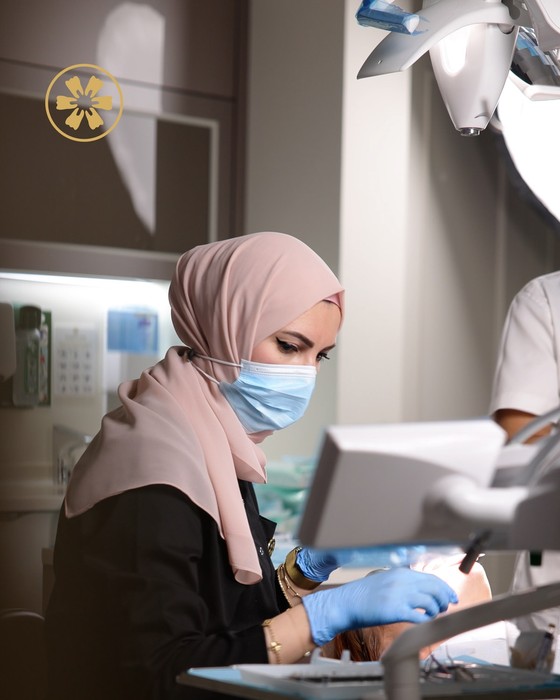
A proper check-up is an examination, not a quick look: teeth, gums, soft tissues and bite, with X-rays only when they add something, and a clear written answer at the end.
New patients: bring a list of your medicines and any recent dental X-rays.
A dental check-up at Creative Arts in Dubai is a full examination: your medical history, every tooth and existing filling or crown, gum pocket measurements, a visual check of the lips, tongue, cheeks and palate for anything unusual, your bite and signs of grinding, and X-rays only when they are indicated. You leave knowing what was found and, if treatment is needed, with a written plan listing the cost and alternatives.
What to expect before you book.
In pain or with a broken tooth? Book as an urgent visit instead. Facial swelling with difficulty breathing or swallowing needs a hospital emergency department immediately.
The order can vary, but each of these is covered. A first visit takes longer than a routine recall because baseline records are taken.
Your medicines and health conditions, any changes since your last visit, and what you have noticed: sensitivity, bleeding, a rough edge, a tooth you avoid chewing on.
StartEach tooth is checked for decay, cracks and wear. Fillings, crowns, veneers and implants are checked for chipped edges, gaps and staining at the margins.
ExaminationA fine probe measures the gum pocket at several points around each tooth. Bleeding and deeper pockets show gum disease long before teeth feel loose.
ExaminationLips, the sides and underside of the tongue, cheeks, palate and the floor of the mouth are checked visually for patches, ulcers or lumps that need watching or referral.
ScreeningWorn or flattened edges, cracked enamel and tender jaw muscles suggest clenching or grinding; how the teeth meet is checked too.
ScreeningImages are taken only when they would show something the examination cannot. Then the dentist explains the findings and what, if anything, should be done, in order of priority.
Before you leaveA check-up is only useful if you understand the result. This is what you should leave with, here or anywhere else.
What is healthy, what needs watching and what needs treating, with the reason for each. Ask to see the X-ray or photograph if a finding is not obvious to you.
If treatment is needed, it is ordered by urgency: what should be done soon, what can be planned, and what is optional or cosmetic.
Each item, the cost and the alternatives, so you can decide in your own time or get a second opinion. Nothing is started without your agreement.
When to come back, based on your decay and gum risk rather than a fixed six months. The general dentistry page explains how intervals are set.
These appointments are often confused. Booking the right one saves a second visit.
| Appointment | Purpose | What happens | Book it when |
|---|---|---|---|
| Dental check-up | Find problems early | Examination of teeth, gums, soft tissues and bite; X-rays if indicated | It is time for your routine visit, or you are a new patient |
| Professional cleaning | Remove biofilm, stain and tartar | Guided Biofilm Therapy above and, where needed, below the gum line | Usually alongside or soon after a check-up |
| Problem-focused visit | Deal with one complaint | The painful or broken tooth is examined and imaged; treatment or a plan follows | You have pain, swelling or damage — see emergency dentist |
| Cosmetic consultation | Plan a change in appearance | Check-up findings plus photographs, scan and design discussion | You are considering whitening, bonding or veneers |
| Second opinion | Review another clinic's plan | Examination, your existing X-rays and plan reviewed, options explained | You have a plan and want an independent view |
If you are unsure which to book, describe your reason when you call and reception will book the right appointment.
A first visit is the one that sets the baseline, so it is usually longer than later check-ups. To make the most of it:
If you are planning cosmetic treatment, start here: decay and gum disease are treated before any veneers or whitening, and a check-up is how they are found.
A check-up is for finding problems before they hurt. Some symptoms need a problem-focused visit sooner.
Check-ups and everyday care are carried out by our general and restorative dentists, who also plan any treatment that follows.
At Creative Arts, a dental check-up covers your medical history, every tooth and existing restoration, gum pocket measurements, a visual screening of the soft tissues, your bite and signs of grinding, and X-rays if they are indicated. It ends with an explanation of the findings and, if treatment is needed, a written plan.
It depends on whether you are new. A first visit takes longer because history, baseline gum measurements and any X-rays are recorded. A routine recall for a patient whose records are up to date is shorter. Reception will tell you how much time to allow when you book.
No. X-rays are taken when they can show something the examination cannot, such as decay between back teeth or bone loss. New patients often need a baseline set unless recent images are available. Low-risk patients may go a year or two between bitewing X-rays.
It depends on your risk. People with healthy teeth and gums may need a check-up once a year or less often; people with gum disease, frequent new decay or braces may need one every three to six months. Your dentist should tell you your interval and why.
A check-up and a professional cleaning are different procedures. The check-up is the examination; cleaning with Guided Biofilm Therapy removes biofilm, stain and tartar. Many patients book both together. Ask when booking so enough time is allowed.
A visual check of the lips, tongue, cheeks, palate and floor of the mouth is part of every check-up. It looks for patches, ulcers or lumps that need watching or referral. It is a screening, not a diagnosis; anything suspicious is referred for further assessment.
Yes. Creative Arts is open every day from 10:00 to 20:00, including Friday and Sunday, so check-ups can be booked around work or school. Call +971 4 342 4444 or send a WhatsApp message to +971 56 677 7537.
Tell us what you would like to change. The clinic replies within working hours with an appointment time.
Or call us +971 4 342 4444Or message us on WhatsApp
A consultation ends with a diagnosis and a written, itemised plan — not a sales pitch. Book online, message us on WhatsApp, or call the clinic.