
Root canal and toothache: the questions people ask before they decide
This page answers the questions people really type about toothache, abscesses, fillings, root canals and extractions. The answers come from the Creative Arts dental team in Jumeirah, Dubai, where root canal work is done under the microscope.
- 36 questions answered
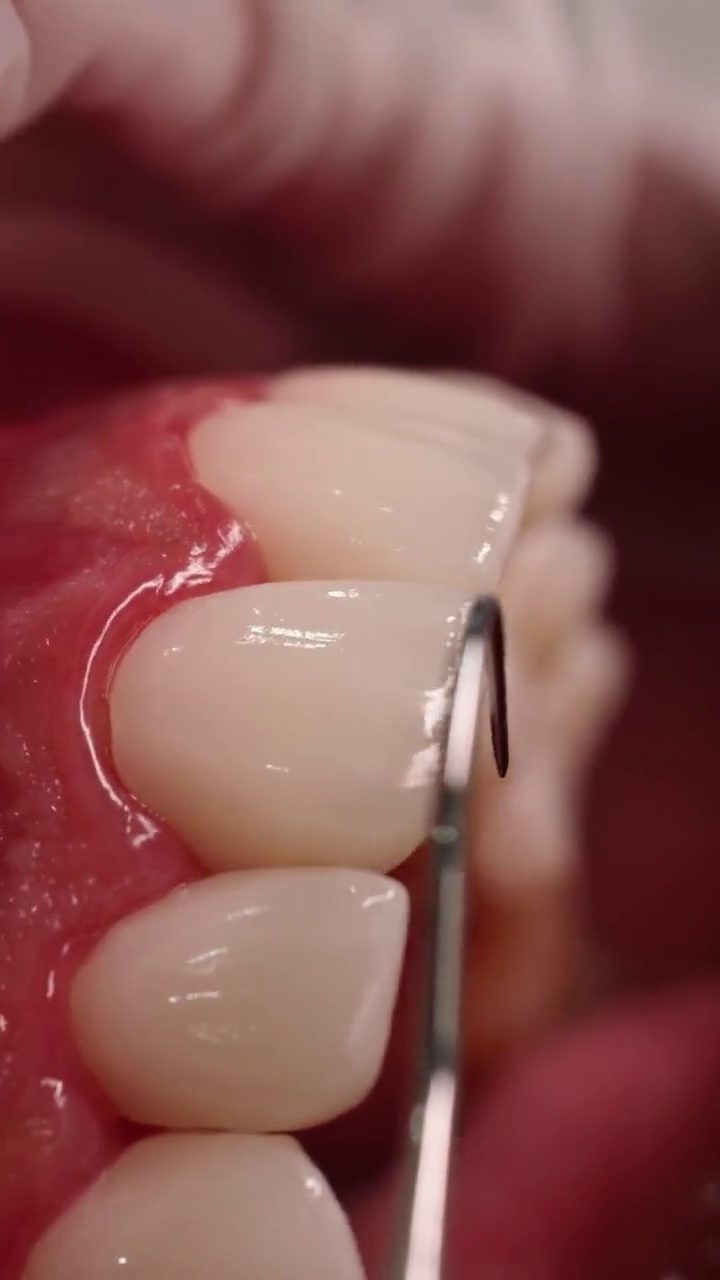
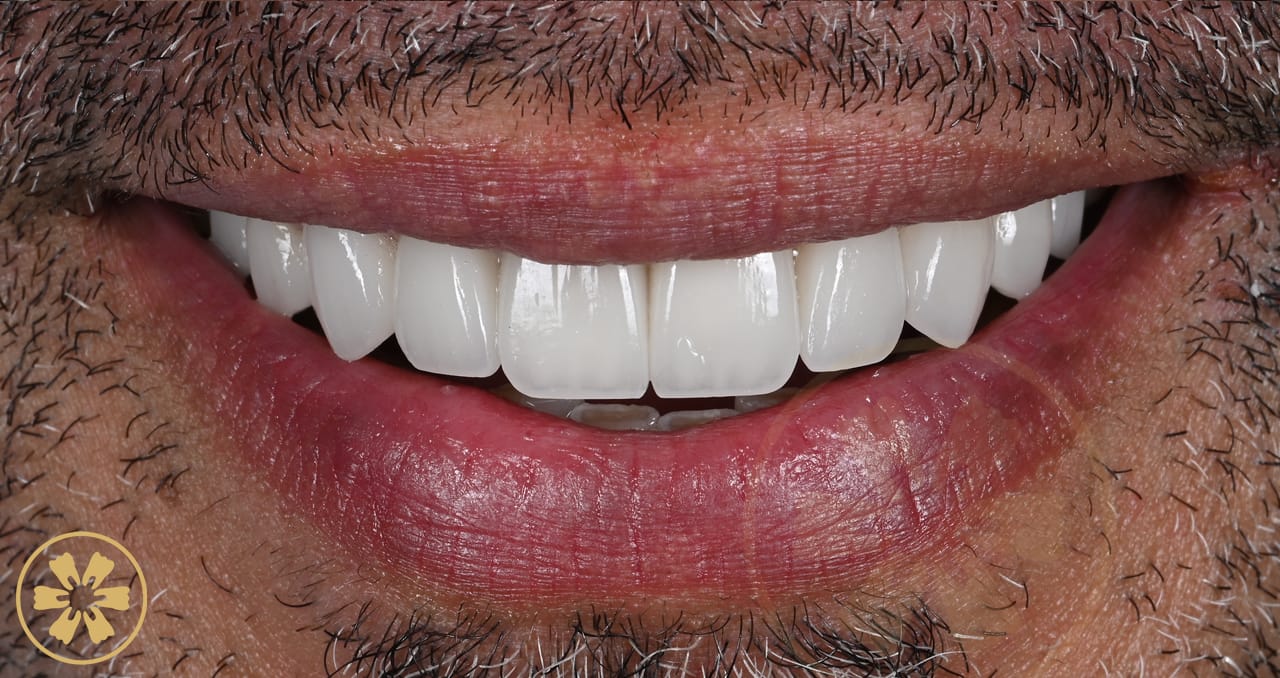
Smiles made at Creative Arts
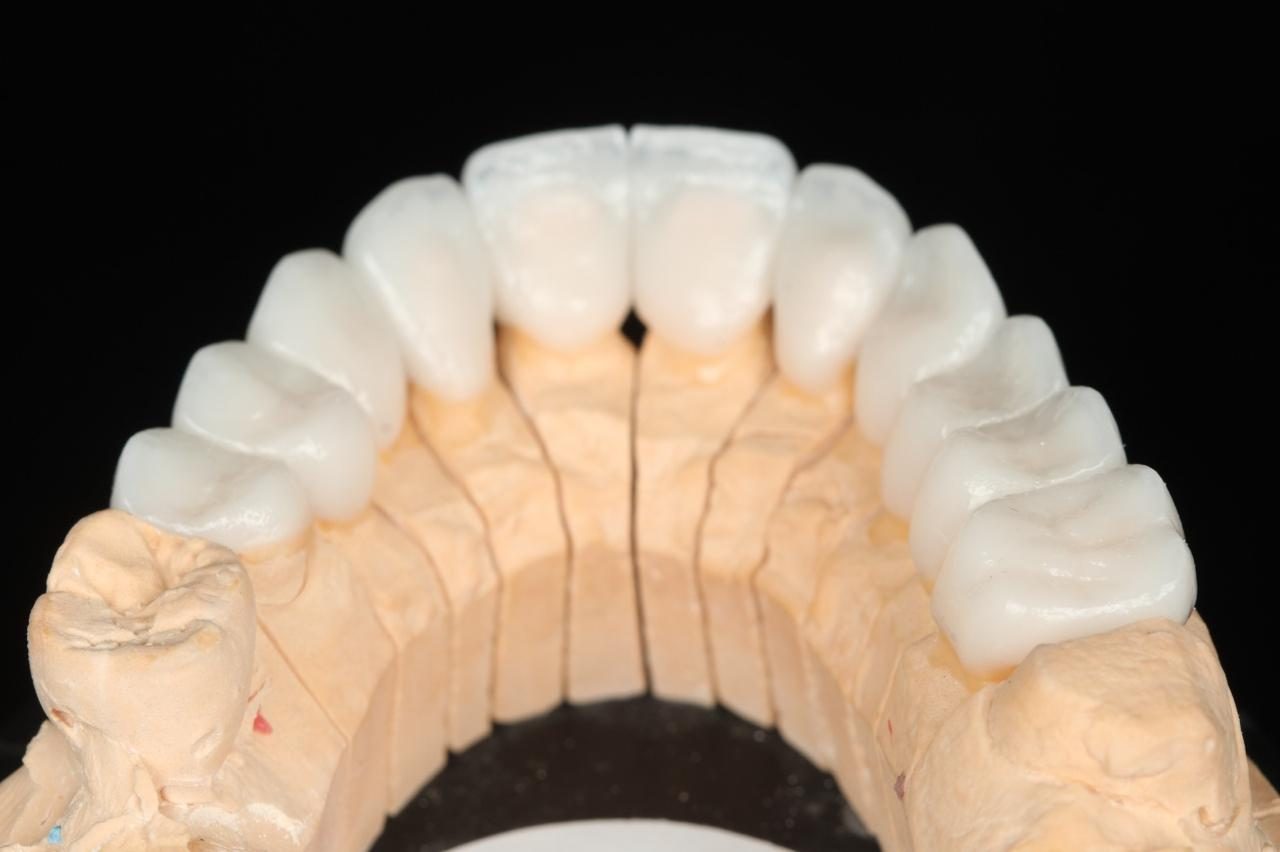
Designed in the clinic and made by hand in Creative Art Dental Lab, in the same building in Jumeirah, Dubai.




Is my toothache a sign I need a root canal?
What kind of toothache usually means the nerve is involved?
Pain that lingers for more than a few seconds after hot or cold, throbbing that wakes you at night, pain that starts on its own or a tooth that hurts to bite on usually points to an inflamed or infected nerve. A short, sharp twinge that stops as soon as the cold is gone is more often sensitivity or a small cavity. A cold test and an X-ray tell the difference, so book an examination rather than guessing. Read the full page
Why does my tooth hurt more with hot drinks than cold ones?
Pain from heat that builds and lingers is a classic sign that the pulp inside the tooth is badly inflamed or starting to die. Some people even find cold water relieves it for a moment. This pattern rarely settles by itself and usually needs root canal treatment or, if the tooth cannot be saved, extraction. Have it tested soon, before an abscess forms. Read the full page
Is sensitivity to cold always a sign I need a root canal?
No. Most cold sensitivity comes from exposed dentine, receding gums, worn enamel, tooth grinding or a recent filling, and it is treated with desensitising toothpaste, fluoride varnish or bonding over the exposed area. A root canal is only considered when the pain lingers, gets worse over time or tests show the nerve is irreversibly damaged. Start with the simple fixes your dentist suggests. Read the full page
What does a small pimple on the gum above a tooth mean?
It is usually a drainage point for an abscess at the root tip, called a sinus tract or gum boil. It often does not hurt because the pus has an exit, but the infection is still there and can damage the bone. It does not clear with antibiotics alone; the tooth needs root canal treatment, retreatment or extraction. Book an examination with an X-ray. Read the full page
Is a tooth abscess dangerous even when it does not hurt?
Yes. An abscess that does not hurt can still destroy bone around the root and spread to nearby tissues. Pain often stops simply because the nerve has died or the pus is draining. If you notice facial swelling, fever, swelling towards the eye or neck, or any difficulty breathing or swallowing, go to a hospital emergency department immediately. Otherwise, arrange a dental examination within days. Read the full page
My front tooth is turning grey after a knock. Does it need a root canal?
Often, but not always. A tooth that darkens after an injury may have bled inside and can recover, or the nerve may have died. The dentist tests the nerve and takes an X-ray, sometimes repeating the test after a few weeks. If the nerve has died, a root canal stops infection, and internal bleaching can then lighten the tooth without a crown. Read the full page
Will a cavity turn into a root canal if I leave it?
It can. Decay moves through the enamel and dentine towards the pulp, and once bacteria reach the nerve a filling is no longer enough. A cavity treated early usually needs only a filling; a deep one may still be saved with a protective lining. Regular check-ups catch decay before it reaches the nerve, which is the simplest way to avoid a root canal. Read the full page
Can a root-canal-treated tooth make you ill?
Mainstream dental research does not support the old idea that root-canal-treated teeth cause disease elsewhere in the body. What harms health is leaving an infected tooth untreated. A well-cleaned, sealed and restored tooth has the infection removed. If you have a specific medical condition, tell the dentist so they can plan antibiotics or timing with your doctor if needed. Read the full page
Filling, root canal or extraction: which option is right?
How does a dentist decide between a filling and a root canal?
The decision comes from your symptoms, a cold or electric pulp test, an X-ray and what the dentist sees once the decay is removed. If the nerve is healthy or only mildly inflamed, a filling, sometimes with a protective lining or vital pulp therapy, is enough. If the nerve is irreversibly inflamed or dead, a root canal is needed. Ask your dentist to show you the findings. Read the full page
Is it better to pull the tooth or save it with a root canal?
When a tooth can be restored, saving it is usually the first choice because it keeps your own root, bone and bite. Extraction is reasonable when the tooth is cracked down the root, too little tooth is left or gum disease has destroyed its support. If a tooth is removed, plan its replacement with an implant, bridge or partial denture so neighbouring teeth do not drift. Read the full page
Root canal and crown or an implant: which lasts longer?
Both can last many years, so the deciding factor is how predictable your own tooth is. A tooth with enough healthy structure and good bone usually does well with a root canal and crown. An implant makes more sense when the tooth cannot be saved reliably. At Creative Arts the dentist explains both routes, with the visits and steps for each, in your written plan. Read the full page
What is a microscope root canal and do I need one?
It is root canal treatment done under a dental microscope, which magnifies and lights the inside of the tooth. It helps find extra or narrow canals, hidden cracks and old filling material, and is especially useful for molars and retreatments. At Creative Arts, Dr. Marina Antoniuk and Dr. Iuliia Savitskaia carry out root canal work with the microscope as part of routine care. Read the full page
My old root canal hurts again. Can it be redone?
Usually, yes. Retreatment means removing the old filling material, finding and cleaning canals that were missed or reinfected, and sealing the tooth again. It often takes 1–2 visits and is done under local anaesthetic. If retreatment through the tooth is not possible, a small root-tip surgery or extraction are the alternatives. An X-ray, and sometimes a 3D scan, shows which applies. Read the full page
What is an apicoectomy and when is it chosen over retreatment?
An apicoectomy is a small surgical procedure where the infected root tip is removed through the gum and the end of the root is sealed. It is considered when retreating through the top of the tooth is not practical, for example because of a long post or a new, well-fitting crown. It is done under local anaesthetic and usually heals within a few weeks. Read the full page
Will I always need a crown after a root canal?
Back teeth usually do. Molars and premolars become more brittle after a root canal and take heavy chewing forces, so a crown or onlay protects them from splitting. A front tooth with only a small access hole and little previous damage can often be restored with a filling alone. Your dentist will base the choice on how much healthy tooth is left. Read the full page
How much does a root canal cost in Dubai, and where?
How much is a root canal in Dubai?
There is no single published price, because the work differs a great deal between a front tooth with one canal and a molar with three or four. At Creative Arts root canal treatment is priced in your written, itemised plan after a free first consultation. The plan shows the root canal, any retreatment, core build-up or post, and the crown, so you see the full picture before you start. Read the full page
Why do root canal quotes from different clinics vary so much?
Quotes often cover different things. One may include X-rays, all visits, the temporary filling and the core build-up, while another lists only the canal cleaning and adds the crown later. Molars, retreatments and microscope work also take longer. Compare quotes line by line and ask what happens if the tooth needs an extra visit or a post. Read the full page
Does a root canal quote usually cover the crown too?
Usually not, because the crown is a separate treatment made after the canal is sealed. A clear plan lists each part on its own line: the root canal, any core build-up or post, and the crown with its material, such as zirconia or E.max. That way you can compare like with like and know exactly what each step costs before you agree. Read the full page
Where is the clinic and what are the opening hours?
Creative Arts is at 614 Jumeira St, Jumeirah 3, Umm Suqeim 1, Dubai, and is open every day from 10:00 to 20:00. You can book by calling +971 4 342 4444 or by sending a WhatsApp message to +971 56 677 7537. If you are in pain, say so when you call so the team can look for the soonest available appointment. Read the full page
Can I send a photo of my tooth on WhatsApp before booking?
Yes. Creative Arts offers a free photo assessment on WhatsApp at +971 56 677 7537, and you can also send a picture of an X-ray you already have. A photo helps the dentist judge urgency and what to expect, but whether the nerve needs a root canal can only be confirmed with an examination, pulp testing and an up-to-date X-ray in the chair.
I live in Abu Dhabi or Sharjah. How many trips does a root canal take?
The root canal itself usually takes 1–2 visits. If the tooth needs a crown, add a visit for the scan and another to fit the crown, which the lab typically makes in 3–5 working days. Tell the team where you are travelling from so appointments can be grouped sensibly. The clinic is only in Dubai, in Jumeirah 3. Read the full page
Your smile, planned with a dentist — before you decide
Tell us what you would like to change. A dentist reviews it, and you receive a written plan with prices before any treatment.
- First consultation free
- Free photo assessment on WhatsApp
- A written, itemised plan with prices before any treatment
Get your free treatment plan
Tell us what you would like to change. We reply on WhatsApp or by phone during opening hours.
- First consultation free
- Free photo assessment on WhatsApp
Prefer to chat? Send a photo on WhatsApp
Who treats my tooth, and can I trust the clinic?
Which dentists do root canal treatment at Creative Arts?
Root canal treatment and retreatment are carried out mainly by Dr. Marina Antoniuk, who focuses on restorative and microscopic dentistry, and Dr. Iuliia Savitskaia, who works in microscopic dentistry, root canal treatment and general care. Both use the dental microscope. You can read their profiles on the site and ask for a particular dentist when you book. Read the full page
How can I check a Dubai dentist's licence before treatment?
Every dentist practising in Dubai must be licensed by the Dubai Health Authority, and you can look them up by name in the DHA Sheryan medical directory. The listing shows their licence type and where they are registered. Creative Arts publishes each dentist's DHA details on their profile page so you can check before your appointment. Read the full page
How do I know a root canal is really needed and not an upsell?
Ask the dentist to show you the X-ray, explain the pulp test results and tell you what would happen if you waited or chose extraction instead. A genuine recommendation comes with a reason you can see. A second opinion is always reasonable. Creative Arts has a 4.8 rating on Google from 238 reviews, which you can read before you decide. Read the full page
Who makes the crown that goes on after my root canal?
Crowns for Creative Arts patients are made by Creative Art Dental Lab, a separate laboratory in the same building. The technician can see your tooth in person to match the shade under the same light as the dentist. Crowns typically take 3–5 working days, so they are not fitted on the same day; you wear a temporary in the meantime. Read the full page
What happens during and after a root canal?
Does a root canal hurt as much as people say?
For most people, no. The treatment is done under local anaesthetic, and most feel pressure and vibration rather than pain; the toothache before treatment is usually worse. The tooth may feel tender to bite on for a few days afterwards, which is normally managed with over-the-counter pain relief. Severe or rising pain or new swelling should be reported to the clinic. Read the full page
How many appointments does a root canal need?
Usually 1–2 visits of about an hour to an hour and a half each. A simple single-canal tooth may be finished in one visit, while an infected or complex molar often has medicine placed inside for a week or two before the canals are sealed. A crown, if needed, adds further visits. Your plan will show the expected number. Read the full page
How long will my lip and cheek stay numb after a root canal?
Usually two to four hours, and sometimes a little longer after a lower-jaw injection. Avoid hot drinks and chewing until the feeling returns so you do not bite or burn your lip or tongue. Numbness that lasts into the next day is uncommon and should be reported to the dentist so it can be checked. Read the full page
Will I need a day off work after root canal treatment?
Most people return to work or study the same day once the numbness wears off. You may feel tired after a long appointment, so an afternoon slot is handy if your job is physically demanding. If you have sedation, plan to rest for the rest of the day and have an adult take you home. Mild tenderness does not usually stop normal activities. Read the full page
What should I avoid eating with a temporary filling between visits?
Avoid sticky sweets, chewing gum, nuts, ice and very hard bread, and chew on the other side where you can. The temporary filling is softer than a permanent one and the treated tooth is weaker until it is restored. If the temporary falls out or the tooth breaks, contact the clinic so it can be resealed before bacteria get back in. Read the full page
What happens if my tooth breaks before the crown is fitted?
Contact the clinic, keep any piece you find and avoid chewing on that side. Whether the tooth can still be saved depends on how deep the break goes; a crack that stays above the gum can often be built up and crowned, while a split root usually means extraction. Fitting the crown soon after the root canal is the main way to prevent this. Read the full page
How long does a root-canal-treated tooth last?
A well-cleaned, sealed and properly restored tooth can last for many years and often for decades. The main reasons they fail later are new decay under the filling or crown, a crack, or leakage that lets bacteria back in. Brushing, flossing, regular check-ups and a night guard if you grind all help the tooth last longer. Read the full page
Urgent and special situations
My face is swelling because of a tooth. What should I do?
If the swelling is spreading towards your eye or neck, you have a fever, or you find it hard to breathe or swallow, go to a hospital emergency department straight away. Otherwise, contact the clinic during opening hours, 10:00 to 20:00 daily. Antibiotics can calm a spreading infection, but the source still has to be treated by root canal or extraction. Read the full page
I am terrified of the dentist. Can I be sedated for a root canal?
Yes. Creative Arts offers laughing gas, oral sedation and IV sedation, chosen after a review of your medical history and given and monitored by a licensed clinician. You stay breathing on your own and relaxed while local anaesthetic numbs the tooth. General anaesthesia is not given at the clinic; when it is truly needed, it is arranged in a hospital. Read the full page
Is root canal treatment safe during pregnancy?
Yes, when it is needed, and leaving a dental infection untreated is a greater risk. Local anaesthetics commonly used in dentistry are considered safe in pregnancy, and X-rays are kept to the minimum needed. The second trimester is usually the most comfortable time for longer treatment, but urgent pain or infection should be treated at any stage. Tell the dentist how many weeks pregnant you are. Read the full page
Can I fly with a toothache or right after a root canal?
Flying is generally fine after a root canal once the numbness has gone. A tooth with an untreated infection or an open cavity can hurt more during flights because of pressure changes, so it is wise to have it checked before travelling. If you are visiting Dubai, tell the team your departure date so the treatment can be planned around it. Read the full page


Dr. Arwaa · WhatsApp