
Crowns and bridges: what people ask before they fix a broken or missing tooth
This page answers the questions people type before they get a crown, an onlay or a bridge, or when a tooth has cracked, broken or had a root canal. The answers come from the Creative Arts dental team in Jumeirah, Dubai, working with the dental lab in the same building.
- 36 questions answered
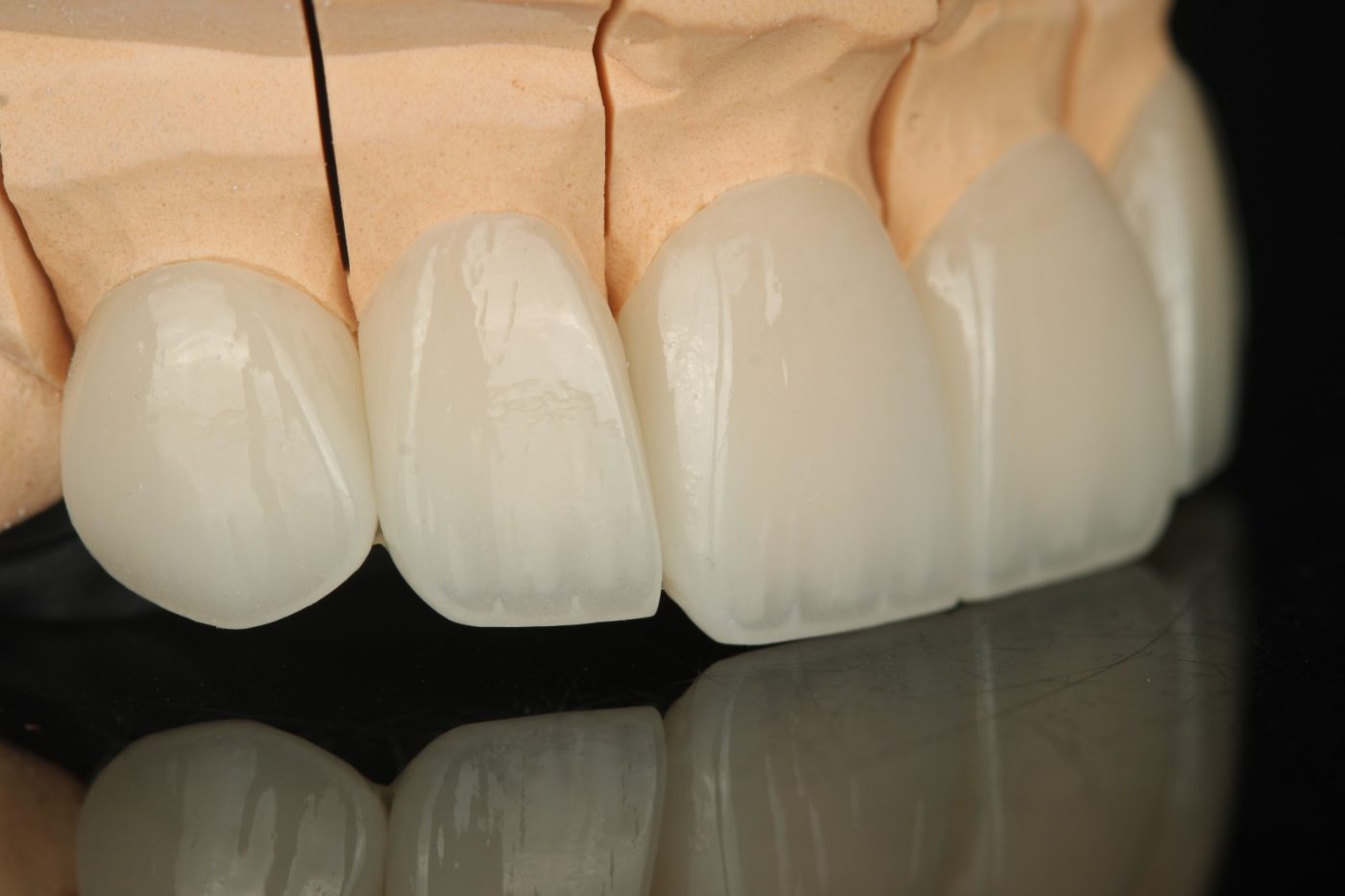
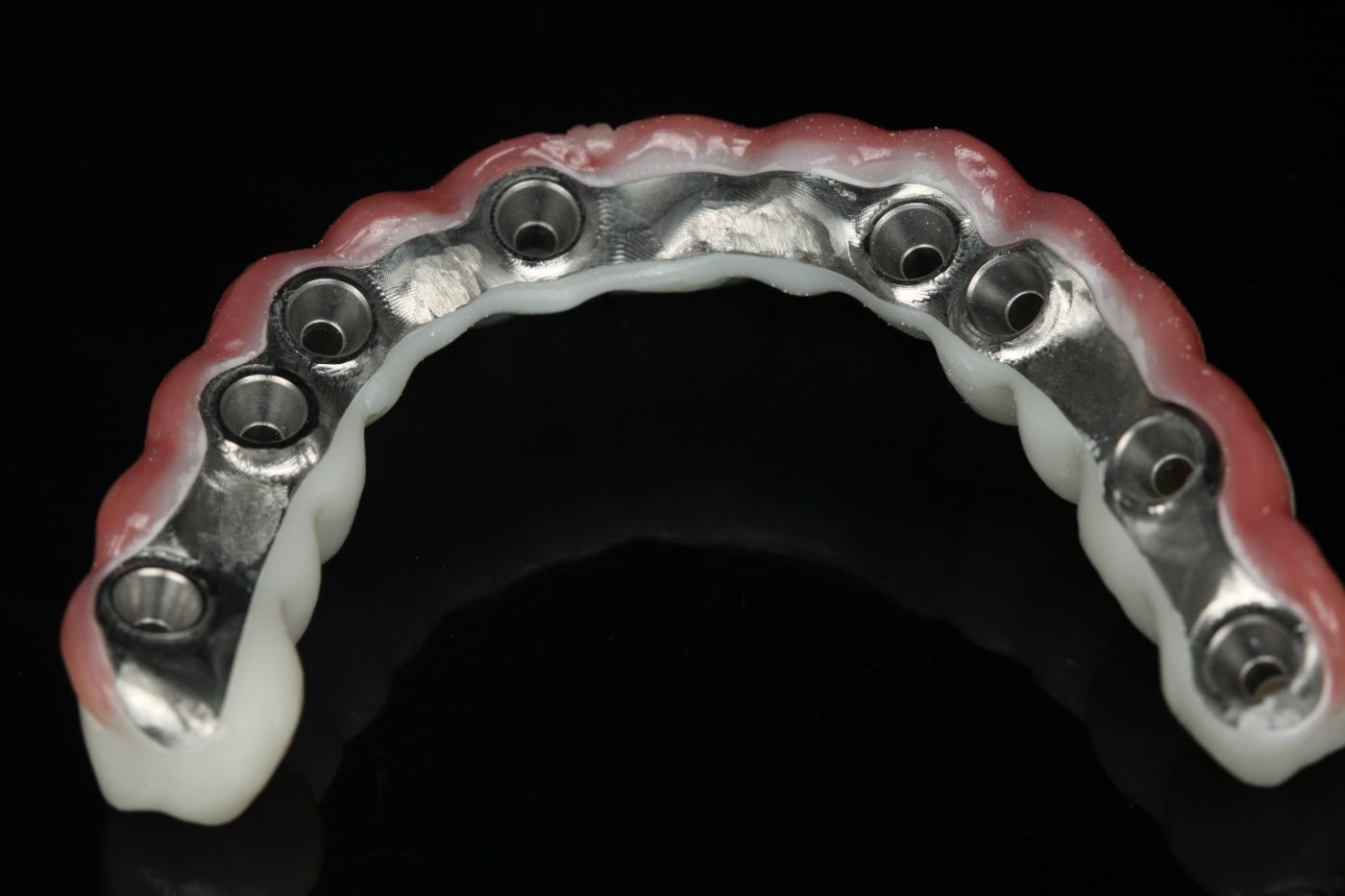
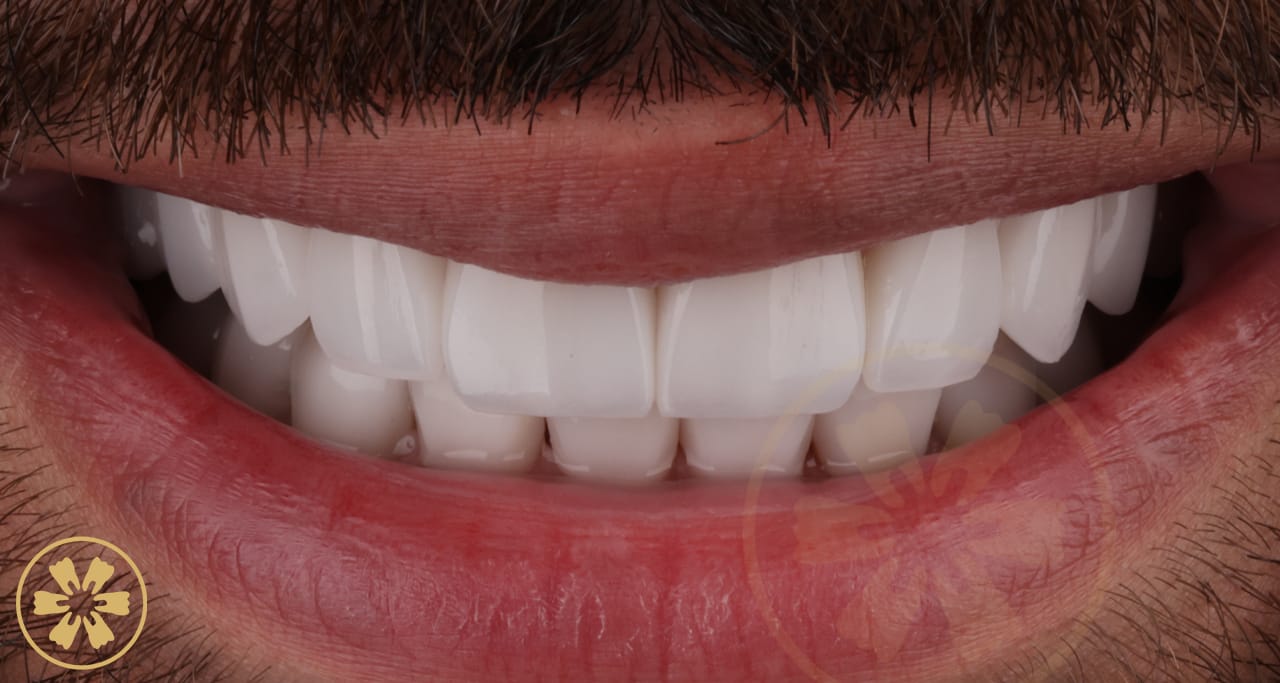
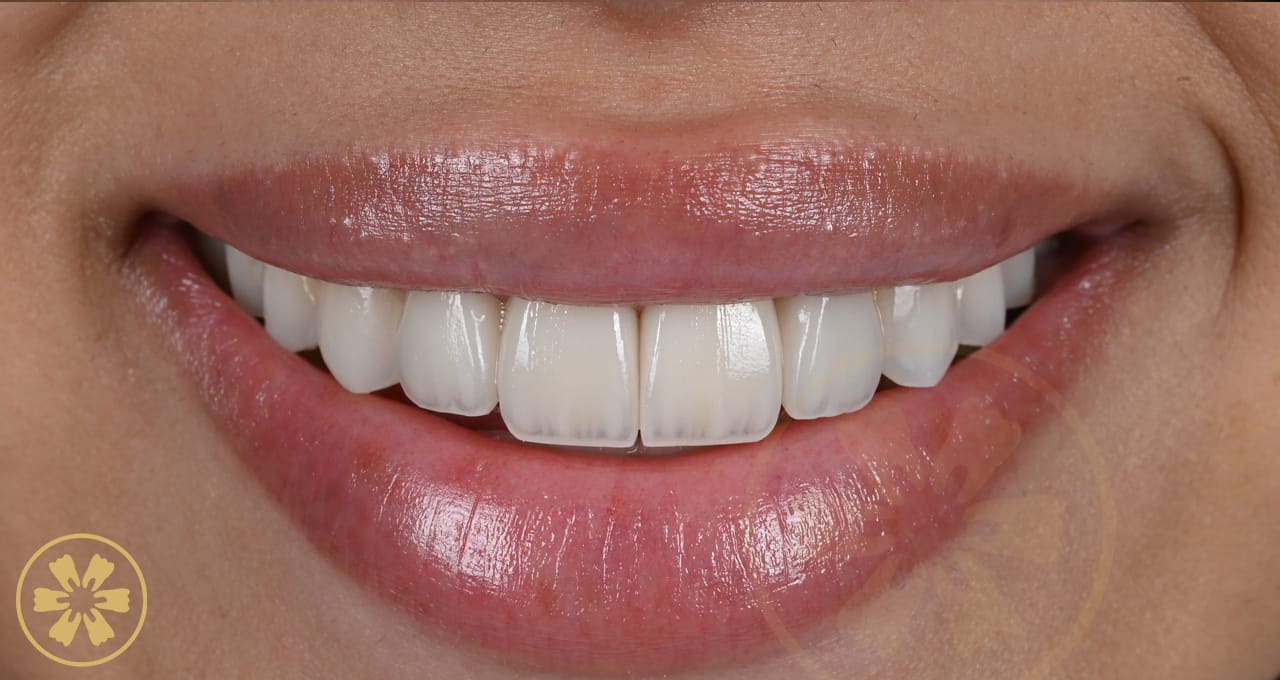
Smiles made at Creative Arts
Designed in the clinic and made by hand in Creative Art Dental Lab, in the same building in Jumeirah, Dubai.




Do I really need a crown?
What is a dental crown and when is one actually needed?
A crown is a cap, usually ceramic, that covers the whole visible part of a tooth to hold it together and restore its shape. It is typically needed when a tooth is cracked, heavily filled, badly worn or weakened after root canal treatment. If enough healthy tooth remains, a filling or an onlay may be enough. Your dentist should explain why a crown is the right level of treatment. Read the full page
My dentist suggested a crown: could a big filling do the job instead?
Sometimes it can. A filling works well when the walls of the tooth are still thick and strong; once a filling takes up most of the tooth, the remaining walls can crack under biting forces. An onlay, which covers only the weak cusps, sits between the two. Ask your dentist to show you the tooth on photos or X-rays and explain which walls are at risk. Read the full page
Is it true that a crown means grinding my tooth down to a small stump?
Not usually. A modern ceramic crown needs roughly one to two millimetres of tooth removed around the surface, and zirconia can often be made thinner. The stump look people fear comes from old metal-ceramic designs or teeth that were already badly broken. If the tooth is mostly healthy, an onlay or a veneer may preserve more of it, and your dentist should offer that option. Read the full page
Why do I need a crown after my root canal if the tooth no longer hurts?
A tooth that has had root canal treatment no longer hurts because the nerve has been removed, but it is often weaker and more brittle, especially a back tooth that already had a large filling. A crown or onlay protects it from splitting when you bite. Front teeth with little damage sometimes need only a filling. Your dentist decides based on how much tooth is left. Read the full page
My tooth has a crack: can a crown still save it?
Often yes, if the crack has not reached below the gum or into the root. A crown holds the pieces together and stops the crack spreading; if the nerve is affected, root canal treatment may be needed first. A crack that splits the root usually means the tooth cannot be kept, and an implant or bridge is then discussed. Having it examined early keeps more options open. Read the full page
Half of my tooth broke off while eating: what should I do now?
Keep any broken piece in a clean container, rinse gently and avoid chewing on that side, then contact a dentist as soon as you can. Depending on how much broke and whether the nerve is exposed, the fix can be bonding, a filling, an onlay or a crown. Sharp edges can be smoothed at the first visit. If the face swells and breathing or swallowing becomes hard, go to a hospital emergency department. Read the full page
Will a crown look fake next to my own teeth?
A well-made ceramic crown should blend with the teeth beside it, but a single front crown is one of the hardest things to match. At Creative Arts the crown is made in the dental lab in the same building, and the technician can see your teeth in person under the same light as the dentist to match the shade. The crown is tried in before it is cemented, so you can see it first. Read the full page
Crown, onlay, bridge or denture: which option?
What is an onlay, and is it better than a full crown?
An onlay is a ceramic piece that replaces only the damaged part of a back tooth, covering one or more cusps, so more healthy tooth is kept than with a crown. It suits teeth with a large filling or a broken cusp but sound walls elsewhere. When the tooth is cracked through or very weak, a full crown protects it better. Your dentist can tell you which applies after an examination. Read the full page
Zirconia or E.max: which crown material should I choose?
Both are metal-free ceramics. Zirconia is very strong and is often chosen for back teeth, bridges and people who grind; layered zirconia can look natural at the front too. Lithium disilicate (E.max) has excellent translucency and is popular for front teeth. The right choice depends on where the tooth is, your bite and the colour underneath, and your dentist should explain the reasoning. Read the full page
Should I get a crown or a veneer on my front tooth?
A veneer covers only the front of the tooth and keeps more natural structure, so it suits teeth that are healthy but chipped, stained or slightly misshapen. A crown covers the whole tooth and is the better choice when a front tooth is heavily filled, root-treated or broken. If the tooth just needs a small repair, composite bonding may be enough. Read the full page
How does a dental bridge work, and who is it for?
A bridge replaces a missing tooth with a false tooth joined to crowns on the teeth either side, so it is cemented and does not come out. It suits people who prefer not to have implant surgery, or whose neighbouring teeth already need crowns. The downside is that those supporting teeth are shaped and must be cleaned under carefully. Your dentist can compare it with an implant for your gap. Read the full page
When is a bridge a better choice than an implant?
A bridge can be the better choice when the teeth beside the gap already have large fillings or crowns, when there is not enough bone for an implant and you would rather avoid grafting, or when medical reasons make surgery unwise. It is also faster, usually two visits. An implant leaves the neighbouring teeth untouched. Ask for both options in your written plan. Read the full page
Can a bridge be fixed without filing down my healthy teeth?
For a single missing front tooth, a resin-bonded or Maryland bridge can be attached with small wings bonded to the back of the neighbouring teeth, with very little or no shaping. It suits low-biting-force areas and healthy neighbours, and it can come unstuck more easily than a conventional bridge. For back teeth, a conventional bridge or an implant is usually more reliable. Read the full page
Are dentures still a sensible option for missing teeth?
Yes, dentures remain a valid option, especially when many teeth are missing, surgery is not suitable or a quicker, lower-commitment solution is preferred. They do not stop the jawbone shrinking and can loosen over time. Creative Arts does not make removable dentures; it offers fixed alternatives such as bridges, implant bridges and full-arch teeth, and the dentist will explain what to look for if a denture suits you better. Read the full page
My old crown has a dark line at the gum: can it be replaced?
Yes. A grey or dark line at the gum is common with older metal-ceramic crowns, or when the gum has receded and shows the root. The crown can be removed and replaced with a metal-free ceramic crown, after checking the tooth underneath for decay. If the gum has receded a lot, the line may not disappear completely, and your dentist should tell you that before you start. Read the full page
How much do crowns and bridges cost in Dubai?
How much does a dental crown cost in Dubai?
Crowns at Creative Arts are priced in your written, itemised plan after a free first consultation, because the price depends on the material, whether the tooth needs a core build-up or root canal first, and how much shade work is involved. The plan lists each item before you commit. You can also send a photo on WhatsApp (+971 56 677 7537) for a free initial assessment. Read the full page
What changes the price of a crown or a bridge?
The main factors are the material (zirconia, E.max or layered ceramic), the number of units, whether a post, core or root canal is needed underneath, any gum work to improve the edge, and the level of custom shade matching. A bridge is priced per unit, so a three-unit bridge counts the two supporting crowns and the false tooth. Your written plan shows each of these as a separate line. Read the full page
Can you tell me what I need from a photo before I visit?
A photo on WhatsApp (+971 56 677 7537) lets the team give you a free preliminary opinion on whether a crown, onlay, bridge or something simpler is likely. A firm diagnosis and price still need an examination, because cracks, decay under old work and the health of the nerve do not show on a photo. The first consultation at the clinic is free. Read the full page
I am in Dubai for a short trip: can I get a crown done?
Usually yes, if you can attend two visits about a week apart: one to prepare the tooth and scan it, and one to try in and cement the crown after the lab has made it, typically in 3–5 working days. If root canal treatment is needed first, more time may be required. Send your X-rays on WhatsApp before you travel so the visits can be planned. Read the full page
Where is the clinic for crowns in Jumeirah, and when can I come?
Creative Arts Dental & Aesthetics is at 614 Jumeira St, Jumeirah 3, Umm Suqeim 1, Dubai, open every day from 10:00 to 20:00. The Creative Art Dental Lab is in the same building and is open Monday to Saturday. Patients come from across Dubai, other emirates and abroad; call +971 4 342 4444 to book. Read the full page
Your smile, planned with a dentist — before you decide
Tell us what you would like to change. A dentist reviews it, and you receive a written plan with prices before any treatment.
- First consultation free
- Free photo assessment on WhatsApp
- A written, itemised plan with prices before any treatment
Get your free treatment plan
Tell us what you would like to change. We reply on WhatsApp or by phone during opening hours.
- First consultation free
- Free photo assessment on WhatsApp
Prefer to chat? Send a photo on WhatsApp
Who makes my crown, and can I trust the result?
Which dentists do crowns and bridges at Creative Arts?
Crowns and bridges at Creative Arts are planned and fitted by Dr. Khalid Saeed and Dr. Kinan Bonni, who also handle larger rehabilitation cases, and by Dr. Marina Antoniuk, who focuses on restorative and microscope-assisted work such as root canals and crowns. Each doctor's DHA Professional Unique ID is on their profile, so you can check their licence on DHA Sheryan. Read the full page
Where are the crowns actually made?
Crowns and bridges for clinic patients are made by the Creative Art Dental Lab, a separate business in the same building that has operated for 27 years. Restorations are designed digitally, milled in ceramic and, where needed, hand-layered and stained. Because the lab is in the building, the technician can see your teeth in person for the shade, and small adjustments can be made the same day. Read the full page
Why can't I get a permanent crown in one visit?
Creative Arts does not make same-day crowns. The crown is designed and made in the lab, which typically takes 3–5 working days, so there is time for custom shade matching and, where needed, hand-layered ceramic. You wear a temporary crown in between. Lab-made crowns allow more control over colour and shape, especially on front teeth. Read the full page
Can I see and approve the crown before it is cemented?
Yes. At the fitting visit the crown is tried in first, so you and the dentist can check the shape, shade, fit and bite before anything is cemented. If something needs changing, small adjustments can often be made the same day in the lab in the same building, or the crown can be refined and fitted at another visit. Read the full page
How can I judge whether a clinic does good crown work?
Ask what material is planned and why, whether the tooth will be checked for cracks and decay first, who makes the crown and whether you can see it before it is cemented. Check the dentist's licence on DHA Sheryan and read reviews; Creative Arts has a 4.8 rating on Google from 238 reviews. A clear written plan with alternatives is a good sign. Read the full page
The appointments, the temporary crown and aftercare
How many appointments does a crown take?
Usually two. At the first, the tooth is numbed, shaped and scanned, and a temporary crown is fitted. At the second, typically about a week later after 3–5 working days in the lab, the final crown is tried in, adjusted and cemented. A bridge follows the same pattern. Extra visits are needed if root canal treatment or gum work comes first. Read the full page
Will getting a crown be painful?
Crown preparation is done under local anaesthetic, and most people feel pressure and vibration rather than pain. Once the numbness wears off, the tooth and gum may be tender for a day or two, which over-the-counter pain relief usually manages. If you are anxious, tell the dentist; sedation options such as laughing gas can be discussed. Read the full page
What is the temporary crown for, and what if it comes off?
The temporary crown protects the shaped tooth, keeps it from moving and lets you smile and chew gently while the lab makes the final one. Avoid sticky and very hard food on that side. If it comes off, keep it, avoid chewing there and call the clinic during opening hours to have it recemented; do not use household glue. Read the full page
My new crown feels high or sensitive: is that normal?
Mild sensitivity to cold for a few days is common and usually settles. A crown that feels high, so that you hit it first when you close, is not something to get used to; it can make the tooth sore. Call the clinic so the bite can be adjusted, which is quick. Pain that keeps getting worse or throbs at night should be checked, as the nerve may need attention. Read the full page
How long does a crown or a bridge usually last?
Many crowns and bridges last 10–15 years or longer, though no restoration is permanent. They usually fail because of decay at the edge, gum disease, grinding or a crack in the tooth underneath, rather than the ceramic itself. Brushing at the gum line, cleaning under bridges, regular check-ups and a night guard if you grind all help them last. Read the full page
My crown fell off: what should I do until I see the dentist?
Keep the crown safe, rinse the tooth gently and avoid chewing on it, as the exposed tooth may be sensitive and fragile. Do not glue it back yourself. Call the clinic during opening hours; if the tooth and crown are sound it can often be recemented, otherwise a new crown may be needed. A crown that comes off can be a sign of decay underneath, so the tooth is checked first. Read the full page
How do I clean under a bridge properly?
Food collects under the false tooth of a bridge, so brushing alone is not enough. Use a floss threader, super floss or a small interdental brush under the false tooth once a day, and a water flosser if you find that easier. Your dentist or hygienist can show you the right size of brush at the fitting visit and check the area at each review. Read the full page
What can go wrong with a crown, and what happens then?
The most common problems are sensitivity, a high bite, the crown loosening, decay starting at the edge, or a chip in the ceramic. Most are fixed by an adjustment, recementing or a small repair; some need a new crown or, if the nerve becomes infected, root canal treatment through or under the crown. Regular check-ups catch these early, when the fix is simpler. Read the full page
Special situations: pregnancy, events and children
Can I have a crown done while I am pregnant?
Urgent treatment for pain or a broken tooth can usually be done during pregnancy under local anaesthetic, and the second trimester is often the most comfortable time. Planned cosmetic crown work is commonly postponed until after the baby is born. Tell the dentist you are pregnant before any X-ray or medicine, so the plan can be adjusted to keep you and the baby safe. Read the full page
I have a wedding in three weeks: can my crown be ready in time?
Usually yes, for a single crown, because it typically takes two visits about a week apart. Book as early as you can, so there is time for a try-in and any adjustment before the event. Several crowns, a bridge or root canal treatment first need more time. Send a photo on WhatsApp so the dentist can tell you whether your timeline is realistic. Read the full page
Does my child's broken baby tooth need a crown?
Sometimes. A baby back tooth with large decay or after nerve treatment is often protected with a small crown so it lasts until the adult tooth comes through; a small chip may need only smoothing or a filling. Whether it is worth treating depends on how long the tooth has left before it falls out. A dentist can check it and explain the options. Read the full page



Dr. Arwaa · WhatsApp