Oral surgery

Tooth Extraction in Dubai

Removing a tooth is sometimes the right call, but it should be the last option, not the quickest. When it is needed, we plan the extraction and what replaces the tooth together.

  • Saving the tooth considered first
  • 3D CBCT for surgical planning
  • Written aftercare
Call +971 4 342 4444

The first visit is an examination and X-ray. You receive the options, including keeping the tooth, before anything is removed.

Quick answer

When is a tooth extraction necessary?

A tooth extraction is necessary when a tooth cannot be predictably saved: a crack through the root, decay too deep to restore, severe bone loss from gum disease, or an impacted wisdom tooth causing problems. At Creative Arts, the dentist first checks whether root canal treatment or a crown could keep the tooth, and plans how the gap will be replaced before the extraction is booked.

27 yearsIn-house dental laboratory in the same building
Written planItemised treatment plan before you commit
Open daily10:00–20:00, seven days a week
Jumeirah 3614 Jumeira St, Umm Suqeim 1, Dubai
Save or remove?

Can the tooth be saved instead of extracted?

A natural tooth, even a heavily repaired one, usually functions better than any replacement. These are the situations where saving it is realistic, and where it is not.

ProblemUsually saveable withExtraction usually advised when
Deep decay into the nerveRoot canal treatment and a crownDecay extends below the bone, leaving too little tooth to restore
Broken toothFilling, ceramic restoration or crownThe fracture runs vertically down the root
Loose tooth from gum diseaseGum treatment if bone support remainsBone loss is so advanced the tooth cannot be stabilised
Abscess or infectionRoot canal treatment, or retreatmentRepeated failure, or a root that cannot be treated
Wisdom tooth problemsMonitoring if it is healthy and cleanableRecurrent infection, decay or damage to the next tooth
Crowding for bracesSpace from aligners or expansion in some casesThe orthodontist's plan requires space that cannot be created otherwise

Cost matters too, and extraction is cheaper on the day. Replacing the tooth later usually costs more than saving it. See root canal vs implant.

Types of extraction

Simple vs surgical extraction: what's the difference?

Which one you need depends on whether the tooth is fully visible and how its roots are shaped. The X-ray usually answers this before the appointment.

Simple extraction

For teeth fully visible in the mouth

How
The tooth is loosened with instruments and lifted out
Anaesthetic
Local anaesthetic
Stitches
Often not needed
Typical time
Often 20–40 minutes including numbing
Recovery
Usually a few days of mild tenderness
Surgical extraction

For broken, impacted or complex-root teeth

How
A small gum flap is raised; bone may be removed and the tooth sectioned into pieces
Anaesthetic
Local anaesthetic; anxiety can be discussed
Stitches
Usually, often dissolvable
Typical time
Longer, depending on difficulty
Recovery
More swelling, typically peaking at 2–3 days
Planning the gap

Socket preservation: planning ahead for an implant

After a tooth is removed, the bone that held it starts to shrink, fastest in the first months. For a back tooth this may not matter. For a front tooth, or anywhere an implant is planned, it can mean less bone to place the implant into and a visible dip in the gum.

Socket preservation means placing bone graft material into the socket at the time of extraction, often covered with a membrane. It is not needed for every extraction; it is a planning option when:

  • An implant is planned for that site
  • The tooth is at the front, where the gum contour shows
  • The socket wall is thin or already damaged

A 3D CBCT scan helps judge the bone before surgery. Our bone grafting and sinus lift guide explains the options in detail, and implants vs bridges compares the ways to replace the tooth.

Aftercare

Recovery after a tooth extraction, day by day

Most simple extractions settle within a week. Surgical extractions take longer. You receive written aftercare instructions on the day; this is the general pattern.

  1. First hours

    Bite on gauze for 30–60 minutes. Keep your head raised. No rinsing, spitting, straws, smoking or hot drinks: the blood clot must stay in place.

    Day 0
  2. First evening

    Soft, cool food on the other side. Pain relief as advised, starting before the anaesthetic wears off. Cold packs on the cheek for surgical cases.

    Day 0
  3. Gentle rinsing begins

    Warm salt-water rinses after meals, gently, without swishing hard. Brush your other teeth normally and carefully near the socket.

    Day 1–2
  4. Swelling peaks and eases

    Swelling and stiffness after surgical extractions are usually worst on days 2–3, then improve. Discomfort should be reducing, not increasing.

    Day 2–4
  5. Review

    Stitches are checked or removed if they are not dissolvable. Most people are eating normally away from the site.

    Around day 7
  6. Healing continues

    The gum closes over in a few weeks; bone underneath remodels over months. Implants are typically planned after this, unless placed at the time of extraction.

    Weeks–months
Warning signs

Dry socket and other signs to call us about

Dry socket happens when the blood clot is lost or breaks down, exposing the bone. It is more common after lower back teeth, in smokers and in people taking the combined contraceptive pill. It is painful but treatable.

Normal healing

  • Oozing or pink saliva for the first 24 hours
  • Swelling and stiffness that peak around day 2–3
  • Tenderness that improves each day
  • A white or yellowish film over the socket (healing tissue, not pus)

Contact us if you have

  • Pain that gets worse from day 2–4, often spreading to the ear (possible dry socket)
  • An empty-looking socket with visible bone, and a bad taste or smell
  • Bleeding that does not slow after 30 minutes of firm pressure
  • Swelling that increases after day 3, or fever
  • Numbness of the lip or tongue that has not gone after the anaesthetic should have worn off
  • Difficulty breathing or swallowing: hospital emergency department
Cost

What affects the cost of a tooth extraction

The fee is set after the examination and X-ray, because two teeth that look the same in the mouth can be very different to remove.

  • Simple or surgicalA surgical extraction takes more time, instruments and usually stitches.
  • Tooth and root shapeMolars with curved or multiple roots, and teeth close to the sinus or nerve, need more planning.
  • ImagingA standard X-ray for most teeth; a 3D CBCT scan when the roots are close to important structures.
  • Socket preservationGraft material and a membrane add to the cost when an implant is planned.
  • Replacing the toothAn implant, bridge or denture is a separate plan; we outline the options before the extraction.
Who treats you

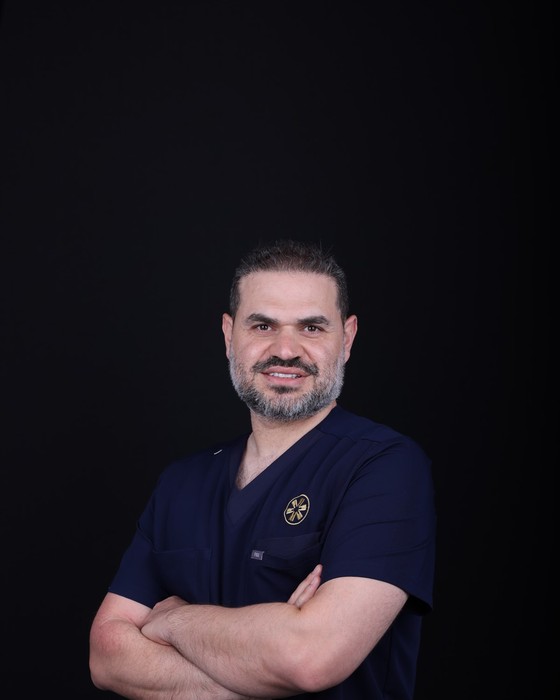
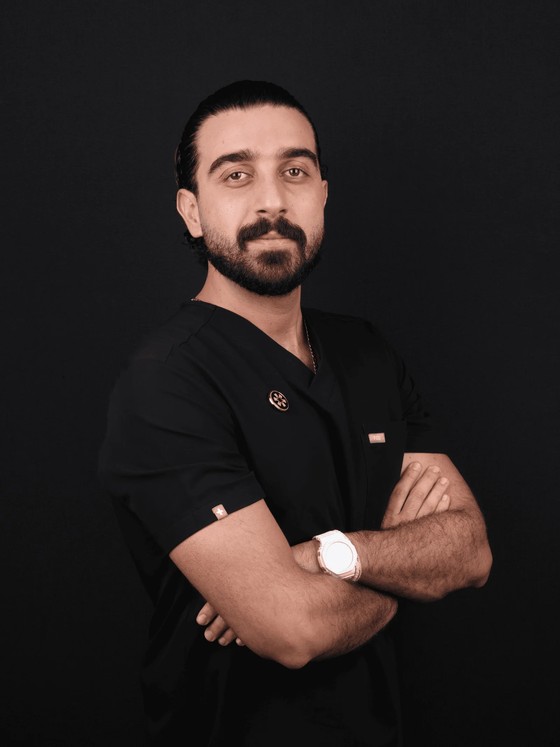
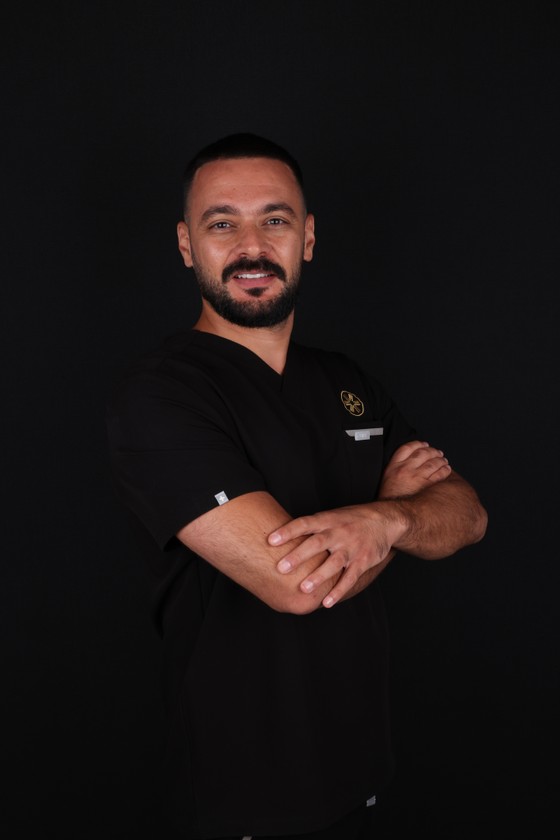
Dentists who carry out extractions and oral surgery

Extractions are planned by dentists who also place implants, so the extraction and the replacement are thought about as one plan.

Patient questions

Frequently asked questions

Does a tooth extraction hurt?

The extraction is done under local anaesthetic, so you feel pressure and pushing but should not feel sharp pain; tell the dentist straight away if you do. Afterwards, soreness for a few days is normal and is usually managed with over-the-counter pain relief. Surgical extractions are generally more uncomfortable afterwards than simple ones.

How long does it take to recover from a tooth extraction?

Most people are back to normal activities the next day after a simple extraction, with tenderness settling within a week. After a surgical extraction, swelling usually peaks at day 2–3 and eases over the following days. The gum closes over within a few weeks, while the bone underneath continues to heal for months.

What can I eat after an extraction?

Soft, cool or lukewarm food for the first day or two: yoghurt, soups that have cooled, eggs, mashed vegetables, pasta. Chew on the other side. Avoid very hot food and drinks, crunchy or seedy food and alcohol for the first few days, and don't use a straw.

When can I smoke after an extraction?

Ideally not at all during healing. Smoking, including vaping, and the suction of drawing on a cigarette raise the risk of dry socket and slow healing. If you cannot stop, avoid it for at least the first 48–72 hours and tell us beforehand so we can advise.

Should I replace an extracted tooth?

For most teeth, yes. A gap lets neighbouring teeth tilt and the opposite tooth drift, which can affect the bite over time. Options include an implant, a bridge or a removable denture. Wisdom teeth are the usual exception and do not need replacing. We discuss this before the extraction.

Can an implant be placed at the same time as the extraction?

Sometimes. Immediate implant placement is possible in selected cases where there is no active infection and enough bone. It depends on the case and is never assumed. More often, the socket heals first, with socket preservation if needed, and the implant is placed later.

I'm anxious about having a tooth out. What can help?

Tell us when you book. We explain each step before it happens, agree a stop signal, and allow extra time. Sedation for anxious patients can be discussed at the consultation. Our guide to dental anxiety explains the options.

What is dry socket and how do I avoid it?

Dry socket (alveolar osteitis) happens when the blood clot is lost from the socket, usually two to four days after an extraction, causing worsening pain that can spread to the ear and a bad taste. Avoid smoking, spitting forcefully and straws for the first days. It is treatable — contact the clinic rather than wait. See post-operative care.

Book a consultation

Request a consultation

Tell us what you would like to change. The clinic replies within working hours with an appointment time.

Book Your Consultation

Or call us +971 4 342 4444Or message us on WhatsApp

Talk to a dentist about your case

A consultation ends with a diagnosis and a written, itemised plan — not a sales pitch. Book online, message us on WhatsApp, or call the clinic.

Call +971 4 342 4444
CallWhatsApp