Children around seven
An early orthodontic assessment checks jaw growth and how adult teeth are coming in. Often the answer is simply to monitor.
Fixed braces and Invisalign clear aligners on Jumeira Street, planned and supervised by two specialist orthodontists, at a clinic open every day of the week — which matters when treatment means regular check-ups for a year or more.
The consultation includes an examination, records where needed and a written plan. Braces or aligners are never fitted at the first visit.
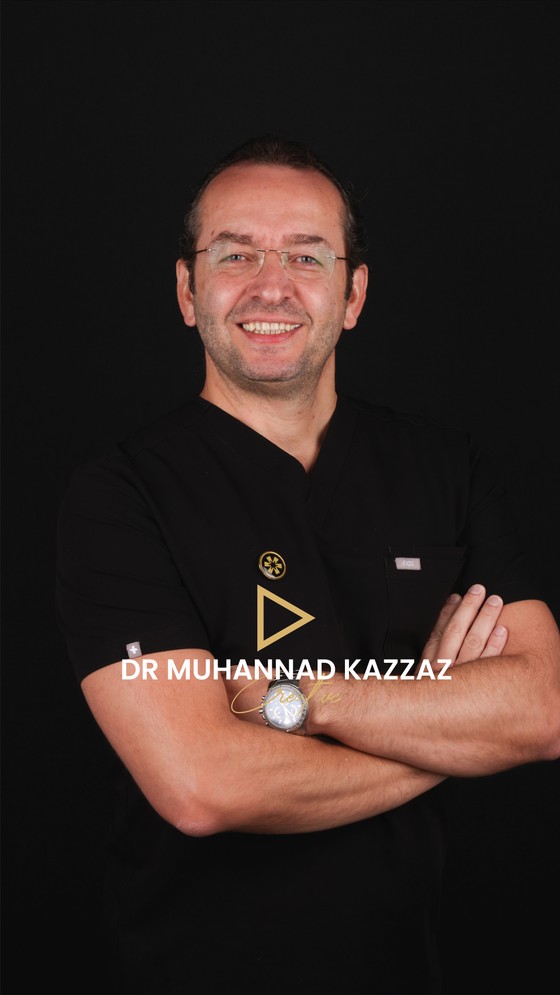
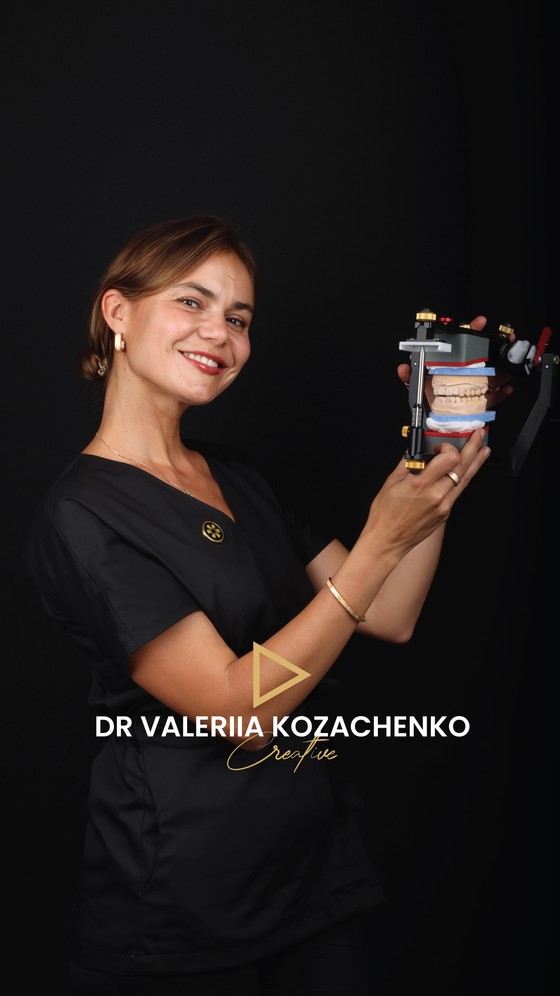
Yes. At Creative Arts Aesthetic & Dental Center, 614 Jumeira St, Jumeirah 3, Dubai, orthodontic treatment is provided by two specialist orthodontists, Dr. Muhannad Kazzaz and Dr. Valeriia Kozachenko. They treat teenagers and adults with fixed (metal) braces or Invisalign clear aligners after a diagnostic assessment, and see children for an orthodontic assessment from around age seven. The clinic is open every day, 10:00–20:00.
Treatment length and visit intervals vary with the bite and the appliance; your orthodontist gives you an estimate at the consultation.

Orthodontics is not one appointment but a rhythm of them. With braces, the wire is checked and adjusted at regular intervals, typically every 4–8 weeks, for the length of treatment. With Invisalign, you change aligners at home, but the orthodontist still reviews tracking, fit and attachments at planned check-ups. Missed or delayed reviews are one of the most common reasons treatment runs longer than estimated.
The appliance is chosen after diagnosis, not before. This is the sequence most patients follow.
Teeth, bite, jaw function and gums are examined; photographs, an intraoral 3D scan and X-rays are taken where needed.
Visit 1Your orthodontist explains what is causing the problem and which appliances could correct it — and when a jaw-surgery opinion would be needed.
PlanBrackets are bonded to the teeth, or aligners are issued with any attachments placed, with instructions for daily care.
StartAdjustments, aligner checks and progress records at the intervals your orthodontist sets.
DuringBraces are removed or the last aligners completed, and retainers are fitted to hold the result.
EndRetainers are reviewed over the following months; wearing them long-term is what keeps teeth in place.
AfterTeeth can move at any age, but the questions differ at each stage.
An early orthodontic assessment checks jaw growth and how adult teeth are coming in. Often the answer is simply to monitor.
Most comprehensive treatment starts once adult teeth are through. Braces or Invisalign for teens are chosen on the bite and on how reliably aligners will be worn.
Gum health is checked before teeth are moved. Adult orthodontics is often planned alongside crowns, implants or veneers.
If earlier treatment has relapsed, the previous result, retainers and bite are reviewed before any new plan is made.
Both appliances move teeth; they differ in how treatment fits into your week. The full clinical comparison is in our Invisalign vs braces guide.
| Fixed (metal) braces | Invisalign clear aligners | |
|---|---|---|
| Who adjusts the teeth | The orthodontist, at each review | You, by changing aligners as instructed |
| Clinic visits | Regular adjustments, typically every 4–8 weeks | Planned reviews of fit and tracking |
| Unplanned visits | A loose bracket or poking wire | A lost or broken aligner, or a missing attachment |
| Daily commitment | Careful cleaning around brackets; some foods avoided | Aligners worn most of the day and removed to eat |
Your orthodontist recommends the appliance that suits your bite; not every case can be treated equally well with both.
The clinic is on Jumeira Street in Jumeirah 3, within Umm Suqeim 1. Families come from Jumeirah 1–3, Umm Suqeim 1–3, Al Wasl, Al Safa and Al Manara, as well as from elsewhere in Dubai. Ask about parking when you book.
For a first visit, bring any previous orthodontic records, X-rays or retainers, and for a child, a parent or guardian should attend. Consultations are held in English and Arabic. If you are comparing clinics, our guide on how to choose an orthodontist lists the questions worth asking, and once treatment is finished, read about retainers after braces. Brothers and sisters who need check-ups can see our family dentists in the same clinic.
Dr. Muhannad Kazzaz focuses on complex and adult cases and reviews of previous treatment; Dr. Valeriia Kozachenko on fixed and clear aligner orthodontics with a focus on TMJ and jaw function.
Braces are typically adjusted every 4–8 weeks, depending on the stage of treatment and the wires being used. Each review checks progress, changes or adjusts the wire and looks at gum health. Keeping these appointments matters, because delayed reviews can make treatment longer. The Jumeirah clinic is open every day, which makes regular visits easier to schedule.
Yes. Both fixed (metal) braces and Invisalign clear aligners are provided by the specialist orthodontists at the Jumeirah clinic. Which one is recommended depends on the bite, the type of tooth movement needed and how consistently aligners would be worn. Some cases can be treated well with either; others are better suited to one.
An orthodontic assessment around age seven is a sensible first check, because jaw growth and the arrival of adult teeth can be judged at that age. Most children simply need monitoring; the assessment decides whether and when treatment would help. Comprehensive braces or aligners usually start once most adult teeth have come through.
Yes. Teeth move at any age, and many patients at the clinic are adults. Gum health and existing crowns, implants or missing teeth are assessed first, because they affect how teeth can be moved. Adults choose between fixed braces and Invisalign with their orthodontist, and treatment is sometimes combined with restorative work afterwards.
Contact the clinic during opening hours, 10:00–20:00 daily, and describe the problem; a loose bracket is rarely urgent, and a time is arranged as the schedule allows. Meanwhile, orthodontic wax over a sharp wire or bracket keeps you comfortable. Do not cut wires yourself unless advised, and keep any loose bracket to bring with you.
Often, yes. Relapse usually happens when retainers are not worn or have broken. Dr. Muhannad Kazzaz reviews previous treatment: how much the teeth have moved, the condition of the gums and the bite. Minor relapse may be corrected with a short course of aligners or braces; a new retention plan is part of any retreatment.
Check that treatment is planned and supervised by a specialist orthodontist, that a full diagnosis with records comes before any appliance is chosen, that both braces and aligners are explained honestly, and that the plan includes retention. Ask how often reviews happen and how easy they will be to attend from where you live or work.
We do not publish a single figure, because the cost depends on the appliance, the complexity and length of treatment, any auxiliaries such as elastics or anchorage devices, and the retainers needed afterwards. You receive a written, itemised plan after the consultation. Our braces cost guide explains what changes a quote.
Tell us what you would like to change. The clinic replies within working hours with an appointment time.
Or call us +971 4 342 4444Or message us on WhatsApp
A consultation ends with a diagnosis and a written, itemised plan — not a sales pitch. Book online, message us on WhatsApp, or call the clinic.