
Wisdom teeth: what people ask before having them out
Straight answers to the questions people search about painful, impacted and partly erupted wisdom teeth, the surgery and the recovery. Written by the Creative Arts oral surgery team in Jumeirah, Dubai.
- 33 questions answered
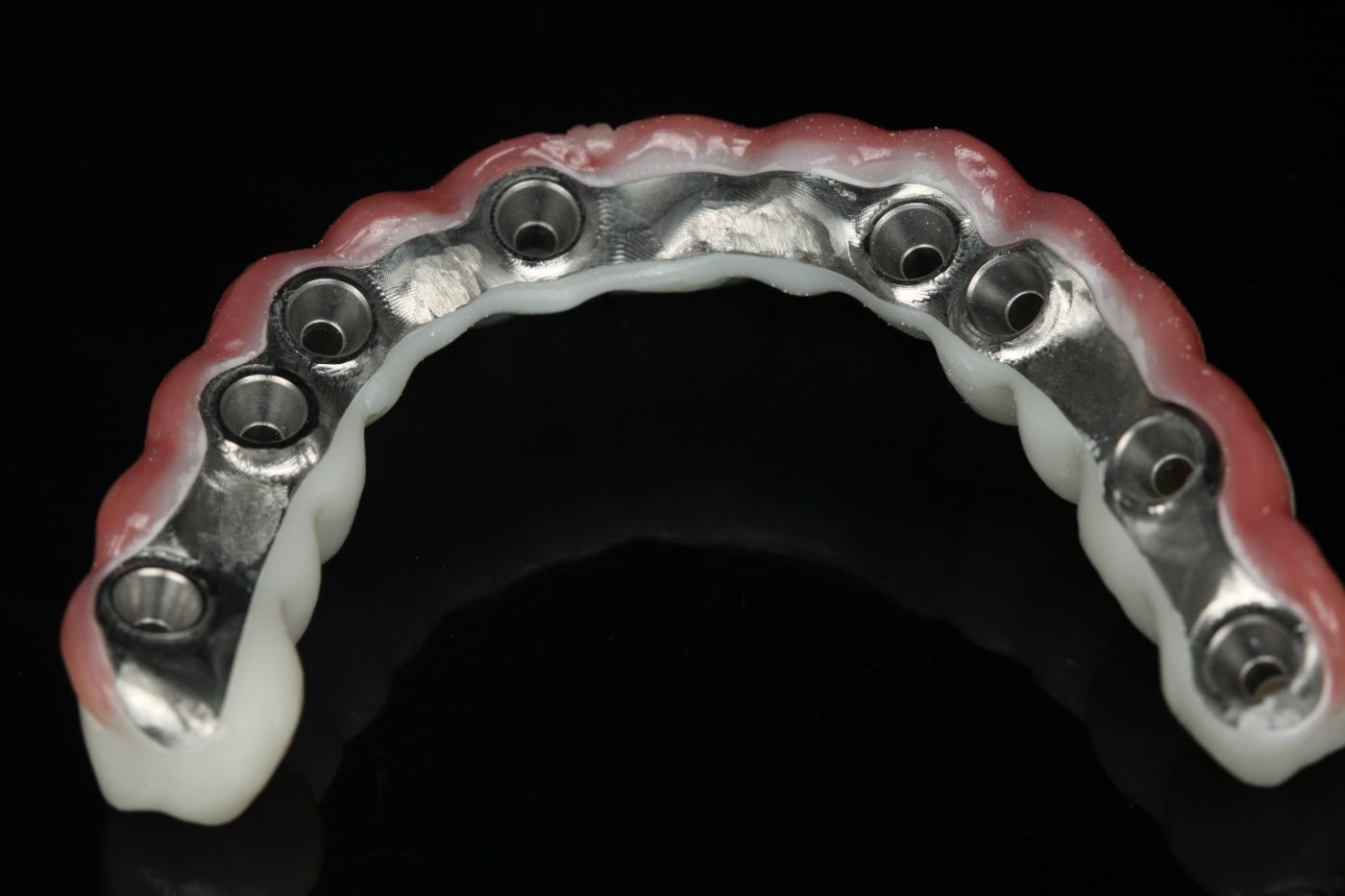
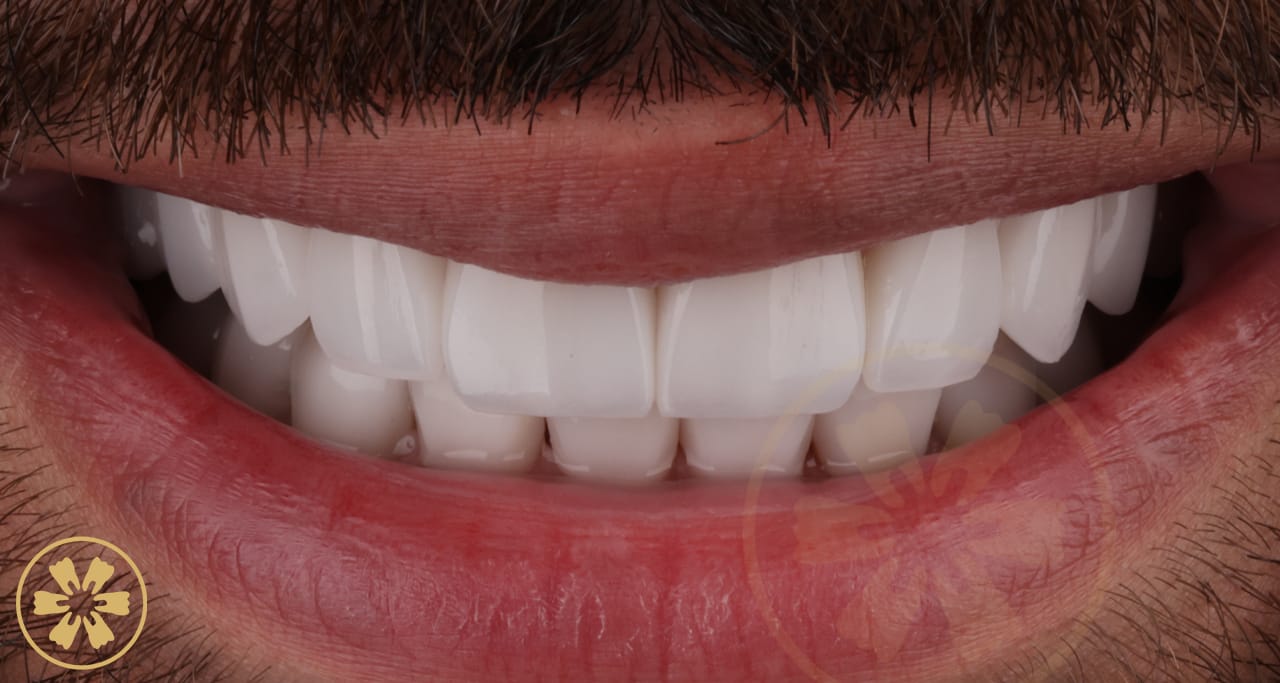
Smiles made at Creative Arts
Designed in the clinic and made by hand in Creative Art Dental Lab, in the same building in Jumeirah, Dubai.




Do my wisdom teeth really need to come out?
Why does my wisdom tooth hurt when it is coming through?
Most wisdom tooth pain comes from the flap of gum over a partly erupted tooth, which traps food and bacteria and becomes inflamed; this is called pericoronitis. The pain can spread to the jaw, ear or throat and make it hard to open your mouth. Decay in the wisdom tooth or the molar in front can also cause pain, so an examination and X-ray show which it is. Read the full page
What does it actually mean when a wisdom tooth is impacted?
An impacted wisdom tooth is one that cannot come fully into position because there is not enough room or it is growing at an angle, so it stays partly or completely under the gum or bone. Some impacted teeth cause no trouble for years; others lead to repeated gum infections, decay in the neighbouring molar or, less often, a cyst. An X-ray or 3D scan shows its position. Read the full page
Should I take out a wisdom tooth that has never given me problems?
Not automatically. A wisdom tooth that has come through fully, is healthy and can be cleaned properly can often stay, with check-ups and X-rays from time to time. Removal is usually advised when there are repeated infections, decay that cannot be repaired, damage to the tooth in front, gum disease around it or a cyst. The dentist explains the reasons for your case. Read the full page
Can wisdom tooth pain settle without an extraction?
A flare-up often settles within a few days with careful cleaning under the gum flap, warm salt-water rinses, pain relief and, if there are signs of spreading infection, antibiotics prescribed by a dentist. But if the tooth stays partly covered, the infection tends to come back. When flare-ups repeat, removing the tooth is usually the more lasting solution. Read the full page
How can I tell if it is my wisdom tooth or another molar that hurts?
Wisdom tooth pain is usually felt right at the back, behind the last molar, often with a swollen gum flap, a bad taste, pain when opening wide or soreness spreading to the ear or throat. But the molar in front can be decayed by a wisdom tooth leaning against it, and the pain can feel similar. Only an examination and an X-ray show which tooth is the cause. Read the full page
Can taking out a lower wisdom tooth damage the nerve in my jaw?
It can, because the roots of lower wisdom teeth sometimes lie close to the nerve that gives feeling to the lip and chin. If the nerve is irritated, the lip or chin can feel numb or tingly for a while; this is usually temporary, and lasting numbness is uncommon. A 3D CBCT scan shows how close the roots are, so the surgeon can plan the safest approach and explain your risk. Read the full page
Will having my wisdom teeth out make my face look slimmer?
No, removing wisdom teeth does not change your face shape or slim your jawline in any lasting way. The face may look fuller for a few days because of swelling, then returns to how it was. Wisdom teeth sit inside the jaw bone and are not what gives the face its width. They should only be removed for a dental reason. Read the full page
Which kind of extraction and which sedation?
What is the difference between a simple and a surgical wisdom tooth extraction?
A simple extraction removes a tooth that has fully come through, using instruments to loosen and lift it out under local anaesthetic. A surgical extraction is needed when the tooth is under the gum or bone: the gum is opened, some bone may be removed and the tooth is often divided into pieces before being taken out, and the gum is closed with stitches. The X-ray decides which one you need. Read the full page
Do I need a 3D scan before my wisdom tooth is removed?
Not always. An ordinary dental X-ray is usually enough for an upper wisdom tooth or one that has fully come through. A 3D CBCT scan is useful when a lower tooth is deeply impacted or its roots appear close to the nerve, because it shows the exact position in three dimensions. Creative Arts uses CBCT for surgical planning when the case calls for it. Read the full page
Is it better to have all four wisdom teeth out at once or one side at a time?
Both are reasonable. Removing them together means one appointment and one recovery, which many people prefer, especially with sedation. Doing one side at a time lets you chew on the other side while you heal. The choice depends on how many teeth actually need removing, how difficult they are, your health and your schedule. Read the full page
Laughing gas, sedation tablet or IV: which suits wisdom tooth removal?
Laughing gas gives light relaxation and wears off quickly. A sedation tablet gives deeper calm and needs an adult to take you home. IV sedation is the deepest level of conscious sedation and can be adjusted during the procedure; you will need to fast and have an escort. All three are used together with local anaesthetic, chosen after a medical-history review and given and monitored by a licensed clinician. Read the full page
Can I be fully put to sleep for wisdom teeth removal in Dubai?
General anaesthesia is not given at Creative Arts. When a patient truly needs it, for example for very extensive surgery or medical reasons, Dr. Firas Osman or the treating dentist assesses, plans and refers, and it takes place in a hospital. Most wisdom teeth are removed under local anaesthetic, with or without IV sedation, which leaves you very relaxed and often with little memory of the procedure. Read the full page
Is IV sedation safe for having wisdom teeth out?
For most healthy adults, IV sedation is considered safe when it is chosen after a full medical-history review and given and monitored by a qualified, licensed clinician throughout. You will be asked to fast beforehand and to bring an adult to take you home. It may not be suitable with some heart or lung conditions, during pregnancy or with certain medicines, which is why the assessment comes first. Read the full page
Can a decayed wisdom tooth be filled instead of taken out?
Sometimes. If the wisdom tooth has fully come through, is useful for chewing and you can reach it with a toothbrush, decay can be treated with a filling, and occasionally root canal treatment. If it is partly covered by gum, hard to clean or keeps getting infected, removing it is usually the more predictable choice. The dentist explains both options before you decide. Read the full page
How much does it cost and where can I have it done in Dubai?
What makes wisdom tooth removal more or less expensive in Dubai?
The main factors are whether the tooth has come through or is impacted in bone, upper or lower jaw, how many teeth are removed, whether a 3D scan is needed, the type of sedation and the follow-up visits. Because these differ so much, Creative Arts prices wisdom tooth removal in your written, itemised plan after a free first consultation, rather than quoting one figure. Read the full page
Is sedation charged separately from the wisdom tooth extraction?
Usually yes. Sedation is listed as its own item in the written plan, and its cost depends on the type, laughing gas, oral or IV, and how long the procedure takes. Local anaesthetic is part of the extraction itself. You can choose local anaesthetic alone if you are comfortable, and the plan shows both options so you can compare. Read the full page
Where in Dubai can I have wisdom tooth surgery with sedation?
Creative Arts in Jumeirah 3 has operating rooms used for surgical extractions, wisdom teeth, cysts and biopsies under local anaesthetic, with or without laughing gas, oral or IV sedation. The clinic is at 614 Jumeira St, Umm Suqeim 1, and is open daily from 10:00 to 20:00. You can send your X-ray or a photo on WhatsApp at +971 56 677 7537 before booking. Read the full page
Can I get my wisdom teeth removed while I am visiting Dubai?
It is possible, but plan it carefully. Have a consultation first, ideally sending a recent X-ray on WhatsApp beforehand, and allow several days after surgery for the review and before flying. Swelling usually peaks on the second or third day, so avoid booking the extraction at the very end of your trip. Bring a list of your medicines and medical conditions. Read the full page
How do I compare two quotes for having my wisdom teeth out?
Check that both quotes describe the same thing: simple or surgical extraction, how many teeth, whether a 3D scan is included, the type of sedation, stitches, medicines and the review visit. Ask who will perform the surgery and what happens if there is a complication such as dry socket. A written, itemised quote makes the comparison fair. Read the full page
Your smile, planned with a dentist — before you decide
Tell us what you would like to change. A dentist reviews it, and you receive a written plan with prices before any treatment.
- First consultation free
- Free photo assessment on WhatsApp
- A written, itemised plan with prices before any treatment
Get your free treatment plan
Tell us what you would like to change. We reply on WhatsApp or by phone during opening hours.
- First consultation free
- Free photo assessment on WhatsApp
Prefer to chat? Send a photo on WhatsApp
Who does the surgery, and can I trust them?
Which dentist removes wisdom teeth at Creative Arts?
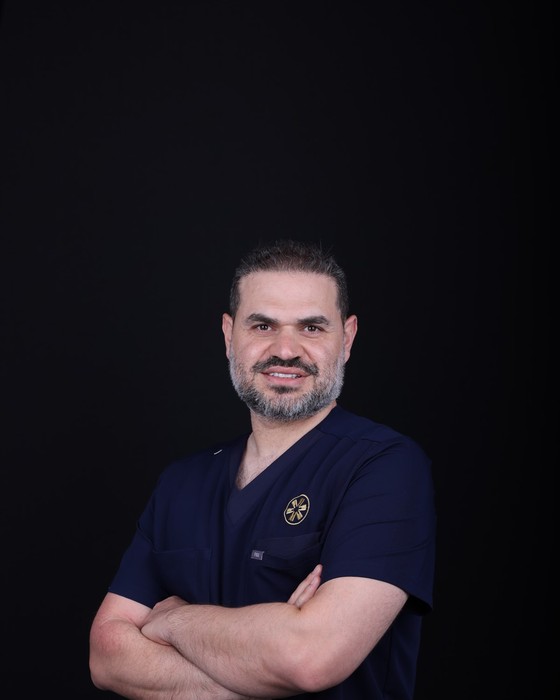
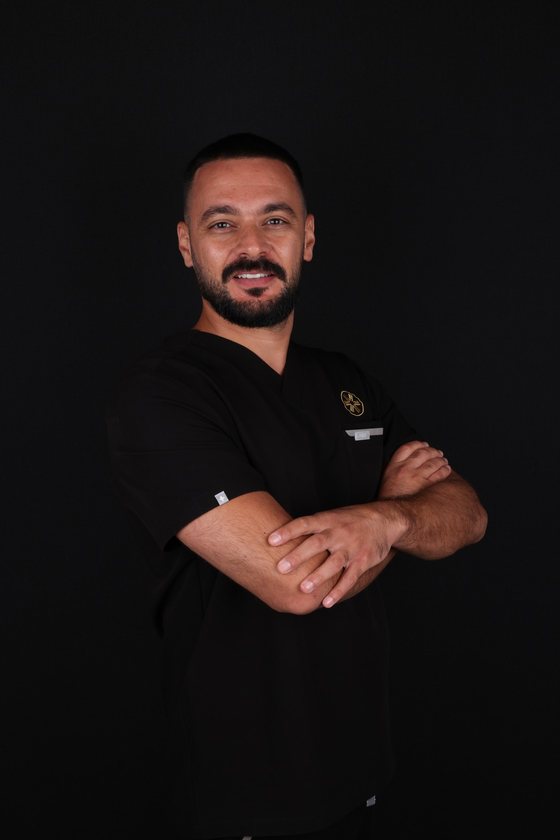
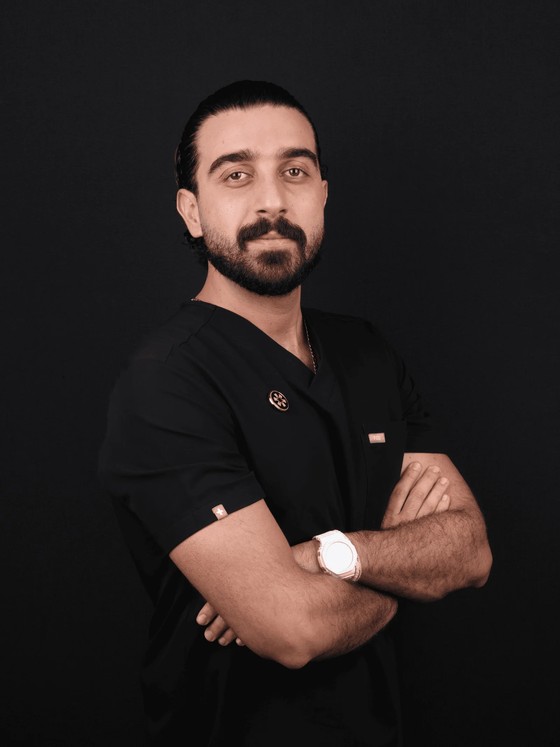
Impacted and complex wisdom teeth are handled by Dr. Firas Osman, Oral & Maxillofacial Surgeon & Implantologist, who speaks Arabic, Russian and English. Dr. Khalid Saeed, Dr. Kinan Bonni and Dr. Somar Dahdal also carry out extractions and oral surgery. Each dentist's licence can be checked on the DHA Sheryan register, and the clinic is rated 4.8 on Google from 238 reviews. Read the full page
Do I need an oral surgeon for my wisdom tooth, or can a regular dentist do it?
A wisdom tooth that has fully come through is often removed by a general dentist as a simple extraction. A tooth that is deeply impacted, lying close to the nerve, fused to bone or associated with a cyst is better managed by an oral and maxillofacial surgeon. The X-ray or 3D scan usually makes the decision clear at the consultation. Read the full page
What questions should I ask before agreeing to wisdom tooth surgery?
Ask why the tooth needs to come out and what happens if you leave it, how close it is to the nerve, which anaesthetic or sedation is suggested, how long recovery usually takes, who will do the surgery, and the full cost in writing. Also ask who to contact if you have a problem afterwards and when the review appointment is. Read the full page
During the surgery and recovery
How long does the actual wisdom tooth removal take?
A simple extraction of a tooth that has come through often takes only a few minutes once the area is numb. A surgical extraction of an impacted tooth takes longer, and the whole appointment, including numbing and stitches, is usually under an hour per tooth, depending on the case. With sedation, allow extra time to settle before and to recover afterwards. Read the full page
How swollen will my face be after wisdom tooth surgery?
Some swelling is normal after a surgical extraction; it usually peaks on the second or third day and then settles over about a week. Bruising on the cheek can appear too. Use a cold compress on and off for the first 24 to 48 hours and sleep with your head raised. Swelling that keeps increasing after day three, or comes with fever, should be checked. Read the full page
What are the warning signs of dry socket after a wisdom tooth extraction?
Dry socket typically shows up two to four days after the extraction as pain that gets worse instead of better, often spreading to the ear, with an empty-looking socket and a bad taste or smell. It is not a dangerous infection, but it is painful. Contact the clinic; the dentist gently cleans the socket and places a soothing dressing, which usually relieves the pain quickly. Read the full page
How do I lower the chance of getting dry socket?
Protect the blood clot in the first days. Do not smoke or vape, avoid straws, do not rinse or spit forcefully in the first 24 hours, and avoid poking the socket with your tongue or fingers. After the first day, gentle warm salt-water rinses help keep it clean if your dentist advises them. Follow the written aftercare you are given. Read the full page
What can I eat in the first few days after wisdom teeth surgery?
Start with soft, cool or lukewarm foods such as yoghurt, smooth soups, scrambled eggs, mashed potatoes, hummus and soft rice, and chew on the other side. Avoid very hot, spicy, crunchy and small hard foods like nuts and seeds, which can lodge in the socket. Most people return gradually to a normal diet over about a week. Read the full page
Will I need to take time off work after having a wisdom tooth out?
After a simple extraction many people go back to desk work the next day. After a surgical extraction, plan for two to three days of rest, and longer if your job is physical. If you had oral or IV sedation, do not work, drive or sign important documents for the rest of that day. Avoid heavy exercise for a few days. Read the full page
When do the stitches come out after wisdom tooth surgery?
Many surgeons use dissolving stitches, which usually fall out on their own within one to two weeks. If non-dissolving stitches are used, they are removed at the review appointment, typically about a week after surgery. You can brush the other teeth normally and clean near the stitches gently as your aftercare sheet describes. Read the full page
Fear of the dentist, other oral surgery and special situations
I am terrified of dentists, can I still get my wisdom teeth removed?
Yes. Tell the team about your fear at the start; you can have a consultation with no treatment, ask every question and agree on a stop signal. Sedation options, laughing gas, a sedation tablet or IV sedation, can be chosen after a medical-history review. Many nervous patients find that knowing exactly what will happen is what helps most. Read the full page
What is a cyst in the jaw and how would I know I have one?
A jaw cyst is a fluid-filled sac in the bone, and one of the common places for it to form is around an impacted wisdom tooth. Most cause no symptoms and are found on a routine X-ray, though a large one can cause swelling or loosen teeth. It is removed surgically, and the tissue is sent to a laboratory for analysis to confirm what it is. Read the full page
Why would a dentist want to take a biopsy from inside my mouth?
A biopsy is suggested when a sore, white or red patch or lump in the mouth does not heal within about two weeks, or looks unusual. A small piece of tissue is removed under local anaesthetic and examined in a laboratory. Many such changes turn out to be harmless, but only the lab result can tell, so it is worth having it checked rather than waiting. Read the full page
Is it a good idea to have wisdom tooth surgery during Ramadan?
Many patients prefer to plan it after Ramadan or on a day they are not fasting, because you need fluids, soft food and possibly pain relief in the first hours after surgery, and sedation requires its own fasting rules. If the tooth is infected or very painful, it should not wait. Whether a local anaesthetic injection affects the fast is a question for your scholar. Read the full page
Dr. Arwaa · WhatsApp