A tear in the sinus lining
The most common problem during surgery. A small tear is usually repaired on the spot with a membrane; a larger one may mean trying again after healing.
When the upper back jaw is too shallow for an implant, the sinus floor can be raised and the space filled with graft material. Your CBCT scan decides whether you need it, and which approach.
The first visit is an examination and CBCT review. You receive a written plan, including any option that avoids grafting, before anything is booked.
A sinus lift (sinus floor augmentation) adds bone height in the upper back jaw so an implant can be placed where the maxillary sinus has left too little bone. The sinus lining is gently raised and graft material placed beneath it, either through the implant site (crestal approach) or through a small window in the side of the jaw (lateral approach). At Creative Arts in Dubai, the need and the approach are decided from a CBCT 3D scan.
Typical ranges. Your scan, your health and whether you smoke change them; your surgeon gives you a timeline for your case.
The roots of the upper premolars and molars sit just below the maxillary sinus, an air space inside the cheekbone. When those teeth are lost, the ridge shrinks from below and the sinus floor tends to drop into the space the roots occupied. Years after an extraction, a ridge that looks healthy may have only a few millimetres of bone under the sinus. Bone here is also softer than in the lower jaw, so an implant needs enough height to be held firmly while it integrates.
A flat X-ray cannot show this reliably. A CBCT 3D scan measures bone height and width, the sinus lining, any bony walls (septa) inside the sinus and signs of inflammation. If the sinus itself looks unhealthy, that is treated first. For when grafting is genuinely needed, read our guide to bone grafting and sinus lifts.
Both raise the sinus lining and add bone beneath it. They differ in how the sinus floor is reached and how much height they can add.
| Crestal (internal) lift | Lateral window lift | |
|---|---|---|
| Access | Through the opening prepared for the implant, from the top of the ridge | Through a small window in the side wall of the sinus, under a gum flap |
| Typical use | A modest gain in height where a reasonable amount of bone remains | A larger gain where the bone under the sinus is thin |
| Graft material | A small amount, and in some cases none | Graft packed under the raised lining, usually covered with a membrane |
| Implant timing | Usually placed in the same surgery | Same surgery if the remaining bone holds the implant steady; otherwise months later |
| Swelling and bruising | Usually similar to a routine implant | Usually more, settling over one to two weeks |
| Comfort options | Local anaesthesia is often enough | Local anaesthesia; sedation is often discussed because the surgery takes longer |
General patterns. The anatomy of your sinus, the remaining bone and the number of teeth replaced decide the approach.
A sinus lift is chosen when the scan shows it is needed, not added to every upper implant.
The stages are the same whichever approach is used; the waiting time in the middle is what changes.
Medical history, gum health and a scan of the bone and sinus. Options, including any that avoid grafting, go into a written, itemised plan.
Visit 1Implant positions are planned on the scan and the approach chosen. Sedation, if wanted, is agreed after a medical-history review.
Before surgeryUnder local anaesthesia the lining is raised and graft placed beneath it, with the implant in the same sitting where the bone allows.
SurgerySinus precautions protect the graft; stitches are checked at one to two weeks. Over the following months the graft is replaced by your own bone.
Weeks to monthsA scan confirms the bone. The implant is placed if it was staged, and the crown is made in Creative Art Dental Lab, in the same building.
After healingMost sinus lifts heal without problems. These are the complications worth understanding first.
The most common problem during surgery. A small tear is usually repaired on the spot with a membrane; a larger one may mean trying again after healing.
Some stuffiness and a little blood from the nose are common at first. Building pain, fever or foul-smelling discharge needs a review.
Smoking, infection or pressure on the site can cost part of the graft. The scan before implant placement checks the bone that formed.
Smoking, uncontrolled diabetes and chronic sinus problems raise the risk, so they are managed before surgery where possible.
For the first one to two weeks, or as long as your surgeon advises: do not blow your nose, sneeze with your mouth open, avoid straws and smoking, and do not fly, dive or lift heavy weights until cleared. Visiting Dubai for treatment? Plan your return flight before booking surgery. The bone graft and sinus lift recovery guide covers healing day by day.
A sinus lift is priced as part of the whole implant plan. The dental implant cost guide explains the implant side.
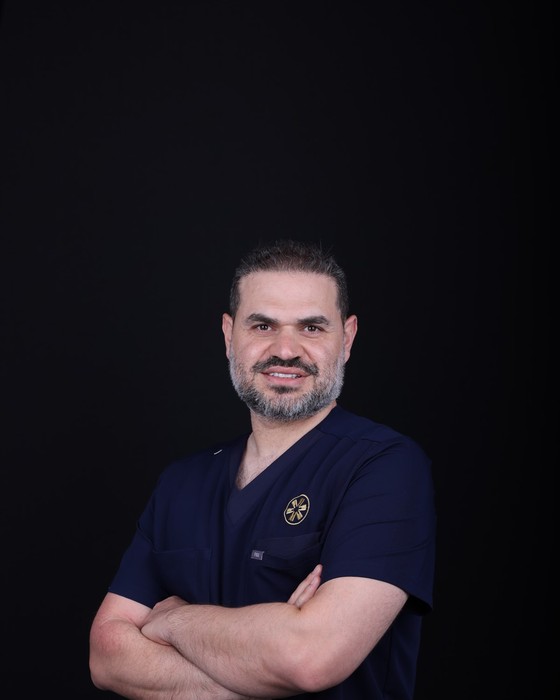
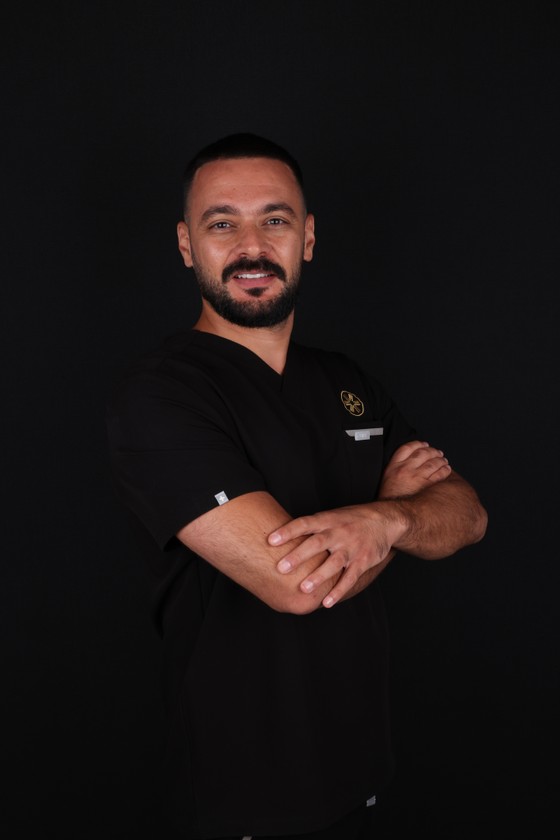
Dr. Firas Osman, Oral & Maxillofacial Surgeon & Implantologist, assesses and performs sinus lift surgery. Dr. Khalid Saeed and Dr. Kinan Bonni plan and place implants and may carry out routine graft work alongside them. See all our oral and maxillofacial surgery services.
The surgery is done under local anaesthesia, so the area is numb, and sedation can be added if you are anxious or the procedure is long. Afterwards most people have swelling, pressure in the cheek and sometimes bruising, usually managed with over-the-counter pain relief. A lateral lift tends to cause more swelling than a crestal lift.
With a crestal lift the implant usually goes in during the same surgery. With a lateral lift it is placed at the same time if the remaining bone holds it steady; otherwise the graft heals for several months first. The implant then needs time to integrate before the final crown.
No. A sinus lift does not treat the sinus. It lifts the lining away from the sinus floor and adds bone underneath, inside the jaw. Sinus inflammation is looked for on the CBCT beforehand and, if present, treated first, sometimes by an ENT doctor.
Sometimes. If the scan shows enough bone for a shorter implant, or implants can be tilted to avoid the sinus as in a full-arch plan, a lift may not be needed. Ask to see the measurements on your CBCT and whether a no-graft option exists for you.
Often yes, once the sinus is healthy. Seasonal congestion is usually controlled before surgery so you are less likely to sneeze or blow your nose while healing. Chronic sinusitis, polyps or blocked sinus drainage need treatment and clearance first.
Cabin pressure changes can disturb a healing sinus lining, so flying is usually avoided until your surgeon clears you, often at least the first one to two weeks. If you are travelling for treatment, agree the surgery date and your return flight together at the planning stage.
Tell us what you would like to change. The clinic replies within working hours with an appointment time.
Or call us +971 4 342 4444Or message us on WhatsApp
A consultation ends with a diagnosis and a written, itemised plan — not a sales pitch. Book online, message us on WhatsApp, or call the clinic.