
Gums: what people ask about bleeding, receding and gum disease
This page answers the questions people really type about bleeding and receding gums, gum disease, loose teeth, bad breath and gum contouring. The answers come from the Creative Arts dental team in Jumeirah, Dubai.
- 33 questions answered
Smiles made at Creative Arts
Designed in the clinic and made by hand in Creative Art Dental Lab, in the same building in Jumeirah, Dubai.




Are my gums healthy, or is it gum disease?
Is it normal for gums to bleed when I start flossing again?
Some bleeding in the first days of flossing is common, but it is a sign of inflamed gums, not of flossing too hard. Healthy gums do not bleed. If you floss gently every day, bleeding from simple gingivitis usually settles within one to two weeks. If it carries on longer, or your gums are swollen or sore, book a check-up and cleaning. Read the full page
How can I tell whether I have gingivitis or periodontitis?
Gingivitis affects only the gum and is reversible: red, puffy gums that bleed, with no loss of bone. Periodontitis means the infection has damaged the bone and fibres holding the teeth, creating pockets, recession or loosening. You cannot tell them apart in the mirror. A dentist measures the pockets around each tooth and checks X-rays to find out which one you have. Read the full page
Can gum disease be cured, or only controlled?
Gingivitis can be cured completely with a professional clean and good daily brushing and flossing. Periodontitis can be stopped and kept stable, but lost bone does not usually grow back by itself, so it is managed for life with home care and regular maintenance cleanings. Starting treatment early protects more of the support around your teeth. Read the full page
Why are my gums receding when I am still young?
In younger adults recession is often caused by brushing too hard with a firm brush, thin gum tissue, teeth that sit far forward in the bone, grinding, past orthodontic movement or a lip or cheek attachment that pulls on the gum. Gum disease and smoking also play a part. A dentist can find the cause and suggest gentler brushing, monitoring or a gum graft. Read the full page
My dentist said I have 5 mm pockets. What does that mean?
A pocket is the space between the gum and the tooth. Healthy gums measure about 1–3 mm. Readings of 4–5 mm usually mean early to moderate gum disease where bacteria are living below the gumline, and 6 mm or more suggests more advanced loss of support. Deeper pockets usually need deep cleaning, then re-measuring after several weeks. Read the full page
Why is the gum swollen around just one tooth?
Swelling at one tooth is often caused by trapped food such as a popcorn husk, a deep gum pocket, a partly erupted wisdom tooth or an abscess from the tooth's nerve. Rinse with warm salt water and floss gently around it. If the swelling lasts more than two or three days, is painful or comes with a bad taste, have it examined. Read the full page
Can my gums be the reason for my bad breath?
Yes, and they are one of the most common causes. Bacteria in gum pockets and on the back of the tongue release sulphur compounds that smell. Dry mouth, decay, food trapped under old fillings or crowns, and some sinus or stomach conditions are other causes. Treating gum disease and cleaning the tongue daily often improves breath noticeably. Read the full page
Which gum treatment do I need?
Is deep cleaning the same as a normal scale and polish?
No. A normal cleaning removes plaque and tartar above and just under the gumline. Deep cleaning, also called root planing or root surface debridement, cleans down inside the gum pockets and smooths the root surfaces so the gum can reattach. It is done under local anaesthetic and is treatment for periodontitis, whereas a routine clean is prevention. Read the full page
Will receded gum ever come back without surgery?
No. Once gum tissue has receded it does not grow back naturally, but you can usually stop it getting worse by brushing gently with a soft brush and treating any gum disease. Where the root is exposed, sensitive or the recession keeps progressing, a gum graft can cover part of the root. A bonded filling can protect a notch at the gumline. Read the full page
When is gum surgery needed instead of deep cleaning?
Surgery is considered only when deep pockets remain after deep cleaning and good home care, usually at 6 mm or more, or where bone has an awkward shape that brushes and instruments cannot reach. Flap surgery lets the dentist clean the roots directly and reshape the bone. Most people with gum disease are managed without surgery. Read the full page
What does laser gum treatment actually do?
A dental laser can remove inflamed tissue lining a gum pocket and reduce bacteria, and it seals small blood vessels so there is often less bleeding. It is used alongside deep cleaning, not as a replacement for removing tartar from the roots. Creative Arts uses a dental laser for gum treatment and soft-tissue work; your dentist will say whether it adds anything in your case. Read the full page
Can a tooth that is loose from gum disease be firmed up again?
Often it can improve. Once the infection is treated and the gum inflammation settles, a slightly loose tooth may tighten noticeably. Teeth that have lost a lot of bone can be splinted to their neighbours, and the bite can be adjusted to take pressure off them. A tooth with very little support left may need removal and replacement. Read the full page
What is laser gum contouring and who is it for?
Laser gum contouring removes a small amount of excess gum to make teeth look longer or to even out an uneven gumline. It suits healthy gums that cover too much of the teeth. It is done under local anaesthetic and the gum usually heals within about one to two weeks. It is not suitable when the gums are inflamed; those need treating first. Read the full page
How is a gummy smile fixed?
It depends on the cause. If extra gum covers the teeth, gum contouring or crown lengthening can expose more tooth. If the upper lip lifts very high or the upper jaw has grown downwards, gum work alone will not solve it, and orthodontics or, rarely, jaw surgery in a hospital may be discussed. A dentist checks the gum, lip and bone before recommending anything. Read the full page
Does GBT cleaning help with gum disease?
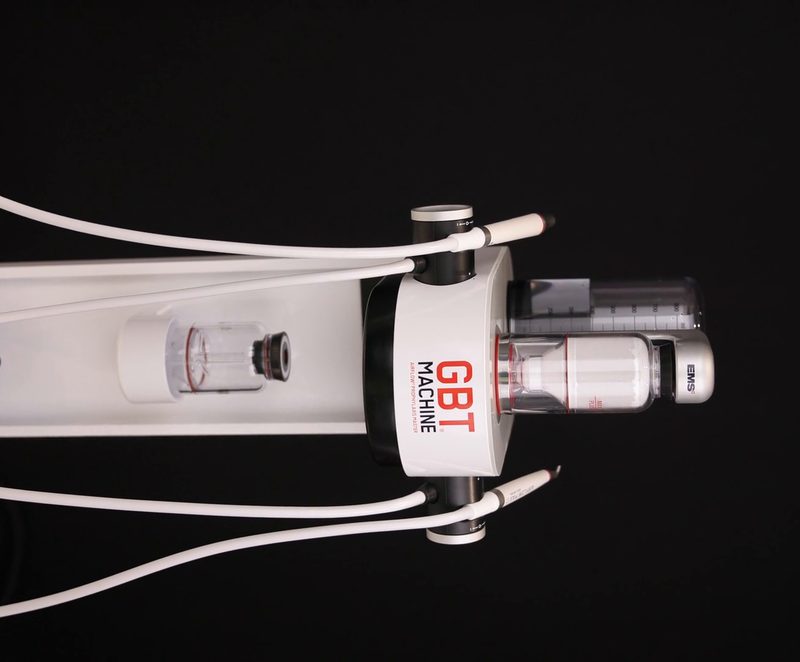
Guided Biofilm Therapy removes plaque and stains with warm air, water and a fine powder, then removes remaining hard tartar with a thin ultrasonic tip. It is gentle on gums and useful both before deep cleaning and for maintenance visits afterwards. It does not replace deep cleaning of infected pockets, but it is an effective way to keep treated gums stable. Read the full page
How much is gum treatment in Dubai, and where?
How much does gum disease treatment cost in Dubai?
It varies with how many teeth have deep pockets, whether laser or surgery is needed and how many maintenance visits follow. At Creative Arts gum treatment is priced in your written, itemised plan after a free first consultation. The plan lists each stage, from deep cleaning to review appointments, so you know the full cost before you begin. Read the full page
What affects the price of laser gum contouring?
The main factors are how many teeth are involved, whether only gum is reshaped or bone also needs adjusting as in crown lengthening, and whether it is combined with veneers or crowns. Contouring a few front teeth is a much smaller procedure than a full smile line. Your price is set out in a written plan after the examination. Read the full page
Why do deep cleaning quotes differ between clinics?
Some clinics quote per quarter of the mouth, others per tooth or per visit, and some include pocket charting, X-rays and the review appointment while others do not. Laser use and maintenance cleanings also change the total. Ask for an itemised plan that shows what is cleaned, how many visits and when your gums will be re-measured. Read the full page
Can I book gum treatment directly, without a referral?
Yes. You can book an examination at Creative Arts directly by calling +971 4 342 4444 or sending a WhatsApp message to +971 56 677 7537. The first consultation is free, and the dentist will measure your gums and explain your options. If your case needs a specialist periodontist, they will tell you and explain the next step. Read the full page
Where can I have my gums checked in Jumeirah?
Creative Arts is at 614 Jumeira St, Jumeirah 3, Umm Suqeim 1, Dubai, and is open every day from 10:00 to 20:00. A gum check measures the pockets around every tooth and looks for bleeding, recession and loose teeth. Patients also come from other emirates; the clinic is only in Dubai. Read the full page
Your smile, planned with a dentist — before you decide
Tell us what you would like to change. A dentist reviews it, and you receive a written plan with prices before any treatment.
- First consultation free
- Free photo assessment on WhatsApp
- A written, itemised plan with prices before any treatment
Get your free treatment plan
Tell us what you would like to change. We reply on WhatsApp or by phone during opening hours.
- First consultation free
- Free photo assessment on WhatsApp
Prefer to chat? Send a photo on WhatsApp
Who treats my gums, and can I trust the clinic?
Which dentists treat gum problems at Creative Arts?
Gum treatment at Creative Arts is led by Dr. Taban Ameen, whose work covers laser and cosmetic dentistry, gum treatment and whitening, and Dr. Iuliia Savitskaia, who provides general care including gum checks and treatment. You can read their profiles and check their Dubai Health Authority licences in the DHA Sheryan directory before you book. Read the full page
How will I know if my gum treatment has worked?
Your dentist re-measures the pockets, usually six to eight weeks after deep cleaning, and compares them with the first chart. Less bleeding, shallower pockets and firmer gums show the treatment is working. Any areas that are still deep may need further cleaning or a different approach. Ask for a copy of both charts so you can see the change. Read the full page
How do I choose a dentist for gum disease in Dubai?
Look for a dentist who measures and records your pockets, explains your X-rays, offers the conservative option first and plans maintenance visits rather than a one-off clean. Check the licence in the DHA Sheryan directory and read reviews from real patients. Creative Arts has a 4.8 rating on Google from 238 reviews. Read the full page
What happens during and after gum treatment?
Will I be numbed for a deep cleaning?
Usually, yes. Deep cleaning is normally done under local anaesthetic so you feel pressure and vibration rather than pain, and it is often split into two or more visits by area of the mouth. Afterwards the gums may be tender for a few days and teeth can be sensitive to cold, which is usually managed with over-the-counter pain relief. Read the full page
Why do my teeth look longer and gappier after deep cleaning?
As swollen gums shrink back to a healthy shape, they can reveal more of the tooth and small spaces between teeth near the gumline. This is a sign that the inflammation has settled, not that the cleaning damaged the gum. Sensitivity usually fades within weeks. If the spaces bother you, ask about options once the gums are stable. Read the full page
What can I eat after laser gum contouring?
Stick to soft, lukewarm food for the first few days and avoid spicy, very hot, crunchy or acidic dishes that can sting the healing gum. Brush the area gently with a soft brush and follow the written aftercare you are given. The gum usually looks normal again within about one to two weeks. Read the full page
How often will I need cleanings after treatment for gum disease?
Most people who have had periodontitis need a maintenance cleaning every three to four months, at least at first, because bacteria re-colonise deep areas within weeks. If your gums stay stable, the interval may be lengthened. Skipping maintenance is the main reason gum disease returns, even after successful treatment. Read the full page
Should I use a water flosser or interdental brushes for gum disease?
Interdental brushes are usually the most effective way to clean between teeth where the gaps allow, and a water flosser is a helpful extra, especially around bridges, implants or braces. Floss suits tight contacts. Your dentist or hygienist can show you which size of brush fits each gap so you clean without hurting the gum. Read the full page
Does smoking or shisha slow down gum healing?
Yes. Smoking and shisha reduce blood flow in the gums, make gum disease more likely and slow healing after deep cleaning or surgery. They can also hide the warning sign of bleeding, so the disease may be more advanced than it looks. Cutting down or stopping noticeably improves how well gum treatment works. Read the full page
Gums in pregnancy, diabetes and around implants
Why do my gums bleed more since I became pregnant?
Pregnancy hormones make the gums react more strongly to plaque, so many women notice swollen, bleeding gums, often from the second month. This is called pregnancy gingivitis. Careful daily brushing and flossing and a professional clean during pregnancy usually keep it under control. Occasionally a small gum swelling appears, which usually shrinks after the birth. Read the full page
Is it safe to have my gums treated while pregnant?
Yes. Cleaning and treatment of gum disease are considered safe during pregnancy, and the second trimester is usually the most comfortable time. Local anaesthetic can be used when needed. Treating inflamed gums is better than leaving them, so tell the dentist how many weeks pregnant you are and any medicines you take. Read the full page
Does diabetes make gum disease worse?
Yes, and the link works both ways. Poorly controlled blood sugar makes gum disease more likely and more severe, and untreated gum inflammation can make blood sugar harder to control. People with diabetes benefit from regular gum checks and from treating gum disease early. Tell your dentist your latest HbA1c result and medicines before treatment. Read the full page
My gum is red and bleeding around an implant. Is that gum disease?
It can be a similar problem. Inflammation around an implant starts as mucositis, which is reversible with cleaning, and can progress to peri-implantitis, where bone around the implant is lost. Bleeding, swelling, pus or a loose-feeling crown on an implant should be checked soon, and implants need professional cleaning just like natural teeth. Read the full page


Dr. Arwaa · WhatsApp