
Oral & maxillofacial surgeon
Plans and performs implant surgery, bone grafts, sinus lifts, wisdom-tooth and other surgical extractions in the clinic's operating rooms, after a CBCT scan. About three decades of practice in Russia, Syria and the UAE.
Surgical treatment is planned from 3D imaging so nerve and sinus positions are known rather than estimated, and performed with techniques chosen to minimise swelling and recovery time.
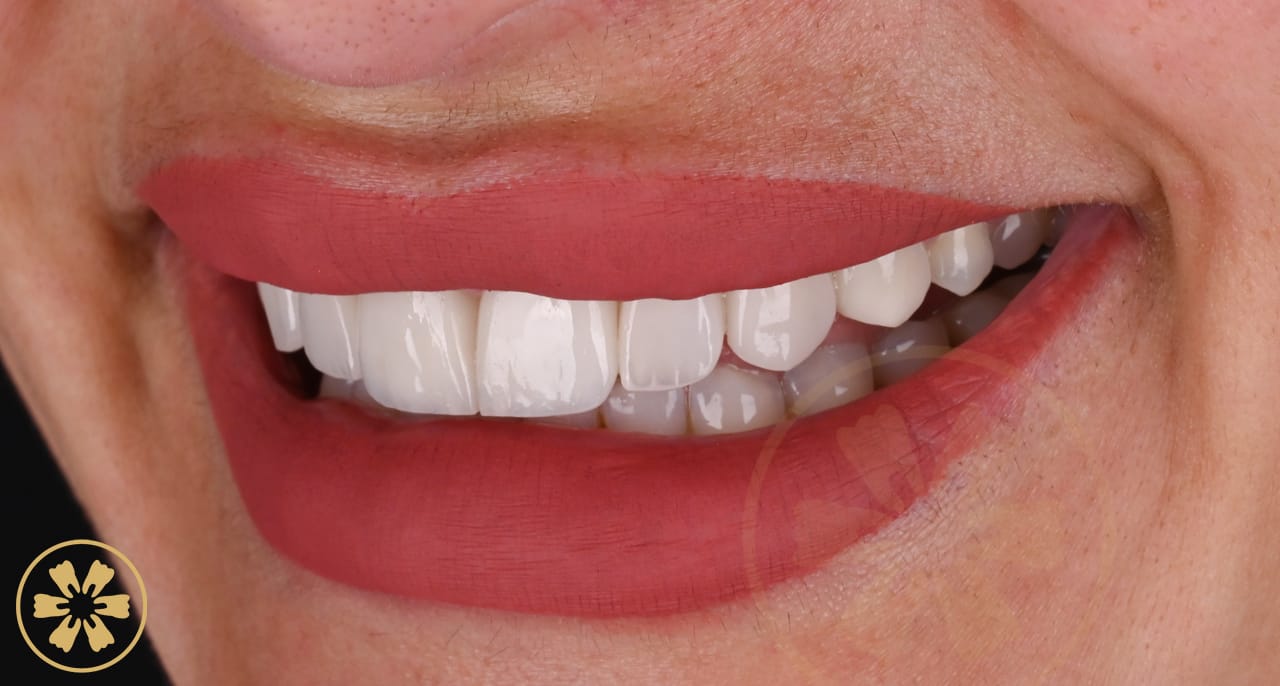
Designed in the clinic and made by hand in Creative Art Dental Lab, in the same building in Jumeirah, Dubai.




Your surgeon
Oral & maxillofacial surgeon
Plans and performs implant surgery, bone grafts, sinus lifts, wisdom-tooth and other surgical extractions in the clinic's operating rooms, after a CBCT scan. About three decades of practice in Russia, Syria and the UAE.
The difference between routine oral surgery and a complication is almost always what happened before the procedure started.
A CBCT scan gives a three-dimensional view of the surgical site. For lower wisdom teeth it shows the exact relationship between the tooth roots and the inferior alveolar nerve — the nerve that supplies sensation to the lip and chin. For upper posterior teeth it shows the sinus floor.
Neither of those can be judged reliably from a two-dimensional radiograph. Nerve injury during wisdom tooth removal is a serious and largely preventable complication, and prevention starts with knowing precisely where the nerve is.
We do not remove wisdom teeth simply because they exist. Removal is indicated when:
A fully erupted wisdom tooth that you can clean and that causes no problems can reasonably be monitored. A clinic that recommends removing all four as a matter of course is not diagnosing.
How difficult the surgery is depends on the angle:
| Impaction | What it means | Typical difficulty |
|---|---|---|
| Vertical | Upright, may be partially erupted | Often straightforward |
| Mesial | Angled forward into the second molar | Moderate |
| Horizontal | Lying on its side | More involved |
| Distal | Angled backward | Moderate to difficult |
Your scan determines which applies, and we explain it before you consent.
Anaesthesia. Local anaesthetic is given and tested before anything begins. You should feel pressure and movement but not sharpness — tell us immediately if you do.
Access. A small incision exposes the tooth. Some bone may need removing, and the tooth is often sectioned into pieces so it can be removed through a smaller opening. Sectioning sounds more invasive but is usually less traumatic than levering out a whole tooth.
Delivery and debridement. The tooth is removed and the socket cleaned of any follicular tissue.
Closure. Sutures are placed. We commonly use dissolvable sutures so a removal appointment is not needed.
A single straightforward extraction takes twenty to thirty minutes. A difficult impaction takes longer.
Bone begins resorbing as soon as a tooth is lost, fastest in the first year. Where an implant is planned, socket preservation — placing graft material into the socket at the time of extraction — can limit shrinkage of the ridge, which may make later implant placement simpler.
Sinus lift is required when the upper posterior jaw has insufficient bone height because the sinus has expanded downward. Graft material is placed beneath the sinus membrane to create the height an implant needs. It adds months to the implant timeline, which is why it is planned from the outset rather than discovered mid-treatment.
Ridge augmentation widens a ridge that has narrowed over years without a tooth.
Being direct: grafting is sometimes recommended reflexively. Our position is that the scan decides, and where angled or shorter implants can achieve stability in available bone, we use technique rather than graft material.
First 24 hours. Bite firmly on the gauze for the time specified. Ice intermittently — twenty minutes on, twenty off. Do not rinse, spit forcefully, or use a straw; these dislodge the clot. No smoking. Soft, cool food.
Days 2–3. Swelling peaks and then begins to settle. Bruising is normal and can track down the jaw. Start gentle warm salt-water rinses after 24 hours. Continue prescribed medication.
Days 4–7. Swelling reduces noticeably. Jaw stiffness is common and eases with gentle opening. Most people return to work within two to three days.
Week 2 onward. Sutures dissolve. The socket fills with tissue over several weeks; complete bone fill takes months.
Every surgical procedure carries risk. For wisdom teeth those include dry socket, infection, temporary or — rarely — permanent altered sensation in the lip or tongue, sinus communication in upper cases, and jaw stiffness.
These are uncommon, and planning from a 3D scan reduces several of them substantially. But you should hear them before you agree, not after. We set out the risks, the alternatives including doing nothing, and the likely consequence of each.
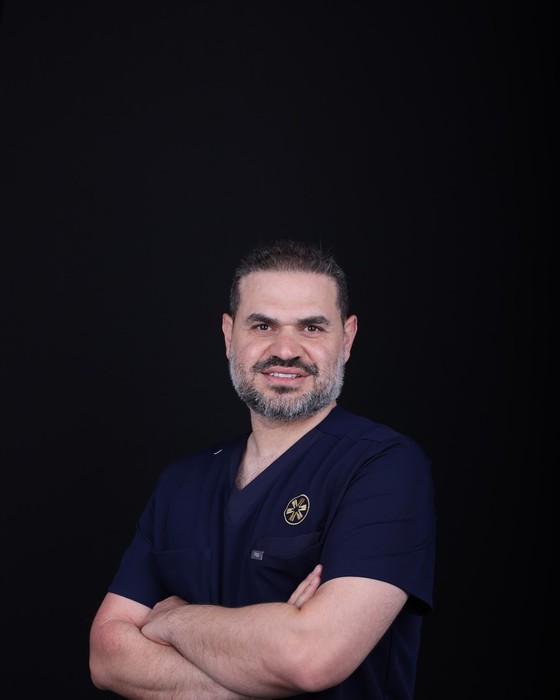
Co-founder & Dentist
Cosmetic Dentistry, Veneers & Dental Implants
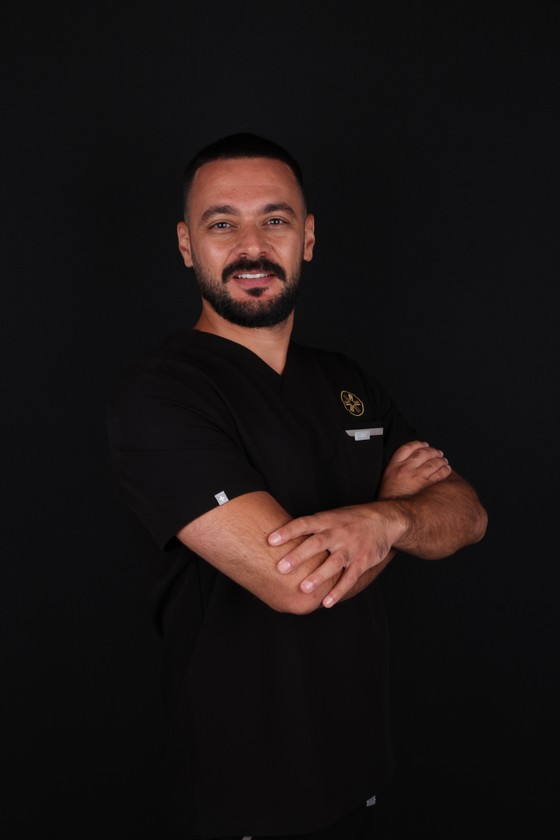
Dentist
Veneers, Cosmetic & Implant Dentistry | Full Mouth Rehabilitation

Oral & Maxillofacial Surgeon
Oral & Maxillofacial Surgery, Implants & Bone Grafting
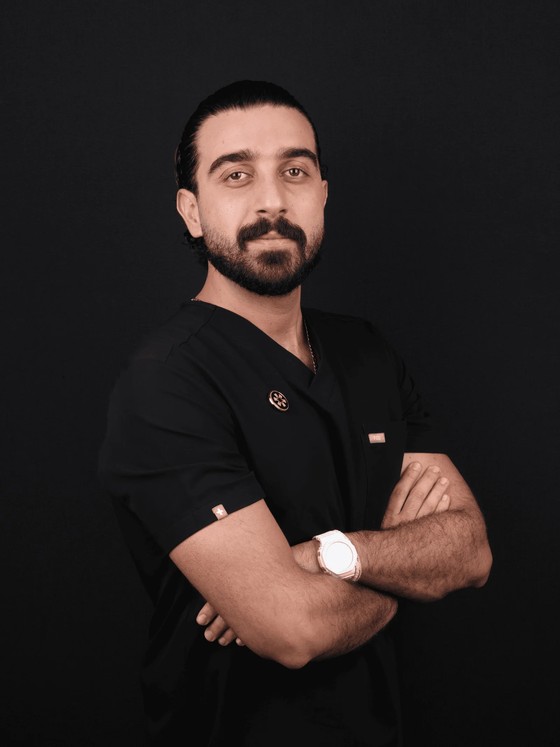
General Dentist
Veneers & Smile Makeovers
Tell us what you would like to change. The clinic replies within working hours with an appointment time.
Or call us +971 4 342 4444Or message us on WhatsApp
Oral and maxillofacial surgery in Dubai with Dr. Firas Osman: implants, bone grafts, wisdom teeth, jaw cysts; operating rooms, local…
Dental surgery operating rooms in Dubai: sterile set-up, monitoring, local anaesthesia and sedation, pre-op instructions, your…
IV sedation for dental treatment in Dubai: how it feels, who it suits, fasting, monitoring and the escort home, given by a…
Tablet sedation at the dentist in Dubai: how fast it works, why its effect varies, who it suits, the escort rule and how it…
Laughing gas (nitrous oxide) at the dentist in Dubai: how it feels, why it wears off in minutes, when you can drive…
General anaesthesia for dental treatment in Dubai: who needs it, why sedation is usually enough, and how hospital referral works. It…
A dentist for nervous patients in Dubai: talk-first visits, an agreed stop signal, careful numbing, short appointments and…
Impacted canine exposure in Dubai: a CBCT scan to locate the tooth, minor surgery to uncover it and braces to guide it into…
Jaw cyst removal in Dubai: how cysts are found on X-ray and CBCT, how the surgeon removes them, why the tissue is analysed…
Orthognathic (corrective jaw) surgery in Dubai: which bite problems need it, braces before and after, CBCT planning, the…
Socket preservation in Dubai: a bone graft placed when a tooth is removed to limit jaw shrinkage before an implant. Who…
Ridge augmentation in Dubai rebuilds a jaw too thin or too low for implants: guided bone regeneration, block grafts, CBCT…
Sinus lift surgery in Dubai to add bone height for upper back-teeth implants: crestal vs lateral approach, CBCT planning…
TMJ treatment options in the usual order: self-care, habit change, splints, physiotherapy, bite and orthodontic care, and…
How long swelling after oral surgery lasts, why it peaks on day two or three, ice versus heat, sleeping position, and the…
Dental sedation vs general anaesthesia compared: awareness, breathing, who gives each, fasting, recovery and typical uses…
Minor vs major oral surgery explained: typical examples of each, the anaesthesia usually used, clinic operating room or…
Pain getting worse two to four days after an extraction? How dry socket is recognised, why it happens, how it is treated in…
A tooth that cannot come through? Which teeth get impacted, the symptoms, how X-rays and CBCT show them, and the options in…
Simple vs surgical extraction, impacted wisdom teeth, extraction with a graft or implant, orthodontic and baby teeth, plus…
Implant surgery under sedation in Dubai: local anaesthesia plus laughing gas, tablet or IV sedation, chosen after a medical review…
Dr. Firas Osman, oral & maxillofacial surgeon at Creative Arts Dubai: implant surgery, bone grafts, sinus…
Independent sources for readers who want the wider evidence on this topic. Study figures are averages, not a promise for any one patient.
Most patients recover within three to five days. Swelling peaks at 48 to 72 hours and then settles. Simple extractions often need only a day or two; deeply impacted lower wisdom teeth take longer. We provide a written recovery protocol before you leave.
Most procedures are performed under local anaesthetic, so you are awake but feel pressure rather than pain. For anxious patients or longer surgical cases, sedation options are discussed in advance with the risks and alternatives set out plainly.
No, and we will say so. A wisdom tooth that is fully erupted, cleanable and not causing problems can be left and monitored. Removal is indicated for recurrent infection, decay that cannot be restored, cysts, damage to the neighbouring molar, or impaction causing pain.
Dry socket is loss of the blood clot from the extraction site, exposing bone. It is painful and typically appears around two to four days after surgery. The main risks are smoking, vigorous rinsing, spitting and using a straw — avoiding those in the first 72 hours dramatically reduces the chance.
Not always. It is recommended when you plan an implant later, because bone resorbs fastest in the first year after a tooth is lost. Socket preservation at the time of extraction can limit shrinkage of the ridge, which may make later implant placement simpler.
A consultation establishes what you actually need, what the options are and what each one involves — before anything is agreed. Nothing is booked for treatment until you have a written plan.
Rated 4.8 on Google from 242 patient reviews (October 2026).
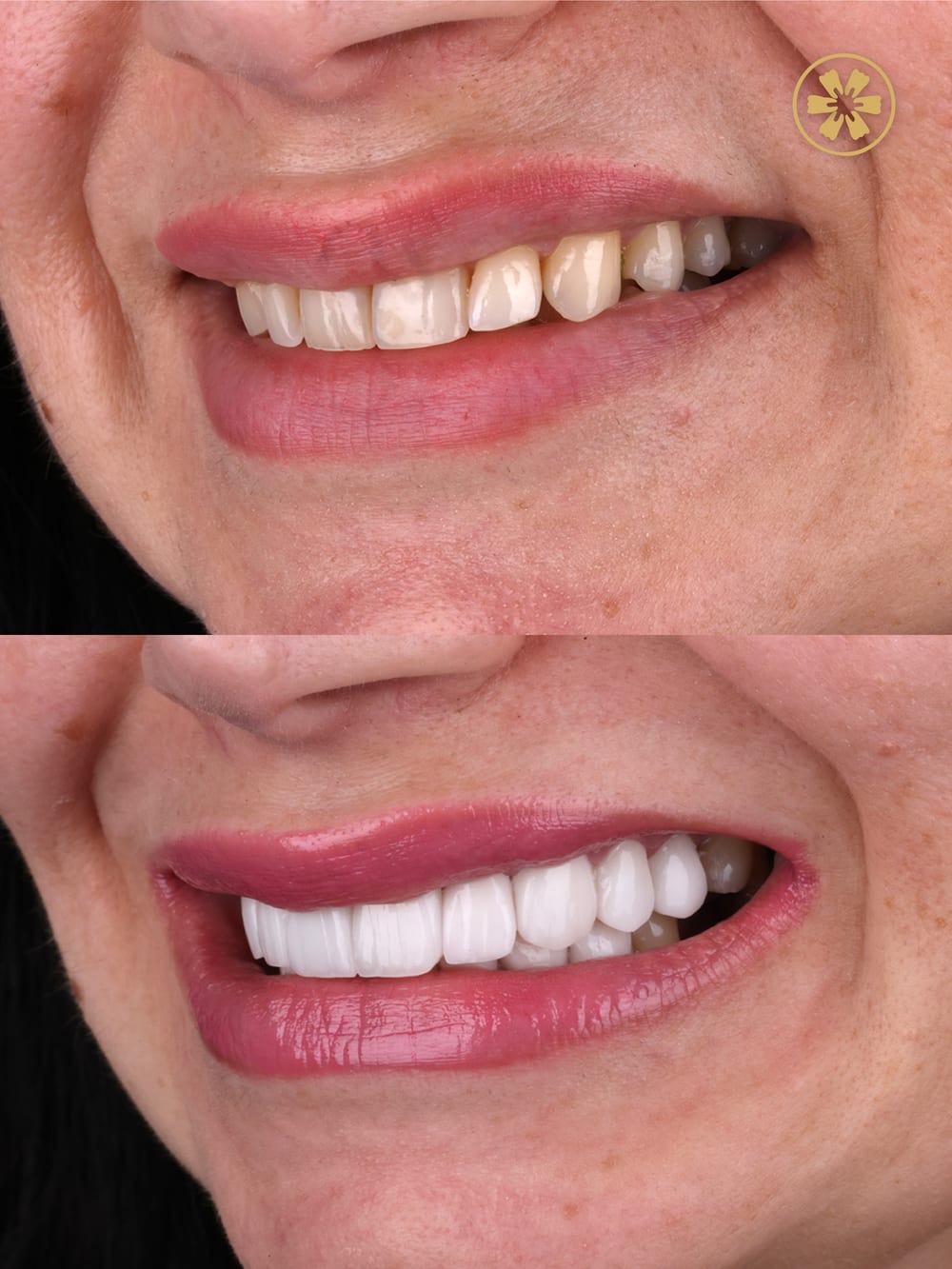
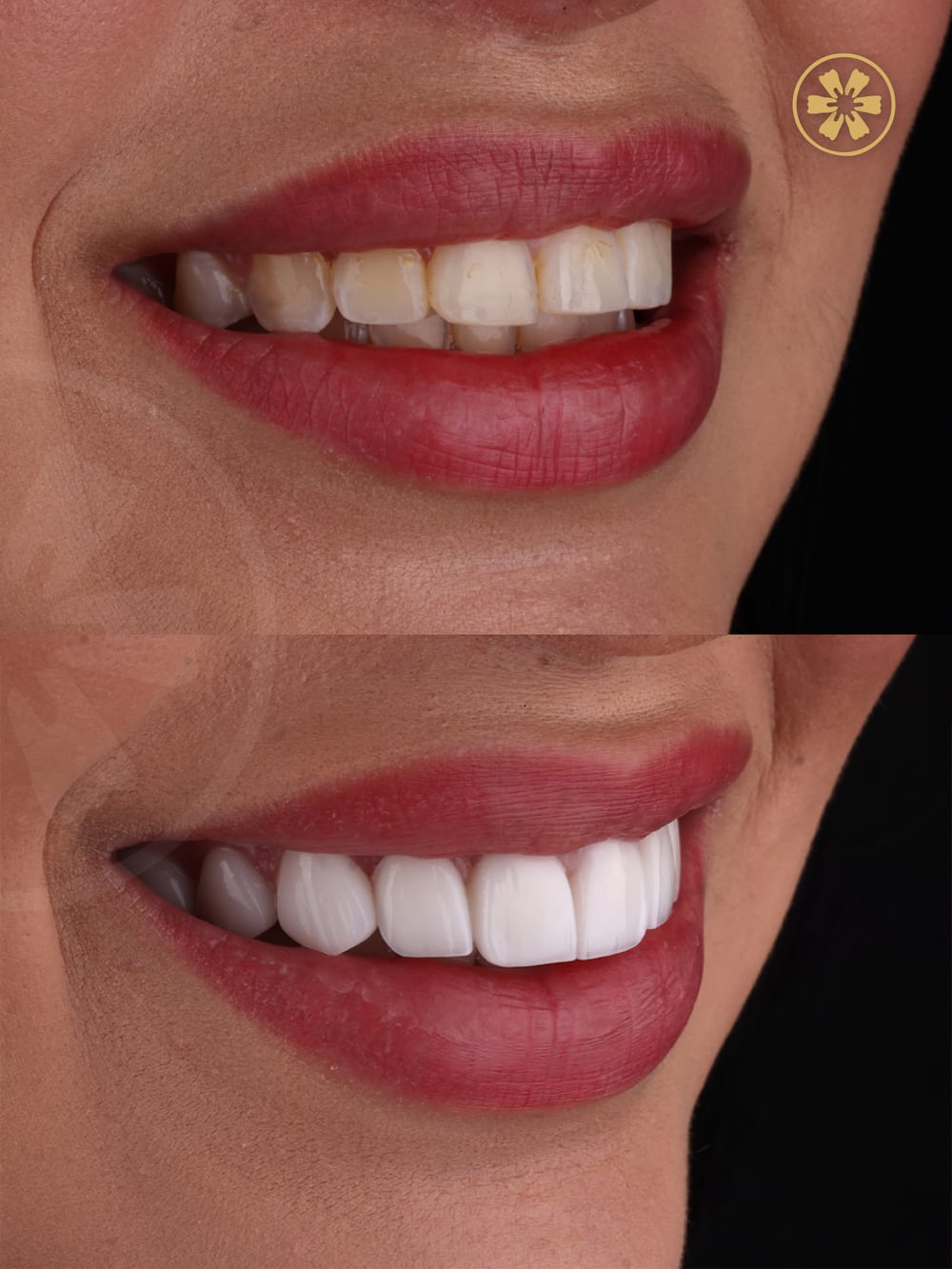
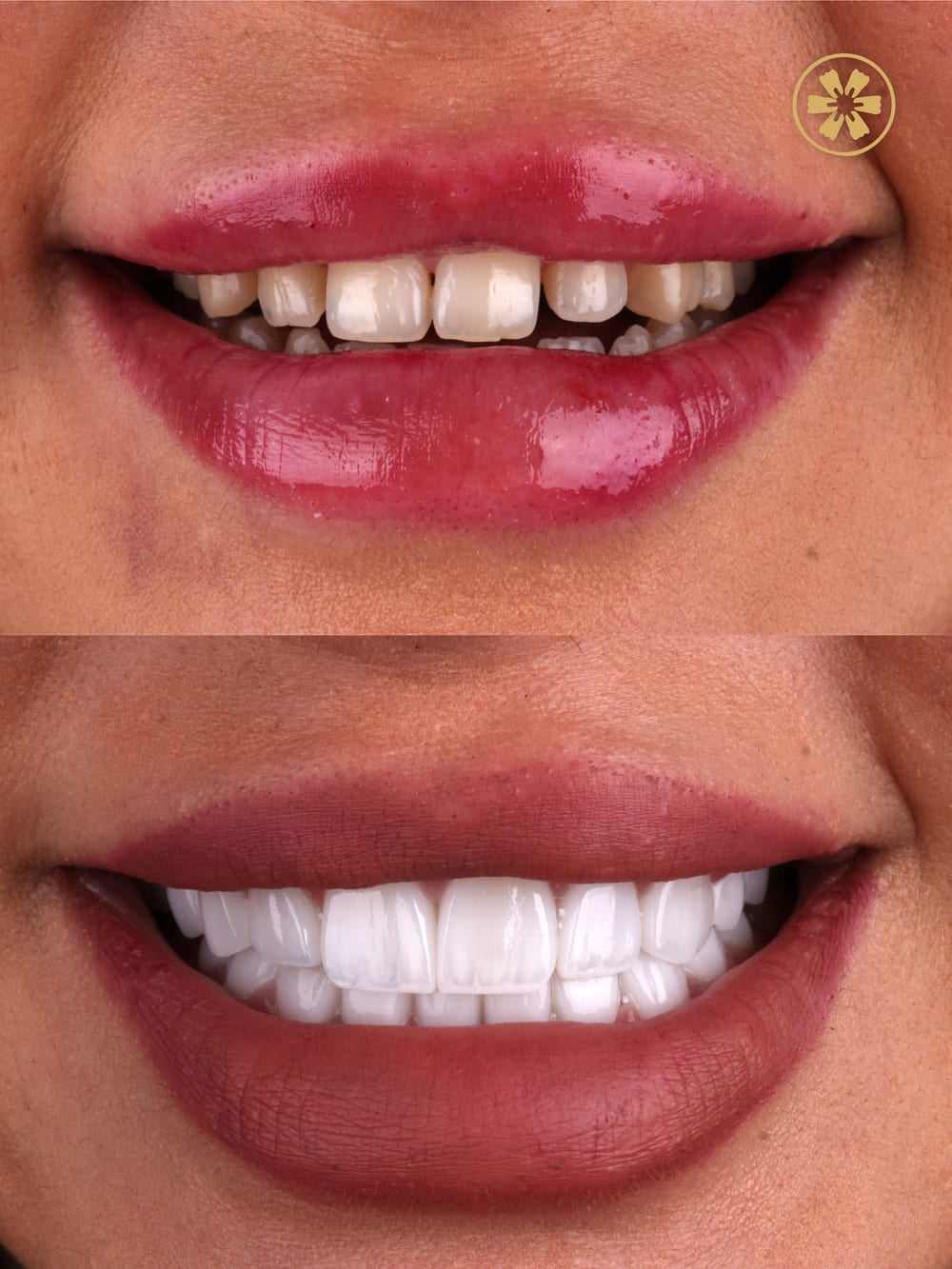
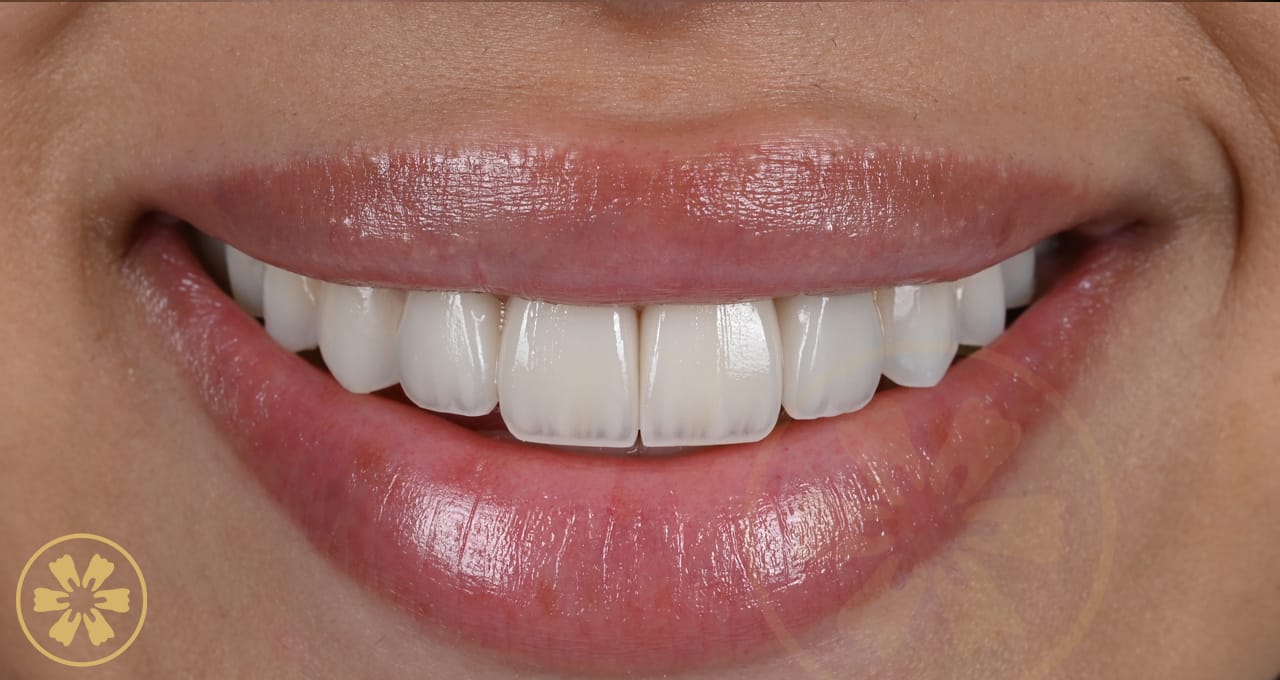
Tap a film to play it. Ceramic veneers and implant bridges are designed, milled, layered and finished by Creative Art Dental Lab, then fitted in the clinic.