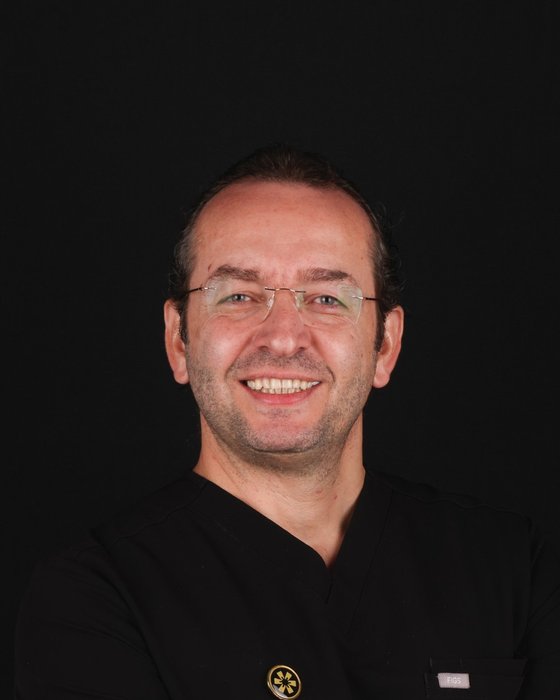

Specialist orthodontist
Plans braces, lingual (hidden) braces and Invisalign after a full orthodontic assessment.
Clear aligners planned and supervised in person by our two specialist orthodontists. You see a digital simulation and a written plan, with refinements, retainers and the final cost, before you commit.
The first visit is an assessment. If fixed braces or gum treatment would serve you better, you will hear that before any aligner is ordered.
Related: how clear aligners work
Designed in the clinic and made by hand in Creative Art Dental Lab, in the same building in Jumeirah, Dubai.




Your orthodontists
Specialist orthodontist
Plans braces, lingual (hidden) braces and Invisalign after a full orthodontic assessment.

Specialist orthodontist · TMJ & jaw function
Orthodontics for teenagers and adults, including lingual braces and Invisalign, and TMJ (jaw joint) assessment.
Aligners are discreet, but the worries are real. This is what the clinic does about each one.
Your treatment is planned by one of the two specialist orthodontists, Dr. Muhannad Kazzaz or Dr. Valeriia Kozachenko.


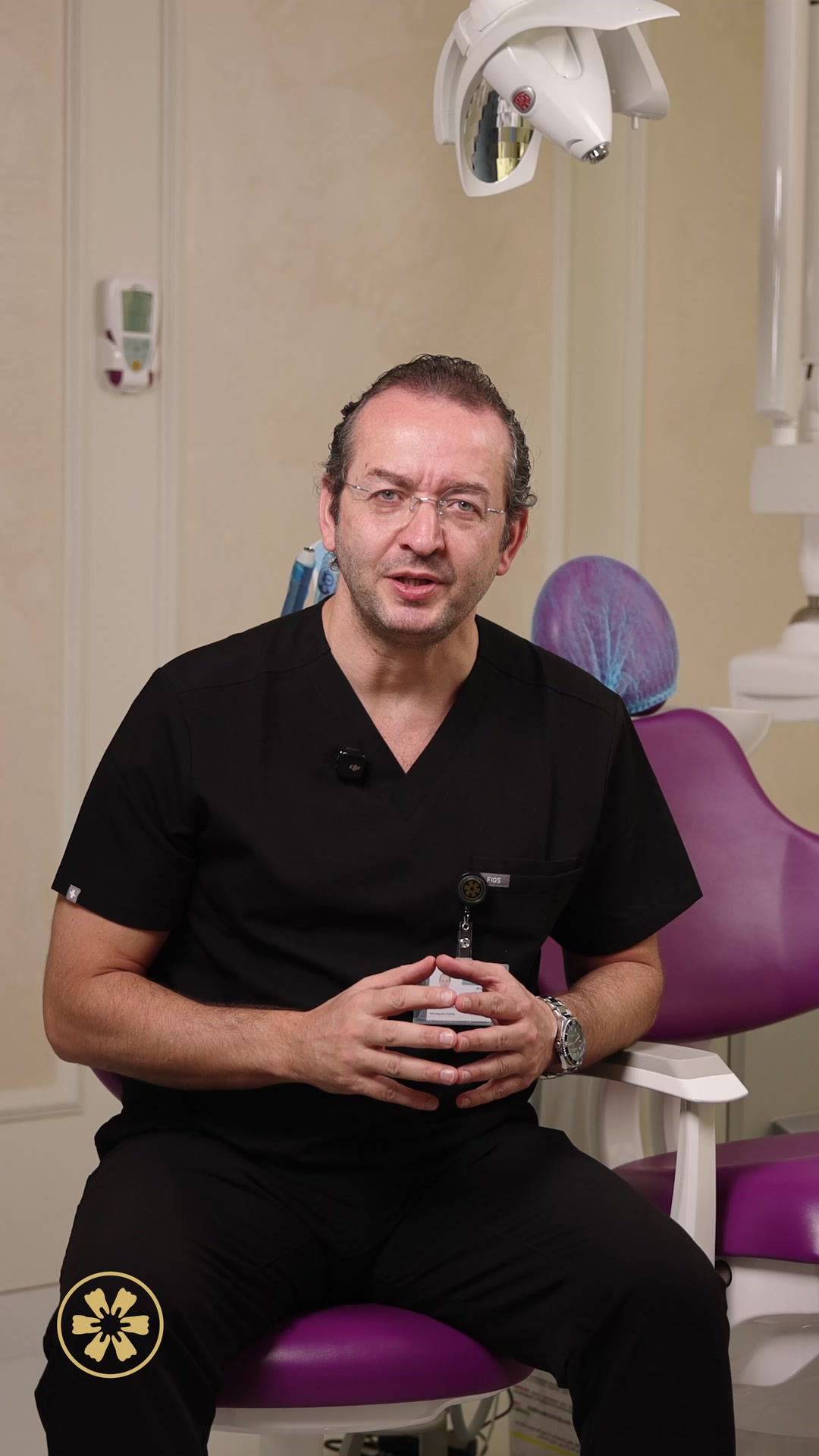
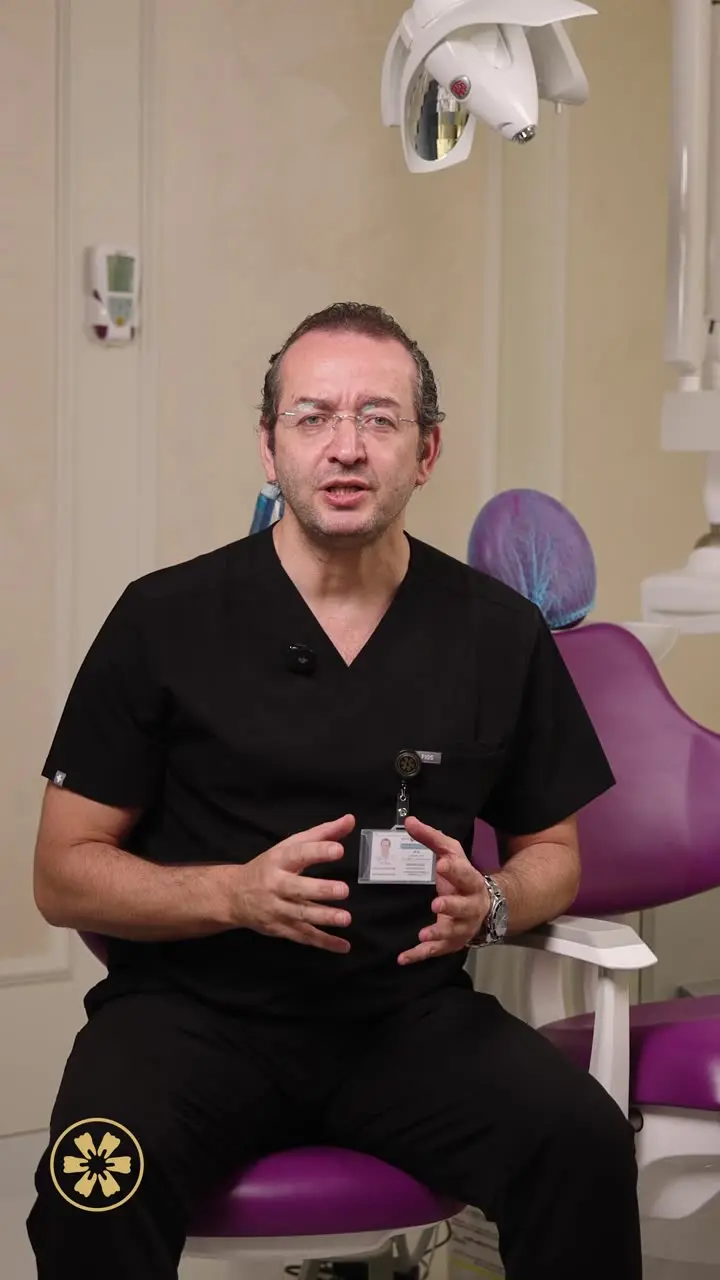
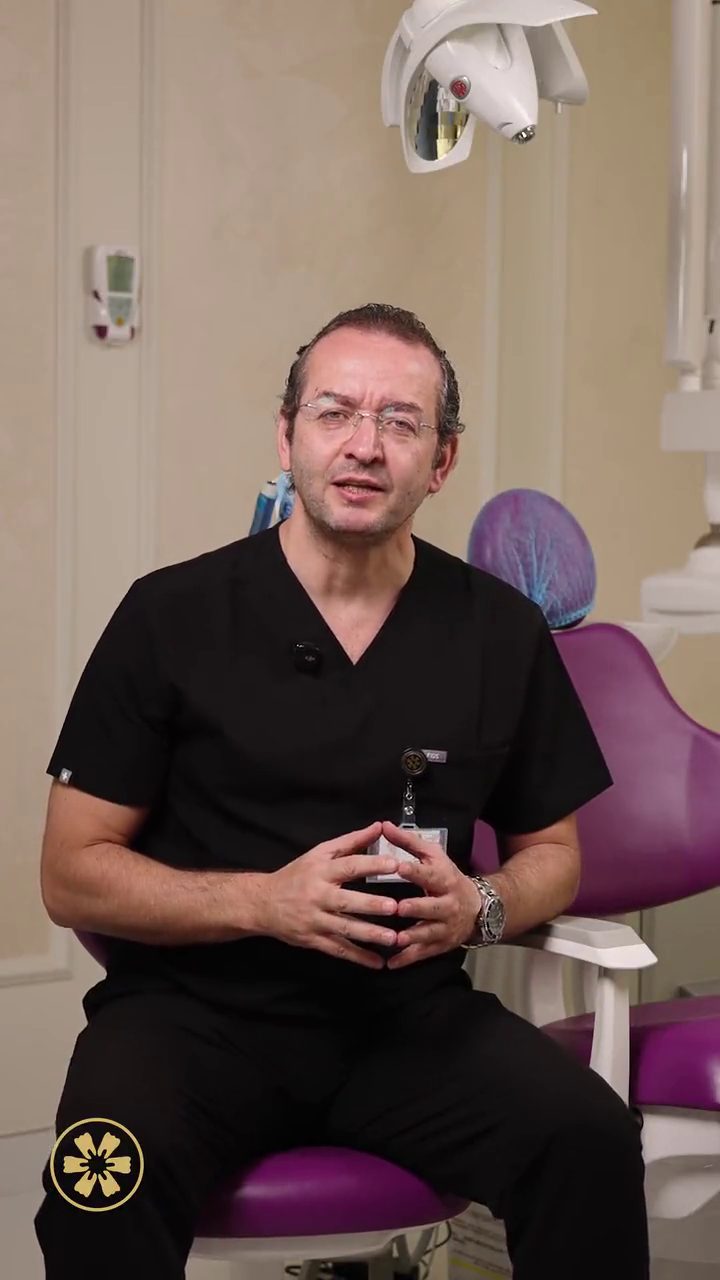
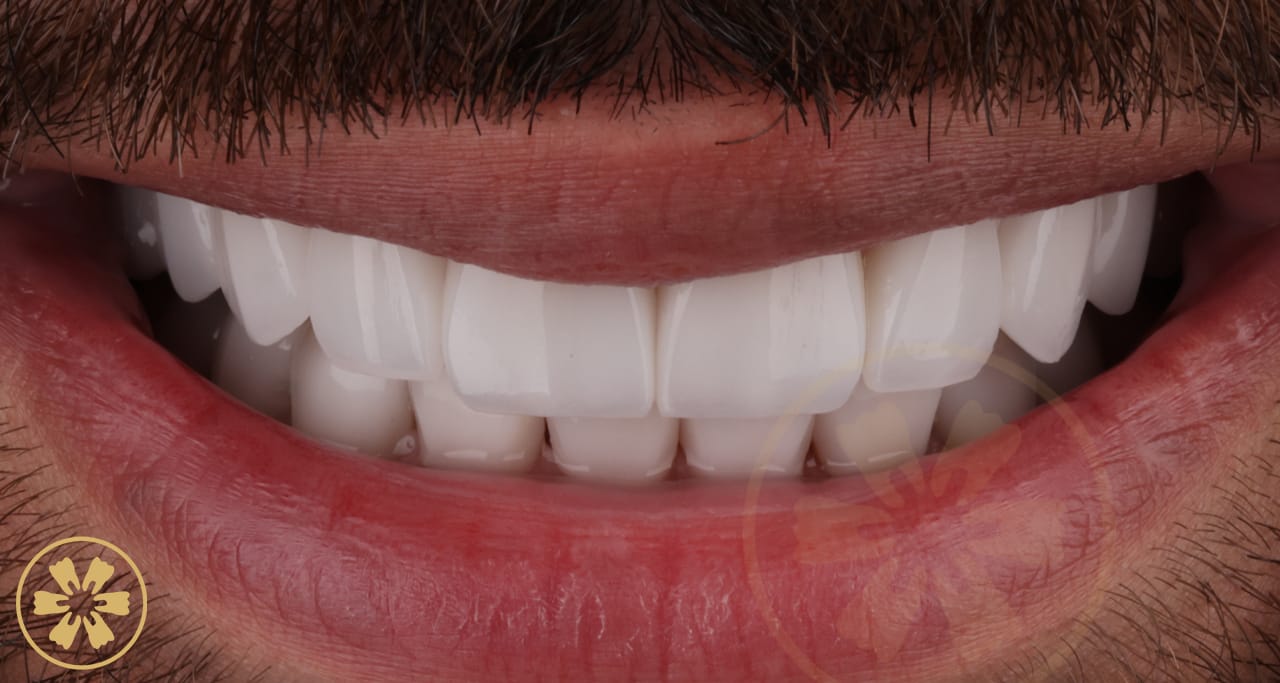
Photos taken at Creative Arts in Dubai. They show our orthodontists and treatment rooms, not treatment results.
At Creative Arts in Jumeirah 3, Dubai, Invisalign is planned and supervised in person by two specialist orthodontists, Dr. Muhannad Kazzaz and Dr. Valeriia Kozachenko. Treatment starts with an examination and a 3D scan. You then see a digital simulation and a written plan listing the aligners, likely refinements, retainers and the final cost before you commit. Aligners are worn about 20–22 hours a day; mild cases often take six to nine months and comprehensive treatment typically 12 to 24.
Who treats you here Dr. Muhannad Kazzaz Specialist Orthodontist · Dr. Valeriia Kozachenko Specialist Orthodontist
Every dentist’s licence can be checked on the DHA Sheryan medical directory.
At Creative Arts in Jumeirah 3, Invisalign is planned and supervised in person by two specialist orthodontists, Dr. Muhannad Kazzaz and Dr. Valeriia Kozachenko, starting with an examination and a 3D scan.
Both move teeth predictably when planned by a specialist. Clear aligners are removable and nearly invisible but need wearing 20–22 hours a day; fixed braces suit more complex movements. The orthodontist tells you which works for your bite.
Mild cases often take six to nine months and comprehensive treatment typically 12 to 24 months, followed by retainers to hold the result.
They are clear plastic and hard to notice at a normal distance. Small tooth-coloured attachments may be bonded to some teeth to help the aligners move them.
Tell us what you would like to change. A dentist reviews it, and you receive a written plan with prices before any treatment.
Tell us what you would like to change. We reply on WhatsApp or by phone during opening hours.
Prefer to chat? Send a photo on WhatsApp
Aligners are a tool. What decides the result is the diagnosis, the plan and the supervision behind them.
Your case is assessed and planned by Dr. Muhannad Kazzaz or Dr. Valeriia Kozachenko, both DHA-registered specialist orthodontists, and supervised in person at regular reviews rather than remotely.
We provide both clear aligners and fixed braces, so there is no reason to fit your teeth to one appliance. If braces would give you a better result, we will say so.
Teeth can only be moved safely through healthy bone. Gum health, bone levels and root condition are assessed before any movement is planned, and active gum disease is treated first.
The written plan sets out refinements and retention from the start, so you can see what the whole course involves, not only the first set of aligners.
Aligner treatment at Creative Arts is planned and supervised by two DHA-registered specialist orthodontists. Dr. Muhannad Kazzaz focuses on complex cases, adult orthodontics and the review of previous treatment. Dr. Valeriia Kozachenko provides fixed and clear aligner orthodontics with a focus on jaw function, and also carries out TMJ assessments.
Invisalign is a brand of clear aligner; the principle below applies to aligner treatment in general. Each aligner in the series is made slightly different from the current position of your teeth. Worn against the teeth, that difference applies gentle, continuous pressure, and the bone around each root remodels so the tooth can move: bone is resorbed on one side of the root and rebuilt on the other.
The step between aligners is deliberately small, typically a fraction of a millimetre, because biology sets the pace. Force applied faster than the bone can respond causes damage rather than movement, including root resorption. That is why aligners are changed on a schedule, not as fast as possible.
Small tooth-coloured attachments are often bonded to selected teeth. They give the smooth plastic something to grip, so the aligner can rotate a tooth or move it up or down, which it could not do otherwise. They are polished off when treatment ends.
Both treat crooked, crowded and spaced teeth and many bite problems. A 2019 systematic review in BMC Oral Health found that aligners shortened treatment time in the studies it included, while fixed braces performed better for occlusal contacts, torque control and retention. Individual cases vary, which is why the appliance is chosen after diagnosis.
| Clear aligners (Invisalign) | Fixed braces | |
|---|---|---|
| Visibility | Barely noticeable | Visible brackets and wire |
| Brushing and flossing | Aligners come out, so cleaning is as usual | Harder; brackets and wire trap plaque |
| Eating | Aligners are removed to eat | Hard and sticky foods are best avoided |
| Complex rotations and root control | More limited; attachments extend the range | Generally more control |
| Large vertical movements | More limited | Generally better |
| Depends on you wearing it | Entirely: about 20–22 hours a day | Less, although elastics and hygiene still matter |
| Unplanned visits | Rare; a lost or broken aligner is the usual reason | Loose brackets or a poking wire |
| Read more | Invisalign vs braces, compared | Fixed braces in Dubai |
Neither is better for everyone. Many patients could be treated with either; for some, only one will do the job well.
Aligners suit a wider range of cases than most people expect, but not every case. These are the factors assessed at your first visit.
Timings depend on the case. These are the stages every aligner patient goes through at Creative Arts.
Examination, photographs, an intraoral 3D scan and X-rays where indicated. The specialist checks tooth position, bite, gums, bone levels and roots, and tells you whether aligners, braces or another approach suits you. See what the orthodontic consultation includes.
Visit 1Your scan is used to plan every movement and simulate the projected result. You see the starting position, the stages and the end point, with a written plan covering duration, refinements, retainers and cost.
Before you commitAttachments are bonded where needed, any planned IPR is carried out, and you are shown how to fit, remove and clean the aligners.
Fitting visitEach aligner is usually worn for one to two weeks, and aligners are issued in batches. Review appointments confirm that the teeth are tracking the plan.
Through treatmentMany cases need a short extra series of aligners, made from a new scan, to finish the details. This is a normal part of treatment, not a sign that something went wrong.
Towards the endAttachments are removed and retainers fitted: a bonded wire, a removable retainer or both, to hold the teeth in their new position.
After treatmentThe questions patients ask most before they commit, answered briefly. Each guide goes into detail.
Each new aligner usually feels tight for a day or two while the teeth start to move; over-the-counter pain relief helps if needed. Sharp pain or a rubbing edge is not normal and should be checked. More in does Invisalign hurt?
Mild crowding or spacing often finishes in about six to nine months; comprehensive treatment typically takes 12 to 24 months. Your simulation gives an estimate for your own teeth. See how long Invisalign takes.
You take the aligners out to eat and to drink anything but water, then brush before putting them back, so there is no list of banned foods as with braces. Coffee and sugary drinks are the habits to plan around: eating and drinking with Invisalign.
Attachments are small tooth-coloured bumps bonded to some teeth so the aligner can grip. They are made to blend with the teeth and are polished off when treatment ends. See Invisalign attachments explained.
They can, which is why retainers are part of every plan: a bonded wire, a removable retainer worn at night, or both, long term. Read how long to wear a retainer.
Refinements. Teeth do not always follow the simulation exactly. When some lag behind, a new scan is taken and a short additional series of aligners finishes the detail. This is expected, and it is planned for from the start. When you compare quotes, ask any clinic whether refinements are included.
Retention. Teeth are held in the bone by the periodontal ligament, whose fibres tend to pull them back towards where they started. Without retention, teeth can begin to move back within months. Retention is therefore planned before treatment begins: a fine wire bonded behind the front teeth, which is invisible but needs careful cleaning; a removable retainer worn at night; or, most often, both. It is long-term, not an optional extra at the end. Our page on retainers after orthodontic treatment explains the options and how to look after them.
Wear time decides your progress more than any clinical factor. At around 16 hours a day, teeth fall behind the sequence and the case may need re-scanning, which adds months.
Take them out only to eat, to drink anything other than water, and to brush. The aligner wear-time guide explains what happens when the hours slip.
Hot drinks can warp the plastic. Sugary or acidic drinks trapped under an aligner bathe the teeth for hours, which is a real decay risk.
Rinse the aligners when you take them out and brush them gently with a soft brush, without hot water or toothpaste, which can cloud the plastic. Brush your teeth before putting them back. A professional clean during orthodontic treatment helps around attachments.
If an aligner is lost or damaged, the previous one is the safe fallback. Call us and we will tell you whether to go back a step or move forward. Never simply stop wearing aligners.
Some plans include interproximal reduction (IPR): polishing away a very small amount of enamel between selected teeth, typically a few tenths of a millimetre, to create room for alignment. At these dimensions it is usually comfortable and is not considered to weaken the teeth, and it is often the alternative to removing a tooth. If your plan includes IPR, you will be told exactly where and why before treatment starts.
Invisalign has no fixed price at Creative Arts, because no two aligner plans are the same; the final figure is written in your plan after examination. Whether a shorter or a comprehensive course suits you is explained in Invisalign Lite vs Comprehensive, how Invisalign compares with other brands in Invisalign vs other aligners, and how to compare quotes in the Invisalign cost guide.
Creative Arts has one clinic, in Jumeirah 3, Dubai, and no branch in other emirates. Invisalign needs a records visit, a fitting visit and then reviews every few weeks or months, as your orthodontist plans them; how often you would need to come is agreed at your assessment, before you commit. Patients from Abu Dhabi and Sharjah can read how to plan visits to the Dubai clinic.
We will not start aligners while gum disease is active or decay needs treatment, or when the problem is mainly a difference in jaw size that aligners cannot correct; a combined orthodontic and surgical approach may be discussed instead. We also advise against mail-order aligners that skip an in-person examination, because moving teeth through unhealthy bone or over undiagnosed problems can cause lasting harm. And if your main concern is the colour or shape of a few teeth rather than their position, veneers vs Invisalign explains when straightening first is the more conservative route.
Clinical statements on this page are consistent with these independent sources. They describe averages from studies, not a promise for any one patient.
Offers for Invisalign in Dubai can look alike on paper, so compare what sits behind the price. At Creative Arts, treatment is planned and supervised by the two specialist orthodontists, Dr. Muhannad Kazzaz and Dr. Valeriia Kozachenko.
Aligners are worn about 20 to 22 hours a day. The cost is set by your case and written in your plan after examination, as Invisalign cost describes.
Women who ask about Invisalign for women usually want to know three things: will it show, will it fit around work and family, and what happens if life changes during treatment.
The cost of aligner treatment is set out in your written plan after the orthodontic examination.
The last aligner is not the end of treatment. Teeth tend to move back towards where they started, so what comes next is planned before you begin.
Crooked teeth can be left, straightened on price alone, or treated from a diagnosis. This compares approaches, not clinics.
| Postponing treatment | Choosing the lowest quote | How Creative Arts plans it | |
|---|---|---|---|
| Appearance | Crowding or gaps stay, and crowding can make cleaning harder | Ask whether the result was planned from a diagnosis or only from a scan | Diagnosis by a specialist orthodontist, then a simulation you see before you commit |
| Risk of redoing work | Teeth can keep shifting over the years | Higher if refinements and retainers are not included and the teeth relapse | Refinements and long-term retention planned from the start |
| Number of visits | None for now | Remote check-ins may replace in-person reviews | In-person reviews with the same orthodontist every few weeks or months |
| Control over the final tooth position | Not applicable | Ask who approves the simulation and whether braces were considered | Aligners or braces chosen by diagnosis; lingual braces are also offered |
| Aftercare | Regular check-ups | Ask what the retainers include and who replaces them | A retention plan written before treatment begins |
More detail: what decides Invisalign cost, Invisalign vs braces and fixed braces.
Not always. Invisible braces is used for several appliances. Invisalign is a brand of clear, removable aligners, worn about 20 to 22 hours a day. Lingual braces are fixed brackets placed behind the teeth, and the specialist orthodontists at Creative Arts offer them too. Ceramic, tooth-coloured braces are a third type, but Creative Arts does not offer them. Which one suits you depends on your bite and how predictably each appliance can move your teeth, decided at an orthodontic examination.
Not in the usual sense: there are no brackets or wires. Invisalign is a series of clear, removable aligners, each usually worn for one to two weeks and for about 20 to 22 hours a day, taken out only to eat, drink anything but water and brush. Small tooth-coloured attachments may be bonded to some teeth to help them move. At Creative Arts the aligners are planned by the specialist orthodontists from a 3D scan, and retainers follow, as with fixed braces.
Yes. Lipstick sits on the lips, not the trays, so it does not affect treatment. Put the aligners in before applying it, and if colour transfers to the edge of a tray, rinse the tray and brush it gently with cool water. Take the trays out before eating or drinking anything other than water, and clean your teeth before putting them back.
It does not usually have to stop. Tell your orthodontist as soon as you know: gums swell and bleed more easily in pregnancy, so cleaning and hygiene visits matter more, and the timing of any X-rays for elective treatment is discussed with you. After vomiting, rinse with water before putting the trays back in.
That is common and is planned for. When some teeth lag behind, a new scan is taken and a short additional series of aligners finishes the detail. At Creative Arts the written plan explains how refinements are handled before you start, and the same specialist orthodontist reviews your progress in person.
Contact the clinic soon on WhatsApp at +971 56 677 7537 or call +971 4 342 4444, daily 10:00–20:00, and wear your removable retainer if you have one. Teeth tend to move back towards their old position without retention, so a loose wire should be re-bonded or replaced rather than left. Avoid pulling at it or trimming it yourself.
Often, yes, because aligners are widely used in adults with healthy gums and bone. Waiting matters more when crowding makes cleaning hard, teeth are wearing unevenly or the gums are already affected, since those can get worse. A specialist orthodontist at Creative Arts can tell you whether waiting is reasonable in your case; the first consultation is free.
It depends on how far the teeth need to move and how consistently the aligners are worn. Mild crowding or spacing often finishes in about six to nine months; comprehensive treatment typically takes 12 to 24 months, and complex bite correction can take longer. Your digital simulation gives an estimate for your own teeth rather than a general range.
About 20 to 22 hours. They come out only to eat, to drink anything other than water, and to brush. This is the biggest factor under your control: at around 16 hours a day, teeth fall behind the sequence and the case may need re-scanning, which adds months.
No, and we will tell you if yours is not. Aligners handle most crowding, spacing and many alignment problems well. Fixed braces are often better for large rotations, big vertical movements and some complex bite corrections, and a significant jaw-size difference may need a surgical opinion. The case decides the appliance, not the brand.
Aligners are not usually described as painful, but each new aligner feels tight for a day or two as the teeth start to move; over-the-counter pain relief helps if needed. Many people notice a slight lisp for the first few days while the tongue adapts, and it usually settles within the first week.
Contact us as soon as you can. Depending on where you are in the sequence, we will usually advise going back to your previous aligner or moving on to the next one, rather than leaving a gap in wear. Do not simply stop wearing aligners, because teeth start to drift back within days.
It can be, when the teeth and bite suit aligners and the teenager will wear them for about 20–22 hours a day. Fixed braces are often preferred when wear is likely to be inconsistent or the movements are complex. A specialist orthodontist decides at assessment; see Invisalign for teenagers.
There is no single Invisalign price. The fee depends on how complex your case is, how many aligners and refinements it needs and which retainers follow, so the final figure is written in an itemised plan after examination, before you commit. Ask us about insurance: adult orthodontics is often not covered and policies vary, but you can send the itemised plan to your insurer.
Yes, if you can come to Dubai for the visits your case needs. After the records and fitting visits, reviews are usually every few weeks or months, as planned by your orthodontist, and the check-in schedule is agreed at your assessment so you know how often you would travel. Aligners are issued in batches between reviews. If regular trips are not realistic, an orthodontist closer to home may suit you better.
Only within biological limits. Teeth move at the pace the bone allows, and rushing causes harm rather than speed. Mild cases can finish in months, but tell us your date at assessment so the plan is realistic. Aligners can be taken out for photographs, and attachments are tooth-coloured.
Yes. Without retention, teeth tend to move back towards their old positions, sometimes within months. Most patients have a bonded wire behind the front teeth, a removable retainer worn at night, or both. Retention is long-term; the orthodontist explains how long and how often in your plan.
Creative Arts has a single clinic on Jumeira Street (Jumeirah Beach Road). Ask about parking when you book.
Our clinic in Jumeirah Open in Google Maps · Rated 4.8 on Google from 242 patient reviews (October 2026) — read them
Tell us what you would like to change. The clinic replies within working hours with an appointment time.
Or call us +971 4 342 4444Or message us on WhatsApp
A consultation ends with a diagnosis and a written, itemised plan — not a sales pitch. Book online, message us on WhatsApp, or call the clinic.
Rated 4.8 on Google from 242 patient reviews (October 2026).
Tap a film to play it. Ceramic veneers and implant bridges are designed, milled, layered and finished by Creative Art Dental Lab, then fitted in the clinic.