Awake clenching
Teeth pressed together while concentrating, driving, at the computer or in the gym. Usually silent, and often noticed as tight jaw muscles by late afternoon.
Grinding at night and clenching by day load the teeth far more than chewing does. Treatment protects the teeth, eases the jaw and repairs damage only once it is protected.
If someone has heard you grinding at night, or you wake with a sore jaw, mention it when you book.
Teeth grinding (bruxism) is usually managed rather than cured. A custom night guard protects the teeth during sleep, daytime clenching is reduced through habit awareness and stress management, and jaw pain is assessed separately. At Creative Arts in Dubai, wear, cracks and the jaw muscles are examined first, and damaged teeth are repaired once they are protected.
Bruxism covers both. Many people do one without knowing, and some do both.
Teeth pressed together while concentrating, driving, at the computer or in the gym. Usually silent, and often noticed as tight jaw muscles by late afternoon.
Rhythmic grinding or clenching during sleep, sometimes loud enough for a partner to hear. You are not aware of it, so the clues are worn teeth and morning symptoms.
When you chew, food cushions the teeth and contact is brief. Grinding is tooth on tooth, often for long periods, which wears enamel, cracks teeth and breaks restorations.
Most people learn they grind from the damage or the morning symptoms rather than from the habit itself.
Front teeth that have become shorter and even, back teeth with shiny flat facets, or small chips along the biting edges.
Tired or aching jaw muscles on waking, or a dull headache in the temples that eases during the day.
Wear and flexing at the neck of the tooth can expose dentine, so cold and brushing start to twinge.
Sharp pain on biting one tooth, fillings or crowns that chip or come loose repeatedly, or a veneer that fractures.
A partner or family member reports a grinding sound at night. Ridges on the sides of the tongue or the inside of the cheeks are another clue.
There is rarely one cause, and the evidence points more to how the brain regulates sleep and stress than to the teeth themselves. Factors that are commonly linked include:
your jaw locks, or you suddenly cannot open or close your mouth fully; there is severe facial or jaw pain; a tooth hurts sharply on biting or releasing, which can mean a crack; or a filling, crown or veneer has broken and left a sharp or painful tooth. The clinic is open daily, 10:00–20:00, with no overnight service. Swelling with fever, or difficulty breathing or swallowing, needs a hospital emergency department immediately.
There is no single test. The diagnosis comes from your history, the pattern of wear and how the jaw and muscles behave.
Morning symptoms, headaches, stress, sleep, caffeine, medicines and anything a partner has noticed.
Flat facets that match when the jaw slides, chipped edges and worn restorations show where and how hard you grind. Photos or a scan record the starting point.
How far and how straight the jaw opens, clicking, and tenderness in the chewing muscles. Jaw pain is referred for a fuller TMJ assessment.
Cracks, broken fillings and sensitive teeth are checked, with X-rays where needed, so urgent damage is dealt with first.
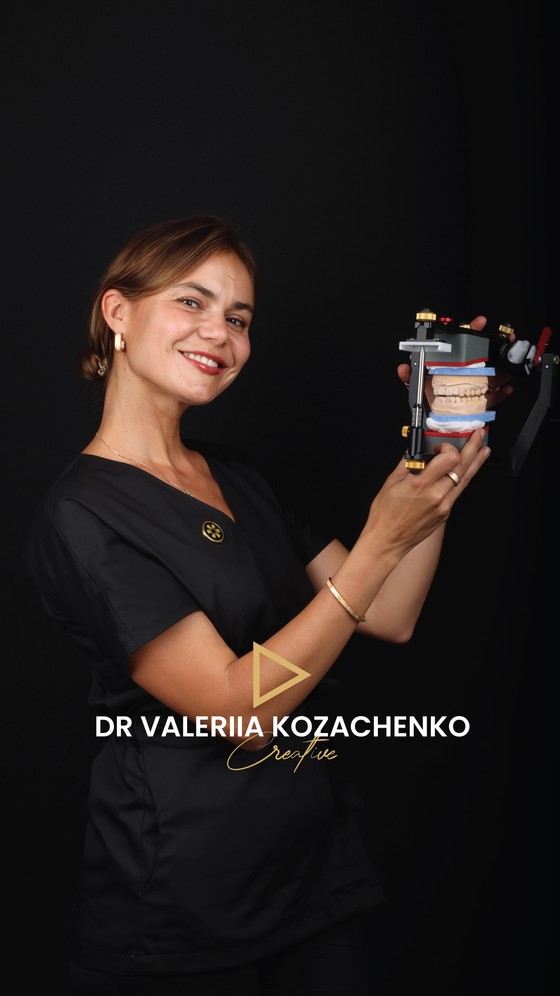
Grinding and jaw-joint problems often overlap, but they are not the same thing. If your main problem is pain in the jaw, around the ear or on opening, book a TMJ assessment with Dr. Valeriia Kozachenko, Specialist Orthodontist with a focus on TMJ and jaw function. That page explains how jaw symptoms are examined and why conservative, reversible care comes first.
Protection and habit change come first. Repairs are planned once the teeth are protected, otherwise new work simply wears or breaks in the same way.
| Option | When it fits | What to expect |
|---|---|---|
| Habit awareness and stress management | Daytime clenching, and anyone whose grinding worsens with stress, caffeine or alcohol | Lips together, teeth apart as a resting position; reminders during the day; cutting back on late caffeine and alcohol. Free, but takes practice |
| Custom night guard | Night grinding with wear, cracks, sensitivity or morning jaw ache | Custom-made from a scan of your teeth and adjusted at fitting. It protects the teeth and spreads the load; it does not stop the habit |
| TMJ assessment | Jaw pain, clicking with pain, locking or limited opening | Examination of the joint and muscles with Dr. Valeriia Kozachenko; a splint may be discussed alongside other conservative measures |
| Composite bonding | Chipped edges or small areas of wear on a few teeth | Adds tooth-coloured material with little or no drilling; may need repair over time if grinding continues |
| Crowns and treatment for a cracked tooth | A tooth that is cracked or has lost a large part of its structure | Holds the tooth together and restores biting; a night guard is still advised to protect the new crown |
| Full mouth rehabilitation | Severe wear across many teeth, where the bite has lost height | Planned digitally and in stages, often trialled first; the largest commitment, reserved for advanced cases |
For the full range of options for teeth that are already short or flat, see worn teeth. Other approaches some clinics offer for grinding are outside the scope of this page; ask at your assessment if you have questions about them.
Grinding is a long-term habit that comes and goes. Setting the right expectations avoids over-treatment.
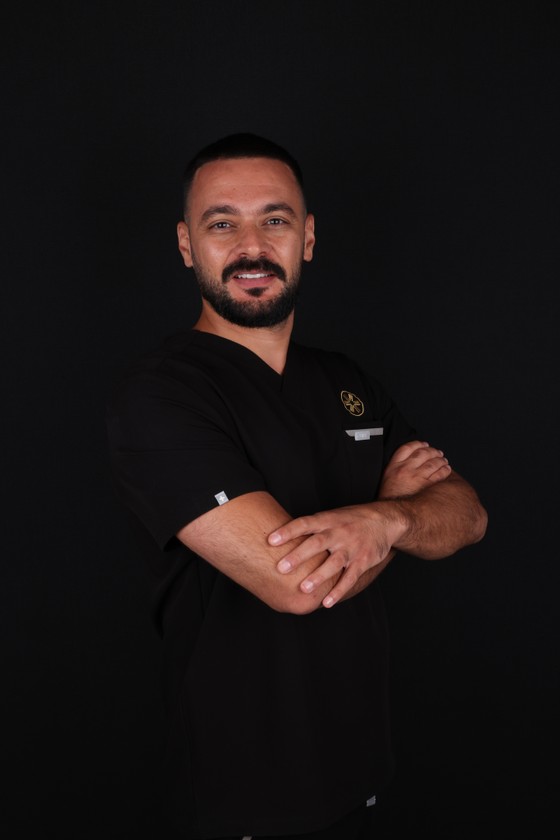
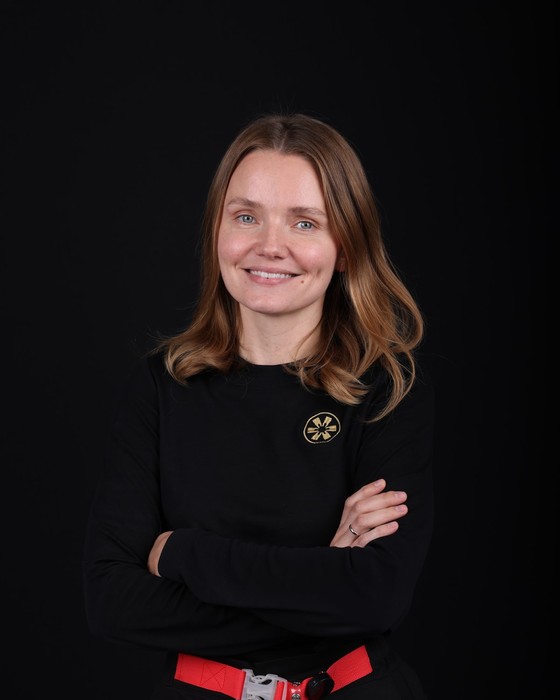
Dr. Valeriia Kozachenko, Specialist Orthodontist, assesses jaw joint and muscle symptoms. Dr. Kinan Bonni and Dr. Marina Antoniuk look after the teeth themselves: protecting them and restoring worn, cracked or broken teeth and restorations.
Not usually for grinding. Boil-and-bite guards are bulky, can be uncomfortable to sleep in and may wear through quickly. A custom night guard is made from a scan of your teeth, fits closely and is adjusted so the jaw is not pushed into an awkward position. A shop-bought guard can be a short-term stopgap while you wait for an appointment.
No, although they overlap. Grinding is a habit that loads the teeth and muscles; TMJ disorders affect the jaw joint and the muscles that move it. Many people grind with no jaw pain, and some have jaw pain without grinding. If pain, clicking with pain or locking is your main concern, a TMJ assessment is the right starting point.
Yes. Daytime clenching is closely linked to stress, concentration and physical effort, and it is usually silent. Check yourself during the day: at rest, your lips should be together and your teeth slightly apart. Short reminders, such as a note on your screen, help break the habit over a few weeks.
It can damage both. Grinding can chip or crack ceramic crowns and veneers, loosen the screw that holds an implant crown and overload the implant. Implants do not have the natural cushioning of a tooth's ligament, so heavy forces pass straight through. A night guard is usually advised after crowns, veneers or implant restorations if you grind.
Usually not. Most people continue to grind into the guard rather than on their teeth, which is the point: the guard takes the wear instead of your enamel and restorations. Many people find their morning jaw ache eases. The habit itself is reduced by managing stress, sleep and caffeine rather than by the guard.
It depends on how heavily you grind; some guards last years, others show wear sooner. Rinse it in cool water, brush it gently without toothpaste, let it dry and keep it in its case. Avoid hot water, which can distort it, and bring it to check-ups so the fit and wear can be checked.
Grinding is common in young children, often during sleep, and many grow out of it as their adult teeth come in. Wear on baby teeth is usually monitored rather than treated. If a child has jaw pain, headaches or worn adult teeth, a dental check is worthwhile. See our pediatric dentistry page.
Tell us what you would like to change. The clinic replies within working hours with an appointment time.
Or call us +971 4 342 4444Or message us on WhatsApp
A consultation ends with a diagnosis and a written, itemised plan — not a sales pitch. Book online, message us on WhatsApp, or call the clinic.