
Braces and Invisalign: the questions people ask before they straighten their teeth
This page answers the questions adults, teenagers and parents type before choosing orthodontic treatment, in the words they actually use. The answers come from the Creative Arts orthodontic team in Jumeirah, Dubai, led by two DHA-registered specialist orthodontists.
- 35 questions answered
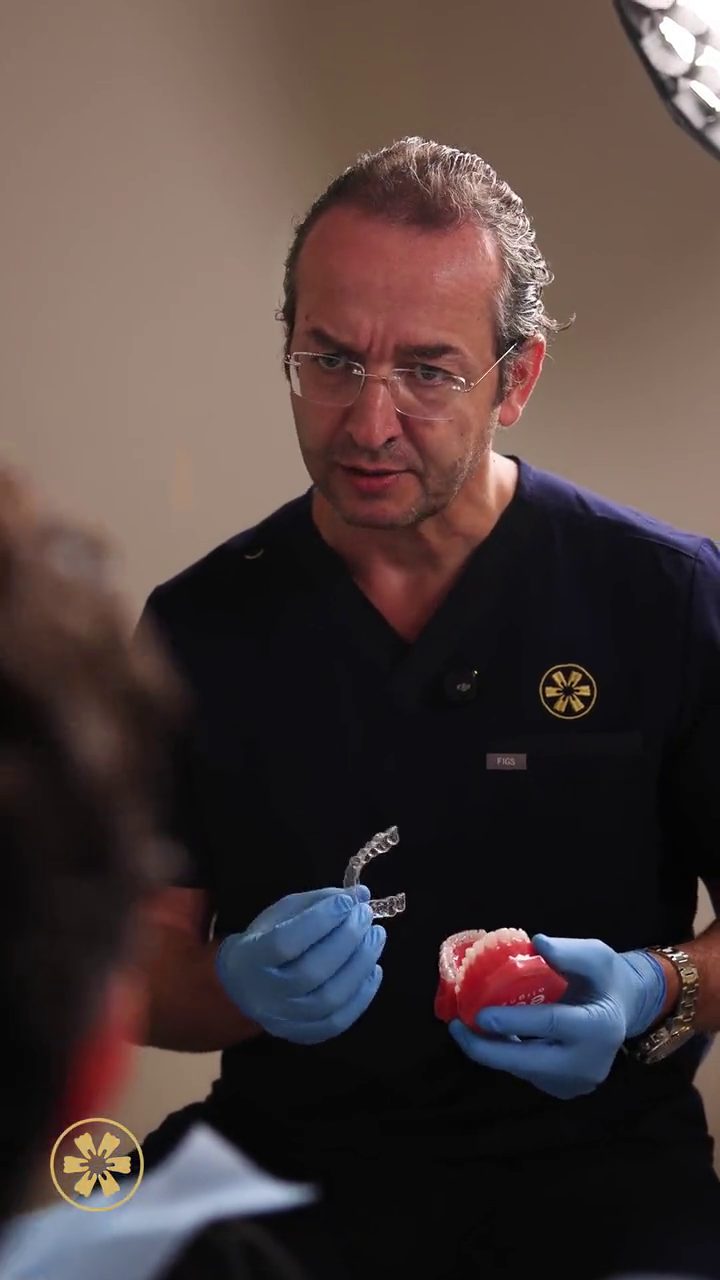
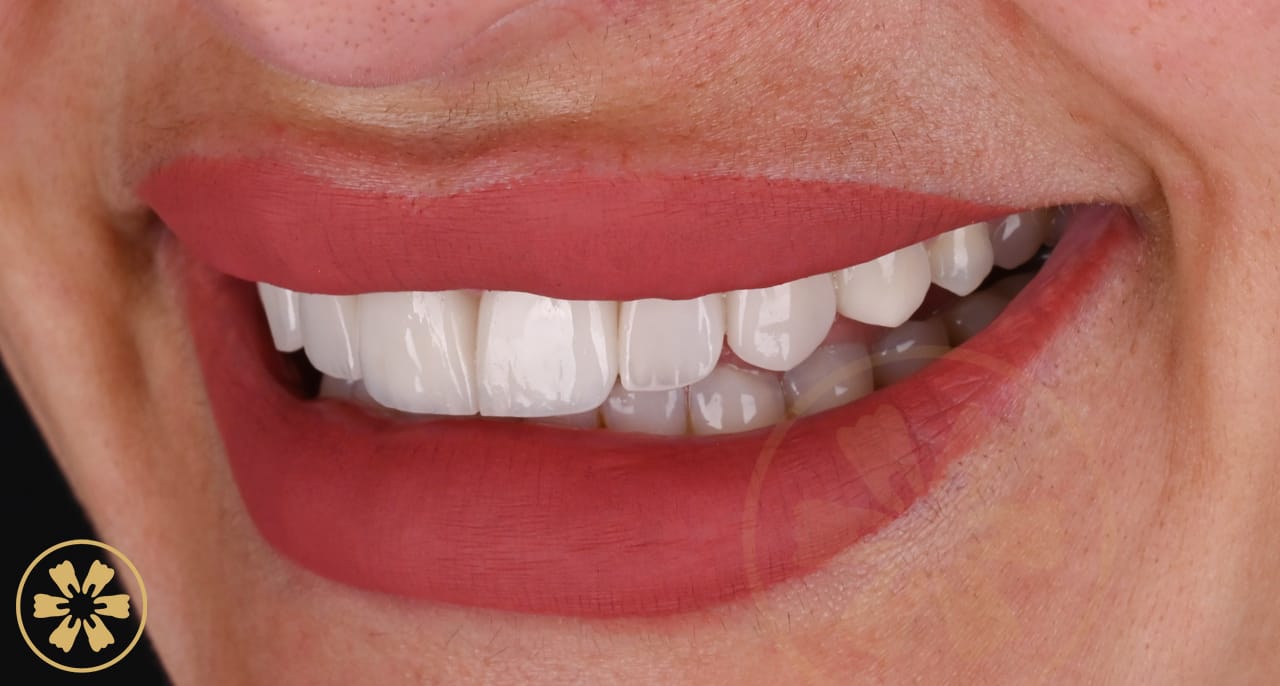
Smiles made at Creative Arts
Designed in the clinic and made by hand in Creative Art Dental Lab, in the same building in Jumeirah, Dubai.




Is straightening my teeth worth it?
Is it worth straightening slightly crooked teeth if they don't bother me?
It is a personal choice: mild crowding that you can clean well and that does not affect your bite often needs no treatment at all. Straightening becomes more useful when overlaps trap food, gums keep bleeding in one spot, teeth are wearing unevenly or the crowding is getting worse. An orthodontic assessment tells you which group you are in, and leaving things as they are is a legitimate answer. Read the full page
Can a 40 or 50 year old still get their teeth straightened?
Yes, teeth can be moved at any age as long as the gums and bone supporting them are healthy. Adults often need gum treatment or a hygiene visit first, and treatment may be planned around crowns, implants or missing teeth. Creative Arts treats many adult cases with fixed braces or Invisalign, chosen after a clinical assessment and scan. Read the full page
Is a small gap between my front teeth something that needs fixing?
A small gap is usually harmless and many people keep it by choice. It is worth checking if the gap is new, is getting wider, or appears with bleeding gums, because that can point to gum disease or a bite problem rather than a cosmetic issue. Options range from leaving it, to bonding, to orthodontic closure with a retainer afterwards. Read the full page
When is an overbite bad enough to need treatment?
An overbite usually needs treatment when the lower front teeth bite into the gum behind the upper teeth, the front teeth are wearing down, or the upper teeth stick out enough to be at risk of injury. A mild overbite with no damage often needs nothing. A specialist orthodontist measures the bite and explains whether braces, aligners or simply monitoring makes sense. Read the full page
My lower teeth sit in front of my upper teeth. Can that be corrected?
Often yes, but it depends on whether the teeth or the jaws are causing it. When the teeth are tilted, braces or aligners with elastics can usually correct a mild underbite. When the lower jaw itself is much larger or further forward, an orthodontist may recommend combined treatment with a maxillofacial surgeon, which is planned case by case. Read the full page
Is it true that teeth always go back once braces come off?
Teeth do tend to drift back without retention, which is why a retainer is part of every orthodontic plan, not an optional extra. With a bonded wire, a removable retainer, or both, worn as instructed, most results stay stable. Retention is long-term, and teeth can still shift slowly with age even in people who never had braces.
Fixed braces or Invisalign: which option suits me?
What is the real difference between fixed braces and Invisalign?
Fixed braces are brackets bonded to the teeth with a wire that the orthodontist adjusts; Invisalign uses a series of removable clear aligners you change every week or two. Braces work all the time without relying on you. Aligners are less visible and come out for eating and brushing, but only work if worn about 20 to 22 hours a day. Read the full page
Do I get to choose between braces and Invisalign, or does the orthodontist decide?
You choose, but only between the options that can actually treat your case. After the examination and scan, the orthodontist explains which tooth movements are needed and whether braces, Invisalign or both are suitable. If one option would give a weaker or slower result for your bite, you will be told why before you decide.
Is Invisalign a bad idea if I'm not disciplined about wearing it?
It can be. Aligners left out for long periods stop moving teeth, so treatment takes longer and the result may fall short of the plan. If you know you will struggle to wear them about 22 hours a day, fixed braces are often the more reliable choice because they keep working without your help. Read the full page
Are tooth-coloured or hidden braces available instead of metal ones?
At Creative Arts the options offered are fixed (metal) braces and Invisalign clear aligners; ceramic and lingual braces are not part of the service. For people who want treatment to be less noticeable, Invisalign is usually the option discussed. The orthodontist can explain what ceramic and lingual braces are and whether any other approach would suit your case. Read the full page
Can just one or two crooked front teeth be straightened without treating everything?
Sometimes. Short, limited treatment can work when the bite is otherwise healthy and the problem is purely the position of a few front teeth. When crowding comes from the bite or lack of space, treating only the front teeth can fail or relapse. The orthodontist will say honestly which situation you are in after looking at your bite and scan.
Do adults need healthy teeth pulled to fix crowding?
Not always. Space can often be created by gently widening the arch, moving teeth back, or slimming the contacts between teeth slightly (IPR). Extractions are considered when crowding is severe or the teeth stick out a lot and other methods would push them too far. Your plan will explain why extractions are or are not recommended. Read the full page
Should I straighten my teeth or just get veneers?
If the teeth are healthy, straightening them is usually the more conservative choice because it keeps your natural enamel. Veneers change the shape and colour of teeth but do not fix the bite, and covering crooked teeth can mean removing more tooth. Some people straighten first and then decide whether they still want cosmetic work. Read the full page
How much does it cost, and where in Dubai?
What is the price of braces or Invisalign at Creative Arts?
Orthodontic fees are priced in your written, itemised plan after a free first consultation, because the cost depends on the type of appliance, how complex the tooth movements are and how long treatment will take. The plan also lists the retainers, review visits and anything else included, so you can see the full picture before you commit. Read the full page
What should an orthodontic quote list so I can compare clinics fairly?
A useful quote states the appliance (braces or which aligner plan), the estimated treatment time, how many review visits are included, whether refinement aligners are covered, and what retainers you get at the end. It should also say who is treating you and whether X-rays or scans are included. Comparing those items matters more than comparing the headline figure. Read the full page
Is the first orthodontic consultation free?
Yes, the first consultation at Creative Arts is free. The orthodontist examines your teeth and bite, talks through what bothers you and explains the realistic options. Any scans or X-rays needed for planning are discussed and listed at that visit, and you receive a written plan before any treatment begins. Read the full page
Can I send photos of my teeth before booking an orthodontic visit?
Yes. You can send clear photos of your smile and bite on WhatsApp to +971 56 677 7537 for a free photo assessment. It gives you a first idea of whether braces or Invisalign might suit you, but a full answer always needs an in-person examination, because bite and gum health cannot be judged reliably from photos.
Where is the orthodontist and when can I come in?
Creative Arts is at 614 Jumeira St, Jumeirah 3, Umm Suqeim 1, Dubai, and the clinic is open seven days a week from 10:00 to 20:00. Orthodontic review visits are usually short, so many patients fit them around work or school. Call +971 4 342 4444 or message on WhatsApp to book. Read the full page
How often would I need to come to Dubai for braces if I live in Sharjah or Abu Dhabi?
Fixed braces usually need a review every few weeks; Invisalign reviews are often spaced further apart because you change aligners at home. Many patients from other emirates plan treatment in Dubai this way. The orthodontist can give you a visit schedule before you start so you can judge whether it fits your routine. Read the full page
Your smile, planned with a dentist — before you decide
Tell us what you would like to change. A dentist reviews it, and you receive a written plan with prices before any treatment.
- First consultation free
- Free photo assessment on WhatsApp
- A written, itemised plan with prices before any treatment
Get your free treatment plan
Tell us what you would like to change. We reply on WhatsApp or by phone during opening hours.
- First consultation free
- Free photo assessment on WhatsApp
Prefer to chat? Send a photo on WhatsApp
Can I trust who is treating me?
Will a general dentist or an orthodontist be treating me?
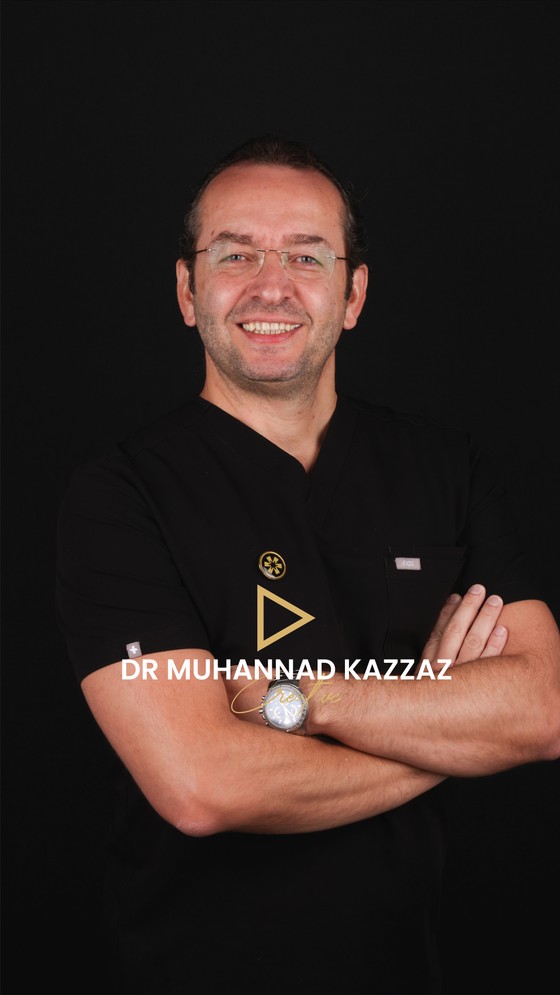
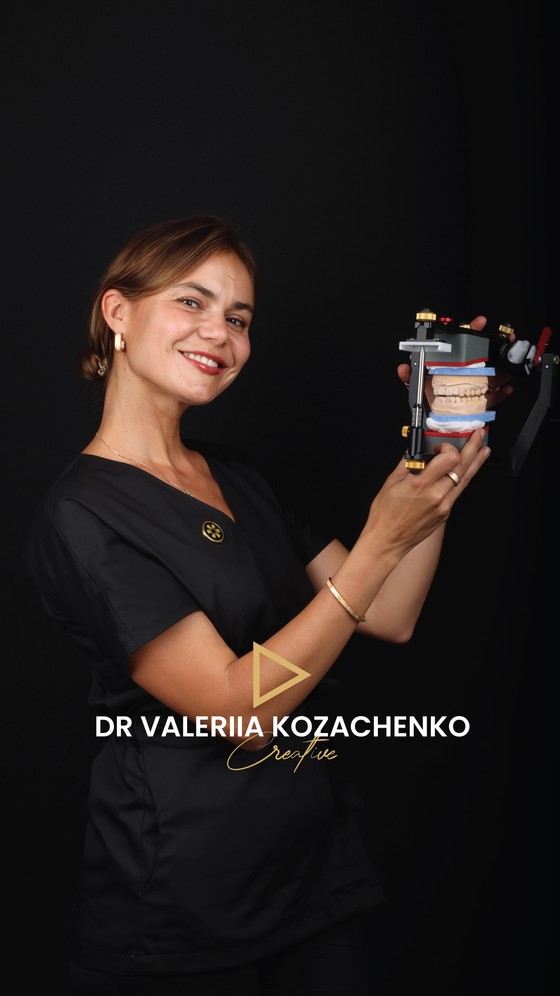
At Creative Arts, orthodontic treatment is planned and carried out by the two DHA-registered specialist orthodontists, Dr. Muhannad Kazzaz and Dr. Valeriia Kozachenko. Dr. Kazzaz focuses on complex and adult cases and on reviewing previous treatment; Dr. Kozachenko works with fixed braces and clear aligners and has a particular interest in TMJ and jaw function. Read the full page
Where can I check a Dubai orthodontist's licence?
Every dentist practising in Dubai is licensed by the Dubai Health Authority, and you can look up a practitioner's name and licence category on the DHA Sheryan register. The register shows whether someone is licensed as a specialist orthodontist or as a general dentist. It is worth checking before starting any long treatment. Read the full page
Can I see what my teeth will look like before I start?
Yes, in most cases. After an intraoral 3D scan, the orthodontist can show a digital plan of how the teeth are expected to move. It is a planning tool, not a promise: teeth respond biologically, and the plan may be adjusted during treatment if they move differently from the simulation.
Why does the orthodontist need X-rays and a scan before recommending anything?
Teeth that look simple from the front can hide problems: short roots, impacted or missing teeth, bone loss or a jaw imbalance. X-rays and a 3D scan let the orthodontist see roots, bone and the full bite, so the plan is based on your actual situation. Skipping diagnosis is one of the main reasons mail-order aligners go wrong. Read the full page
What do patients say about Creative Arts?
Creative Arts has a 4.8 rating on Google from 238 reviews, which you can read on the clinic's Google Business Profile. Reviews are a useful signal, but for orthodontics also ask who will treat you, how often you will be seen and what happens if teeth relapse. Those answers tell you more about long-term care. Read the full page
During treatment and after the braces come off
How sore are teeth in the first week of braces or aligners?
Most people feel a dull ache and tenderness for two to four days after braces are fitted or a new aligner set starts, then it settles. Soft food and over-the-counter pain relief usually help. Brackets can rub the cheeks at first; orthodontic wax protects them. Sharp or worsening pain should be checked. Read the full page
How many months does orthodontic treatment usually take?
Comprehensive treatment typically takes about 12 to 24 months. Simple alignment of a few teeth can be shorter, while complex bites, extractions or adult cases with gum or restorative work can take longer. Wearing elastics or aligners as instructed and keeping appointments has a real effect on the finish date. Read the full page
Which foods should I avoid with fixed braces?
Hard, sticky and chewy foods cause most broken brackets: nuts, hard sweets, toffee, ice, crusty bread bitten with the front teeth and whole apples or corn on the cob. Cut food into small pieces and chew with the back teeth. Sugary drinks sipped through the day raise the risk of white marks around the brackets. Read the full page
Do I need time off work when braces are fitted?
Usually not. Fitting braces or starting Invisalign is done in a normal appointment, and most people go back to work the same day. Teeth may feel tender for a few days, so plan softer meals. If you speak a lot for work, you may want to start aligners before a quieter week.
Why do I still need a retainer once my teeth are straight?
Gums and bone take months to adapt to the new tooth positions, and teeth keep a tendency to drift throughout life. A retainer holds them where treatment placed them. Options are a thin wire bonded behind the teeth, a removable clear retainer, or both, and the orthodontist explains how long and how often to wear yours. Read the full page
My teeth have moved again years after braces. Can it be fixed without starting over?
Often a smaller course of treatment is enough when the movement is mild, such as slight crowding of the lower front teeth. The orthodontist checks why the teeth moved, for example a lost retainer or gum changes, before suggesting aligners, braces or a new retainer. Larger relapse may need fuller treatment, which you will be told before you start. Read the full page
What can go wrong during orthodontic treatment, and how is it handled?
The common problems are white marks or decay from poor cleaning, gum inflammation, broken brackets, lost aligners and slower progress than planned. Less often there is root shortening or gum recession. Regular reviews are there to catch these early; the orthodontist may adjust the plan, pause treatment or send you for hygiene care.
What counts as an orthodontic emergency, and what can wait?
A loose bracket, a lost aligner or a wire that pokes can usually wait for an appointment in opening hours; wax covers a sharp wire. Contact the clinic sooner if a wire is cutting the cheek, an appliance is badly broken, or you had a blow to the face. Facial swelling with difficulty breathing or swallowing needs a hospital emergency department. Read the full page
Special situations
Can I start braces or Invisalign while pregnant?
Orthodontic treatment can often continue or start during pregnancy, but routine X-rays are usually postponed unless they are essential, which can delay planning. Pregnancy hormones also make gums more prone to bleeding, so cleaning around appliances matters even more. Tell the orthodontist if you are pregnant or planning to be, and the timing can be discussed.
Can I keep my braces or aligners comfortable while fasting in Ramadan?
Yes. With aligners, many people eat at suhoor and iftar, then clean their teeth and put the aligners back in, keeping wear time high because they are not eating during the day. With braces, soft meals at iftar and careful brushing before sleep help. Ask the orthodontist whether review visits need to shift during the month.
I'm very anxious at the dentist. Is orthodontic treatment harder for me?
Orthodontic visits are mostly short and involve no injections or drilling, which many anxious patients find easier than they expect. Fitting braces or attachments is done without anaesthetic in most cases. Tell the team about your anxiety at the start so each step is explained before it happens and you can take breaks. Read the full page
Dr. Arwaa · WhatsApp
Made by hand, in the same building
Tap a film to play it. Ceramic veneers and implant bridges are designed, milled, layered and finished by Creative Art Dental Lab, then fitted in the clinic.