
Trust before treatment
First visits are deliberately low-intensity: a ride in the chair, counting teeth, meeting the instruments. We use tell-show-do, explaining and demonstrating each instrument before it is used.
Short, calm first visits that build trust before any treatment, prevention matched to your child's risk, and honest advice for parents on sugar, brushing and habits.
Tell us your child's age and whether they have been to a dentist before, so the first visit can be planned around them.
Designed in the clinic and made by hand in Creative Art Dental Lab, in the same building in Jumeirah, Dubai.


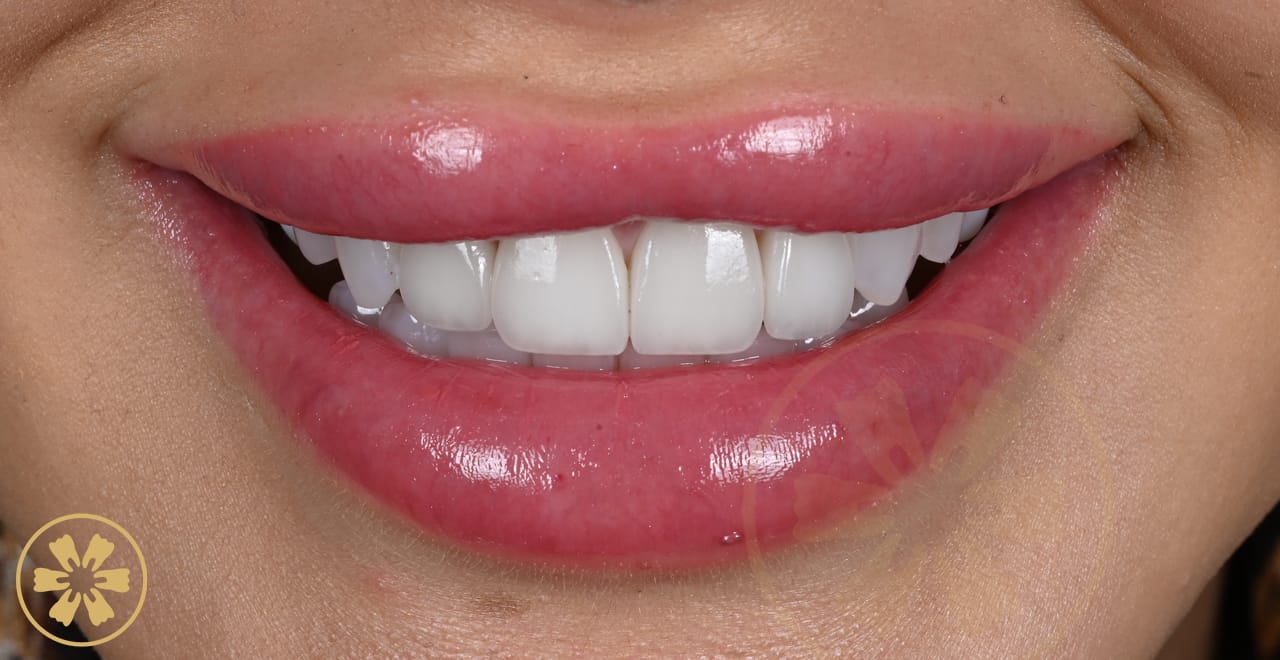


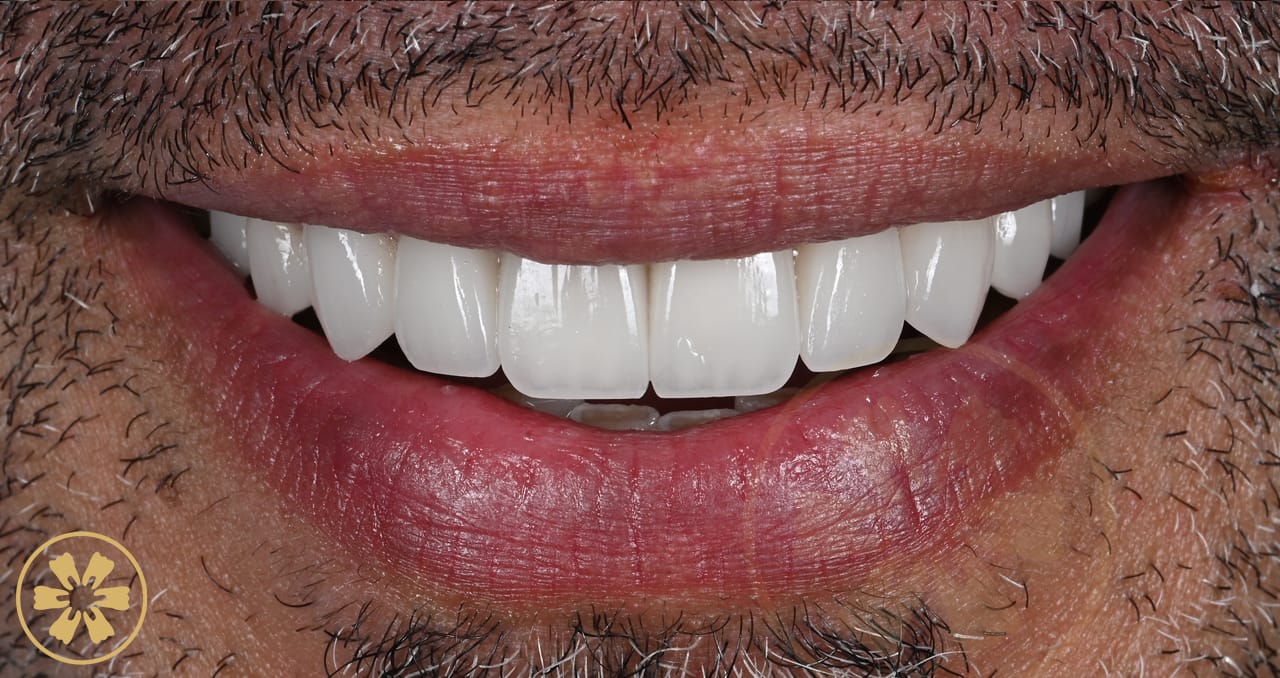
A child should first see a dentist by the first birthday, or within six months of the first tooth appearing. At Creative Arts in Dubai, children's dentistry starts with short, calm visits that build trust before any treatment: counting teeth, meeting the mirror and suction, and practical advice for parents. Prevention follows your child's risk, with fissure sealants and fluoride varnish where they help, and X-rays only when there is a clinical reason.
Who treats you here Dr. Iuliia Savitskaia General Dentist
Every dentist’s licence can be checked on the DHA Sheryan medical directory.
A child's attitude to the dentist is usually set in the first two or three appointments. Everything here is planned around that.
First visits are deliberately low-intensity: a ride in the chair, counting teeth, meeting the instruments. We use tell-show-do, explaining and demonstrating each instrument before it is used.
Fluoride varnish and fissure sealants are offered according to your child's diet, decay history, brushing and saliva, not applied automatically to every child at every visit.
Bite and growth are watched at every check-up. Around age seven, our specialist orthodontists can carry out an early orthodontic assessment to decide whether anything needs doing now or can wait.
We do not carry out treatment a child does not need, and we do not restrain a frightened child to finish a procedure that could wait. If a child is not ready, we say so and plan a gentler route.
By the first birthday, or within six months of the first tooth appearing. At Creative Arts the first visits are short and calm, to build trust before any treatment.
Tell us what you would like to change. A dentist reviews it, and you receive a written plan with prices before any treatment.
Tell us what you would like to change. We reply on WhatsApp or by phone during opening hours.
Prefer to chat? Send a photo on WhatsApp
If the first appointments are calm, unhurried and free of surprises, a child carries that expectation into adulthood. If the first visit happens because of toothache, the association is fear, and fear leads to avoidance: exactly the pattern that turns small problems into large ones.
So we encourage a first visit by the first birthday, or within six months of the first tooth, whichever comes first. That appointment is largely for you as a parent: feeding and bedtime routines, how to clean small teeth, dummy and thumb habits, and what to expect as more teeth arrive. For your child it is a chance to sit in the chair and meet the dentist with nothing to worry about.
Later check-ups follow the same principle. Visits stay short for young children, and anything new is explained first. Our guide to children's dental care covers the routine at home from the first tooth onwards.
The most common misconception in children's dentistry is that primary teeth are disposable. They do three jobs the adult teeth depend on.
Each baby tooth keeps the place for the adult tooth developing beneath it. Lose a baby molar early and neighbouring teeth can drift into the gap, so the adult tooth comes in crowded or blocked out.
Adult teeth follow the root of the baby tooth as it dissolves. Without that guide, an adult tooth can take the wrong path.
Chewing, speech development and confidence all depend on a healthy set of teeth during the years a child is learning to eat and talk.
Untreated decay in a baby tooth can lead to infection around the developing adult tooth in the bone below, which can leave permanent marks or defects in its enamel.
Prevention works best as a combination. The dentist recommends each item according to your child's risk.
| What it is | When it is used | What the evidence says | |
|---|---|---|---|
| Fissure sealants | A flowable resin that fills the deep grooves on the biting surfaces of molars, leaving a smooth surface a toothbrush can clean | On permanent molars shortly after they come through, usually around ages six and twelve. No drilling or injection; it takes minutes per tooth | A 2017 Cochrane review found resin sealants on permanent molars reduced decay in children aged 5–16 (moderate-quality evidence) |
| Fluoride varnish | A concentrated fluoride coating painted onto the teeth, which strengthens enamel and can reverse very early decay before a cavity forms | According to risk: diet, previous decay, brushing and saliva. Not automatically at every visit | A 2013 Cochrane review linked varnish with about 43% fewer decayed surfaces in permanent teeth and 37% fewer in baby teeth |
| Fluoride toothpaste at home | Brushing twice a day with a fluoride toothpaste, then spitting out without rinsing so the fluoride stays on the teeth | Every child, from the first tooth. A smear of toothpaste for the youngest, a pea-sized amount from about age three | The basis of prevention; professional measures add to it, they do not replace it |
| Sugar timing | Keeping sweet foods and drinks to mealtimes rather than spreading them through the day | Every child, and most important for children who already have decay | How often sugar is eaten matters more than how much |
Study figures are averages from research, not a promise for any one child. If your child already has decay, our page on tooth-coloured fillings explains how cavities are repaired.
How often sugar is eaten matters more than how much. Each time sugar is eaten or sipped, the mouth turns acidic for roughly twenty minutes. A biscuit eaten in one sitting is one acid attack. The same biscuit nibbled across an afternoon is many, and the teeth never get the chance to recover between them. Juice sipped from a bottle or cup all day works the same way.
Juice or milk in a bottle at bedtime is the highest-risk habit we see, because saliva, the mouth's own defence, slows right down during sleep. Water is the only safe drink once teeth are brushed at night.
The same principles apply to the whole family; our preventive dentistry page covers check-ups, cleaning and recall for adults.
The order adapts to the child. For very young or nervous children, some steps are spread over more than one short visit.
Your child sits in the chair, often on your lap if they are small, and meets the mirror, light and suction. Each instrument is shown and explained before it is used.
First minutesEach tooth is checked for early decay and enamel defects, and the gums, bite and the way the teeth are coming through are noted.
ExaminationLow-dose digital X-rays are taken only when there is a clinical reason, such as checking between teeth that touch or an adult tooth that has not come through. Never just because a check-up is due.
If indicatedFluoride varnish or fissure sealants are applied if your child's risk calls for them, and a gentle polish where needed.
If neededYou leave with practical advice on brushing, diet and habits, and a recall interval set for your child. If treatment is needed, you receive a written plan with the cost and alternatives first.
Before you leavePart of every check-up is watching how the teeth and jaws are growing. These are the habits we look out for.
Usually harmless if it stops by around age three. Beyond that it can change how the front teeth and the roof of the mouth develop.
Often a sign of a blocked nasal airway, and associated with changes in facial growth and with gum inflammation. Worth investigating with your doctor rather than ignoring.
Pushing the tongue forward when swallowing can stop the front teeth from meeting. We note it and explain whether it needs attention.
Common in young children and usually outgrown, so wear on baby teeth is normally monitored. Heavy wear, jaw pain or headaches warrant assessment; see teeth grinding.
Most alignment treatment waits until the adult teeth have come through, but a few problems are better caught early: crossbites, severe crowding and differences in how the jaws are growing. An orthodontic assessment around age seven shows whether early treatment would shorten or simplify later treatment. Often it would not, and the honest answer is to wait and monitor; the cases where it does help matter a great deal.
At Creative Arts, this assessment is carried out by our two specialist orthodontists, and any decision is made case by case. Read more about the early orthodontic assessment, or about orthodontics for teenagers if your child is older.
Most children manage well with short, well-prepared visits. Some need a different approach, and we plan it with you.
Keep any broken piece and call the clinic; we are open daily, 10:00–20:00. A knocked-out baby tooth is not put back, because that can damage the adult tooth beneath, but your child should still be checked. A knocked-out adult tooth needs urgent care: hold it by the crown, not the root, keep it in milk and come straight in. A head injury, or swelling with difficulty breathing or swallowing, needs a hospital emergency department immediately. See emergency dental care.
Children's check-ups, prevention and fillings are carried out by Dr. Iuliia Savitskaia, General Dentist. Orthodontic assessments are with our specialist orthodontists.
Most children's visits are check-ups and prevention. The cost depends on what the examination shows.
Clinical statements on this page are consistent with these independent sources. They describe averages from studies, not a promise for any one patient.
Parents looking for a pediatric dentist in Dubai usually want two things: someone calm with children, and honesty about what treatment is really needed. At Creative Arts, children's check-ups, prevention and fillings are carried out by Dr. Iuliia Savitskaia, General Dentist, and orthodontic assessments around age seven are with the specialist orthodontists.
X-rays are low-dose and taken only for a clinical reason. What a child's visit costs is explained on kids dentist cost, and any treatment is proposed in a written plan first.
Patients often ask
Children's teeth: the questions parents ask before the first dental visit
First dental visit, decay in baby teeth, fluoride, sealants, teething, thumb sucking, nervous kids and tooth injuries: plain answers from a Jumeirah, Dubai clinic.
Related guide
Removable Braces: Plates, Clear Aligners and What Each Can Do
Removable braces explained: what plates can and cannot do, how clear aligners differ, whether removable braces work for adults and kids, and when fixed suits.
Yes, in training. A pediatric dentist has completed additional postgraduate training focused on children, including those with complex medical or behavioural needs. Many children's check-ups, prevention and fillings are routinely provided by general dentists. At Creative Arts this care is given by Dr. Iuliia Savitskaia, General Dentist, with visits paced to the child; very extensive treatment in a young child may need general anaesthesia, which is arranged in a hospital rather than at the clinic.
By the first birthday, or within six months of the first tooth appearing, whichever comes first. That visit is mostly about familiarisation and giving parents feeding and cleaning advice, not treatment. Early, calm visits are what stop a child's first appointment from happening because of toothache.
Often, yes. Baby teeth hold space for the adult teeth, guide them into position and are needed for chewing and speech, and some stay until about age twelve. Untreated decay can cause pain and infection and can damage the adult tooth underneath. The dentist explains the options, including when a tooth close to falling out can simply be monitored.
That is normal and we plan for it. First appointments are short, nothing is forced, and we use tell-show-do, explaining and showing each instrument before it is used. A child who leaves calm comes back calm, which matters far more than how much is done in one visit. Tell us about any previous bad experience when you book.
Digital dental X-rays use a very low dose and are taken only when there is a clinical reason, such as checking between teeth that touch or looking at an adult tooth that has not come through. We do not take routine X-rays simply because a child is due a check-up. Our dental X-rays page explains more.
Sealants are usually placed on the permanent molars soon after they come through, which is typically around age six for the first molars and around age twelve for the second. They need no drilling or injection. Whether they are recommended depends on your child's decay risk and how deep the grooves are.
Fluoride varnish is a small amount of concentrated fluoride painted onto the teeth, where it sets and is gradually brushed away. It is widely used in children's dentistry to strengthen enamel. How often it is applied depends on your child's risk; children with no decay and a good diet may not need it at every visit.
Thumb and dummy sucking is usually harmless if it stops by around age three. If it continues after that, it can change how the front teeth and the roof of the mouth develop. The dentist will check for any effect at each visit and suggest gentle ways to help your child stop.
For some children with anxiety, additional needs or a lot of treatment, sedation options may be discussed with parents. The decision is made only after reviewing your child's medical history, with risks and alternatives explained, and sedation is given and monitored by an appropriately qualified, licensed clinician. Short, well-prepared visits are always the starting point.
Cover depends on your policy, so please ask us when you book and check with your insurer which check-ups, preventive care and treatments are included. Whatever the cover, you receive a written plan listing each item and its cost before any treatment starts.
Creative Arts has a single clinic on Jumeira Street (Jumeirah Beach Road). Ask about parking when you book.
Our clinic in Jumeirah Open in Google Maps · Rated 4.8 on Google from 242 patient reviews (October 2026) — read them
Tell us what you would like to change. The clinic replies within working hours with an appointment time.
Or call us +971 4 342 4444Or message us on WhatsApp
A consultation ends with a diagnosis and a written, itemised plan — not a sales pitch. Book online, message us on WhatsApp, or call the clinic.
Rated 4.8 on Google from 242 patient reviews (October 2026).
