Grooves a brush cannot reach
Pits and fissures on molars can be narrower than a single toothbrush bristle. Plaque and food sit in the bottom of them however well a child brushes.
The chewing surfaces of back teeth have grooves narrower than a toothbrush bristle. A sealant fills them with a thin protective coat, in minutes per tooth and without drilling.
Sealants are usually discussed at a routine check-up once the first adult molars have come through.
Fissure sealants are a thin resin coating painted into the deep grooves on the chewing surfaces of back teeth, sealing out food and bacteria where decay most often starts. They are usually placed on permanent molars soon after they come through, around ages six and twelve, with no drilling or injection. At Creative Arts in Dubai, the dentist recommends them according to your child's decay risk and how deep the grooves are, and checks them at routine visits.
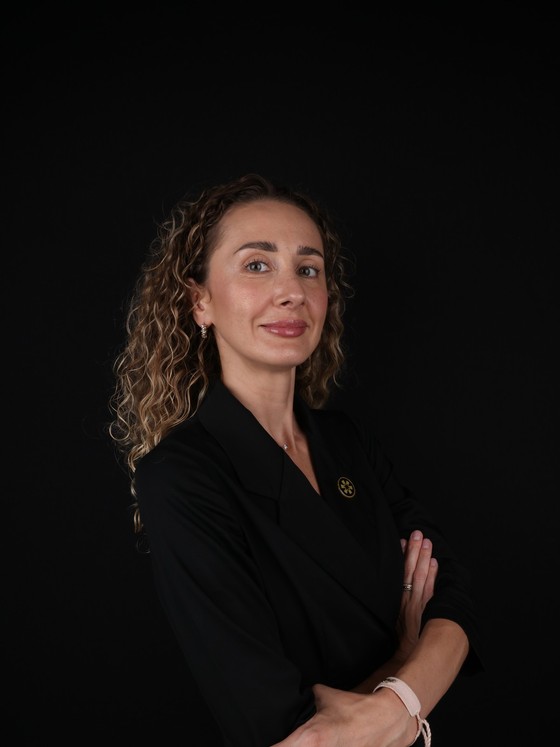
Who treats you here Dr. Duaa Ameen General Dentist · Dr. Julia General Dentist
Every dentist’s licence can be checked on the DHA Sheryan medical directory.
Most decay in children's permanent teeth starts on the biting surfaces of the molars, for these reasons.
Pits and fissures on molars can be narrower than a single toothbrush bristle. Plaque and food sit in the bottom of them however well a child brushes.
The first permanent molars come through behind the baby teeth at around six or seven, without any baby tooth falling out first. Parents often do not realise they are adult teeth that must last for life.
Teeth that have just come through are still maturing, and young children rarely clean the very back of the mouth well. A partly erupted molar is also harder to reach.
A sealant turns a deep, sticky groove into a shallow, smooth surface that a toothbrush can clean and that holds far less plaque.
Eruption ages are typical ranges from the American Dental Association's permanent teeth chart. Every child differs, so the dentist times sealants to the teeth actually present.
| Tooth | Usually comes through | When sealing is considered |
|---|---|---|
| First permanent molars | About 6 to 7 years | Soon after the chewing surface is fully through, if grooves are deep or risk is raised |
| Second permanent molars | About 11 to 13 years | Soon after they come through, especially if the first molars needed fillings |
| Premolars | About 10 to 12 years | Sometimes, when grooves are deep and decay risk is high |
| Baby molars | Already present | Selected children with deep grooves and a high risk of decay |
| Adult teeth in adults | Already present | Occasionally, for deep grooves with no cavity in people at higher risk |
A tooth that already has a cavity needs a filling rather than a sealant; see our page on tooth-coloured fillings.
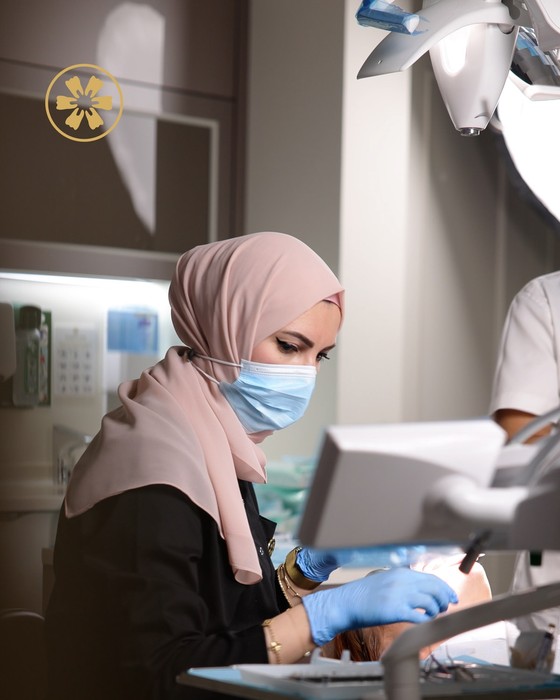
Most children find the visit easy: nothing is drilled, no injection is needed, and each tooth takes a few minutes.
The dentist examines the grooves to confirm there is no cavity. X-rays are taken only if there is a clinical reason, not routinely for sealants.
StartThe chewing surface is cleaned and kept dry with cotton rolls and gentle suction, because moisture makes a sealant fail.
MinutesA mild conditioning gel is applied to the grooves for a short time, then rinsed off and the tooth dried again, so the sealant can bond to the enamel.
SecondsThe liquid sealant is painted into the pits and grooves, then set hard with a curing light.
About a minute per toothThe dentist checks that the sealant is complete and that your child's bite feels normal, smoothing any high spot.
EndSealants are one of the better-studied preventive treatments in children's dentistry. A 2017 Cochrane review found that resin sealants on permanent molars reduced decay in children aged 5 to 16, based on moderate-quality evidence. A clinical guideline from the American Dental Association and the American Academy of Pediatric Dentistry recommends sealants on the molars of children and adolescents, finding them more effective at preventing decay in the grooves than no sealant or fluoride varnish alone.
Sealants are not permanent. They can last for several years, but chewing gradually wears them and part of a sealant can chip away, leaving a groove exposed. That is why they are checked at every routine visit and topped up or repaired when needed, which is quick and does not involve drilling.
On safety, parents sometimes ask about BPA. The ADA states that dental materials, including sealants, may release exceedingly low levels of BPA for a few hours after placement, and that current evidence shows no health concern from this exposure.
Not every tooth needs sealing. The dentist looks at the teeth themselves and at your child's overall risk.
These treatments do different jobs and are often combined rather than chosen between.
| Fissure sealant | Fluoride varnish | Filling | |
|---|---|---|---|
| Purpose | Prevents decay starting in the grooves | Strengthens enamel and can reverse very early decay | Repairs a cavity that has already formed |
| Surfaces protected | Chewing surfaces of back teeth only | All tooth surfaces, including between teeth | The damaged area only |
| Drilling or injection | No | No | Usually drilling; often local anaesthetic |
| When it is used | Once, soon after a molar comes through, then maintained | Repeated at intervals set by risk | When decay has broken through the enamel |
| Where to read more | This page | Fluoride treatment for children | Tooth-coloured fillings |
Fluoride toothpaste twice a day remains the foundation.
Sealants protect only the chewing surfaces of the teeth they cover. Decay can still start between the teeth or along the gum line, so twice-daily brushing with a fluoride toothpaste, limiting sugary snacks and drinks between meals, and regular check-ups remain essential. Our guide to kids' toothpaste and brushing covers the right amount of toothpaste by age, and fluoride treatment explains how varnish protects the other surfaces.
Adults can have sealants too, although the research is strongest in children and teenagers. They are sometimes advised for adults with deep grooves and no existing decay who are at higher risk, for example because of a dry mouth or frequent snacking. For anyone whose tooth already has decay, the answer is a tooth-coloured filling; our page on tooth decay explains the stages.
Sealants are one part of our children's dentistry in Dubai.
Fissure sealants at Creative Arts are placed by our general dentists, who also look after children's routine check-ups and prevention.
Fees are explained before treatment. These are the factors that change what you pay.
Clinical statements on this page are consistent with these independent sources. They describe averages from studies, not a promise for any one patient.
No. Placing fissure sealants does not involve drilling or injections. The tooth is cleaned, kept dry, conditioned with a mild gel, and the sealant is painted on and set with a light. Most children find the hardest part is keeping their mouth open for a few minutes, and they can eat normally straight afterwards.
Sealants can last several years, but chewing gradually wears them and small pieces can chip off. They are checked at each routine check-up, and any worn or missing area is topped up quickly without drilling. Regular checks matter more than the original sealant lasting forever.
The American Dental Association states that dental materials, including sealants, may release exceedingly low levels of BPA for a few hours after placement, and that current evidence shows no health concern from this exposure. Sealants are a widely recommended preventive treatment for children, placed without drilling or anaesthetic.
Sometimes. A very early change in a groove that has not become a cavity can be sealed, and the ADA and AAPD guideline found sealants can help stop such early lesions progressing. If the enamel has broken down into a cavity, the tooth needs a filling instead. The dentist decides after examining the tooth closely.
Not routinely. Sealants on baby molars are considered for children with deep grooves and a high risk of decay, for example when they already have cavities elsewhere. For most children, the focus is on sealing the permanent molars when they come through, alongside fluoride and good home care.
Yes, in selected cases. Adults with deep grooves, no existing decay and a higher risk, such as a dry mouth or frequent snacking, may benefit. The research is strongest in children and teenagers, so for adults the dentist weighs the risk of decay on each tooth before recommending sealants.
They do different jobs. Fluoride varnish strengthens all tooth surfaces, while sealants physically block the deep grooves on chewing surfaces, where fluoride is less effective. The ADA and AAPD guideline found sealants more effective than fluoride varnish alone for preventing decay in those grooves, so children at risk often benefit from both.
Creative Arts has a single clinic on Jumeira Street (Jumeirah Beach Road). Ask about parking when you book.
Our clinic in Jumeirah Open in Google Maps · Rated 4.8 on Google from 238 patient reviews (October 2026) — read them
Tell us what you would like to change. The clinic replies within working hours with an appointment time.
Or call us +971 4 342 4444Or message us on WhatsApp
A consultation ends with a diagnosis and a written, itemised plan — not a sales pitch. Book online, message us on WhatsApp, or call the clinic.