The check around age seven

Children's Orthodontic Assessment in Dubai

By about seven, a child's first adult molars and front teeth are through, so a specialist orthodontist can see how the bite and jaws are developing. For most children, the outcome is simply a plan to keep watching.

  • Two specialist orthodontists
  • Most children simply monitored
  • Bite, jaws and habits checked
Call +971 4 342 4444

The visit is an examination and an explanation for parents with a specialist orthodontist. Nothing is fitted to the teeth.

Assessment, not bracesMost children are monitored rather than treated.
Quick answer

What is an orthodontic assessment for children around age seven?

It is a check of how a child's teeth, bite and jaws are developing, usually around age seven, once the first adult molars and front teeth have come through. At Creative Arts in Dubai, a specialist orthodontist looks for crossbites, crowding, protruding or deep-biting front teeth, missing or extra teeth and habits. Most children are simply monitored; if an early step might help, the specialist explains what it would involve.

27 yearsIn-house dental laboratory in the same building
Written planItemised treatment plan before you commit
Open daily10:00–20:00, seven days a week
Jumeirah 3614 Jumeira St, Umm Suqeim 1, Dubai
At a glance

The children's orthodontic assessment in brief

Who examines your child
Specialist orthodontists Dr. Muhannad Kazzaz and Dr. Valeriia Kozachenko
Usual age
Around seven; sooner if you or your child's dentist notice a problem with the bite
What is checked
Incoming adult teeth, space, the bite from the front and sides, jaw width and movement, and habits
Records
Photographs where useful; an X-ray only when the examination suggests a missing, extra or blocked tooth
Most common outcome
Monitoring, with a review timed to the next teeth coming through
If something needs attention
The specialist explains the step, its timing and its limits before anything is decided
Where
614 Jumeira St, Jumeirah 3, Dubai; open daily 10:00–20:00

Routine check-ups continue with your child's dentist or our children's dentistry team.

Timing

Why around age seven, and not earlier or later?

Seven is not a rule, but it is a useful moment. Orthodontic organisations such as the American Association of Orthodontists suggest a first orthodontic check by about this age, for practical reasons:

  • The back bite is set: the first adult molars, which usually arrive around age six, show how the upper and lower jaws meet from front to back.
  • The front teeth are arriving: the adult incisors reveal whether there will be enough space, and whether any tooth is coming through behind its neighbours.
  • The jaws are still growing: problems of jaw width or position are easier to read while growth is under way, and some respond differently before growth ends.
  • Many adult teeth are still hidden: canines and premolars have not erupted, so an X-ray, where needed, can show whether any are missing, extra or heading the wrong way long before anyone could see it.

Earlier than this, many bite features are temporary; much later, some options that growth offers have passed. The check commits your child to nothing and gives you a baseline.

What is checked

What does the orthodontist look for in a seven-year-old?

The assessment is a structured look at five things. None of it involves treatment.

01

The bite from the front

Whether the upper front teeth stick forward, cover too much of the lower ones, or close behind them. Prominent upper front teeth are more easily injured in a fall. How these are corrected later is explained on overbite correction.

02

Jaw width and sideways shifts

Whether upper back teeth close inside the lower ones, and whether the lower jaw slides to one side to bite. A crossbite with a jaw shift is one of the main things this check is designed to catch.

03

Space for the adult teeth

Crowding of the new front teeth, baby teeth lost early to decay or injury, and whether neighbouring teeth are drifting into the space an adult tooth will need later.

04

Missing, extra or blocked teeth

Adult teeth that have not formed, an extra tooth stopping another from erupting, or an upper canine heading off course. These are confirmed with an X-ray only when the examination points to them.

05

Habits, breathing and the tongue

Thumb or finger sucking, a dummy, a tongue that pushes forward when swallowing, or mostly breathing through the mouth. These can shape the bite; persistent mouth breathing may also need a check by your child's doctor.

Watch or act?

Why are most children only monitored after the assessment?

Many things that worry parents at seven are normal stages of development. These lists show how the decision usually goes; the examination decides for your child.

Usually normal at this age: monitored

  • A gap between the upper front teeth before the canines arrive
  • New front teeth that look large or slightly fanned out
  • Mild crowding of the lower front teeth
  • Baby teeth falling out in an unexpected order while the adult teeth are present
  • A mild deep bite with no contact on the gum

May lead the specialist to discuss an early step

  • A crossbite where the lower jaw shifts sideways or forwards on closing
  • Upper front teeth so prominent they are at risk in falls
  • Front teeth that close behind the lower front teeth
  • An adult tooth that is missing, extra or not coming through on time
  • A habit still changing the bite after the adult front teeth have arrived
The visit

What happens at your child's orthodontic assessment?

Expect an appointment built around looking and explaining, with time for your questions.

  1. Your questions first

    Your concerns, your child's medical history, habits, when baby teeth were lost, and any family history of bite problems such as an underbite.

    Start
  2. A look at the teeth and bite

    The specialist counts the teeth, checks how they meet from the front and sides, and watches how the jaw moves as your child closes.

    Same visit
  3. Records only if needed

    Photographs help track change over time. An X-ray is taken only when it would answer a specific question, such as a tooth that has not appeared.

    If needed
  4. What was found, in plain words

    What is normal for your child's age, what is worth watching, and anything that would change the advice.

    Same visit
  5. A review date or a next step

    Most children get a review timed to the next teeth erupting. If an early step might help, the specialist explains what it involves, its limits and whether later treatment would still be likely.

    Before you leave
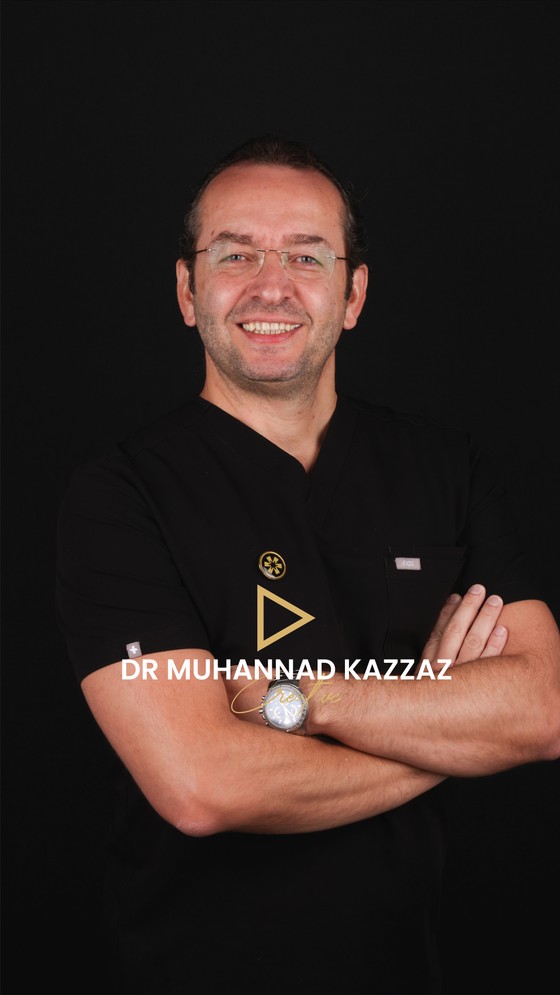
Dr. Muhannad Kazzaz, specialist orthodontist, explaining treatment in a treatment room at Creative Arts
Dr. Muhannad Kazzaz, specialist orthodontist, explaining treatment at Creative Arts in Dubai.
For parents

How to prepare your child, and what to bring

A little preparation makes the visit easier for your child and more useful for you.

  • Tell them what will happen: someone will look at and count their teeth, and may take photographs. Nothing is fixed onto the teeth at an assessment.
  • Bring recent X-rays: if your child's dentist has taken any, they may save repeating one.
  • Note the habits: thumb sucking, nail biting, snoring or mouth breathing, and when they happen.
  • Write down your questions: for example, whether a gap will close, why a tooth is coming in behind another, or when treatment would normally start if it were needed.

If your child is nervous about dental visits, mention it when you book so the appointment can be paced for them. Everyday care at this age is covered in our guide to children's dental care.

An early assessment is not early treatment

Seeing an orthodontist at seven does not mean braces at seven. Most children who need orthodontics start comprehensive treatment once most adult teeth are through, often in the early teens; see orthodontics for teenagers and our orthodontics overview. Where the specialist thinks an earlier step could help, for example with a crossbite that makes the jaw shift, they explain what it would involve, what it can and cannot achieve, and whether a second phase would still be needed, so you can decide with the full picture.

Who treats you

Who sees your child at Creative Arts

Children's orthodontic assessments are carried out by our two specialist orthodontists. Dr. Valeriia Kozachenko has a particular focus on jaw function, and Dr. Muhannad Kazzaz often sees complex bite problems.

Patient questions

Frequently asked questions

Is seven too early, or nine too late, for a child's orthodontic assessment?

Neither. Around seven is a good time because the first adult molars and front teeth are usually through and the jaws are still growing, but a first orthodontic assessment at nine or ten is still useful. You do not need to wait for seven if you notice a crossbite, front teeth that close behind the lower ones, or a jaw that shifts when your child bites.

Does an orthodontic assessment at seven mean my child will need braces early?

No. Most children seen at this age are simply monitored, and any comprehensive treatment usually waits until most adult teeth have come through, often in the early teens. The assessment sets a baseline and spots the few problems where timing matters. If an early step might help, the specialist explains it and you decide.

Will my child need an X-ray at the orthodontic assessment?

Not necessarily. Many assessments need only an examination and perhaps photographs. An X-ray is taken when it would answer a specific question, such as whether an adult tooth is missing, whether an extra tooth is blocking another, or where an upper canine is heading. Recent X-rays from your child's dentist may avoid repeating one.

Can thumb sucking affect my child's bite and teeth alignment?

It can. A sucking habit that continues after the adult front teeth arrive can push the upper teeth forward, stop the front teeth meeting and narrow the upper jaw. Many children stop on their own, and some changes then improve. The orthodontist checks whether the habit is affecting the bite; persistent problems are covered on our open bite correction page.

My child has a gap between the front teeth. Is that a reason for an orthodontic check?

A gap between the upper front teeth is common between about seven and nine and often narrows as the canines come through. Mention it at the assessment, especially if the gap is large or a tooth seems to be missing, because an X-ray may then be useful. The band of gum between the two front teeth is checked as well.

How often is a child reviewed after an early orthodontic assessment?

Reviews are timed to the next stage of tooth development, often every six to twelve months, so the specialist can compare the bite with the previous visit. Regular dental check-ups continue in between. You can bring a review forward if you notice a change, such as a tooth coming in behind another or a new shift of the jaw.

Book a consultation

Request a consultation

Tell us what you would like to change. The clinic replies within working hours with an appointment time.

Book Your Consultation

Or call us +971 4 342 4444Or message us on WhatsApp

Talk to a dentist about your case

A consultation ends with a diagnosis and a written, itemised plan — not a sales pitch. Book online, message us on WhatsApp, or call the clinic.

Call +971 4 342 4444
CallWhatsApp