A small scratch, then warmth
A fine needle guides a soft plastic tube (cannula) into a vein in the hand or arm; only the tube stays. Within a minute or two of the first dose, most people feel warm, heavy and calm.
A sedative given through a fine cannula and increased in small steps until you are deeply relaxed but still responsive. Chosen after a medical review and monitored throughout by a licensed clinician.
The first visit covers your medical history and the treatment you need. IV sedation is booked only once it is agreed as suitable.
IV sedation is conscious sedation in which a sedative medicine is given through a fine cannula in the hand or arm and increased in small steps until you are deeply relaxed. You keep breathing for yourself and can respond, yet many people remember little afterwards. At Creative Arts in Dubai it is used alongside local anaesthesia, after a medical review, and given and monitored by a qualified, licensed clinician.
Most people describe the same sequence. Knowing it in advance removes much of the uncertainty.
A fine needle guides a soft plastic tube (cannula) into a vein in the hand or arm; only the tube stays. Within a minute or two of the first dose, most people feel warm, heavy and calm.
You can still hear, answer and open wider when asked. That is what “conscious” sedation means: you breathe for yourself and keep reflexes such as coughing and swallowing.
Many people remember little of the treatment, so a long surgical appointment can feel like a few minutes.
The deep effect fades soon after the last dose, but judgement and reaction times stay slower for hours, even when you feel fine.
IV sedation is chosen for a clear reason after a medical review, not added to every appointment.
Whatever the procedure, IV sedation follows the same stages.
Health, medicines, allergies and past reactions to sedation are reviewed; written instructions follow.
Before the dayConsent is confirmed and baseline pulse, oxygen level and blood pressure are recorded.
On arrivalThe sedative is given in small amounts until you are relaxed but still responsive.
StartLocal anaesthetic is given, then the procedure goes ahead while breathing, oxygen level and pulse are watched.
TreatmentYou rest until you can stand, walk and talk normally; then the cannula is removed.
AfterwardsYou leave with your adult escort and written aftercare.
Same dayYour own written instructions take priority over this summary.
| Before your appointment | After your appointment | |
|---|---|---|
| Food and drink | Follow the fasting or light-meal instructions exactly; they differ between procedures | Fluids and soft food once the numbness wears off |
| Medicines | Keep taking regular medicines unless told otherwise; diabetes medicines and blood thinners are discussed in advance | Pain relief as advised; no alcohol or sleeping tablets that day |
| Escort | Arrange a responsible adult to bring you and take you home | Someone stays with you for the rest of the day |
| Driving and decisions | Do not drive to the appointment | No driving, machinery or signing documents until the next day; many clinicians advise 24 hours |
| Clothing | Loose sleeves; no nail varnish on at least one finger for the oxygen clip | A small bruise at the cannula site is common and fades |
If you feel unwell in the days before, call the clinic: sedation may need to be rescheduled.
No. You stay responsive, breathe for yourself and keep your swallowing and coughing reflexes. Because many people remember little, it is often described as being “asleep”, but the difference matters for safety, fasting and recovery. Being fully unconscious is general anaesthesia, given by an anaesthesiologist with your breathing supported, for selected extensive surgery or when sedation would not be enough; see sedation vs general anaesthesia.
IV sedation does not replace local anaesthesia either: sedation changes how aware and anxious you are, the local anaesthetic numbs the area. Neither is a promise that you will feel nothing, and soreness afterwards is usually managed with over-the-counter pain relief. IV sedation is mainly used for adults; for children, comfort options are discussed separately.
An appropriately qualified, licensed clinician gives and monitors it in our operating rooms for dental and oral surgery. The option is chosen for you and the procedure after a medical-history review, and monitoring continues until you are ready to go home.
IV sedation appears as its own line in your written plan, separate from the procedure.
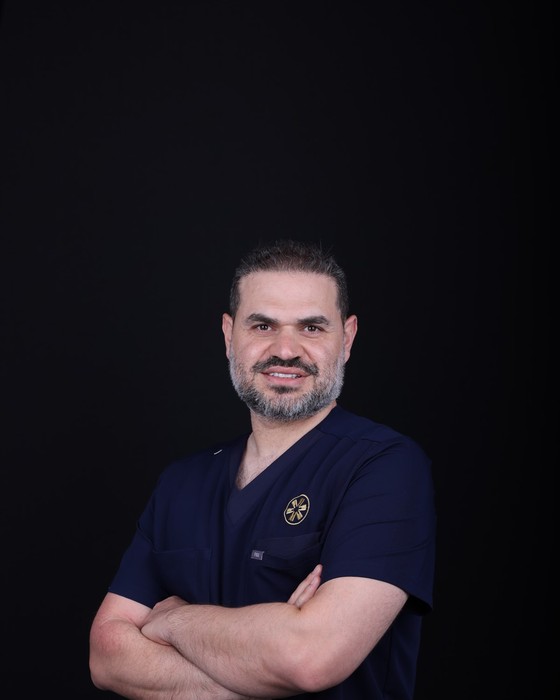
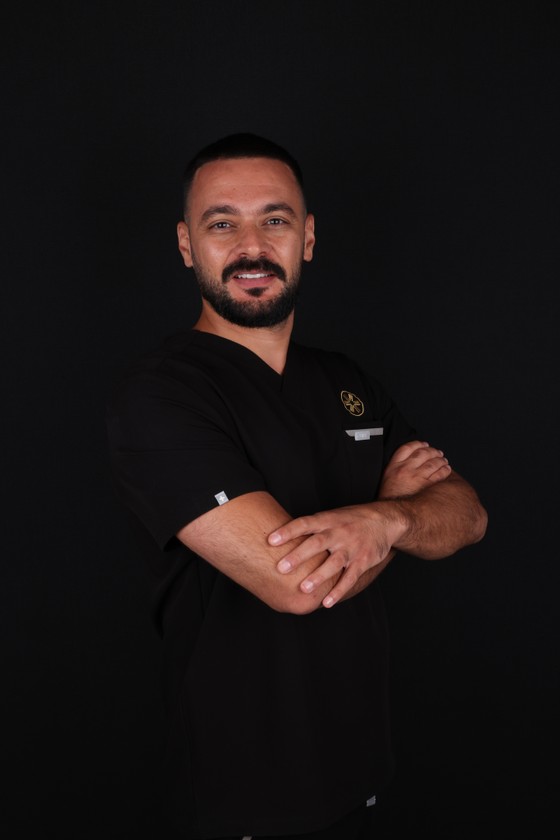
Dr. Firas Osman, Oral & Maxillofacial Surgeon & Implantologist, Dr. Khalid Saeed and Dr. Kinan Bonni plan the surgery and agree the sedation plan with you. See oral and maxillofacial surgery at Creative Arts.
No. You are deeply relaxed and drowsy but still able to respond, and you breathe for yourself. Many people remember little of the treatment, so it can feel like sleep. Being fully unconscious is general anaesthesia, a different option given by an anaesthesiologist.
Placing it feels much like a blood test: a sharp scratch for a moment. The needle is withdrawn and only a soft plastic tube stays in the vein. If needles are your main fear, say so at the consultation so the approach can be planned around it.
The deep relaxation fades soon after the last dose, and you leave once the clinician is satisfied you can walk and talk normally. Drowsiness and slower reactions last for hours, so avoid driving, alcohol and important decisions until the next day.
Yes. It is one of the most common reasons for IV sedation, especially when several teeth are removed or a tooth is deeply impacted. Local anaesthetic numbs the area as usual. Read how wisdom tooth removal is planned.
Follow your written instructions. Some clinicians ask for a light meal a couple of hours before, others for a longer fast, depending on the procedure and your health. Do not stop regular medicines unless told to; diabetes medicines are discussed individually.
It may be unsuitable, or need extra assessment, in pregnancy, with sleep apnoea, significant heart or lung disease, poorly controlled conditions, allergy to the sedative or medicines that add to sedation. It cannot go ahead without an adult escort. The medical review decides what is safe.
No. A responsible adult must take you home by car or taxi, not public transport, and ideally stay with you for the rest of the day. If you cannot arrange an escort, tell the clinic in advance; a lighter option such as laughing gas may be possible.
Tell us what you would like to change. The clinic replies within working hours with an appointment time.
Or call us +971 4 342 4444Or message us on WhatsApp
A consultation ends with a diagnosis and a written, itemised plan — not a sales pitch. Book online, message us on WhatsApp, or call the clinic.