Patches with clear edges
Cream, yellow or brown areas with a sharp border against normal enamel, often on one or more of the four first molars and sometimes on the upper front teeth.
When a child's new adult molars come through with cream, yellow or brown patches, crumble easily or hurt with cold air, the cause is often MIH: enamel that formed softer than normal. It is not the result of poor brushing.
Bring any X-rays or dental notes you already have.
Chalky teeth in children are usually molar incisor hypomineralisation (MIH), a developmental condition in which the enamel of the first adult molars, and often the front teeth, forms softer and more porous than normal. Affected teeth have cream, yellow or brown patches, can be very sensitive and may crumble soon after they come through. It is not caused by brushing or diet. At Creative Arts in Dubai, care starts with protection and sensitivity control, then repairs as needed.
Who treats you here Dr. Duaa Ameen General Dentist · Dr. Julia General Dentist
Every dentist’s licence can be checked on the DHA Sheryan medical directory.
MIH usually shows from around age six, when the first adult molars come through.
Cream, yellow or brown areas with a sharp border against normal enamel, often on one or more of the four first molars and sometimes on the upper front teeth.
Softer enamel can chip or crumble under chewing forces, sometimes within months of the tooth coming through, leaving rough or hollow areas.
Cold drinks, cold air or even the toothbrush can hurt, so children may avoid brushing or chewing on one side.
Affected molars can be harder to numb fully with local anaesthetic, which can make treatment more difficult for the child.
Molar incisor hypomineralisation means the enamel did not harden fully while the tooth was forming. The enamel of the first adult molars and incisors develops from around birth through the first years of life, long before those teeth appear in the mouth. If the enamel-forming cells are disturbed during that window, the affected area ends up with less mineral, looks opaque and chalky, and is weaker.
An information leaflet from King's College Hospital NHS Foundation Trust describes MIH as affecting around 1 in 8 children in the UK and notes that the cause is not fully known. Research has looked at illness and high fevers in early childhood, problems around birth and some medicines, but none has been proven as the single cause. What is clear is that MIH is not caused by poor brushing, sweets or anything parents did once the teeth came through. The pattern was set years earlier.
Home care still matters: chalky enamel decays more easily, so fluoride toothpaste twice a day and fewer sugary snacks protect it.
Several conditions cause spots on children's teeth; an examination confirms which.
| Typical look | Where it appears | What it usually means | |
|---|---|---|---|
| MIH | Cream, yellow or brown patches with sharp edges; may crumble | First adult molars, often front incisors; one side can be worse than the other | Developmental weakness of enamel; protect and repair as needed |
| Early decay | Chalky white band where plaque sits, often near the gum line | Wherever plaque collects | Mineral loss from acid; can often be stopped with fluoride and better cleaning |
| Fluorosis | White flecks, lines or a lacy pattern; enamel is hard | Usually similar on matching teeth on both sides | Too much fluoride while teeth formed; mild forms do not affect function |
| Injury or infection of a baby tooth | A spot or defect on one adult tooth | The tooth that replaced the affected baby tooth | Local damage during development; managed tooth by tooth |
Some children have more than one of these. Our page on white spots on teeth covers the wider picture.
Normal enamel insulates the inner layer of the tooth, the dentine, from temperature and touch. Porous MIH enamel insulates far less, and where it has broken away the dentine is exposed. Cold water, air from the dental tool or a toothbrush can then reach the nerve almost directly. Long-standing mild inflammation of the nerve is thought to be one reason numbing works less reliably.
Children who find brushing painful brush less, so plaque builds up and the soft enamel decays faster. Breaking that cycle comes first: fluoride varnish applied at the clinic, a fluoride toothpaste at home, lukewarm water for brushing and a soft brush often make brushing bearable again within weeks. Our page on sensitive teeth explains the mechanism in more detail.
a new molar has chipped or crumbled; your child has pain when eating or at night, or refuses to chew on one side; or the gum next to a molar swells or develops a spot. The clinic is open daily, 10:00–20:00, with no overnight service. Facial swelling with fever, or any swelling with difficulty breathing or swallowing, needs a hospital emergency department immediately.
From the most conservative to the most involved. Many children need only the first two or three rows; the choice depends on each tooth's severity, the child's age and how they cope.
| Option | When it fits | What to expect |
|---|---|---|
| Fluoride varnish and toothpaste | Every child with MIH, from the moment the teeth appear | A quick painted coating at check-ups; reduces sensitivity and protects soft enamel. See fluoride treatment |
| Fissure sealants | Mild MIH with enamel still intact | A protective coating over the grooves; no drilling. See fissure sealants |
| Tooth-coloured fillings | Areas that have broken down but with enough tooth left | Bonded fillings; may need repair over time because MIH enamel bonds less well. See fillings |
| Crowns | Molars with extensive breakdown or ongoing sensitivity | Preformed crowns are often used to cover the whole tooth; whether this suits your child, and whether it is done here or by referral, is decided at assessment |
| Extraction with orthodontic planning | Severely affected molars with a poor long-term outlook | Timing can let the next molar drift forward into the space; the specialist orthodontists can advise. See early orthodontic assessment |
| Cosmetic care for front teeth | Visible patches on incisors that bother an older child | Conservative options such as composite bonding when the child is older; bleaching is not used for young children (see whitening for teens) |
Treatment can be split into short visits. If extensive work is needed and a young child cannot manage it awake, see our guide to children's dental treatment under general anaesthesia.
MIH is long-term; the aim is to keep affected teeth comfortable and working as the child grows.
The dentist looks at every tooth, records which are affected and how severely, and asks about sensitivity, eating and brushing.
First visitUsed when breakdown or decay may go deeper than can be seen, or before extraction is considered.
If neededFluoride varnish, sealants where the enamel allows, and a home-care plan to reduce sensitivity.
EarlyFillings or crowns for broken-down areas, in short visits planned around how the child copes.
As neededChecks every few months, because MIH teeth can change quickly after eruption; the plan is updated as the child grows.
OngoingMIH ranges from small patches to molars that break down quickly.
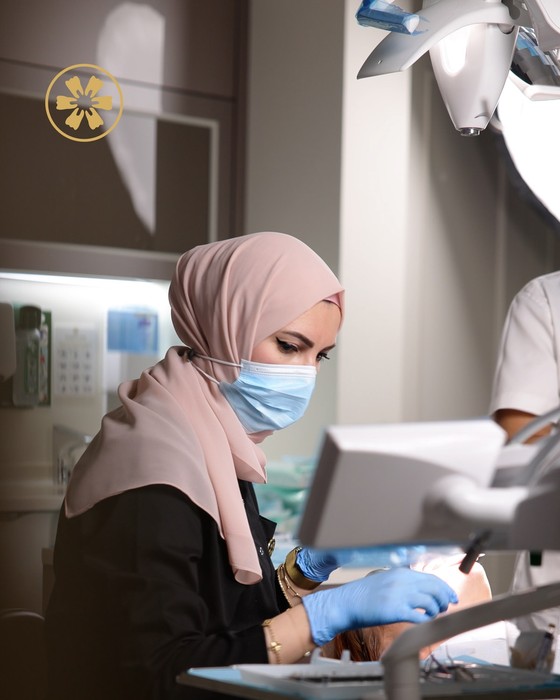
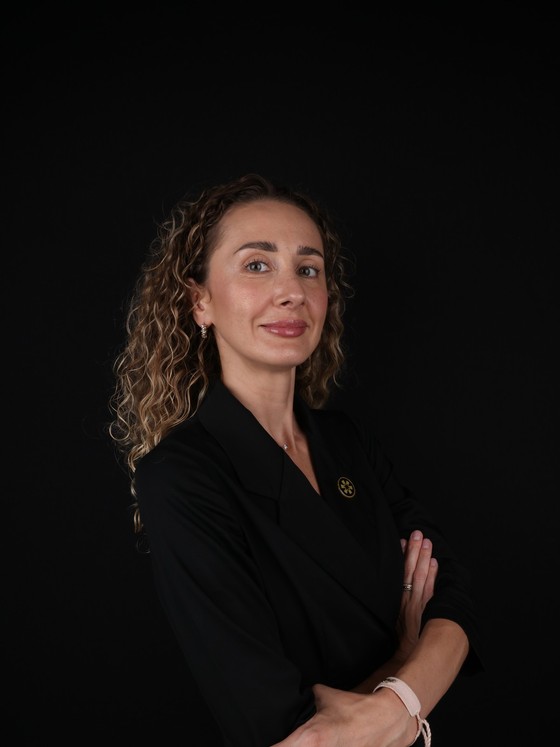
Dr. Duaa Ameen and Dr. Julia, General Dentists, see children for check-ups, prevention and treatment, involving the specialist orthodontists when extraction timing needs planning.
Clinical statements on this page are consistent with these independent sources. They describe averages from studies, not a promise for any one patient.
Yellow or brown patches on new adult molars that chip or crumble soon after they come through are the classic sign of MIH, where enamel formed softer than normal. Decay can look similar, so an examination is needed. Early fluoride varnish and sealants protect the teeth before more enamel breaks away.
No. MIH develops while the enamel is forming, from around birth to the first years of life, long before the teeth appear. Brushing and diet do not cause it. They do matter afterwards, because chalky enamel decays more easily, so fluoride toothpaste twice a day and limiting sugary snacks protect the affected teeth.
Porous MIH enamel insulates the inner tooth poorly, and where it breaks away the dentine is exposed, so cold air, cold drinks and even brushing reach the nerve easily. Fluoride varnish, fluoride toothpaste, a soft brush and lukewarm water often reduce sensitivity within weeks. Teeth that stay painful may need a filling or crown.
It depends on each tooth. Mildly affected molars with intact enamel are often sealed and protected with fluoride. Areas that have broken down need fillings, and molars with extensive breakdown may need a crown covering the whole tooth. Severely affected molars are sometimes extracted, with timing planned with an orthodontist.
No, the patches stay because the enamel is structurally different, but front teeth with MIH rarely break down like molars do. Treatment is usually cosmetic and can wait until the child is older and wants it. Conservative options such as bonding are considered first; bleaching is not used for young children.
A similar condition can affect the second baby molars. Children who have it are more likely to develop MIH in their adult molars later, so it is a useful early warning. The approach is the same: fluoride, sealants where possible and repairs to broken-down areas.
Creative Arts has a single clinic on Jumeira Street (Jumeirah Beach Road). Ask about parking when you book.
Our clinic in Jumeirah Open in Google Maps · Rated 4.8 on Google from 238 patient reviews (October 2026) — read them
Tell us what you would like to change. The clinic replies within working hours with an appointment time.
Or call us +971 4 342 4444Or message us on WhatsApp
A consultation ends with a diagnosis and a written, itemised plan — not a sales pitch. Book online, message us on WhatsApp, or call the clinic.