Laughing gas
Inhalation sedation
- How it feels
- Calm, warm and slightly floaty, fully aware
- Afterwards
- Wears off quickly once you breathe oxygen
- Often used for
- Mild to moderate anxiety and shorter visits
Sedation relaxes you while you stay conscious and breathe for yourself. General anaesthesia makes you fully unconscious, with your breathing supported. That one difference shapes fasting, recovery and who looks after you.
Bring a list of your medicines and any previous anaesthetic history; it is reviewed before an option is offered.
The difference is consciousness. Under conscious sedation, whether laughing gas, a tablet or IV, you stay able to respond and keep breathing for yourself, while feeling relaxed and often remembering little. Under general anaesthesia you are fully unconscious and an anaesthesiologist supports your breathing. At Creative Arts in Dubai, both are available in our operating rooms; the choice follows a medical-history review and depends on the procedure, your health and your anxiety.
Conscious sedation here means the levels used for dental treatment: laughing gas, tablet sedation and IV sedation.
| Conscious sedation | General anaesthesia | |
|---|---|---|
| Consciousness | Awake or drowsy; you can respond to your name or a light touch | Fully unconscious; you cannot be woken until the anaesthetic is reduced |
| Breathing | You breathe for yourself; your oxygen level is monitored | Breathing is supported by the anaesthesiologist, usually with an airway device or breathing tube |
| Memory afterwards | Often patchy or little memory, especially with IV sedation | No awareness of the procedure |
| Who gives it | An appropriately qualified, licensed clinician | An anaesthesiologist, who stays with you from start to finish |
| Before the day | Medical-history review; written instructions on food, drink and medicines, which vary by type | Full pre-assessment, sometimes with tests or a letter from your doctor; strict fasting times in writing |
| Recovery | Laughing gas wears off within minutes; tablets and IV leave you drowsy for some hours | You wake in a recovery area and usually feel groggy for the rest of the day |
| Going home | With an adult escort after tablet or IV sedation; after laughing gas, as your clinician advises | With an adult escort, and someone should stay with you for 24 hours |
| Typical uses | Dental anxiety, a strong gag reflex, wisdom teeth, implant surgery, longer sessions | Extensive surgery, severe phobia that sedation cannot manage, special needs, major jaw surgery in hospital |
General patterns. The clinician giving your sedation or anaesthetic sets your own instructions.
Picture a scale rather than two separate boxes. Minimal sedation takes the edge off anxiety; moderate or conscious sedation makes you deeply relaxed and drowsy while you can still respond and breathe normally; deep sedation is harder to rouse; and general anaesthesia is the far end, where you are unconscious and cannot keep your own airway open without help.
Dental sedation is planned to stay in the conscious range. People sometimes say they were "asleep" under IV sedation because they were so relaxed and remember so little, but they were breathing for themselves and responding throughout. Terms such as "sleep dentistry" blur this line, so ask exactly which level is being offered.
Two things hold across the scale. Neither option replaces local anaesthetic, which is what blocks pain at the tooth or gum. And the deeper you go, the more monitoring, preparation and recovery are needed, which is why the lightest option that lets you be treated comfortably is usually preferred.
Four options, from lightest to deepest, each with its own trade-offs.
Inhalation sedation
Oral conscious sedation
Intravenous conscious sedation
Given by an anaesthesiologist
Most dental and oral surgery is done under local anaesthetic, with sedation added when it helps, including for dental anxiety. General anaesthesia is reserved for situations where staying conscious is not workable.
The procedure is planned first; the anaesthesia is then matched to it and to you.
The dentist or surgeon examines you and explains what the procedure involves and how long it is likely to take.
ConsultationMedicines, medical conditions, breathing or sleep problems, pregnancy and any previous reactions to anaesthesia are reviewed. Some findings rule an option out or mean a hospital setting is safer.
ConsultationYou agree which level suits you and why, then receive written instructions on food, drink and medicines, and arrange an adult escort where one is needed.
Before the dayThe clinician giving the sedation or the anaesthesiologist monitors you throughout, and you leave only when you meet the discharge checks.
On the dayBoth are safe when the patient is properly assessed and the person giving them is trained, licensed and monitoring continuously. The real question is which carries fewer risks for you and this procedure.
With sedation, the main concern is becoming more deeply sedated than intended, which can slow breathing. That is why doses are given in steps, oxygen levels are watched throughout, and sedation follows a medical review. Side effects are usually mild, such as drowsiness.
With general anaesthesia, the anaesthesiologist controls your breathing, so preparation is more thorough: a pre-assessment, strict fasting to protect your lungs, and a longer recovery. A sore throat, nausea and grogginess are common afterwards. Some medical conditions make a hospital the better setting, and your team will tell you if that applies.
Each option has its own page: laughing gas, tablet sedation, IV sedation and general anaesthesia.
Reaction times and judgement stay affected for the rest of the day even when you feel normal. Arrange an adult to take you home, and avoid driving, machinery, important decisions and alcohol until the next day. Laughing gas wears off much faster; your clinician will tell you when it is safe to travel.
See where sedation and general anaesthesia take place at Creative Arts: the operating rooms, the instructions before your surgery and what happens on the day.
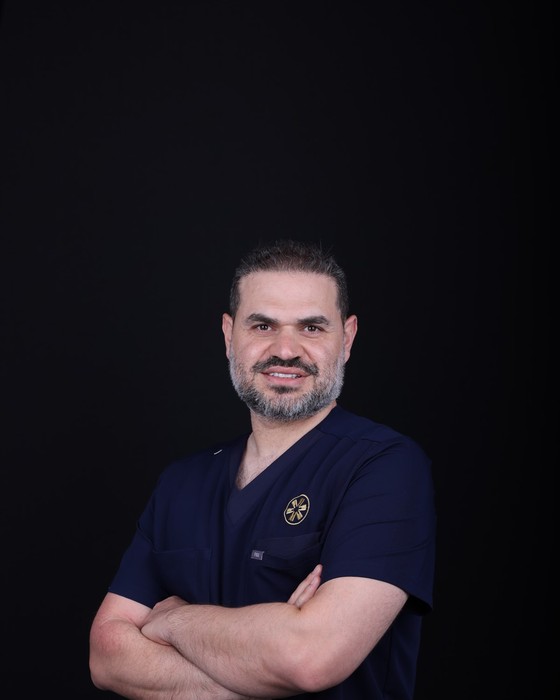
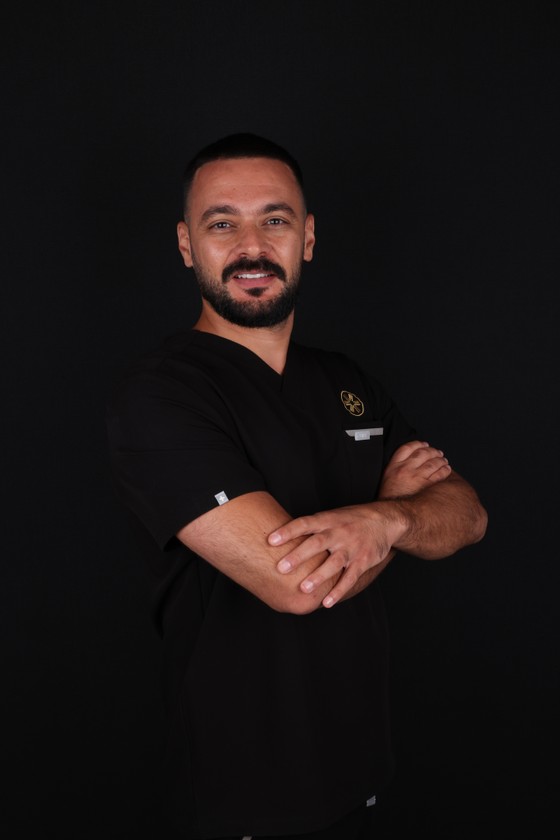
Our surgical suiteDr. Firas Osman, Oral & Maxillofacial Surgeon & Implantologist, with Dr. Khalid Saeed and Dr. Kinan Bonni, plan the surgery and discuss anaesthesia options with you. Sedation is given and monitored by an appropriately qualified, licensed clinician, and general anaesthesia by an anaesthesiologist.
No. IV sedation is conscious sedation: you are deeply relaxed and may remember little, but you breathe for yourself and can respond when spoken to. General anaesthesia makes you fully unconscious, and an anaesthesiologist supports your breathing. The preparation, monitoring and recovery for general anaesthesia are more involved.
Both are safe when you are properly assessed and the person giving them is qualified and monitoring you throughout. Sedation usually involves less preparation and a quicker recovery, so it is preferred when it allows comfortable treatment. General anaesthesia is chosen when it is the safer or only practical way to carry out the procedure.
You can ask, and it will be discussed. Most wisdom teeth are removed under local anaesthetic, with sedation for anxious patients or several teeth at once. General anaesthesia may be considered for very extensive surgery or severe phobia, after a medical review. The aim is the lightest option that lets you be treated comfortably and safely.
It depends on the type. General anaesthesia always requires strict fasting, with exact times given in writing. For IV or tablet sedation you also receive written food and drink instructions, while laughing gas usually needs less preparation. Follow your own instructions rather than general advice.
Under general anaesthesia you are unconscious and unaware of the procedure. Under sedation, local anaesthetic blocks pain at the treatment site, so you may notice pressure or movement but should not feel sharp pain. Some soreness afterwards is normal and is usually managed with the pain relief you are advised to take.
At Creative Arts, sedation is given and monitored by an appropriately qualified, licensed clinician, and general anaesthesia by an anaesthesiologist who stays with you throughout, so the surgeon can concentrate on the operation. Your medical history is reviewed before either is offered.
Laughing gas wears off within minutes. After tablet or IV sedation you feel drowsy for several hours and should rest for the rest of the day. After general anaesthesia you usually feel groggy for the rest of the day and need someone with you for 24 hours. Most people feel themselves again by the next day.
Tell us what you would like to change. The clinic replies within working hours with an appointment time.
Or call us +971 4 342 4444Or message us on WhatsApp
A consultation ends with a diagnosis and a written, itemised plan — not a sales pitch. Book online, message us on WhatsApp, or call the clinic.