How strong is the fear?
Unease before visits is often handled with explanation, a stop signal and laughing gas. Fear that has kept you away for years may point to tablet or IV sedation for the first larger treatment.
There are five levels, from local anaesthetic alone to general anaesthesia. The right one depends on your fear, the procedure and the rest of your day, not on which sounds strongest.
Tell us what worries you most and which treatment you need; the options are explained before anything is booked.
Laughing gas suits mild to moderate anxiety and short visits, and wears off within minutes. A sedation tablet gives deeper relaxation without a cannula but needs an escort. IV sedation suits marked fear and longer surgery such as wisdom teeth or implants. General anaesthesia is kept for selected cases. At Creative Arts in Dubai the choice is made with you after a medical-history review, and local anaesthetic is still used for pain.
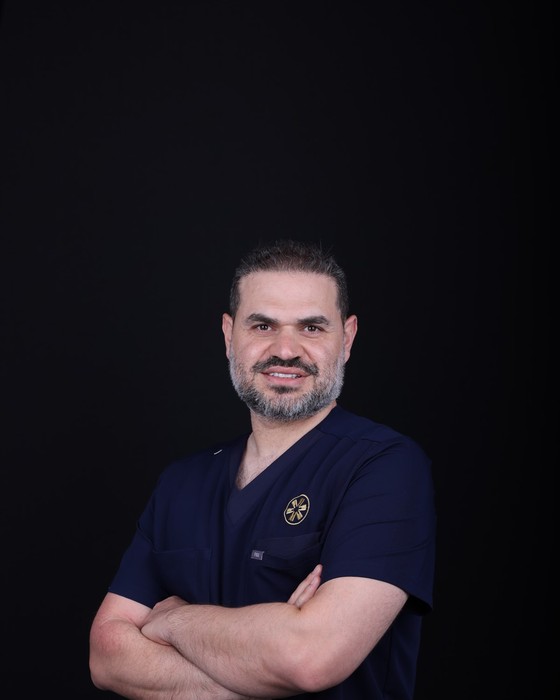
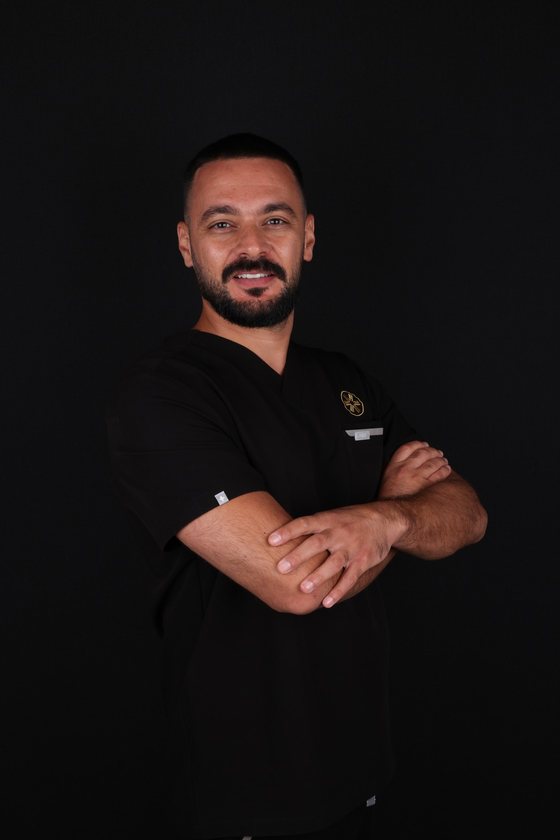
Who treats you here Dr. Firas Osman Oral & Maxillofacial Surgeon & Implantologist · Dr. Khalid Saeed Co-founder & Dentist · Dr. Kinan Bonni Dentist
Every dentist’s licence can be checked on the DHA Sheryan medical directory.
The five options as they affect you on the day. Your own instructions come from the clinician who looks after you.
| Local only | Laughing gas | Sedation tablet | IV sedation | General anaesthesia | |
|---|---|---|---|---|---|
| How awake you are | Fully awake | Awake, calm and a little floaty | Drowsy, relaxed; can respond | Deeply relaxed; can respond, often remember little | Unconscious |
| How it is given | Injection at the tooth or gum | Breathed through a small nose mask | Tablet taken before treatment | Into a vein through a fine cannula | By an anaesthesiologist |
| How quickly it can be adjusted | Topped up if you feel anything | Turned up or down within minutes | Hardest to adjust once taken | Given in small steps, adjustable | Controlled throughout |
| Wearing off | Numbness only, usually a few hours | Minutes after breathing oxygen | Drowsy for several hours | Drowsy for the rest of the day | Groggy for the rest of the day |
| Getting home | As normal | Often without an escort, once cleared | Adult escort needed | Adult escort needed | Adult escort; someone stays with you |
| Food and drink before | Eat normally | Usually a light meal, as advised | Written instructions | Written instructions | Strict fasting, in writing |
Laughing gas, tablet and IV sedation are all forms of conscious sedation: you keep breathing for yourself and can respond. The full sedation vs general anaesthesia comparison is in its own guide.
Answering these before your consultation makes the conversation quicker and the choice clearer.
Unease before visits is often handled with explanation, a stop signal and laughing gas. Fear that has kept you away for years may point to tablet or IV sedation for the first larger treatment.
If it is the needle, IV sedation also starts with one, so laughing gas first may help more. A strong gag reflex often responds well to laughing gas or a tablet.
A filling and a surgical wisdom tooth removal are different demands. Longer, surgical sessions are where IV sedation is most often discussed.
Breathing or sleep problems, heart or lung conditions, pregnancy and some medicines can rule an option out or call for extra precautions.
If you must drive, work or look after children alone afterwards, laughing gas or local anaesthetic alone is easier to fit around your day.
Typical patterns, not rules. Many people need nothing beyond local anaesthetic, whatever the procedure.
| Treatment | Often enough | Often discussed if you are anxious | Usually kept for |
|---|---|---|---|
| Check-up, cleaning, small filling | Local anaesthetic where needed, or nothing | Laughing gas | Rarely more |
| Root canal treatment, crown preparation | Local anaesthetic | Laughing gas or a sedation tablet | Severe phobia: IV sedation |
| Simple extraction | Local anaesthetic | Laughing gas or a tablet | Severe phobia: IV sedation |
| Surgical or wisdom tooth removal | Local anaesthetic | IV sedation, or a tablet | Several difficult teeth or severe phobia: general anaesthesia |
| Single implant or bone graft | Local anaesthetic | IV sedation or a tablet | Extensive grafting, case by case |
| Full-arch implants | Local anaesthetic with sedation | IV sedation | Selected cases: general anaesthesia |
| Corrective jaw surgery | Not applicable | Not applicable | General anaesthesia in a hospital |
Children are assessed separately; laughing gas is the option most often discussed for a nervous child. See laughing gas for children.
Many anxious patients ask for the strongest option available. It is an understandable request, but each step deeper brings more preparation, more monitoring and a longer recovery. A tablet or IV sedation means an escort, no driving and a lost afternoon. General anaesthesia adds strict fasting, a pre-assessment and an anaesthesiologist. The aim is the lightest option that lets you be treated comfortably, and it can change as your confidence grows.
The opposite mistake is common too: struggling through a long surgical appointment with local anaesthetic alone because sedation sounded like a big step. For wisdom teeth, implant surgery under sedation or several procedures combined into one visit, IV sedation can make a demanding session much easier to get through.
Each option has its own page if you want the detail: laughing gas, tablet sedation, IV sedation and general anaesthesia. Whether it is safe for you is covered in is dental sedation safe, and what the rest of the day looks like in after dental sedation.
The treatment is planned first; the sedation is then matched to it and to you. You are part of that decision.
The needle, the sound, gagging, feeling trapped, or a bad past experience. Naming it changes which option helps.
When bookingThe dentist or surgeon explains the procedure, how long it is likely to take and whether it can be split into shorter visits.
ConsultationMedicines, conditions, breathing and sleep problems, pregnancy and past reactions to anaesthesia are reviewed before any option is offered.
ConsultationYou agree the level and receive written instructions on food, drink and medicines, and arrange an escort if one is needed.
Before the dayLaughing gas, tablets and IV sedation reduce anxiety, but they do not block pain at the treatment site on their own. Local anaesthetic is still given, usually once you are relaxed, so the injection itself is often easier to accept.
If fear is the reason you are reading this, start with how we care for nervous patients: a talk-first visit, a stop signal you control and sedation only where it helps.
Care for nervous patientsDr. Firas Osman, Oral & Maxillofacial Surgeon & Implantologist, Dr. Khalid Saeed and Dr. Kinan Bonni plan surgical and longer treatment and discuss sedation with you. Sedation is given and monitored by an appropriately qualified, licensed clinician, and general anaesthesia by an anaesthesiologist.
Independent sources for readers who want the wider evidence on this topic. Study figures are averages, not a promise for any one patient.
It depends on how difficult the teeth are and how anxious you feel. Laughing gas can be enough for a straightforward, erupted wisdom tooth in someone who is mildly nervous. For impacted teeth, several teeth in one visit or strong fear, IV sedation is more often discussed because the session is longer and more surgical. Local anaesthetic is used either way.
Only laughing gas, and only once the clinician confirms the effect has worn off. After a sedation tablet, IV sedation or general anaesthesia you need an adult to take you home and should not drive until the next day at the earliest, or later if you are advised so. Plan transport before you book a sedated appointment.
Laughing gas or a sedation tablet often helps, together with breathing techniques, short steps and changing your position in the chair. A digital scan instead of impression material also removes one common trigger. For longer treatment where gagging makes work impossible, IV sedation may be discussed after a medical-history review.
You can ask, and it will be discussed honestly. For short, routine treatment, laughing gas is usually enough and lets you get on with your day. IV sedation brings an escort, fasting instructions and a lost afternoon, so it is more often reserved for longer or surgical treatment, or for phobia that milder options have not helped.
A single implant is often placed under local anaesthetic alone, with a tablet or IV sedation for anxious patients. Full-arch treatment such as All-on-4 is a long session, so IV sedation is commonly discussed, and general anaesthesia may be considered for selected cases. The choice follows your medical review and the surgical plan.
Yes, in most cases. Sedation relaxes you but does not numb the tooth or gum. The local anaesthetic is usually given once the sedation has taken effect, which many nervous patients find makes the injection much easier to accept. Under general anaesthesia local anaesthetic is often added too, to help comfort after you wake.
General anaesthesia always needs strict fasting, with times given in writing. For IV or tablet sedation you also receive written instructions on food, drink and medicines. Laughing gas usually needs little preparation, often just a light meal beforehand. Always follow the instructions you are given rather than general rules.
Creative Arts has a single clinic on Jumeira Street (Jumeirah Beach Road). Ask about parking when you book.
Our clinic in Jumeirah Open in Google Maps · Rated 4.8 on Google from 238 patient reviews (October 2026) — read them
Tell us what you would like to change. The clinic replies within working hours with an appointment time.
Or call us +971 4 342 4444Or message us on WhatsApp
A consultation ends with a diagnosis and a written, itemised plan — not a sales pitch. Book online, message us on WhatsApp, or call the clinic.