
Hand-Layered Ceramic Veneers and Crowns in Dubai
A natural front tooth is not one colour. Hand layering builds ceramic in thin layers, warmer inside and clearer at the edge, so a veneer or crown reads as a tooth rather than a block.
- Layered by hand in the lab
- Feldspathic, E.max and layered zirconia
- Shade seen in person for clinic patients
Your dentist chooses the material with you after an examination.

What are hand-layered ceramic veneers and crowns?
Hand-layered ceramic veneers and crowns are built up by a ceramist in several thin layers of porcelain, each with its own colour and translucency, then fired, shaped and glazed. Layering copies the way a natural tooth is more opaque inside and clearer at the edge. At Creative Arts in Dubai, this work is made at Creative Art Dental Lab, in the same building as the clinic.
Layered, layered over a core, or monolithic: what is the difference?
Every ceramic veneer or crown is made in one of three broad ways. They trade colour depth against strength.
| Fully layered | Layered over a core | Monolithic, stained and glazed | |
|---|---|---|---|
| How it is made | Built entirely by hand from feldspathic porcelain, layer by layer, and fired | A strong core of E.max or zirconia is milled; porcelain is layered by hand on the visible surfaces | Milled in one piece of E.max or zirconia; colour is painted on the surface and glazed |
| Colour depth | The most; light passes through it much as it does through enamel | High; depth comes from the layered porcelain over the core | Good, but the colour sits mainly at the surface |
| Strength | Lowest on its own; relies on a strong bond to enamel | The core is strong; the layered porcelain can chip under heavy force | Highest; no separate layer that can chip |
| Often chosen for | Thin veneers on healthy enamel where appearance comes first | Front crowns, and veneers that need strength as well as depth | Back teeth, heavy biters and grinders |
| Main trade-off | Needs good enamel and careful bonding | The porcelain layer can chip, especially with grinding | Less internal depth up close on front teeth |
The full comparison of materials is on dental ceramics; for zirconia and E.max side by side, see E.max vs zirconia.

Why does hand layering suit front teeth?
A front tooth is made of two very different materials. Dentine, inside, carries most of the colour and is fairly opaque. Enamel, outside, is translucent, thickest at the edge and almost clear at the very tip. In good light you can see a greyish-blue translucency along the biting edge and, in younger teeth, faint finger-like shapes of dentine beneath it.
A single block of ceramic cannot reproduce that. Layering can: a dentine-coloured layer first, then enamel and translucent layers towards the edge, with small internal effects where the neighbouring teeth have them.
This matters most where teeth are seen up close and next to natural ones, such as a single front veneer or one front crown.
How a ceramist builds a layered veneer or crown
Layering is done by hand, but it starts and ends with the dentist.
Shade record
Photographs with shade tabs under consistent light. For clinic patients the ceramist can also see the teeth in person, under the same light as the dentist.
Clinic + labDesign and base
The shape is designed digitally. For core-based work the core is milled; for feldspathic veneers the porcelain is built on a model of the prepared tooth.
LabDentine layer
The body colour is built first, slightly short of the final shape, leaving room for enamel.
LabEnamel and edge
Enamel and translucent porcelain complete the form, with internal effects where the natural teeth have them.
LabFiring and shaping
Porcelain shrinks as it fires, so it is built, fired and corrected in stages, then shaped and textured.
LabGlaze and try-in
A final glaze or polish sets the lustre. The dentist checks shade, shape and fit in your mouth before bonding.
Clinic

Surface texture and lustre: why a perfectly smooth tooth looks false
Colour is only half of what makes ceramic look natural. The other half is how light leaves the surface.
- Texture: natural front teeth have fine horizontal growth lines and gentle vertical ridges. They scatter light; a glassy, flat surface reflects it in one sheet.
- Lustre: younger teeth tend to be more textured and matte; older teeth are often smoother and glossier from wear. The ceramist matches the neighbours, not an ideal.
- Outline: line angles and edge shape decide how wide a tooth looks in a photograph, often more than its real width.
How texture and shade change from one style of smile to another is covered on smile design styles.
When is hand-layered ceramic the right choice, and when not?
Layering is a tool for appearance. It is not automatically the better option, and your dentist may recommend something stronger.
Layering is often considered for
- Front teeth that show when you smile or speak
- A single crown or veneer that must match natural neighbours
- Thin veneers on healthy enamel
- Patients who want a natural rather than uniform look
A monolithic option may be wiser for
- Heavy grinding or clenching
- Back teeth that take most of the chewing load
- Very limited space for ceramic thickness
- Very bright, uniform shades where internal effects matter less
Hand-layered ceramics in brief
- Ceramics layered
- Feldspathic porcelain; porcelain layered over E.max or zirconia cores
- Most used for
- Front veneers and crowns
- Made by
- The ceramists of Creative Art Dental Lab, in the same building as the clinic
- Shade
- Photographs with shade tabs; for clinic patients, also seen in person under the same light as the dentist
- Typical lab time
- 3–5 working days, depending on complexity
- On the day of try-in
- Small adjustments can often be made the same day; the work itself is not made on the day
- Prescribed by
- Dr. Khalid Saeed, Dr. Kinan Bonni, Dr. Somar Dahdal or Dr. Marina Antoniuk
Typical timings, not promises.

Who decides what: your dentist, the ceramist and you
A layered veneer or crown is a shared piece of work. Your dentist examines the tooth, chooses the material with you and prepares it; the ceramist builds the ceramic; you approve shape and shade at the mock-up and try-in. No single person is credited with a case: it passes through several hands.
- 1Dentist — examination, material choice, preparation, scan and shade photographs
- 2You — the design and mock-up are reviewed with you before irreversible work
- 3Ceramist — layers, fires and textures the ceramic to the prescription
- 4Try-in — shade, shape and fit checked in your mouth; small changes often the same day
- 5Bonding and review — the dentist bonds or cements the work and reviews it afterwards
Basem Tobaji and the laboratory
Creative Art Dental Lab is part of Creative Art Group, led by CEO Basem Tobaji, a Celebrity Smile Designer with about 30 years in the dental field. He is not a dentist and does not examine or treat patients. Ceramic work is made by the laboratory's ceramists to your dentist's prescription. See how the whole chain works in how veneers and crowns are made.
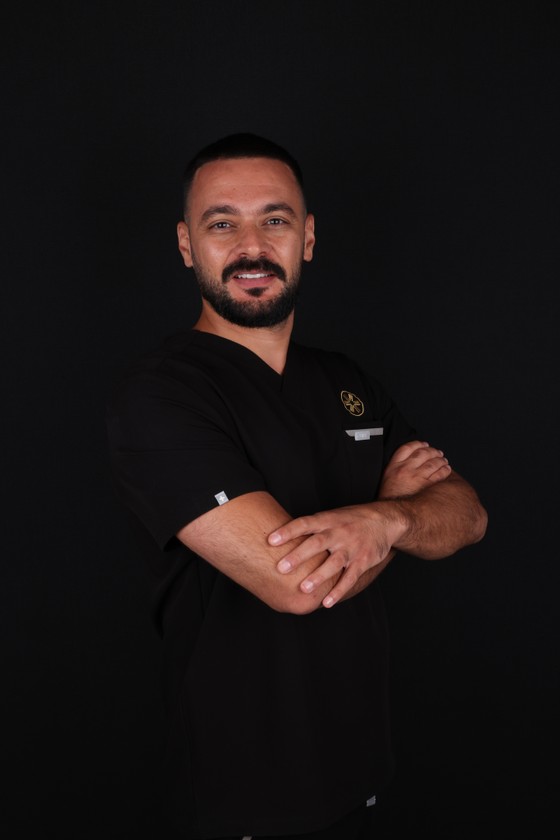
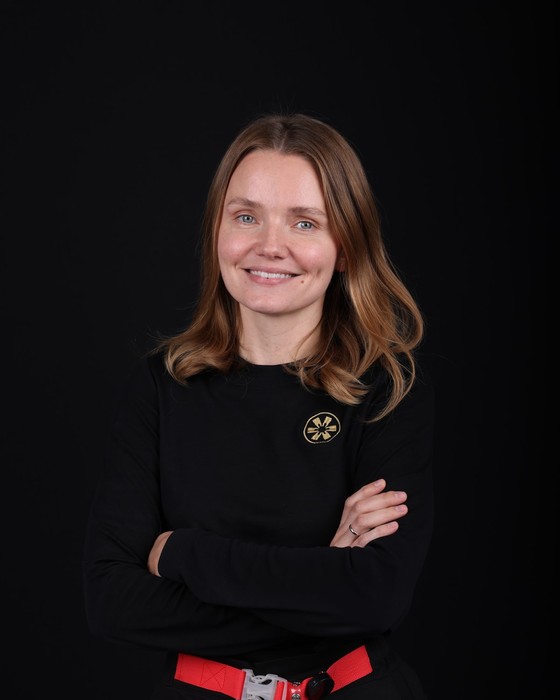
Dentists who prescribe layered ceramic work
They decide whether layering suits your tooth, prepare it, record the shade and fit the finished work.


Frequently asked questions
Are hand-layered veneers better than milled veneers?
Not automatically; they are different. Fully layered feldspathic veneers give the most colour depth but need good enamel to bond to. Milled E.max veneers are stronger and can be layered at the edge or simply stained and glazed. Many layered restorations start from a milled core. Your dentist chooses from your enamel, bite and goals.
Do hand-layered ceramic crowns chip more easily?
The layered porcelain is weaker than the core beneath it, so it can chip under heavy force, especially with grinding or clenching. That is why monolithic zirconia is often chosen for back teeth and grinders. A night guard may be recommended if you grind. Small chips can sometimes be polished; larger ones may need a new restoration.
Can hand-layered veneers be whitened later?
No. Ceramic does not respond to whitening gel, so the shade of a layered veneer or crown is fixed when it is made. If you want whiter natural teeth around it, whiten first, wait for the shade to settle, then have the ceramic made to match the new colour.
How long does a hand-layered crown or veneer take to make?
At Creative Art Dental Lab, typically 3–5 working days, depending on complexity and the number of units. Layered work is built and fired in stages, so it is not made on the day. Small adjustments at the try-in can often be made the same day.
Is E.max hand-layered or monolithic?
It can be either. E.max (lithium disilicate) can be milled as one piece and finished with surface stain and glaze, or milled as a core with porcelain layered by hand over the visible part, often at the biting edge. The choice depends on the tooth, the space available and how much colour depth is needed.
Can a hand-layered crown match one natural front tooth?
It is one of the hardest tasks in ceramics, but layering gives the ceramist the most control, because translucency and internal colour can be copied from the neighbouring tooth. For clinic patients the ceramist can see the tooth in person. Shade is confirmed at the try-in, and small corrections can be made before the crown is fitted.
Who layers the ceramic on my veneers or crowns?
The ceramists of Creative Art Dental Lab, working to your dentist's prescription. The lab is a separate business in the same building as Creative Arts. Your dentist remains responsible for your treatment: examination, material choice, preparation, try-in and fitting.
Related treatments
Request a consultation
Tell us what you would like to change. The clinic replies within working hours with an appointment time.
- Address614 Jumeira St, Jumeirah 3, Umm Suqeim 1, Dubai
- Opening hoursClinic open daily, 10:00–20:00
- Phone+971 4 342 4444 · WhatsApp +971 56 677 7537
Book Your Consultation
Or call us +971 4 342 4444Or message us on WhatsApp
Want a front tooth that matches its neighbours?
Start with an examination. Your dentist explains whether layered ceramic suits the tooth and gives you a written, itemised plan with alternatives.