What is a smile designer?
A smile designer is the person who plans how a new smile should look: tooth shape, length, proportion, edge line, shade and surface texture, judged against the face, lips and gums. It is a role, not a regulated dental specialty. At Creative Arts in Dubai, a dentist examines, diagnoses, prepares and bonds your teeth, while the design and the ceramic are developed with the ceramists of the laboratory in the same building.
Is a smile designer a qualification or a job title?
"Smile designer" describes a skill set rather than a protected title. You will see it used for three different people: a cosmetic dentist who plans and carries out the treatment, a ceramist who designs and builds the porcelain, and occasionally someone who only produces digital previews.
The distinction matters because only one of those people is allowed to treat you. Examining your mouth, taking X-rays, numbing a tooth, reshaping enamel and bonding veneers are clinical acts that must be done by a licensed dentist. Designing proportions on a screen, waxing up a model and layering ceramic are laboratory skills. Some dentists are excellent designers; some ceramists see proportion and colour more precisely than most dentists. The safest smiles come from the two working together on the same case.
So when a clinic says a "smile designer" will handle your case, ask a plain question: who will examine me, and who will touch my teeth? If you are comparing clinics, our guide on how to choose a cosmetic dentist in Dubai lists the other checks worth making.
Who does what in a smile design case?
A typical division of work for veneers, crowns or a Hollywood Smile. The dentist leads every clinical decision.
| Stage | Dentist | Ceramist / smile designer |
|---|---|---|
| Examination and diagnosis | Checks gums, decay, old fillings, bite and grinding; takes X-rays where needed | Not involved clinically |
| Records | Takes photographs, video and an intraoral scan | Studies the records: face, lips, gum line, tooth colour |
| Design | Sets the clinical limits: how far teeth can move, lengthen or be reduced | Proposes shape, length, proportion and edge line |
| Mock-up | Places the trial smile over your own teeth and checks speech and bite | Builds the wax-up the mock-up is copied from |
| Preparation | Reshapes enamel, if needed, under local anaesthetic | Not involved |
| Shade | Agrees the target shade with you | Sees the teeth in person and plans the layers of colour |
| Making the ceramic | Approves the result at try-in | Designs, mills or layers, stains and glazes the ceramic |
| Fitting and aftercare | Bonds the restorations, adjusts the bite, reviews you | Makes any adjustments the dentist asks for |
In a single-practitioner clinic the dentist may do the design as well. What should never change is who carries out the clinical steps.
What does a smile designer actually decide?
Most of a smile's character comes from a handful of measurable choices. A smile designer works through them in roughly this order:
- Edge position. Where the upper front teeth sit in relation to the lower lip when you smile and how much shows at rest. This is usually decided first, because everything else is built from it.
- Width-to-length ratio. Central incisors that are too square or too long look artificial. Designers use ratios as a starting point, not as a rule.
- Progression. How the teeth step back from the centre to the canines, so the smile has depth instead of looking like a flat white strip.
- Gum line. Whether the gum margins are level and symmetrical. A design sometimes calls for gum contouring before the teeth are changed.
- Shape and texture. Rounded or squarer corners, surface ridges and lustre, which decide whether the teeth look polished or natural.
- Shade. Brightness (value) matters more than the shade label. The guide to choosing a tooth shade explains why very high-value whites can look flat.
None of these are chosen from a catalogue. The guide to smile design and face shape shows how face, lips and age change the answer, and perfect smile proportions covers the ratios in more detail.
Dr. Kinan Bonni is one of the dentists at Creative Arts who plans smile design cases; his profile shows how the digital design, wax-up and mock-up are used before treatment.
Basem Tobaji, Celebrity Smile Designer: what his role is
Basem Tobaji is a Celebrity Smile Designer, Smile Designer and Ceramist, and the CEO of Creative Art Group, which includes Creative Art Dental Lab and our clinic, with about 30 years in the dental field. His focus is smile design and ceramic work: proportion, shade and surface. He is not a dentist and does not examine, diagnose, prepare teeth or treat patients; your dentist makes every clinical decision. "Celebrity" describes a style of smile, not a client list.
Why the dentist still has the final say
A design on a screen can show any smile. Your mouth cannot always accept it. The dentist's job is to check the design against the things a picture does not show:
- Gum health. Inflamed gums bleed during bonding and recede afterwards, exposing edges. They are treated first.
- Bite and grinding. Lengthening front teeth changes how the lower teeth meet them. In someone who grinds, a longer edge can chip.
- Enamel. Veneers bond most reliably to enamel. A design that needs heavy reduction may push the preparation into dentine, which changes the plan.
- The teeth underneath. Root-treated, heavily filled or dark teeth may need a crown rather than a veneer, which affects how the design is built.
When the ideal design and the clinical limits disagree, the design is changed, or the plan adds a step such as orthodontics or gum treatment first. Our guide to oral health before cosmetic treatment explains that sequence.
How a smile design moves from photographs to finished ceramic
Every stage before preparation can still be changed. Nothing irreversible happens until you approve the trial smile.
Records
Photographs, short video of you talking and smiling, and an intraoral 3D scan.
Digital design
The proposed smile is drawn over your face and teeth and adjusted with the dentist.
Wax-up and mock-up
The design is built on a model, then copied into a temporary trial smile placed over your own teeth.
Approval
You see and speak with the trial smile, and length, shape or shade are refined before any preparation.
Preparation and ceramic
The dentist prepares the teeth if needed; the lab typically needs 3–5 working days depending on complexity.
Try-in and bonding
The ceramic is checked in your mouth, adjusted if needed and bonded by the dentist.
Why it helps when the ceramist can see you
Much of what makes ceramic look natural is invisible in a photograph: how translucent the edges of your teeth are, small white or amber characterisations, how the colour shifts from the gum line to the tip. Phone cameras and studio lighting both distort shade.
Creative Arts Aesthetic & Dental Center and Creative Art Dental Lab are in the same building at 614 Jumeira St, Jumeirah 3, Dubai. For our patients, the ceramist can see the teeth in person under the same light as the dentist, at shade selection and again at try-in, and same-day adjustments to finished ceramic are possible. The steps of the trial stage are explained on the wax-up and mock-up page, and the custom shade matching guide covers the colour work.
Want to see a proposed smile on your own face before deciding anything? Digital smile design with a physical mock-up shows the plan first, and you approve it before any tooth is prepared.
See digital smile designSmile apps and online previews: what they can and cannot do
Phone apps and edited images can show a whiter, straighter smile in seconds. They are useful for one thing: helping you explain what you like. They are not a design. An app does not know your bite, your enamel thickness, your gum health or how far your teeth can be lengthened before they hit the lower teeth.
Bring screenshots or photos of smiles you like to your smile design consultation, and say just as clearly what you dislike. A real design then tests that idea against your face and your mouth, and the mock-up lets you check it in a mirror rather than on a screen.
Questions to ask about who is designing your smile
- Who examines me and makes the diagnosis, and is that person a licensed dentist?
- Who designs the shape and shade, and will that person see my teeth or only photographs?
- Will I see and try a mock-up in my mouth before any tooth is prepared?
- Where is the ceramic made, and how are changes handled if I am not happy at try-in?
- Have whitening, bonding or orthodontics been considered before ceramics?
- Which teeth will be prepared, and by how much?
A clear answer to each question is a good sign, whatever the person's title. If the answers are vague, a second opinion before you commit is reasonable.
Smile designers: the key facts
- What it is
- A role focused on shape, proportion and shade, not a regulated dental specialty
- Who treats you
- A dentist: examination, diagnosis, preparation, bonding and review
- Who makes the ceramic
- Ceramists at Creative Art Dental Lab, in the same building as the clinic
- How you see the design
- Digital smile design and a physical mock-up before any preparation
- Celebrity Smile Designer
- Basem Tobaji, CEO of Creative Art Group; not a dentist
- Alternatives considered first
- Whitening, bonding, gum contouring or orthodontics, depending on the goal
Dentists who plan and carry out smile design cases
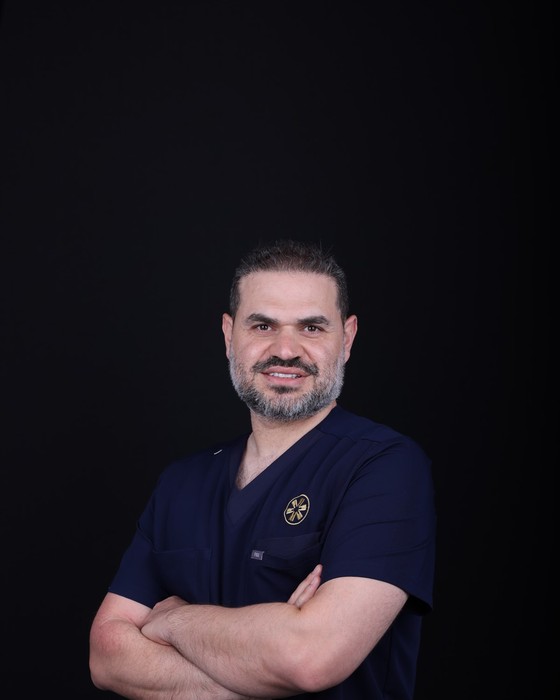
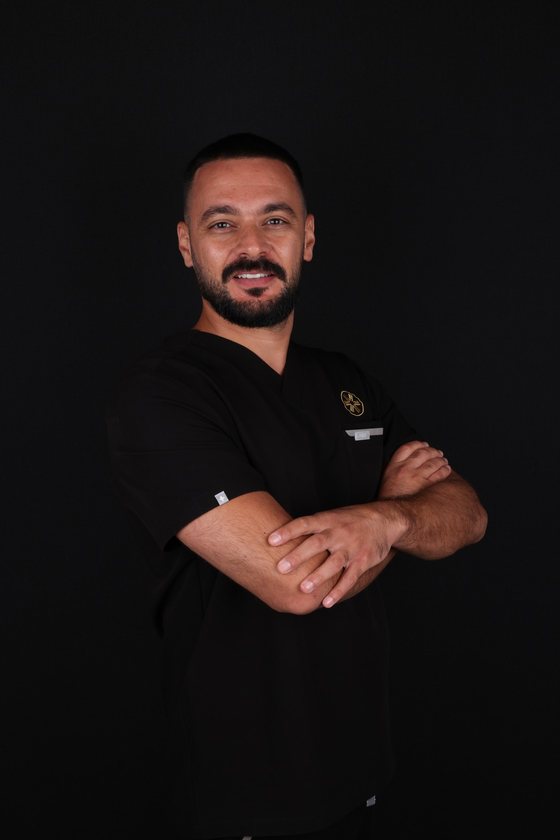
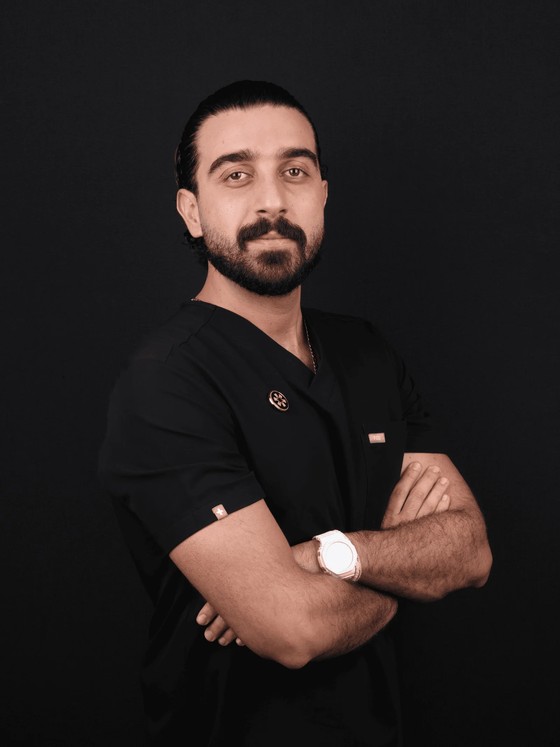
These dentists examine, design with the lab and treat smile makeover, veneer and Hollywood Smile cases at Creative Arts.