Bleeding when brushing
Pink spit or a pink toothbrush is the most common sign. Healthy gums do not bleed with normal brushing.
Bleeding or puffy gums in children are common and usually come from plaque at the gum line. Most cases settle with better brushing and a professional clean; a few signs need a prompt check.
Mention fever, mouth ulcers, braces or any regular medicines when you book.
Yes. Gum disease in children is common, almost always as gingivitis: red, puffy gums that bleed when brushed because plaque has built up along the gum line. It is usually reversible with careful brushing, flossing and a professional clean. Destructive gum disease with bone loss is rare in children and needs prompt assessment. At Creative Arts in Dubai, our dentists check children's gums at every visit and show parents how to clean them.
Who treats you here Dr. Duaa Ameen General Dentist · Dr. Julia General Dentist
Every dentist’s licence can be checked on the DHA Sheryan medical directory.
Check the gum edge next to the teeth, ideally in daylight after brushing.
Pink spit or a pink toothbrush is the most common sign. Healthy gums do not bleed with normal brushing.
Healthy gums are pale pink and fit tightly around each tooth. Inflamed edges look red, shiny and slightly swollen.
Plaque at the gum line and on the tongue often causes breath that brushing alone does not fix. See bad breath in children.
A lump or boil on the gum near one tooth usually points to a tooth problem, such as an abscess on a decayed baby tooth, rather than general gingivitis.
A rough guide for parents. If you are unsure, or your child is unwell, have them checked.
| What you see | Likely cause | What to do |
|---|---|---|
| Swollen, tender gum where a tooth is coming through, with drooling or chewing | Teething or an erupting molar | Usually normal; see our teething guide. Book if it lasts weeks or the gum looks infected |
| Bleeding on brushing, red puffy gum edges, often between teeth | Plaque gingivitis | Brush the gum line carefully twice a day and floss; book a check if it continues beyond two weeks |
| Fiery red gums, many small ulcers, fever, not eating or drinking, usually in young children | Often a viral infection (herpetic gingivostomatitis) | See a doctor; keep your child drinking. Brushing does not cure it |
| Gum flap swollen over a back molar in a teenager | Inflammation around an erupting molar | Clean carefully; book a check, especially if it is painful or keeps returning |
| A pimple or boil on the gum near a decayed or knocked tooth | Infection from the tooth (abscess) | Book promptly; this does not settle with brushing |
| Puffy gums around braces | Plaque around brackets | Brush around each bracket and clean under the wire; professional cleaning helps |
| Loose teeth, receding gums or early tooth loss in a young child | Rarely, aggressive gum disease or a medical cause | Book soon; the dentist may take X-rays and refer |
Bleeding gums together with easy bruising, nosebleeds, tiredness or frequent infections should be checked by your child's doctor.
The American Academy of Pediatric Dentistry notes that gingivitis affects about half of children by age four or five and nearly all children around puberty, and that a visual gum check belongs in every children's examination. It is common, but it responds well to cleaning. The usual reasons are:
Gingivitis affects only the gum and is reversible. Periodontitis, where the bone holding the teeth is lost, is uncommon in children; the AAPD lists early loss of baby teeth and bone loss on X-rays as warning signs that need follow-up or referral. Our guide to gingivitis vs periodontitis explains the difference.
Contact the clinic during opening hours (daily 10:00–20:00) for a painful swelling on the gum or a tooth that hurts. Go to a hospital emergency department if your child has facial swelling with fever, difficulty breathing or swallowing, swelling spreading towards the eye or neck, bleeding that will not stop, or a head or face injury. A child who is not drinking because of mouth ulcers should be seen by a doctor the same day.
Treatment follows the cause, simplest first. Most children need only the first two rows.
| Option | When it is used | What it involves |
|---|---|---|
| Better brushing and flossing at home | Every case of plaque gingivitis | The dentist shows you and your child how to angle the brush at the gum line, how much fluoride toothpaste to use and when to start flossing. See kids' toothpaste and brushing |
| Professional cleaning | Plaque or tartar that home care cannot remove | A gentle clean and polish at the gum line. See kids teeth cleaning |
| Treating decay or rough fillings | A cavity or broken edge next to an inflamed gum | Repairing the tooth so plaque no longer collects there |
| Cleaning with braces | Puffy gums around brackets | Extra cleaning visits and tools for brackets. See teeth cleaning with braces |
| Doctor's care | Viral gum infection, or signs of a medical cause | Fluids, comfort and medical assessment; the dentist may advise on mouth care |
| Gum treatment or specialist referral | Rare cases with bone loss or loose teeth | Deeper cleaning and close follow-up, or referral to a periodontal specialist. See gum treatment |
Antibiotics are not a treatment for plaque gingivitis; removing the plaque is.
Visits are short and explained step by step, using tell-show-do for younger children.
How long the bleeding has lasted, brushing routine, snacks, braces, medicines, and any fever or ulcers.
First minutesThe dentist looks at the gum edges, plaque, any swelling, and decay or rough fillings near the gums.
ExaminationOnly when a tooth infection, bone loss or a hidden cavity is suspected.
If indicatedPlaque and any tartar are removed, and your child is shown where the brush is missing.
Same visitA short review a few weeks later confirms the gums have settled, or decides the next step.
Follow-upSome common reactions make gum disease in children last longer.
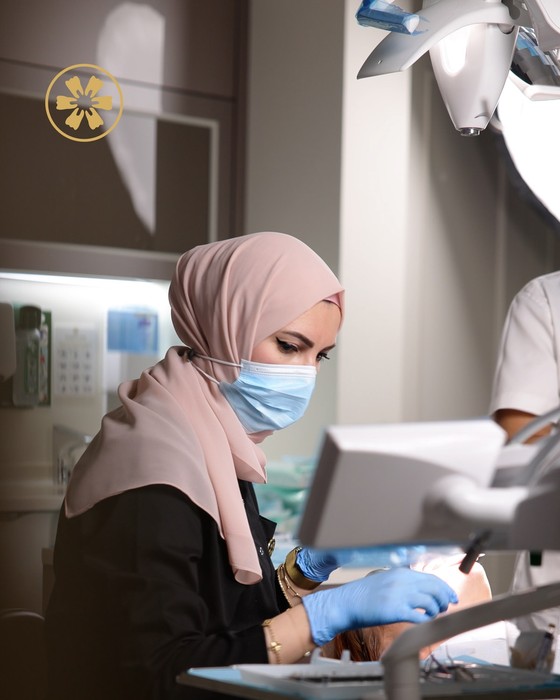
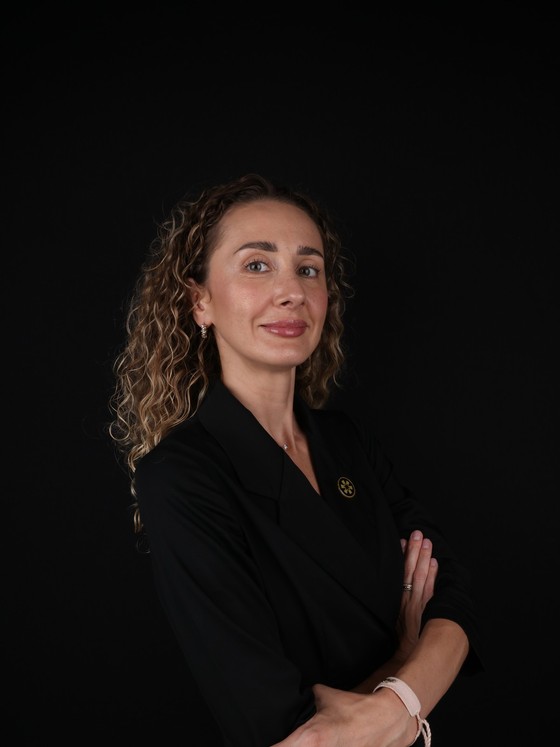
Children's check-ups, cleaning and gum care are provided by Dr. Duaa Ameen and Dr. Julia, General Dentists.
Clinical statements on this page are consistent with these independent sources. They describe averages from studies, not a promise for any one patient.
The most common reason is plaque left along the gum line, which inflames the gum so it bleeds when touched. Brushing the area gently but thoroughly twice a day and flossing where teeth touch usually settles it within about two weeks. If the bleeding continues, comes with swelling at one tooth or appears without brushing, book a check.
Teething swelling sits over a tooth that is coming through and often comes with drooling and chewing. Gum disease in children causes red, bleeding gum edges along several teeth. A boil on the gum near one tooth, swelling of the face, or fever with many mouth ulcers points to infection and should be checked promptly.
It is uncommon. Most gum disease in children is gingivitis, which affects only the gum and is reversible. Destructive gum disease with bone loss can occur in children and teenagers, sometimes linked to medical conditions. Loose teeth, receding gums or baby teeth lost early without a knock need a dental check soon.
Book a check if bleeding gums have not improved after about two weeks of careful brushing and flossing, if there is swelling or a boil near one tooth, or if teeth seem loose. Go to a hospital emergency department for facial swelling with fever or difficulty breathing or swallowing.
Gingivitis itself is not caught like a cold, but the bacteria in plaque can pass between family members through saliva, for example by sharing spoons. A viral gum infection with ulcers and fever, however, is contagious, so avoid kissing and sharing cups until it settles. Our guide on whether gum disease is contagious explains more.
Braces do not cause gum disease directly, but plaque collects easily around brackets and under the wire, and teenage gums react strongly to it. Puffy, bleeding gums during treatment are common and usually settle with careful brushing, interdental brushes under the wire and extra professional cleaning.
Mouthwash is not a substitute for brushing, and young children may swallow it. For plaque gingivitis, careful brushing with the right amount of fluoride toothpaste and flossing are what work. If a short course of mouthwash would help an older child, the dentist will recommend one and explain how to use it.
Creative Arts has a single clinic on Jumeira Street (Jumeirah Beach Road). Ask about parking when you book.
Our clinic in Jumeirah Open in Google Maps · Rated 4.8 on Google from 238 patient reviews (October 2026) — read them
Tell us what you would like to change. The clinic replies within working hours with an appointment time.
Or call us +971 4 342 4444Or message us on WhatsApp
A consultation ends with a diagnosis and a written, itemised plan — not a sales pitch. Book online, message us on WhatsApp, or call the clinic.