
Open daily 10:00–20:00 4.8 Google rating (242)Free first consultation
Dental basics

Tooth Structure: Enamel, Dentin, Pulp and Roots

Medically reviewed by Dr. Kinan Bonni, Dentist · DHA Professional Unique ID 00180966 · November 2026

Knowing the layers of a tooth explains why a small cavity does not hurt, why a deep one does, and why enamel is worth protecting.

Published: Written by Creative Arts Clinical TeamMedically reviewed: 4 min read

A new smile, ready for delivery
Our smiles

Smiles made at Creative Arts

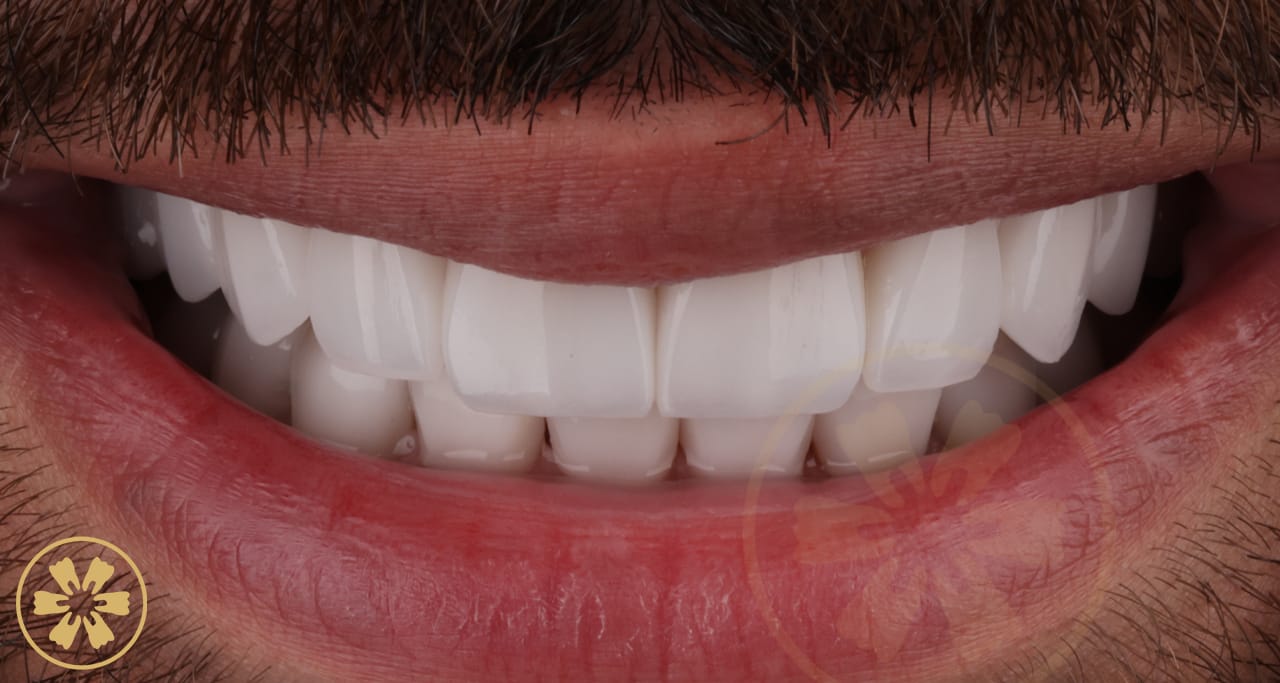
Designed in the clinic and made by hand in Creative Art Dental Lab, in the same building in Jumeirah, Dubai.

See before-and-after cases
Porcelain veneers smile, close-up 08 — Creative Arts Dubai
Porcelain veneers smile, portrait 05 — Creative Arts Dubai
Porcelain veneers smile, close-up 15 — Creative Arts Dubai
Porcelain veneers smile, Ahmad — Creative Arts Dubai
Porcelain veneers smile, portrait 12 — Creative Arts Dubai
Porcelain veneers smile, close-up 07 — Creative Arts Dubai
Porcelain veneers smile, portrait 07 — Creative Arts Dubai
Porcelain veneers smile, close-up 14 — Creative Arts Dubai
Quick answer

What is a tooth made of?

A tooth has a hard outer layer of enamel on the crown, a softer layer of dentin underneath, and the pulp in the centre, which holds nerves and blood vessels. The root is covered by cementum and held in the jawbone by the periodontal ligament. Enamel is the hardest substance in the body, but it has no living cells, so it cannot grow back once it is lost.

Who treats you here Dr. Marina Antoniuk Dentist · microscope dentistry

Enamel: the protective shell

Enamel covers the visible crown of the tooth. It is almost entirely mineral (hydroxyapatite), which makes it very hard and able to withstand chewing for decades.

Because enamel has no cells, the body cannot repair it once it is worn, eroded or decayed through. Early mineral loss can be reversed by saliva and fluoride, but a hole needs a filling. Acid from drinks, reflux or vomiting, grinding and hard brushing are the main causes of enamel loss.

Dentin: the sensitive middle layer

Under the enamel lies dentin, softer and slightly yellow. It is full of microscopic tubes that connect to the pulp, which is why exposed dentin feels sensitive to cold, sweet or touch.

When decay reaches dentin it spreads faster than in enamel. Thinner enamel lets more of dentin's yellow colour show through, which is why worn teeth can look darker.

Pulp: the living centre

The pulp is soft tissue with nerves and blood vessels inside the tooth. It keeps the tooth alive and senses temperature and pressure.

When decay or a crack reaches the pulp, it becomes inflamed or infected, causing lingering pain or swelling. Root canal treatment removes the pulp, disinfects the canals and seals them so the tooth can be kept.

Root, cementum and gums

The root sits in the jawbone and is covered by a thin layer called cementum. The periodontal ligament, a layer of fibres, attaches the cementum to the bone and acts as a shock absorber.

When gums recede, the root surface is exposed. It has no enamel, so it is more sensitive and more vulnerable to decay, which is why gum health and gentle brushing matter.

Sources

Statements on this page are consistent with these sources. They describe research findings, not a promise for any one patient.

  1. World Health Organization. Oral health fact sheet.
Patient questions

Frequently asked questions

Can tooth enamel grow back?

No. Enamel has no living cells, so lost enamel does not regrow. Early mineral loss can be reversed with fluoride and saliva; larger loss is restored with fillings, bonding or veneers.

Why do my teeth look yellow when enamel thins?

Enamel is semi-translucent. As it thins, more of the yellow dentin underneath shows through.

What is the hardest part of the body?

Tooth enamel is the hardest substance in the human body.

Why does a deep cavity hurt but a small one does not?

Enamel has no nerves. Pain starts when decay reaches dentin, and becomes severe when the pulp is inflamed.

Talk to a dentist about your case

A consultation ends with a diagnosis and a written, itemised plan — not a sales pitch. Book online, message us on WhatsApp, or call the clinic.

Google reviews

What patients say about Creative Arts

4.8(242 reviews)
Read all reviews on Google

Rated 4.8 on Google from 242 patient reviews (October 2026).