E.max for most veneer cases
Several front teeth, a normal bite, moderate colour or shape changes, or a mix of veneers and crowns that need to match.
Both are ceramic and both can look natural. E.max is stronger and more forgiving; feldspathic porcelain can be thinner and more lifelike in the right mouth. The tooth decides, not the label.
The first visit is an examination and a written plan. The material is recommended for your teeth, not chosen from a menu.
Neither is better for everyone. E.max (lithium disilicate) is considerably stronger, masks mild discolouration more predictably and suits most veneer cases, including people with a firmer bite. Feldspathic porcelain is hand-layered, can be made extremely thin and gives exceptional depth of colour, but it needs healthy enamel and a gentle bite. At Creative Arts in Dubai both are made in our own lab, and the dentist chooses per tooth.
In everyday language, "porcelain veneers" means any ceramic veneer, and many clinics use the term that way. Strictly, though, they are different materials.
Feldspathic porcelain is the traditional dental porcelain: a glassy ceramic built up by hand from powders, layer by layer, and fired in a furnace. E.max is a lithium disilicate glass-ceramic, a denser material with crystals that make it much stronger. In our lab it is milled from a block, then stained, glazed or cut back and layered by the ceramist.
So when a quote says "porcelain veneers", it is worth asking which ceramic is meant. Our main veneers page explains how the whole process works; this guide only compares the two ceramics.
To put this guide in a clinical context, see cosmetic dentist Dr. Kinan Bonni and the step-by-step workflow he follows with our ceramists.
General properties. How a material performs in your mouth also depends on enamel, bite and design.
| E.max (lithium disilicate) | Feldspathic porcelain | |
|---|---|---|
| How it is made | Milled from a ceramic block, then stained or layered | Hand-built layer by layer from porcelain powders |
| Strength | Considerably stronger | Weaker; relies heavily on its bond to enamel |
| Thinness | Thin, though very thin edges need care | Can be made extremely thin |
| Appearance | Natural translucency; very lifelike with layering | Exceptional depth and internal colour when skilfully layered |
| Masking a darker tooth | Better at hiding mild to moderate discolouration | Limited; the tooth colour tends to show through |
| Bite and grinding | More tolerant of normal bite forces | Less suited to heavy bites or grinding |
| Preparation | Minimal to conventional, depending on the design | Often minimal and within enamel |
| Repairing a small chip | Polish or composite repair | Polish or composite repair; larger damage usually means remaking |
| Also used for | Crowns and other restorations | Mainly veneers |
Both are bonded to the tooth with an adhesive technique and both are made in the laboratory in our building.
Typical patterns. Your dentist's recommendation is based on your teeth and bite.
Several front teeth, a normal bite, moderate colour or shape changes, or a mix of veneers and crowns that need to match.
Mild to moderate darkening, old composite on the tooth, or areas of thin enamel where the bond needs extra support.
Healthy enamel, little colour to mask, a gentle bite, and a goal of the most natural depth with minimal or no preparation.
Heavy grinding, a very dark tooth or a heavily filled tooth may point to a stronger ceramic or a crown instead.
A veneer is only a fraction of a millimetre thick, so its strength comes from two things: the material and the bond to the tooth. Lithium disilicate is several times stronger than feldspathic porcelain in standard laboratory tests, which gives the dentist and ceramist more room for error. A slightly heavier bite, an edge that meets the lower teeth, or a veneer partly bonded to dentine is less likely to cause a fracture.
That margin is why most veneer cases are made in E.max. It is also why E.max is usually the choice for patients who clench or grind, together with a night guard. Our guide to veneers and teeth grinding explains why the bite matters as much as the material.
Thinness is related but separate. Both ceramics can be made thin; feldspathic can go thinner still. The guide to how thick veneers are explains why the amount of tooth reduced depends on the design, not only on the material.
Feldspathic porcelain is built by hand from many shades and translucencies: a warmer layer near the gum, a body layer, then translucent enamel and edge porcelains. Because it can be so thin, some of the natural tooth shows through and contributes to the colour. On a healthy, well-coloured tooth this can produce the most lifelike result of any veneer.
The trade-off is that it hides little. If a tooth is darker than its neighbours, a thin feldspathic veneer tends to let that show, while E.max can be made with more opacity in the body. E.max can also be cut back and layered with porcelain at the edge, which brings it close to feldspathic in appearance for many cases.
In practice, the shade choice and the ceramist's layering matter as much as the material. See choosing the right veneer shade for how the colour is decided, and hand-layered ceramics for how the layering is done.
A well-designed E.max veneer will look better than a poorly designed feldspathic one, and the reverse is also true. Proportion, edge position, shade and how the margin meets the gum decide most of the result.
Creative Art Dental Lab, in the same building as the clinic, makes both feldspathic porcelain and lithium disilicate veneers. That means the choice of material is made on clinical grounds rather than on what an outside lab happens to offer. The ceramist can see your teeth in person, under the same light as your dentist, which matters most for feldspathic work, where the natural tooth colour shows through.
In some smiles both ceramics are used: E.max on a darker or weaker tooth and feldspathic on healthy neighbours, layered so they read as one set. If you are also weighing up resin, the companion guide compares composite and porcelain veneers, and E.max vs zirconia covers the stronger, more opaque option.
Not sure which ceramic your teeth need? A veneers consultation includes an examination, photographs and a written plan, and you see a mock-up before any tooth is prepared.
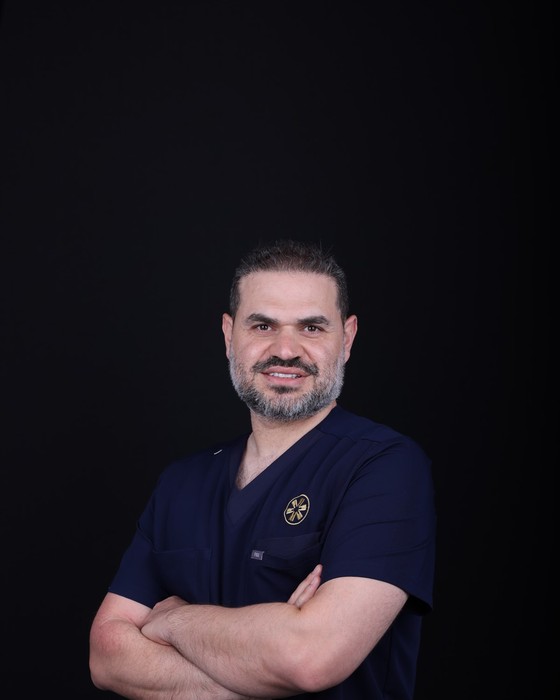
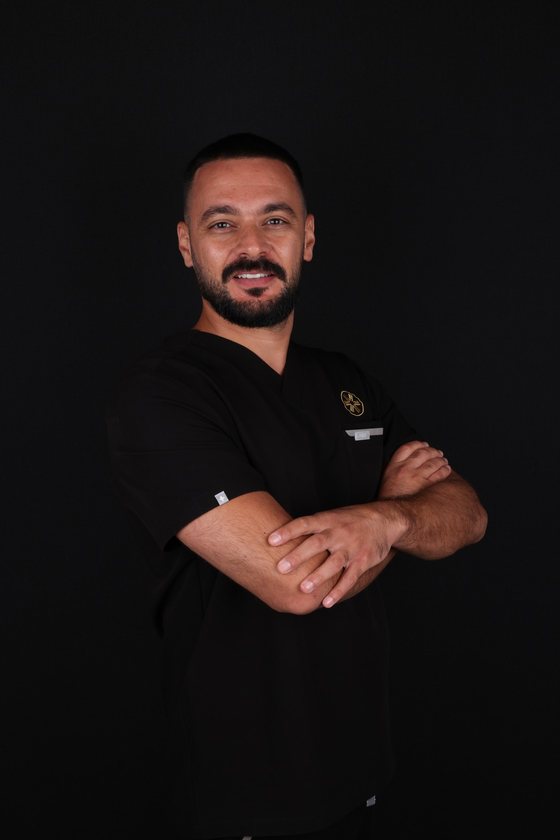
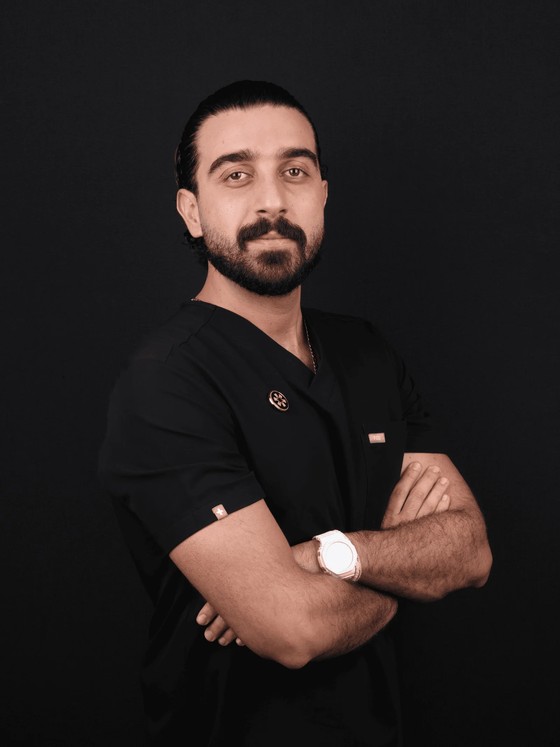
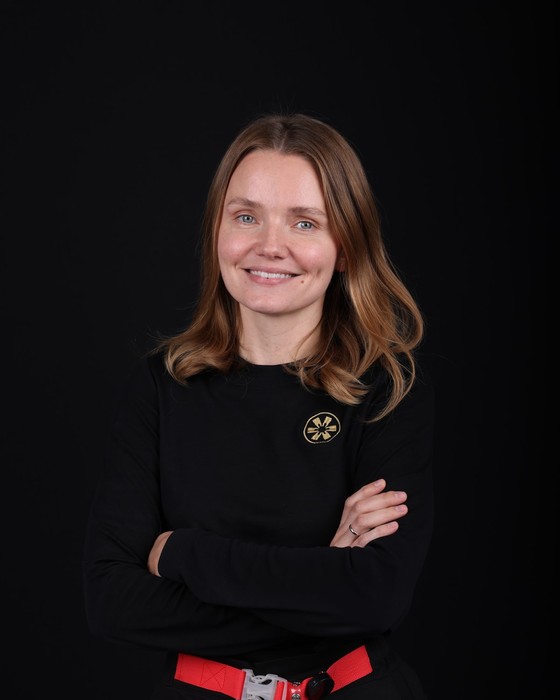
Explore porcelain veneersThese dentists plan veneer cases at Creative Arts and decide with the lab which ceramic suits each tooth.
In most cases they can look very natural, especially when the edge is cut back and layered. Feldspathic porcelain can achieve slightly more depth on healthy, well-coloured teeth because it is thinner and lets the tooth contribute to the colour. Good design and shade matching matter more than the material.
Both can last many years with good care, and around 10 to 15 years or more is commonly reported for well-made ceramic veneers. E.max is more tolerant of bite forces, so in a heavier bite it is usually the safer choice. How long either lasts depends heavily on the bite, hygiene and a night guard if you grind.
Feldspathic porcelain can be made extremely thin, so it is often considered for minimal or no-preparation veneers on small or set-back teeth with good enamel. E.max can also be made thin for no-prep cases. Whether no-prep works depends on tooth position, not only on the material.
Generally yes. E.max can be made with more opacity in the body of the veneer, so it masks mild to moderate discolouration more predictably than thin feldspathic porcelain. Very dark teeth may need more thickness, a different ceramic or a crown, decided after examination.
Yes. Some smiles use E.max on darker or weaker teeth and feldspathic porcelain on healthy ones. The ceramist layers both so they match in shade and translucency. Having the lab in the same building helps, because the teeth can be seen in person.
There is no simple rule. Feldspathic veneers are hand-layered and time-consuming to make; E.max involves milling and finishing. The cost of a case depends more on the number of teeth, the preparation needed and any preparatory treatment. Your written plan itemises each tooth.
E.max is the trade name of a lithium disilicate glass-ceramic. It is often called porcelain in everyday speech, but it is a different, stronger material from traditional feldspathic porcelain. When comparing quotes, ask which ceramic each clinic means by porcelain.
Tell us what you would like to change. The clinic replies within working hours with an appointment time.
Or call us +971 4 342 4444Or message us on WhatsApp
A consultation ends with a diagnosis and a written, itemised plan — not a sales pitch. Book online, message us on WhatsApp, or call the clinic.