Photographs in daylight
A full smile, lips at rest, teeth together with the lips held back, and both side views. No filters or beauty modes: they hide exactly what the dentist needs to see.
What we review before you book flights, how many days the clinical steps genuinely need, and how your veneers are looked after once you are back home.
A remote review gives a provisional plan and number of days. The definitive plan is written after your examination, before any tooth is prepared.

For a straightforward ceramic veneer case, visitors to Creative Arts in Dubai typically plan five to ten days: examination and scan, design and mock-up approval, preparation with temporaries, laboratory time, try-in and bonding, then a review before flying. More teeth, preparatory treatment or a Sunday mid-stay (the laboratory is closed) can add days. Gum reshaping or orthodontics first usually means two trips.
Ranges are typical, not promises. Your number of days is confirmed after examination.
Ceramic veneers pass through the same stages for a visitor as for a resident. What changes is that the stages are booked close together, so none of them can be skipped to save a day.
You send photographs, recent X-rays and your dental history. A dentist replies with a provisional plan, the number of days to allow, and what could change it.
Before you bookTeeth, gums, bite and old fillings are checked, radiographs taken where needed and an intraoral scan made. The plan is then confirmed or revised in writing.
Day 1The proposed smile is designed against your face, then worn as a mock-up so you can judge length, shape and brightness. Changes at this stage cost nothing.
Day 1–2Enamel is reduced only where the approved design needs space, the teeth are scanned, and temporary veneers are fitted for the laboratory days.
Day 2–3The ceramic is made in the laboratory in the same building, typically over 3–5 working days. The ceramist can see your teeth in person when judging shade.
Lab daysShade and fit are checked before bonding, the bite is balanced, and a review a day or more later checks gums and bite before you fly.
Final daysThe better the records, the more reliable the provisional plan. These are the items that change a dentist's opinion most often.
A full smile, lips at rest, teeth together with the lips held back, and both side views. No filters or beauty modes: they hide exactly what the dentist needs to see.
A panoramic or other recent radiograph shows old root canals, decay under fillings and bone levels, none of which a photograph can reveal.
Previous veneers or crowns, root canals, orthodontics and whether you grind. If old veneers are coming off, say so: replacing veneers is planned differently.
Medical conditions and current medicines matter for local anaesthetic and gum health, so they are part of the review, not an afterthought.
Arrival and departure dates let the appointments be fitted around laboratory working days rather than squeezed in afterwards.

The try-in is the last point at which shade, length and shape can still change. The veneers are placed with a try-in paste, judged against your face in daylight and compared with the mock-up you approved. Because the laboratory is in the same building, small adjustments can be made during your stay rather than after a shipping round trip.
So do not book your flight home for the evening of the fitting. One spare day costs far less than a return trip. The full sequence is set out in our veneer procedure, step by step.
The deciding factor is biology, not scheduling. Enamel and ceramic can be worked on in days; gums, bone and tooth movement need weeks or months.
Before you fly you receive written aftercare and a summary of what was done, including which teeth were treated and with which ceramic, so your dentist at home has a record. Veneers then need ordinary care: brushing, cleaning between the teeth, and check-ups and hygiene visits wherever you live. Tell your hygienist the teeth are ceramic so the polishing method is chosen accordingly.
If you grind or clench, a night guard is part of the plan; ask for it to be scheduled within your stay. If a veneer comes loose after you are home, keep it, avoid chewing on that side and contact the clinic during opening hours (10:00–20:00, Dubai time). An intact veneer can often be re-bonded; our guide to what to do if a veneer falls off explains the first steps. Anything that would need you to come back is discussed before treatment starts, not after. If the trip is timed around an event, see planning a smile before a wedding.
Compare the same things: how many teeth, which ceramic by name, whether a mock-up comes before preparation, how many laboratory days are built in, and who you contact if something needs attention after you leave. Our Dubai vs Turkey veneers comparison and the international patients page walk through it.
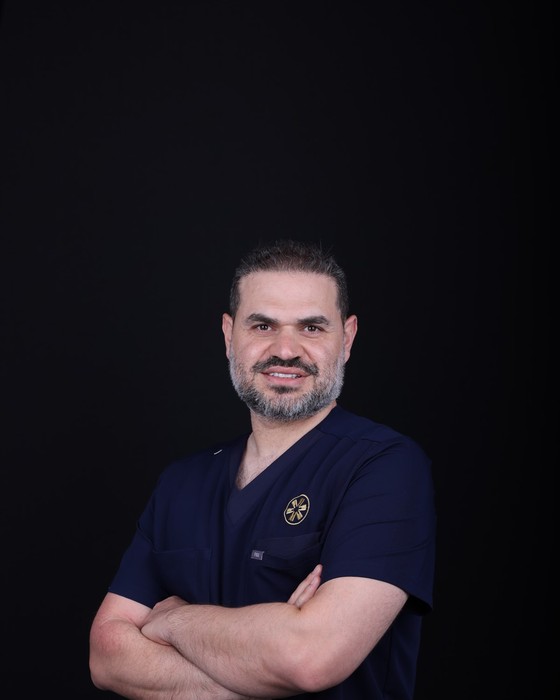
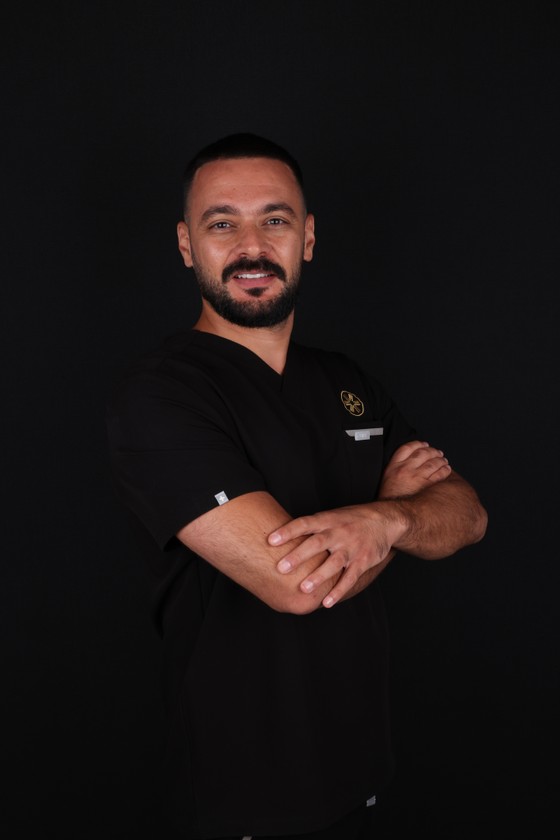
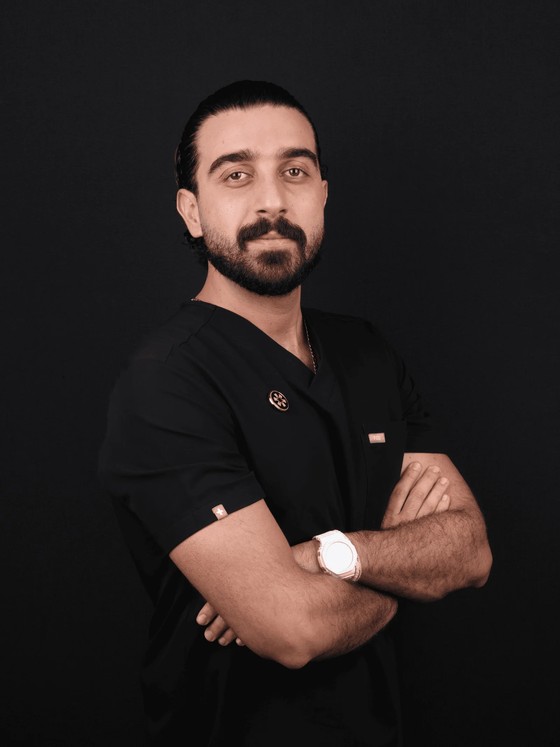
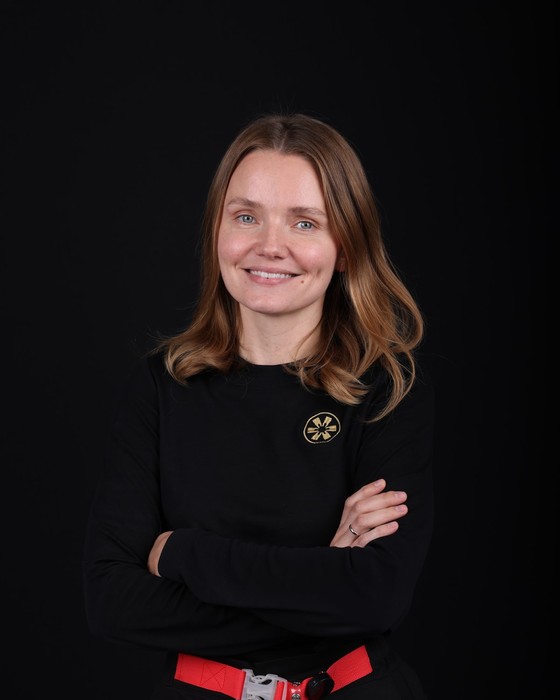
Your veneers are planned, prepared and fitted by one of these dentists, working with the laboratory in the same building.
Often, for a straightforward ceramic case on healthy teeth, provided the plan is confirmed before you travel and the week includes enough laboratory working days. It is not realistic when gum treatment, gum reshaping or orthodontics has to come first, or when many teeth need crowns rather than veneers. The remote review tells you which applies before you book.
Yes. Send clear daylight photographs, any X-rays from the last year or so and a note of your dental and medical history by WhatsApp. A dentist reviews them and replies with a provisional plan and number of days. It is provisional because photographs cannot show decay under fillings, bone levels or cracks.
Sometimes. The examination and X-rays can reveal decay under an old filling, gum inflammation or a tooth that needs a crown rather than a veneer. If that happens, the written plan is revised and explained before any tooth is prepared, including what it means for your days and whether a second trip makes more sense.
Keep the veneer in a clean container, avoid biting on that side and contact the clinic during opening hours. If the veneer and the tooth are intact, it can often be re-bonded, and a local dentist can work from the treatment summary you were given. A broken veneer needs replacing, which is discussed case by case.
Veneers themselves do not usually restrict flying, but leave a day or more between bonding and departure. That gap allows a review appointment to check your gums, remove any remaining cement and recheck the bite after you have eaten with the new teeth, which is far easier to do before you leave than from abroad.
Yes. Check-ups, hygiene visits and X-rays are the same as for any veneers. Share the written summary listing the teeth and the ceramic used, mention any night guard, and ask for a polishing method suited to ceramic. Most dentists are familiar with maintaining porcelain veneers.
Only if your dentist advises it as part of the plan. Natural teeth need time after whitening for the shade to settle before the veneer colour is chosen, so whitening the teeth that will stay natural is either scheduled early in a longer stay or planned before travel under supervision. Shop-bought kits make the shade harder to predict.
Tell us what you would like to change. The clinic replies within working hours with an appointment time.
Or call us +971 4 342 4444Or message us on WhatsApp
A consultation ends with a diagnosis and a written, itemised plan — not a sales pitch. Book online, message us on WhatsApp, or call the clinic.