
Open daily 10:00–20:00 4.8 Google rating (242)Free first consultation
New topic · 2026

Nano-Hydroxyapatite Toothpaste vs Fluoride

Medically reviewed by Dr. Kinan Bonni, Dentist · DHA Professional Unique ID 00180966 · November 2026

"Fluoride-free" toothpastes with hydroxyapatite are now on every pharmacy shelf. Here is what they can and cannot do.

Published: Written by Creative Arts Clinical TeamMedically reviewed: 4 min read

A new smile, ready for delivery
Our smiles

Smiles made at Creative Arts

Designed in the clinic and made by hand in Creative Art Dental Lab, in the same building in Jumeirah, Dubai.

See before-and-after cases
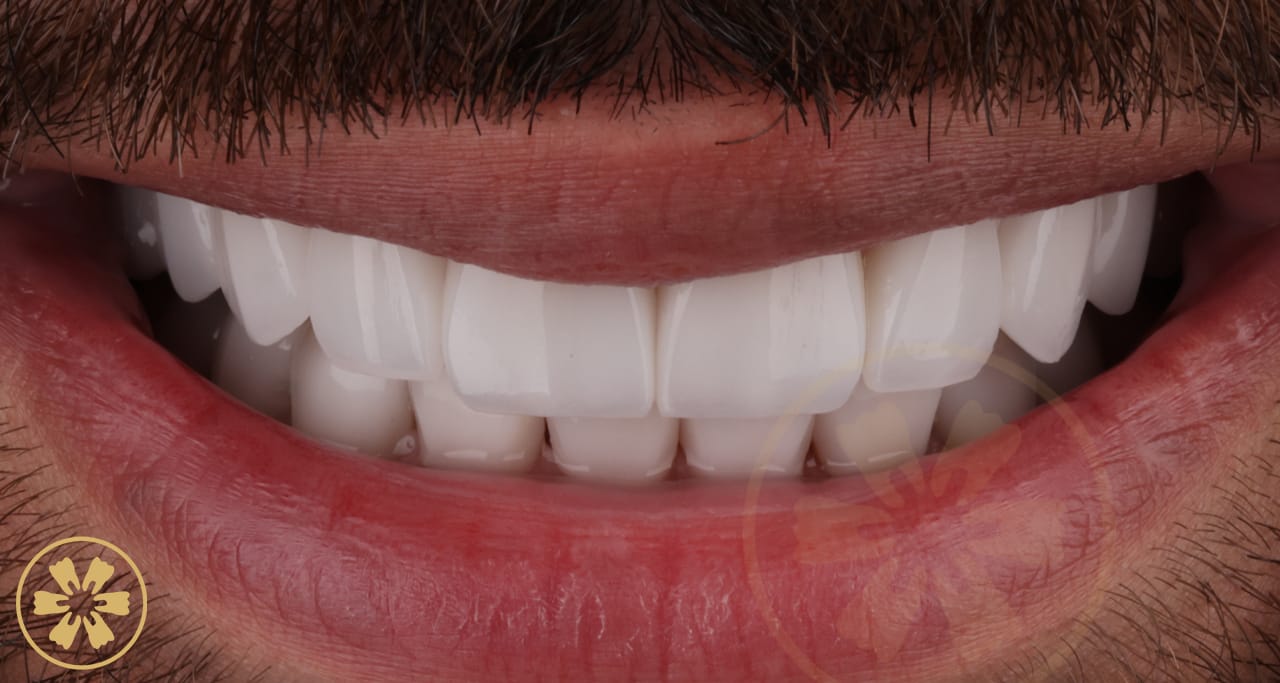
Porcelain veneers smile, close-up 08 — Creative Arts Dubai
Porcelain veneers smile, portrait 05 — Creative Arts Dubai
Porcelain veneers smile, close-up 15 — Creative Arts Dubai
Porcelain veneers smile, Ahmad — Creative Arts Dubai
Porcelain veneers smile, portrait 12 — Creative Arts Dubai
Porcelain veneers smile, close-up 07 — Creative Arts Dubai
Porcelain veneers smile, portrait 07 — Creative Arts Dubai
Porcelain veneers smile, close-up 14 — Creative Arts Dubai
Quick answer

Is nano-hydroxyapatite toothpaste as good as fluoride?

Hydroxyapatite is the same mineral that enamel is made of, and some studies suggest toothpaste containing it can help remineralise early decay and reduce sensitivity. But the evidence is still smaller than for fluoride: a Swedish health-technology review found too few studies to conclude how the two compare. Fluoride toothpaste remains the standard recommendation for preventing decay.

Who treats you here Dr. Kinan Bonni Dentist · veneers & smile design

What hydroxyapatite is

Hydroxyapatite is the calcium-phosphate mineral that makes up most of tooth enamel and dentine. In toothpaste it is used as tiny particles, often called nano-hydroxyapatite, which can settle on the tooth surface and into early, chalky white spots.

It was first used widely in Japan and is now sold internationally, often marketed as a fluoride-free option.

What the evidence shows so far

Laboratory and clinical studies suggest hydroxyapatite toothpaste can support remineralisation of early lesions and reduce sensitivity by sealing exposed dentine. Several trials have compared it with fluoride toothpaste in specific groups.

However, the Swedish Agency for Health Technology Assessment (SBU) found no relevant systematic review and only a handful of primary studies, and could not conclude how hydroxyapatite compares with fluoride for preventing decay. Fluoride, by contrast, has decades of evidence behind it, and the World Health Organization supports fluoride toothpaste for preventing caries.

Who might choose it

People with sensitive teeth, those who want a second product alongside fluoride, and parents worried about children swallowing toothpaste sometimes choose hydroxyapatite. Some products contain both hydroxyapatite and fluoride.

If you have a high risk of decay — many fillings, a dry mouth, braces or reflux — fluoride is still the safer default. Your dentist can tell you which risk group you are in.

Practical advice

Brush twice a day for two minutes, spit rather than rinse so the active ingredient stays on the teeth, and clean between your teeth daily. The toothpaste matters less than doing this consistently.

Ask at your check-up whether a higher-fluoride paste, fluoride varnish or a hydroxyapatite product suits you. Choosing based on your own decay risk is more useful than following a trend.

Sources

Statements on this page are consistent with these sources. They describe research findings, not a promise for any one patient.

  1. SBU – Swedish Agency for Health Technology Assessment. Hydroxyapatite in toothpaste for prevention and treatment of dental caries.
  2. World Health Organization. Oral health fact sheet.
Patient questions

Frequently asked questions

Is hydroxyapatite toothpaste safe?

Hydroxyapatite is the natural mineral of teeth and is generally considered safe in toothpaste. The open question is how well it prevents decay compared with fluoride, not its safety.

Can hydroxyapatite repair cavities?

It may help early, chalky white spots remineralise. A cavity that has already formed a hole needs a filling.

Is it good for sensitive teeth?

Some studies show reduced sensitivity, because the particles can seal exposed dentine. If sensitivity persists, see a dentist to find the cause.

Should children use hydroxyapatite instead of fluoride?

Ask your child's dentist. Fluoride toothpaste in the right amount for age remains the standard advice for preventing decay in children.

Talk to a dentist about your case

A consultation ends with a diagnosis and a written, itemised plan — not a sales pitch. Book online, message us on WhatsApp, or call the clinic.

Google reviews

What patients say about Creative Arts

4.8(242 reviews)
Read all reviews on Google

Rated 4.8 on Google from 242 patient reviews (October 2026).