Fissure sealants for the grooves
The deep grooves on the biting surfaces of back molars are where fluoride works least well. Fissure sealants fill those grooves on new adult molars.
Fluoride varnish is painted onto the teeth in a minute or two, with no drilling and no injection. It strengthens enamel and can stop very early decay. How often your child needs it depends on their risk.
Tell us your child's age and the toothpaste they use now, so the dentist can advise on the whole routine.
Fluoride treatment for children is usually a fluoride varnish painted onto the teeth at a dental visit. It takes a minute or two, needs no drilling or injection, and strengthens enamel against decay. Children at higher risk commonly have it two to four times a year; low-risk children may need only fluoride toothpaste. At Creative Arts in Dubai, the dentist sets the frequency from your child's diet, brushing and decay history.
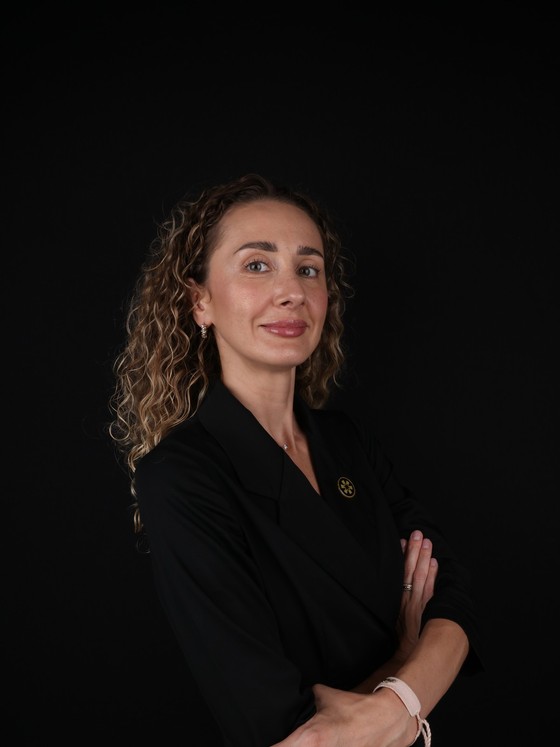
Who treats you here Dr. Duaa Ameen General Dentist · Dr. Julia General Dentist
Every dentist’s licence can be checked on the DHA Sheryan medical directory.
Fluoride varnish is a sticky, concentrated fluoride coating that the dentist paints onto the teeth with a small brush. It sets as soon as it meets saliva, so it stays on the enamel for several hours and releases fluoride while it is there. Only a small amount is used, and because it sticks to the teeth very little is swallowed, which is why it is the usual form of professional fluoride for young children.
Fluoride works in two ways. It helps enamel take back minerals that acids from plaque have dissolved, which can stop, and sometimes reverse, decay at the white-spot stage before a hole forms. And the repaired enamel is harder for acid to dissolve next time. It does not repair a cavity that has already formed; that needs a filling or other treatment.
The evidence is strong. A 2013 Cochrane review of fluoride varnish in children and adolescents linked it with about 43% fewer decayed surfaces in permanent teeth and about 37% fewer in baby teeth. These are averages from research, not a promise for one child, and they come on top of brushing with fluoride toothpaste, not instead of it.
Not every child needs professional fluoride at every visit. The American Academy of Pediatric Dentistry recommends it for children at risk of early childhood decay. These are the signs the dentist looks for.
There is no fixed schedule for every child. Frequency follows risk, and risk can change as diet, brushing and teeth change.
| Child's decay risk | Typical signs | Usual fluoride plan |
|---|---|---|
| Low | No decay, sugar mainly at mealtimes, brushing well twice a day | Fluoride toothpaste at home; professional varnish may not be needed |
| Moderate | Frequent snacks, brushing that misses areas, or a family history of decay | Varnish commonly about twice a year with check-ups, plus fluoride toothpaste |
| High | Current or recent decay, white spots, night feeds, braces or a dry mouth | Varnish commonly up to about four times a year, plus closer review |
| Changing | New braces, a new medicine, a new sugary habit | Risk is reassessed and the plan adjusted at the next visit |
The interval is the dentist's recommendation for your child, explained at the check-up. Our preventive dentistry page explains how recall intervals are set for the whole family.
It is usually done at the end of a check-up and takes very little time.
The teeth are examined for white spots and early decay, so varnish goes alongside any other care that is needed.
StartEach area is gently wiped or air-dried with cotton or gauze so the varnish sticks well.
SecondsA thin layer is brushed onto the teeth. It may taste slightly sweet or fruity and can feel a little sticky or furry.
A minute or twoUsually soft food and no hot drinks for a few hours, and no brushing until the evening or next morning, as the dentist advises. The thin yellowish film brushes off.
Same dayProfessional varnish adds to home care. The NHS gives this guide for children's toothpaste; your dentist may adjust it for a high-risk child.
| Age | Fluoride strength | Amount | Who brushes |
|---|---|---|---|
| Under 3 | No less than 1,000 ppm | A smear | A parent brushes |
| 3 to 6 | 1,000 to 1,500 ppm | A pea-sized amount | Child brushes, parent supervises and helps |
| 7 and over | 1,350 to 1,500 ppm | A pea-sized amount | Parent still keeps an eye on brushing |
Spit out after brushing, but do not rinse with water, so the fluoride stays on the teeth. The strength is printed on the tube in ppm F. Our guide to kids' toothpaste and brushing by age covers technique and supervision in detail.
At the recommended amounts, yes. Varnish uses a small amount and sticks to the teeth, so little is swallowed. The real risk comes from regularly swallowing too much fluoride while the adult teeth are forming, under about age eight, which can cause fluorosis: faint white flecks or lines on the enamel that are usually mild and cause no discomfort. That is why the toothpaste amount matters and why fluoride tablets or rinses are not given without a dentist's advice. Tell the dentist about any allergies, as some varnishes contain pine resin (colophony), and about mouth ulcers or sore gums on the day. If white marks are already a concern, see white spots on teeth.
Fluoride protects the smooth surfaces of teeth best. The other measures cover what it cannot.
The deep grooves on the biting surfaces of back molars are where fluoride works least well. Fissure sealants fill those grooves on new adult molars.
How often sugar is eaten matters more than how much. Keeping sweet food and juice to mealtimes gives enamel time to recover between acid attacks.
Milk or juice sipped through the night is a main cause of baby bottle tooth decay. Water is the only drink once teeth are brushed at night.
White spots caught early can be treated with fluoride alone. Left until they become cavities, they need fillings.
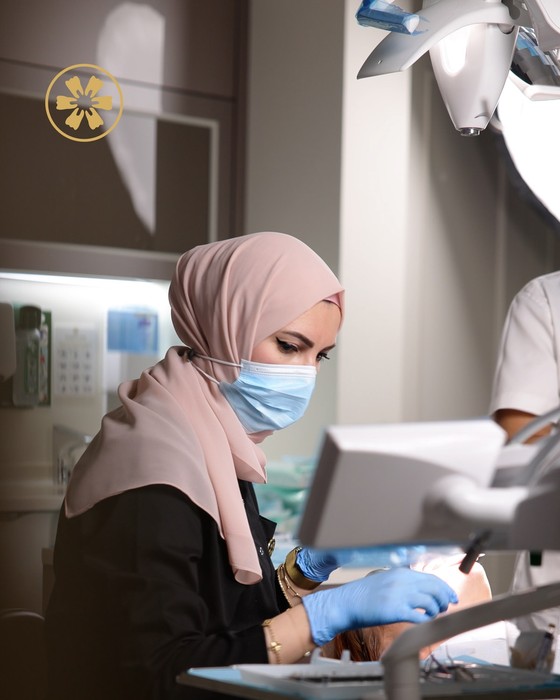
Dr. Duaa Ameen and Dr. Julia, General Dentists, see children for check-ups, assess decay risk and apply fluoride varnish and sealants where they help.
Clinical statements on this page are consistent with these independent sources. They describe averages from studies, not a promise for any one patient.
Fluoride varnish can be applied from the time the first baby teeth appear, if the child's decay risk calls for it. The American Academy of Pediatric Dentistry recommends professional fluoride varnish for young children at risk of early childhood decay. For a low-risk toddler, a smear of fluoride toothpaste twice a day may be enough.
Varnish is designed for this. Only a small amount is used, it sets quickly on contact with saliva and sticks to the teeth, so very little is swallowed. Problems with fluoride come from swallowing too much regularly over months or years, for example large amounts of toothpaste, not from a varnish applied at check-ups.
Soft food and cool or lukewarm drinks are usually fine straight away. Avoid hard, crunchy or sticky food and hot drinks for a few hours, and do not brush until the evening or the next morning, as the dentist advises. The thin yellowish film comes off with the next brushing.
It depends on risk. Children with current or recent decay, braces or frequent sugary snacks commonly have varnish about two to four times a year. Low-risk children may need only fluoride toothpaste. The dentist reassesses risk at every check-up and adjusts the interval.
It can stop and sometimes reverse decay at the earliest stage, when it shows as a chalky white spot and the surface is still intact. Once a hole has formed, fluoride cannot rebuild it; the tooth then needs a filling or other treatment, depending on its size.
No. Fluoride varnish strengthens the enamel over all surfaces of the teeth. Fissure sealants are a thin resin coating that fills the deep grooves on the biting surfaces of back molars. Many children benefit from both, and they are often done at the same visit.
Some do. Adults with a dry mouth, exposed roots after gum recession, many fillings or crowns, braces or a recent run of decay can benefit from professional fluoride. Most adults with low risk need only a fluoride toothpaste used twice a day.
Creative Arts has a single clinic on Jumeira Street (Jumeirah Beach Road). Ask about parking when you book.
Our clinic in Jumeirah Open in Google Maps · Rated 4.8 on Google from 238 patient reviews (October 2026) — read them
Tell us what you would like to change. The clinic replies within working hours with an appointment time.
Or call us +971 4 342 4444Or message us on WhatsApp
A consultation ends with a diagnosis and a written, itemised plan — not a sales pitch. Book online, message us on WhatsApp, or call the clinic.