Baby teeth: never put back
Replanting a knocked-out baby tooth can damage the adult tooth developing underneath it. Keep the child calm, press a clean cloth on the gum if it bleeds and see a dentist.
An adult tooth knocked out whole can often be saved, but only if the root is kept alive. What you do before reaching a dentist matters more than anything the dentist does afterwards.
Bring the tooth in milk or back in its socket. Do not wrap it in tissue.
Pick the knocked-out tooth up by the crown, never the root. If it is dirty, rinse it briefly in milk, saline or saliva, then push it gently back into the socket and bite on a clean cloth. If that is not possible, keep it in milk or saliva and get to a dentist as fast as you can, ideally within the hour. At Creative Arts in Dubai, injuries are prioritised during opening hours, 10:00 to 20:00 daily.
Who treats you here Dr. Duaa Ameen General Dentist · Dr. Julia General Dentist · Dr. Marina Antoniuk Dentist
Every dentist’s licence can be checked on the DHA Sheryan medical directory.
These steps follow the international dental trauma (IADT) guidelines and NHS advice for an adult, permanent tooth.
Dizziness, vomiting, confusion, a blow that caused loss of consciousness or heavy bleeding come before the tooth: go to a hospital emergency department.
ImmediatelyPick it up by the white part you normally see in the mouth. Do not touch the root, where the living cells that reattach the tooth are.
Minute 1Rinse it gently in milk, saline or saliva for a few seconds. Do not scrub it, use soap or try to clean the root.
SecondsHold it the right way round and push it gently back into place. Then bite softly on a clean cloth or handkerchief to keep it there.
As soon as possiblePut it in a small container of milk, or of the person's own saliva spat into a cup. Never let it dry out.
On the wayCall the clinic and come straight in. A tooth replanted within minutes has the strongest chance; after an hour of drying the outlook is much poorer.
Within the hourFrom best to worst. The aim is to keep the root cells moist and alive.
| Option | How good is it? | Notes |
|---|---|---|
| Back in its socket | Best | The socket is the natural environment; bite on a cloth to hold it |
| Cold milk | Very good | Easy to find; cover the tooth completely in a small container |
| Tooth-preservation solution or saline | Very good | Some first-aid kits and pharmacies stock a tooth-storage solution |
| Saliva | Good for a short time | Spit into a cup and place the tooth in it; avoid keeping it in a child's mouth, where it could be swallowed |
| Tap water | Poor | Better than letting it dry, but use only if nothing else is available |
| Tissue, cloth or dry in a pocket | Worst | Drying kills the root cells quickly |
Bring any broken pieces in milk too. If the tooth cannot be found, still come in: it may have been pushed into the gum or swallowed, and an X-ray can check.
The first-aid advice is the opposite for the two, so this question comes first.
Replanting a knocked-out baby tooth can damage the adult tooth developing underneath it. Keep the child calm, press a clean cloth on the gum if it bleeds and see a dentist.
Children under about six usually have only baby front teeth. Adult front teeth typically come in from about six to eight. If you are not sure, keep the tooth in milk and let the dentist decide.
A young adult tooth has an open, still-growing root. It is replanted in the same way and checked more often, because its nerve can sometimes heal.
Go straight to a hospital emergency department after a fall or blow with any head injury, loss of consciousness, vomiting, confusion, heavy bleeding that pressure does not stop, a possible broken jaw or a cut that may need stitches. Creative Arts is open daily from 10:00 to 20:00 and is not a 24-hour clinic; at night, replant the tooth yourself if you can and see a dentist first thing in the morning.
If the tooth is still out, the dentist cleans the area under local anaesthetic, gently rinses the socket, and replants the tooth. If you have already put it back, its position is checked. An X-ray confirms that it sits correctly and that the bone around it is not broken.
The tooth is then held with a flexible splint, a thin wire or fibre bonded to the neighbouring teeth, usually for about two weeks. A slightly flexible splint lets the ligament heal better than a rigid one. Because the injury happened outside, you may be asked to check with your doctor whether you need a tetanus booster, and antibiotics may be prescribed.
The nerve inside a fully grown adult tooth almost never survives being knocked out, so the guidelines advise starting root canal treatment within about two weeks, before the dead nerve can trigger inflammation that eats away at the root. In children whose root is still open, the nerve can sometimes heal on its own, so the tooth is watched closely rather than treated straight away.
Recovery happens over months and years, so follow-up visits are part of treatment.
| Time | What is checked or done |
|---|---|
| About 2 weeks | Splint removed; root canal treatment started for a fully formed tooth |
| 4 weeks, 3 months, 6 months | X-rays and tests to check the root, the ligament and the colour of the tooth |
| 1 year, then yearly for at least 5 years | Watching for slow changes to the root, as the guidelines recommend |
| Any time | Come back sooner if the tooth darkens, loosens, becomes tender or the gum swells |
A tooth that was dry for a long time often fuses with the bone and is slowly replaced by it over years. In a growing child this can affect how the jaw develops, so the dentist plans ahead for a replacement, such as a front tooth implant once growth has finished.
Eat soft food for up to two weeks and avoid biting into anything with the injured tooth. Brush gently with a soft toothbrush after every meal, including around the splint, and use an antiseptic mouthwash if the dentist recommends one. Take pain relief as directed on the label. Avoid contact sport until the dentist says it is safe, and for the future, a properly fitted sports mouthguard is the simplest way to prevent another injury.
For other injuries, such as a chipped or broken tooth, see our page on a chipped or broken tooth and the wider dental first aid guide.
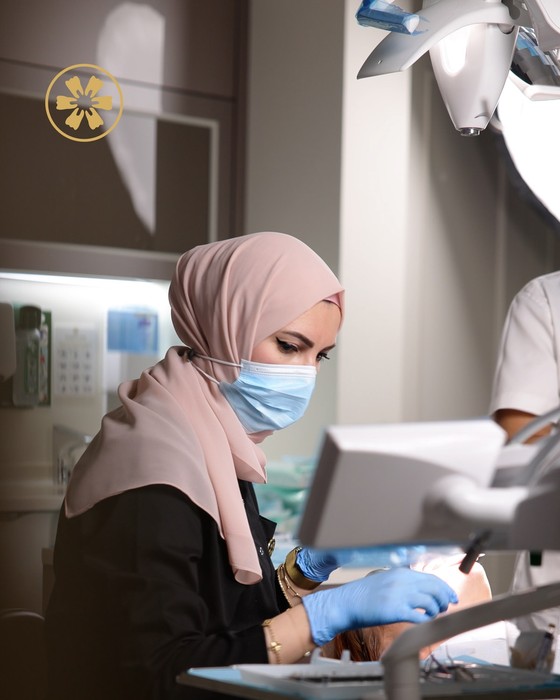
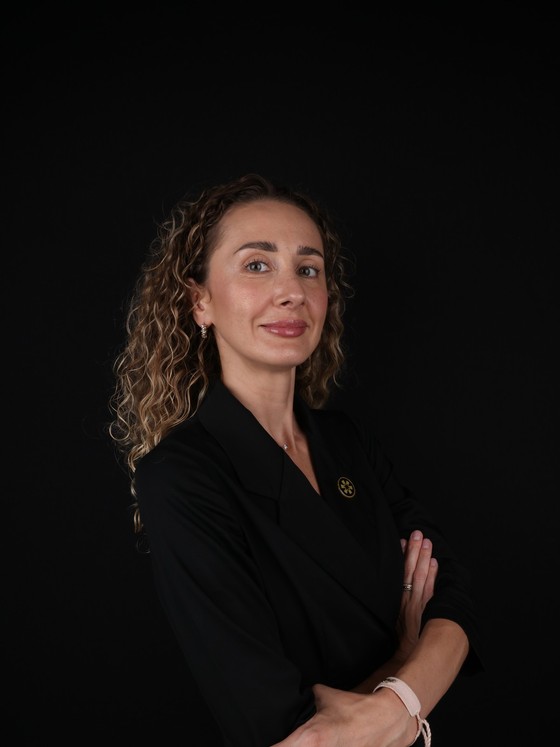
Dr. Duaa Ameen, Dr. Julia and Dr. Marina Antoniuk assess injured teeth, replant and splint them, and carry out the root canal treatment and follow-up checks that come afterwards.
Clinical statements on this page are consistent with these independent sources. They describe averages from studies, not a promise for any one patient.
Yes, an adult tooth can often be put back, and the sooner the better. Hold it by the crown, rinse it briefly in milk, saline or saliva if it is dirty, and push it gently into the socket. Even when it is replanted quickly it needs a dental check, a splint and usually root canal treatment afterwards.
The root cells survive best if the tooth goes back within minutes. International guidelines note that once a tooth has been dry for more than 60 minutes those cells are unlikely to survive. Keeping it in milk or saliva slows the damage, so storage buys time, but the dentist should still see you as fast as possible.
Water is a poor choice because it damages the root cells, but it is better than letting the tooth dry out. Milk is better and easy to find. Saliva works for a short time: spit into a cup and put the tooth in it. Ideally, put it straight back in the socket.
No. A knocked-out baby tooth should never be put back, because it can damage the adult tooth developing underneath. Stop any bleeding with a clean cloth, keep your child calm and see a dentist to check the area. If you are not sure whether it is a baby or adult tooth, keep it in milk and let the dentist decide.
Usually, if the root was fully formed. The nerve rarely survives, so international guidelines advise starting root canal treatment within about two weeks of replanting. In children with open, still-growing roots, the nerve sometimes heals, so the dentist monitors it and only treats it if signs show the nerve has died.
If the tooth was dry too long or the root fails over time, the gap can be filled. Options include a bridge, or a dental implant once the jaw has finished growing, with a temporary solution in the meantime where needed. The dentist explains which suits your age and the site, and in children plans the timing carefully.
Creative Arts has a single clinic on Jumeira Street (Jumeirah Beach Road). Ask about parking when you book.
Our clinic in Jumeirah Open in Google Maps · Rated 4.8 on Google from 238 patient reviews (October 2026) — read them
Tell us what you would like to change. The clinic replies within working hours with an appointment time.
Or call us +971 4 342 4444Or message us on WhatsApp
A consultation ends with a diagnosis and a written, itemised plan — not a sales pitch. Book online, message us on WhatsApp, or call the clinic.