Monolithic zirconia
Milled from a single block of zirconia with no layered porcelain on top, so there is little to chip. A common choice for molars that take heavy chewing load.
Molars carry most of your chewing force and sit next to the sinus or the jaw nerve. A back-tooth implant is planned around both, with a crown designed for load.
A CBCT scan shows whether your gap needs bone, a sinus lift or neither, before you commit.
Yes. A missing molar can usually be replaced with an implant and crown, provided there is enough healthy bone and your gums and general health allow it. Upper molars sometimes need a sinus lift first, and lower molars are planned around the jaw nerve on a CBCT scan. At Creative Arts in Dubai the scan decides the implant size, any grafting and the timing before you commit.
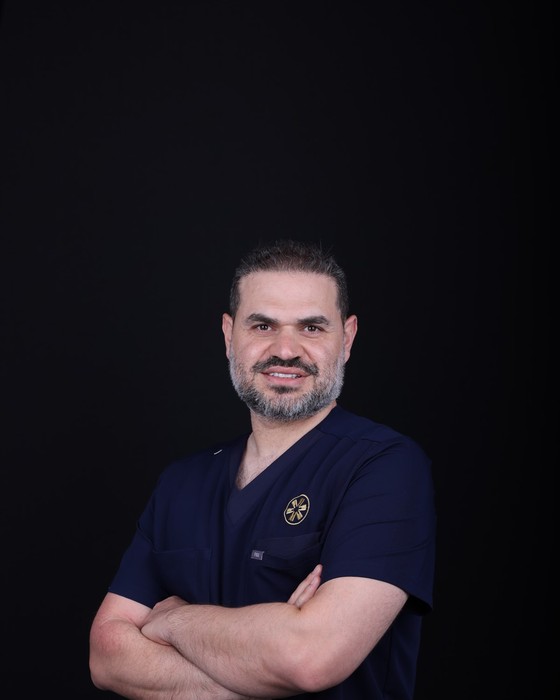
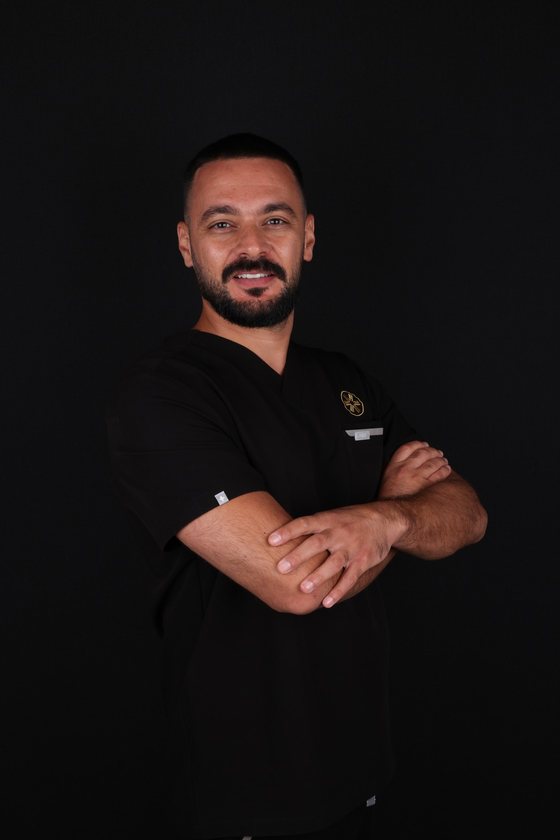
Who treats you here Dr. Firas Osman Oral & Maxillofacial Surgeon & Implantologist · Dr. Khalid Saeed Co-founder & Dentist · Dr. Kinan Bonni Dentist
Every dentist’s licence can be checked on the DHA Sheryan medical directory.
A front-tooth implant is mainly an aesthetic challenge. A back-tooth implant is mainly a mechanical and anatomical one, for three reasons.
The overall single-tooth pathway is explained on the single tooth implant page; for a visible front tooth, where gum shape matters most, see front tooth implants.
The scan answers different questions in each jaw. These are typical patterns, not rules.
| Upper molar | Lower molar | |
|---|---|---|
| Structure nearby | The maxillary sinus, just above the roots | The nerve canal running through the jaw below the roots |
| Common limitation | Bone height shrinks as the sinus expands into the space after a tooth is lost | Ridge width, and the safe distance above the nerve |
| Possible extra step | A crestal or lateral sinus lift, sometimes in the same surgery as the implant | Bone grafting for a thin ridge, or a shorter implant where the scan shows that is safer |
| Bone quality | Often softer | Often denser |
| Typical healing | Often towards the longer end of the range | Often quicker than the upper jaw |
The sinus lift page explains both approaches; if a lift is likely in your case, the sinus lift cost page shows how it changes the plan.
Not every missing back tooth has to be replaced. These are the legitimate options, from the most conservative.
| Option | What it involves | Worth knowing |
|---|---|---|
| Leave the gap and monitor | Regular checks of the bite and the neighbouring teeth | Can be reasonable for some last molars; elsewhere the tooth above or below may over-erupt and neighbours may tilt into the space |
| Bridge | A crown on each neighbouring tooth carries a false tooth across the gap | No surgery, but healthy neighbours are cut down; a sensible choice if they already need crowns |
| Implant and crown | An implant in the bone carries its own crown | Leaves the neighbours untouched and loads the bone; needs surgery and months of healing |
Bone at an empty site slowly shrinks, so waiting years can turn a straightforward implant into one that needs grafting. Our guide on how soon an implant can follow an extraction explains the timing.
Your written plan gives your own sequence; grafting or a staged sinus lift adds a step.
Gums, bite, neighbouring teeth, medical history and a 3D scan of bone, sinus and nerve. Options and costs go into a written, itemised plan.
Visit 1A failing molar is removed; the socket may be grafted to limit shrinkage if the implant will follow later.
If neededUnder local anaesthetic, guided by the digital plan and a printed surgical guide where the case calls for it, with a sinus lift in the same sitting if suitable.
SurgeryBone bonds to the implant, typically over about 3–6 months, longer after grafting. Soft food on that side at first.
MonthsA digital scan is sent to Creative Art Dental Lab in the same building; the crown is fitted, the bite checked and a review booked.
After healingThe material is chosen for strength first, then appearance, and agreed in your plan.
Milled from a single block of zirconia with no layered porcelain on top, so there is little to chip. A common choice for molars that take heavy chewing load.
Considered for premolars that show when you smile, where appearance matters more and load is lower.
A crown fixed with a screw can be removed for repair or cleaning without damaging it. Whether screw or cement suits depends on the implant angle.
Back-tooth crowns are contoured so floss or an interdental brush reaches the implant collar, because cleaning there is harder.
Plaque collects more easily around a molar implant because it is far back and the crown is wide. Peri-implantitis, inflammation with bone loss around an implant, is the main long-term threat, and smoking, uncontrolled diabetes and a history of gum disease raise the risk. An interdental brush or water flosser at the implant collar every day, and regular hygiene visits, matter more than the brand of implant. If you clench or grind, a night guard protects the crown and the screw.

Creative Arts has operating rooms equipped for dental and oral surgery. Oral & maxillofacial surgeon Dr. Firas Osman assesses and plans surgical cases, with 3D (CBCT) imaging and, where the case calls for it, surgical guides 3D-printed in our own laboratory.
Our operating rooms · IV sedation · General anaesthesia · Dental anxiety
The implant is placed in the clinic; the crown or bridge it carries is designed and made in the laboratory in the same building, so planning, shade and fit are checked by people working side by side.


Back-tooth implants, sinus lifts and grafting are planned and placed by our surgeon and implant dentists, who read your scan with you.
Clinical statements on this page are consistent with these independent sources. They describe averages from studies, not a promise for any one patient.
Not necessarily. Implant surgery is done under local anaesthetic, and discomfort afterwards is usually managed with over-the-counter pain relief for a few days. A molar implant combined with a sinus lift or bone graft can cause more swelling than a simple implant, which settles over one to two weeks. Your surgeon will tell you what to expect for your case.
No. A sinus lift is needed only when the CBCT scan shows too little bone height under the sinus for the planned implant. Many upper molar implants are placed without one, and where a small gain is needed a crestal lift can often be done through the implant site in the same surgery. The scan decides, not the tooth position alone.
Typically about three to six months from implant surgery to the final crown, because the bone needs time to bond to the implant. Add time if the molar must first be extracted and the socket left to heal, or if a bone graft or staged sinus lift is needed. Your written plan sets out your own timeline.
Sometimes, but less often than for front teeth. A molar socket is wide and divided by its roots, so an implant placed on the day must still be held firmly by the bone between and beyond them. Infection or thin socket walls usually mean waiting a few weeks or months, sometimes with a graft placed at extraction.
Yes, and monolithic zirconia is a common choice for back teeth because it is strong and has no layered porcelain to chip. For a premolar that shows when you smile, a more translucent or layered ceramic may be chosen. The crown is designed and made by Creative Art Dental Lab in the same building as the clinic.
Not always. If the last molar is missing and the bite is stable, monitoring can be reasonable. Elsewhere, an empty space can let the opposing tooth over-erupt and neighbours tilt, trap food and shift your bite, and the bone slowly shrinks. Your dentist will compare leaving the gap, a bridge and an implant for your mouth.
Creative Arts has a single clinic on Jumeira Street (Jumeirah Beach Road). Ask about parking when you book.
Our clinic in Jumeirah Open in Google Maps · Rated 4.8 on Google from 238 patient reviews (October 2026) — read them
Tell us what you would like to change. The clinic replies within working hours with an appointment time.
Or call us +971 4 342 4444Or message us on WhatsApp
A consultation ends with a diagnosis and a written, itemised plan — not a sales pitch. Book online, message us on WhatsApp, or call the clinic.