Decay too deep to repair
When so little sound tooth is left that a filling, nerve treatment or crown would not hold, or the roots have been weakened by infection.
Most baby teeth fall out on their own, and a decayed one can often be saved. When one has to come out, a calm, well-explained visit and simple aftercare make it a small event.
Your child's tooth is examined and the options are explained before anything is removed.
A baby tooth extraction is needed when the tooth cannot or should not be kept: decay too deep to repair, an infection that threatens the adult tooth beneath, an adult tooth erupting behind a baby tooth that will not loosen, or a break below the gum. At Creative Arts in Dubai, saving the tooth is considered first, and if removal is the right choice it is done under local anaesthetic with written aftercare.
Who treats you here Dr. Duaa Ameen General Dentist · Dr. Julia General Dentist
Every dentist’s licence can be checked on the DHA Sheryan medical directory.
A baby tooth holds space and helps a child chew and speak, so it is kept whenever reasonable. Removal is usually better in these situations.
When so little sound tooth is left that a filling, nerve treatment or crown would not hold, or the roots have been weakened by infection.
An abscess on a baby molar sits close to the developing adult tooth. If the infection has spread or the root is badly resorbed, removing the source protects what is forming underneath.
Lower front adult teeth sometimes erupt behind baby teeth that have not loosened, the so-called shark teeth. Many sort themselves out; a baby tooth that stays firm may need help.
A baby tooth broken below the gum after a fall, or a tooth removed as part of a plan from our orthodontists to guide adult teeth into place.
The choice depends on how deep the decay goes, whether the nerve is affected, how long until the tooth would fall out naturally, and your child's comfort.
| Option | When it fits | What to know |
|---|---|---|
| Watch and prevent | Very early decay on a tooth that will be lost soon | Fluoride and better brushing can stop early decay; see cavities in baby teeth |
| Filling | A cavity that has not reached the nerve | Tooth-coloured filling under local anaesthetic |
| Pulpotomy | Decay has reached the nerve but the root part is healthy | Removes the inflamed top of the nerve so the tooth can be kept; see pulpotomy |
| Crown on a baby molar | A molar too broken down for a filling | Discussed case by case; see crowns for baby teeth |
| Extraction | Not repairable, infected with root damage, or blocking an adult tooth | One short visit under local anaesthetic |
| Extraction, then a space check | A back tooth removed years before the adult tooth is due | The gap may need holding open; see space maintainers |
The American Academy of Pediatric Dentistry advises considering extraction when a baby tooth's root shows excessive resorption from disease, rather than attempting nerve treatment.
Children cope best when they know what will happen, in words that do not frighten them.
The dentist examines the tooth, takes an X-ray if the roots or the adult tooth need checking, and explains the plan to you and, in simple words, to your child.
BeforeA numbing gel is placed on the gum first, then a local anaesthetic is given slowly. Your child feels pressure during the extraction, not sharp pain.
StartBaby teeth have short roots that are often partly dissolved, so removal is usually quick. The dentist talks your child through each step.
MinutesYour child bites on gauze to stop the bleeding, and you receive written aftercare, including how long the numbness is likely to last.
AfterNot usually; most children manage with local anaesthetic and good preparation. For an anxious child, laughing gas (nitrous oxide with oxygen, breathed through a small nose mask) may be offered at Creative Arts after a review of your child's medical history. It relaxes the child, who stays awake and can talk, and it wears off within minutes once oxygen is given. It does not numb the tooth, so local anaesthetic is still used.
The American Academy of Pediatric Dentistry describes nitrous oxide as a safe and effective way to ease anxiety in children when used judiciously, and notes that it works only if the child accepts the mask and breathes through the nose. Our guide to laughing gas for children explains who it suits. Children who need a lot of treatment, or cannot cope in the chair, may need a different plan; see children's dental treatment under general anaesthesia.
Recovery is usually quick. These are the points parents most often ask about.
| Time | What to do | Why |
|---|---|---|
| While numb (often a couple of hours) | No food; watch that your child does not bite or suck the numb lip, cheek or tongue | Lip and cheek biting is a common injury in children after local anaesthetic |
| First evening | Soft, cool or lukewarm food such as yoghurt, soup that has cooled, eggs or pasta; drink water | Hot food can burn a numb mouth, and hard food can disturb the clot |
| First 24 hours | No vigorous rinsing or spitting; keep fingers and tongue away from the socket | The blood clot protects the healing gum |
| Bleeding | A little pink saliva is normal; for fresh bleeding, bite on clean gauze for several minutes | Steady pressure stops most oozing |
| Soreness | Children's paracetamol or ibuprofen as directed on the label or by your pharmacist; never aspirin for children under 16 | Discomfort is usually mild and settles within a day or two |
| From the next day | Brush as normal, gently around the gap; return to normal food as comfortable | Clean mouths heal faster |
Our guide to whether dental anaesthetic is safe for children explains numbness and lip biting in more detail.
Most children are back to normal the next day. Contact the clinic during opening hours, daily 10:00–20:00, if anything in the second list happens.
A careful extraction does not harm the adult tooth beneath; the X-ray beforehand shows where it sits, and baby tooth roots are usually partly dissolved by the time there is a problem. The bigger effect is on space. A baby molar removed years before its replacement is due leaves a gap that neighbouring teeth can drift into, which can crowd or block the adult tooth later. That is why the dentist checks the space after an early extraction and explains whether a space maintainer is worth considering.
If the bite or crowding is part of the picture, our specialist orthodontists can assess it. For removals that go beyond a routine baby tooth, such as an impacted tooth or an extra tooth, our oral and maxillofacial surgery team is involved, and our page on tooth extraction covers extractions in older children and adults.
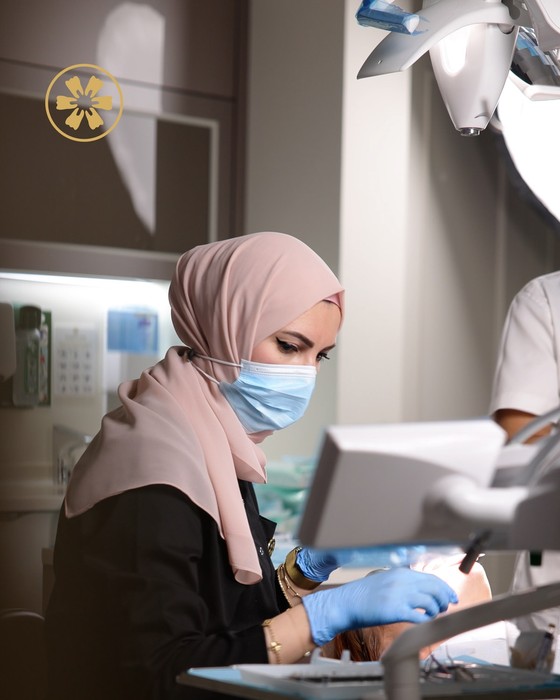
Children's extractions are planned and carried out by our general dentists, who explain each step to you and your child first.
Clinical statements on this page are consistent with these independent sources. They describe averages from studies, not a promise for any one patient.
When the decay is too deep for a filling, nerve treatment or crown to hold, when infection has damaged the root or threatens the adult tooth, when an adult tooth is erupting behind a baby tooth that will not loosen, or when the tooth is broken below the gum. If the tooth can reasonably be kept, that is usually considered first.
The area is numbed first, with a gel and then local anaesthetic, so children usually feel pressure rather than pain during the extraction. The injection can sting briefly. Afterwards there may be mild soreness for a day or two, usually managed with children's pain relief as directed on the label or by your pharmacist.
Most baby tooth extractions need only local anaesthetic and careful preparation. For an anxious child, laughing gas may be offered at Creative Arts after a medical-history review. The child stays awake and relaxed, the effect wears off within minutes, and local anaesthetic is still used to numb the tooth.
Nothing until the numbness has worn off, to avoid biting the lip or cheek. Then soft, cool or lukewarm food such as yoghurt, eggs, pasta or cooled soup, with water to drink. Avoid very hot, hard or crunchy food that evening. Most children are eating normally the next day.
A careful extraction does not damage the adult tooth, but losing a back baby tooth years early can let neighbouring teeth drift into the gap and leave too little room later. The dentist checks the space after the extraction and explains whether a space maintainer is worth considering for your child.
Bleeding usually stops within minutes of biting on gauze, and pink-tinged saliva on the first day is normal. If fresh bleeding continues, have your child bite firmly on clean gauze for several minutes. Bleeding that keeps going despite pressure needs a call to the clinic, or a hospital emergency department if it is heavy.
Creative Arts has a single clinic on Jumeira Street (Jumeirah Beach Road). Ask about parking when you book.
Our clinic in Jumeirah Open in Google Maps · Rated 4.8 on Google from 238 patient reviews (October 2026) — read them
Tell us what you would like to change. The clinic replies within working hours with an appointment time.
Or call us +971 4 342 4444Or message us on WhatsApp
A consultation ends with a diagnosis and a written, itemised plan — not a sales pitch. Book online, message us on WhatsApp, or call the clinic.