Connector size
Connectors need enough height and width for the material. Tall, narrow embrasures look natural but thin the connector, so the lab balances appearance against strength and flags a design that is too thin.
Zirconia and E.max crowns and zirconia bridges, designed digitally, milled, then stained, glazed or hand-layered and checked on the model. Made by Creative Art Dental Lab for clinics across Dubai.
These buttons reach the clinic team at Creative Arts. To reach the lab directly, call +971 56 979 2929 or email [email protected].

Creative Art Dental Lab makes single crowns in layered zirconia, monolithic zirconia and E.max (lithium disilicate), zirconia bridges, and implant crowns and bridges, for the dentists at Creative Arts and for outside clinics in Dubai. Cases arrive as 3Shape, Medit or other major scan files, are designed digitally, milled, finished by hand and checked on the model. Typical turnaround is 3–5 working days from a complete case.
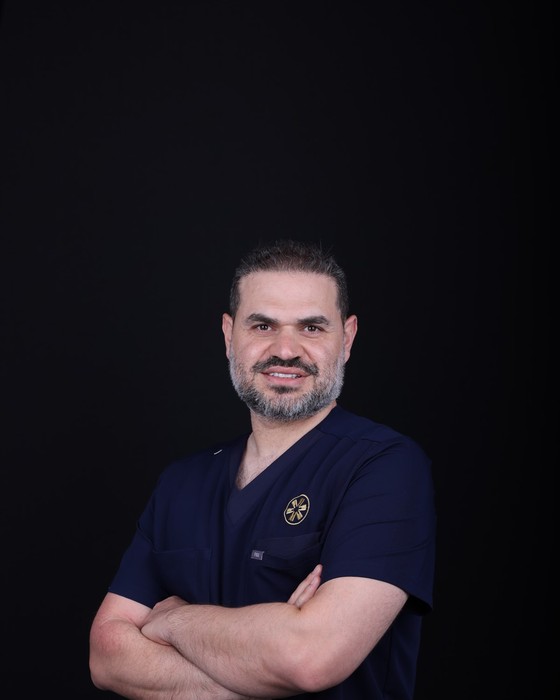
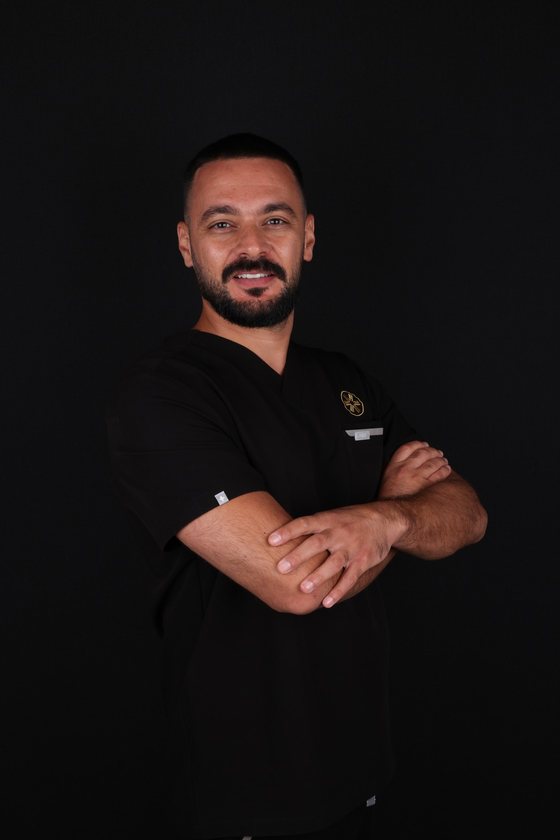
Who treats you here Dr. Khalid Saeed Co-founder & Dentist · Dr. Kinan Bonni Dentist
Every dentist’s licence can be checked on the DHA Sheryan medical directory.
The material is the dentist's decision. This is how the lab usually reads common crown and bridge prescriptions, and what it checks before design starts.
| Case | Material usually considered | What the lab checks first |
|---|---|---|
| Single molar or premolar, heavy bite or limited clearance | Monolithic zirconia, stained and glazed | Occlusal clearance on the scan, opposing contacts, any sign of grinding in the notes |
| Single front crown beside natural teeth | E.max, or layered zirconia over a dark stump | Stump shade, shade photos and the incisal translucency of the neighbouring teeth |
| Several front crowns, or crowns mixed with veneers | E.max or layered zirconia for crowns; feldspathic or E.max for the veneers | One shade plan across both, so crowns and veneers read as one smile |
| Short anterior bridge | Layered zirconia | Connector height against the embrasures, pontic form and the gum contour at the pontic site |
| Posterior or longer-span bridge | Zirconia, often monolithic in the load-bearing areas | Abutment parallelism, path of insertion, connector size and room for cleaning |
| Implant-supported crown or bridge | Zirconia, screw-retained or cemented as the dentist chooses | Implant system, platform and scan body; see implant restorations |
Lithium disilicate is generally limited by its manufacturer to short spans, so most bridges are made in zirconia. If you are unsure, call the lab before preparing the tooth: +971 56 979 2929.
Monolithic zirconia is milled to full contour from one block and coloured with stains and glaze. It needs the least clearance of the zirconia options, has no separate ceramic layer to chip and suits back teeth, heavy bites and patients who grind. Layered zirconia uses a zirconia core with ceramic built up by hand on the visible surfaces, which gives more depth and translucency at the cost of a layer that must be well supported.
The evidence supports being selective. A 2015 systematic review in Dental Materials (Sailer and colleagues) found that veneered zirconia single crowns had more technical problems, chiefly chipping of the veneering ceramic, than other crown types. For lithium disilicate, a 2023 review in Medicina reported five-year survival of 95–100% for single crowns across the included studies, generally better than for multi-unit bridges. In practice that means layering where the tooth is on show and the bite allows it, and monolithic or cut-back designs where load is the priority. A cut-back design keeps a full-strength zirconia structure and layers only the facial surface.
For a patient-level comparison of the two main crown ceramics, see E.max vs zirconia.
A bridge fails at its weakest point, usually the connector or the pontic area. These are checked on screen before milling and raised with you if something looks marginal.
Connectors need enough height and width for the material. Tall, narrow embrasures look natural but thin the connector, so the lab balances appearance against strength and flags a design that is too thin.
The pontic is shaped to look like it emerges from the gum while staying cleanable with floss or interdental brushes. Where the ridge has been prepared for it, the form follows the gum contour in the scan.
Abutments must allow the bridge to seat in one direction. Undercuts or converging preparations are flagged on the scan before design, not discovered at try-in.
Longer spans and cantilevers carry more load per abutment. The lab can design them, but the decision on whether the support is adequate stays with the dentist.

Every crown and bridge is checked on a model before it is sent. For digital cases the model is 3D-printed from your scan, with the prepared teeth separated as individual dies so each margin can be inspected.
If something does not fit at try-in, small adjustments to contacts, occlusion or stain can often be made the same day. Remaking a crown is a separate matter, agreed with the lab case by case.
Most remakes trace back to information, not ceramics. For crown and bridge work in particular:
If you are moving from impressions to scanning, our guide to digital dental impressions covers what the lab does with the file. The general steps for sending a case are on the lab's page for dentists.
Typical turnaround is 3–5 working days from a complete case, depending on complexity; multi-unit aesthetic work and long bridges take longer, and urgent cases are discussed against the current schedule. The lab does not manufacture crowns or bridges the same day. For how that compares with chairside milling, see same-day vs lab-made crowns.
Dr. Khalid Saeed and Dr. Kinan Bonni examine, plan and prepare crown, bridge and implant cases at Creative Arts in the same building, and review shade and design with the ceramists in person. The lab makes the restoration; it does not see patients or decide treatment.
If you are deciding where to send crown and bridge work, our checklist on how to choose a dental lab sets out ten practical questions, from materials and scan compatibility to shade service and logistics. To start sending cases, call the lab on +971 56 979 2929, email [email protected] or use the lab inquiry form. Collection and delivery within Dubai can be coordinated when the case is booked in.
Clinical statements on this page are consistent with these independent sources. They describe averages from studies, not a promise for any one patient.
Typically 3–5 working days from a complete case, depending on complexity. A single monolithic zirconia crown is usually at the shorter end; layered crowns, several front units and long bridges take longer. Urgent cases are discussed against the lab's current schedule, so call before booking the fitting appointment.
Yes. Creative Art Dental Lab accepts scan files from 3Shape, Medit and most other major systems. Send the prepared arch, the opposing arch and a bite, with the margins clearly visible. Shade photos with the tab in frame help for any crown on a visible tooth.
Lithium disilicate is generally limited by its manufacturer to short spans, and most bridges are made in zirconia because of its strength at the connectors. If you are considering an E.max bridge, discuss the span, connector size and bite with the lab before preparing the teeth, and it will advise whether the design is realistic.
Monolithic zirconia suits back teeth, heavy bites, grinders and limited clearance because there is no separate layer to chip. Layered zirconia gives more depth and translucency on visible teeth but needs good support for the ceramic. A cut-back design is a middle option. The choice is yours; the lab will flag a design that looks risky.
The materials described on this page are zirconia, layered or monolithic, and E.max, with feldspathic porcelain for veneers. If a case calls for a metal-based restoration, call the lab on +971 56 979 2929 to discuss it before you prepare the tooth.
Often, yes. Small adjustments to contacts, occlusion or stain can usually be made the same day by the lab in the same building. That is not same-day manufacturing: new crowns and bridges are made over the usual lab time. Anything beyond an adjustment is agreed with the lab case by case.
Collection and delivery of cases within Dubai can be coordinated with the lab when the case is booked in. For digital cases, the scan files are sent electronically and only the finished restoration needs delivering. Call +971 56 979 2929 or email [email protected] to arrange it.
Creative Arts has a single clinic on Jumeira Street (Jumeirah Beach Road). Ask about parking when you book.
Our clinic in Jumeirah Open in Google Maps · Rated 4.8 on Google from 238 patient reviews (October 2026) — read them
Tell us what you would like to change. The clinic replies within working hours with an appointment time.
Or call us +971 4 342 4444Or message us on WhatsApp
A consultation ends with a diagnosis and a written, itemised plan — not a sales pitch. Book online, message us on WhatsApp, or call the clinic.