How are pointy canine teeth fixed?
Pointy canine teeth are fixed according to the cause. If the tip is simply sharp or slightly long, it can often be softened by reshaping a little enamel. If the canine is short, worn or narrow, composite bonding adds material, and a veneer suits it when the wider smile is being changed. A canine that sits high or sticks out needs orthodontics. At Creative Arts in Dubai, the bite is checked first, because canines guide your jaw movements.
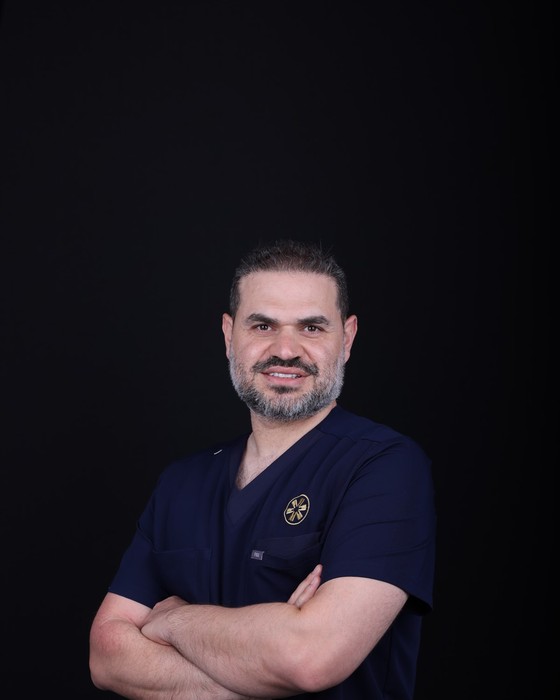
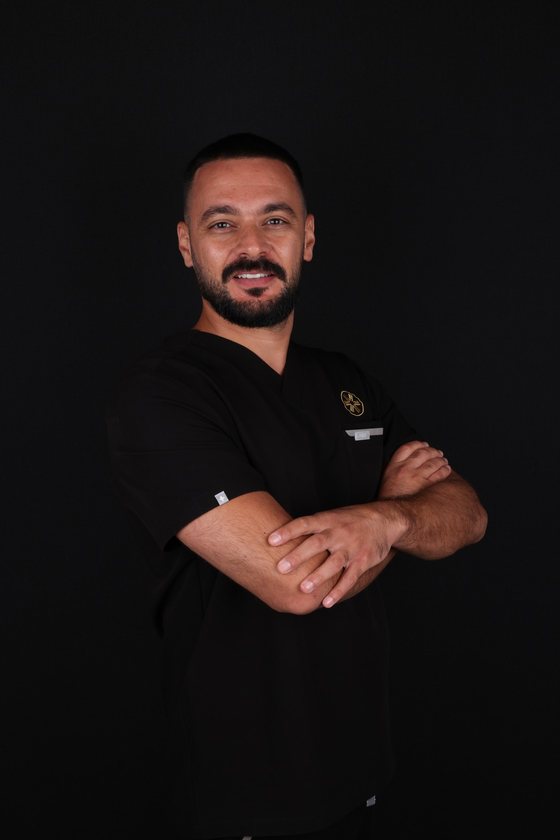
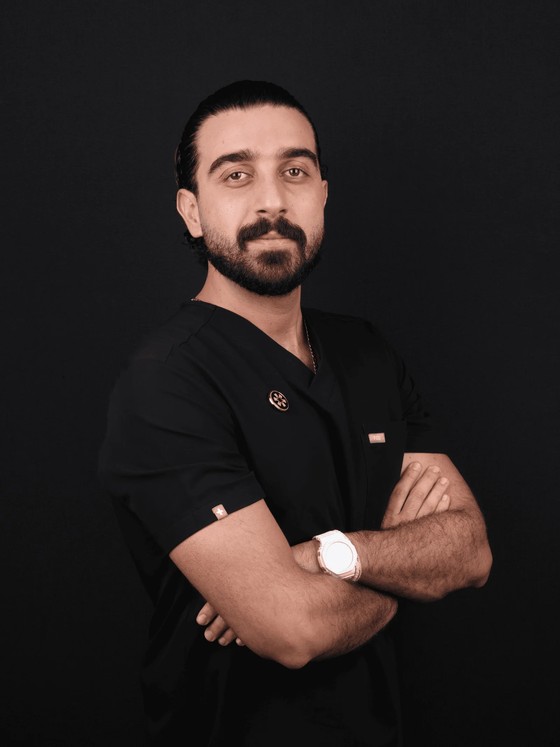
Who treats you here Dr. Khalid Saeed Co-founder & Dentist · Dr. Kinan Bonni Dentist · Dr. Somar Dahdal General Dentist
Every dentist’s licence can be checked on the DHA Sheryan medical directory.
Why do some canines look pointy or fang-like?
Canines are built to have a point. They are the longest teeth in the mouth, with the longest roots, and their single sharp cusp evolved for gripping and tearing. In many people that point wears down over the years and becomes rounder. Where it stays sharp, or where the canine stands out from its neighbours, the smile can look fang-like.
Four things usually explain it:
- Shape: a naturally long, narrow or sharply pointed cusp that has not worn down.
- Small neighbours: when the lateral incisors next to the canines are small or missing, the canines look more prominent by contrast. See big front teeth for the reverse problem of proportions.
- Position: a canine that came through late, high in the gum or outside the arch, sits forwards and looks like a fang even when its shape is normal.
- Rotation: a twisted canine shows its pointed edge rather than its smooth front surface.
The first two are problems of shape and proportion, and are usually treated on the tooth surface. The last two are problems of position, which only orthodontics truly corrects.
Pointy canine options compared
Conservative options come first. The right one depends on whether the tooth needs material removed, added, or moved.
| Option | What it fixes | Enamel removed | Limits |
|---|---|---|---|
| Reshaping the tip | A sharp or slightly long point | A little, from the tip only | Cannot lengthen or widen; limited by the canine's role in the bite |
| Composite bonding | Short, worn, chipped or narrow canines | Usually none | Can chip or stain over the years; needs polishing and occasional repair |
| Veneer | Shape and colour together, usually as part of a wider smile plan | Usually some; minimal in some cases | Must be designed to take the forces of canine guidance |
| Orthodontics | Canines that sit high, stick out or are rotated | None for the movement itself | Takes months; retainers are needed afterwards |
| Combined plan | Position corrected first, then shape refined | Depends on the steps | Takes longer, but usually gives the most natural result |
Our page on tooth reshaping explains enamel contouring in detail.
Can pointy canines be filed down?
Often, yes, by a small amount. Softening the very tip of a sharp canine is one of the most common reshaping requests, and when the change is small it is usually done in a single short visit without anaesthetic, because enamel has no nerves.
The limit is not the enamel alone but the bite. When you slide your jaw to the side, the upper and lower canines on that side usually touch first and guide the movement, lifting the back teeth apart. This is called canine guidance, and it protects the back teeth and restorations from sideways grinding forces. If a canine tip is flattened too much, that guidance can be lost and the load moves to teeth less suited to take it. So before filing, the dentist checks how your canines meet in sideways movements and removes only what keeps that contact intact. See veneers and your bite for why this matters.
Filing also only takes away. If the canine looks pointed because it is narrow, or because the corners beside the tip are worn, removing the tip can make it look shorter without looking rounder. In those cases adding material works better.
Are vampire teeth a problem for the bite?
Usually not. Sharp canines are often a sign that the canines are doing their guiding job without much wear, which is healthy. The concern is cosmetic for most people.
There are exceptions. A canine that sits outside the arch can catch the lip or interfere with sideways movements. A canine that touches heavily when you bite together may chip. And canines that have been worn flat by grinding have often lost their guidance, which can increase wear on other teeth. If your canines are flattening rather than sharp, a night guard may be advised before any cosmetic work.
Bonding vs reshaping for short canines?
For short canines, bonding. Reshaping can only make a tooth smaller, so it cannot fix a canine that looks too short, too narrow or chipped. Composite bonding adds tooth-coloured resin to rebuild the length, round the outline or restore a worn cusp, usually without removing enamel.
Canines take sideways forces, so bonding on a canine tip is under more stress than on the front of an incisor. A systematic review of front-tooth composite restorations found they generally performed well over the long term, with low annual failure rates across studies; on canines, good bite design and protecting the teeth from grinding help the bonding last. Many patients combine both methods: the tip of a long canine is softened slightly, and its worn sides are built up so the tooth looks rounder rather than simply shorter.
If you are changing the shape and colour of several front teeth, canines included, see how veneers are designed and previewed with a mock-up at Creative Arts in Dubai before any preparation.
Explore veneersDo canines need veneers in a Hollywood smile?
Usually, yes. The canines are clearly visible in most smiles, so a Hollywood smile that stops before them leaves natural canines next to new, brighter incisors, and the difference shows. How many teeth are included depends on how wide your smile is, which is why plans commonly cover the upper six, eight or ten teeth.
The canine veneers are also the ones most likely to give a smile an artificial look if they are designed badly. Canines that are made as wide and square as incisors look unnatural; a natural canine has a defined point, even if softened, and turns slightly as the arch curves back. Because canines guide the bite, their veneers must also be shaped and finished for sideways contact. Our guide to smile proportions explains how canine shape affects the whole smile.
How do you fix a canine that sticks out without braces?
If the problem is position, honestly, you usually cannot move it without some form of orthodontics. Veneers or crowns can disguise a canine that is only slightly forward, but making a clearly protruding canine look straight with ceramic means removing a lot of tooth, which is rarely a good trade. For adults, clear aligners are often less noticeable than fixed braces, and they can be combined with bonding or reshaping at the end.
In children and teenagers, canines that have not come through, or are coming through high in the gum, should be checked early. The American Association of Orthodontists recommends a first orthodontic check no later than age 7, when problems with developing teeth can be spotted. A canine that stays buried is covered on our page about impacted teeth, and treatment with braces is planned by our specialist orthodontists.
Dentists who plan canine reshaping, bonding and veneers
Dr. Khalid Saeed, Dr. Kinan Bonni and Dr. Somar Dahdal assess the shape of your canines and how they guide your bite, and plan reshaping, bonding or veneers; canines that need moving are referred to the clinic's specialist orthodontists.