CAD/CAM digital design & milling
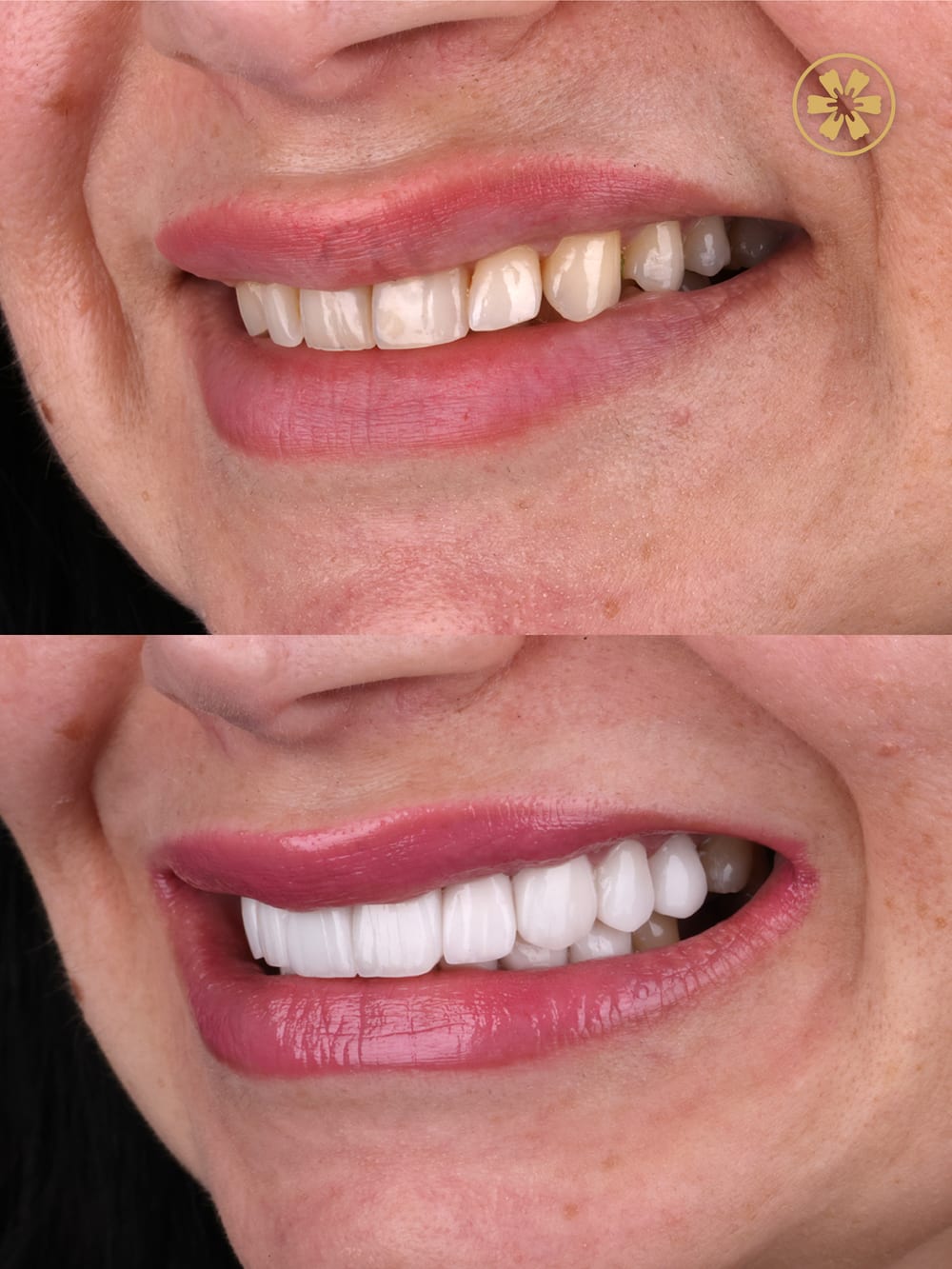
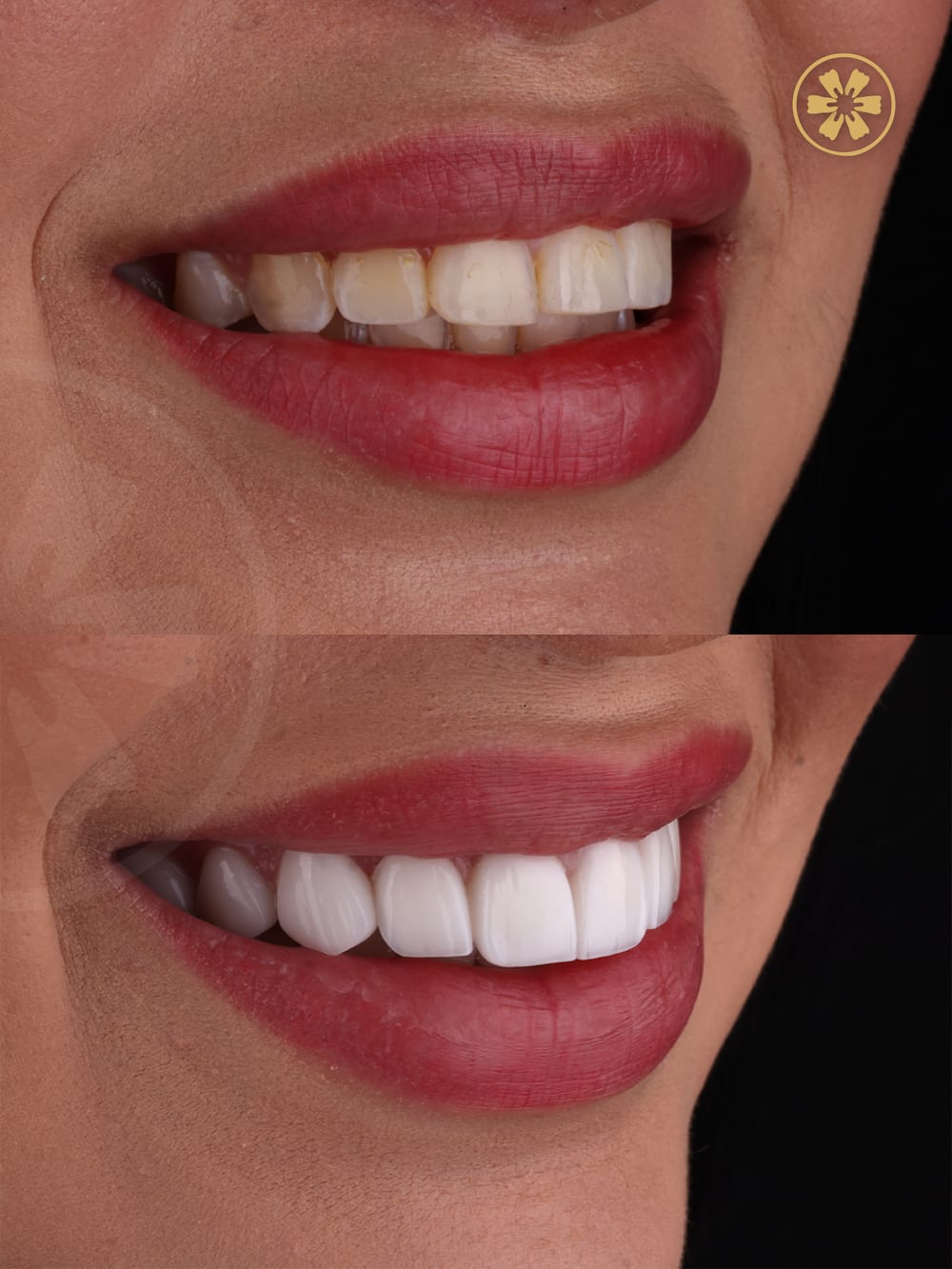
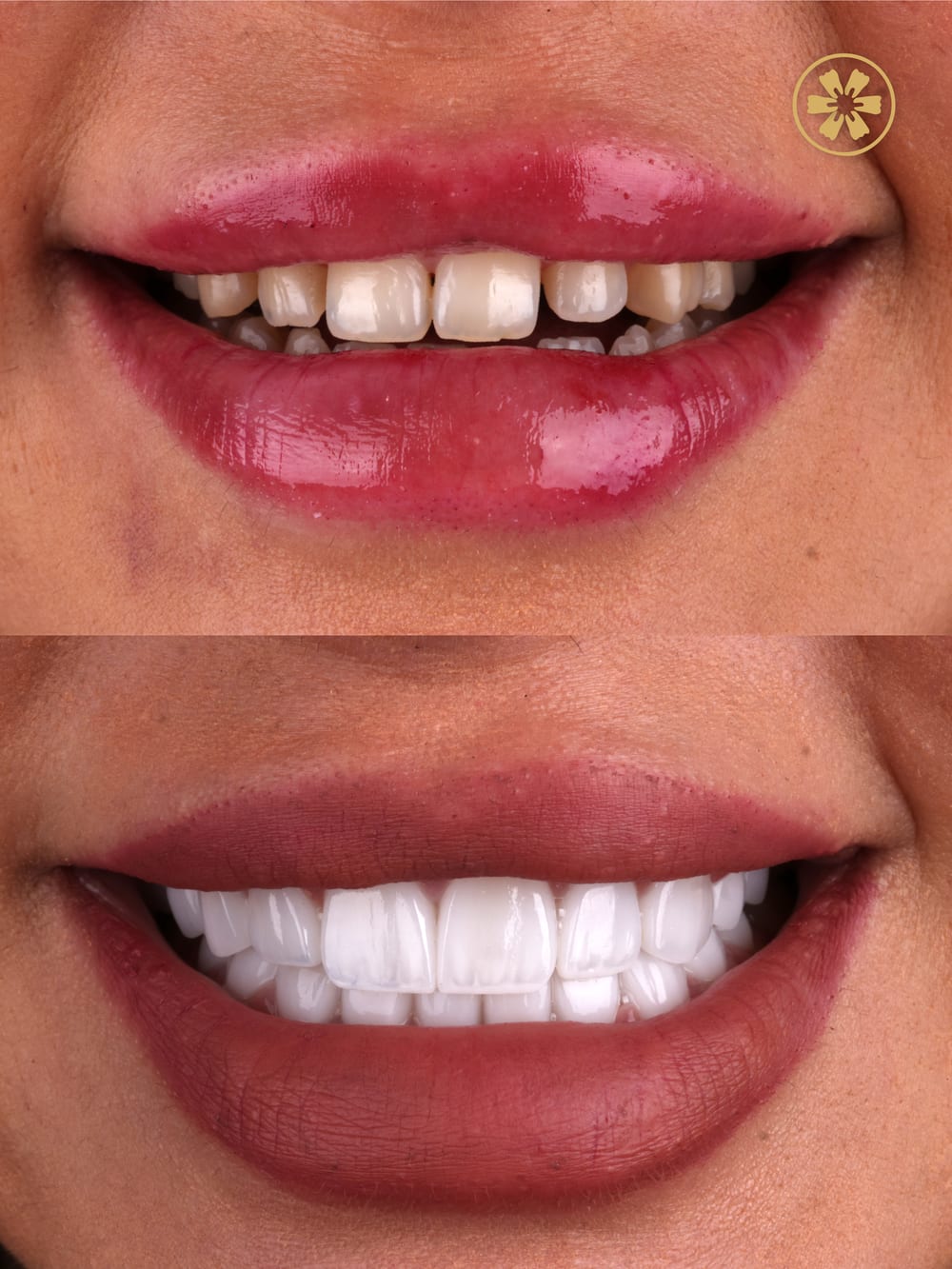
Veneers and crowns are designed digitally and milled from ceramic blocks to micron tolerances in our own lab, so marginal fit is verified before anything is made.
Our implant workflows combine CBCT-guided placement and restorative planning to optimize stability and longevity.
Or call us +971 4 342 4444
Every case passes through the same governed stages, from diagnosis to review, whatever the treatment.
A clinical examination with digital imaging and radiographs where indicated, to establish what you actually need before anything is proposed.
You receive a written plan covering the steps, the timeline, the cost and the alternatives, before any commitment.
We simulate the outcome digitally and review it with you, so you know where the treatment is heading before it starts.
Carried out by the appropriate specialist to the agreed protocol, with comfort and pain control managed throughout.
A review appointment assesses the result, the bite and gum health, with written home-care guidance.
Footage from real cases filmed at Creative Arts in Dubai — no stock clips, no reconstructions.
Equipment is not the point. Each of these exists because it measurably changes precision, comfort or treatment time.
Veneers and crowns are designed digitally and milled from ceramic blocks to micron tolerances in our own lab, so marginal fit is verified before anything is made.
An optical scanner replaces traditional impression material — no gagging, no distortion, and any incomplete area is re-scanned in seconds.
You see and approve your proposed smile before a single tooth is prepared, then wear a physical mock-up to judge it in your own face.
Laser gum contouring and soft-tissue treatment reduce bleeding, healing time and the need for sutures compared with conventional surgery.
Before any implant we assess bone height, density, nerve position and sinus floor precisely — nothing is estimated.
A modern hygiene protocol that discloses biofilm first, then removes it with air, water and fine powder — safe on implants and ceramics.
An implant is a titanium post placed into the jawbone to take the place of a missing tooth root. Once bone has grown onto its surface, it supports a crown, a bridge, or a full-arch prosthesis.
It has three components:
The biological process that makes it work is osseointegration: living bone bonding directly to the implant surface. This takes three to six months and cannot be accelerated. Loading an implant before it has integrated is one of the most common causes of early failure.
When a tooth is lost, the bone that held it begins to resorb — most rapidly in the first year. Bone maintains its volume in response to the load transmitted through a root. Remove the root and the stimulus disappears.
A bridge replaces the visible tooth but transmits no load into the bone beneath the gap, so resorption continues. A denture sits on the gum and can accelerate the process. An implant is the only option that transmits load into bone the way a root does, which is why it is the only replacement that genuinely preserves the ridge.
This has a visible consequence over years: it maintains facial support in the lower third of the face.
A cone beam scan gives a three-dimensional view of bone height, width and density, and shows the position of the inferior alveolar nerve in the lower jaw and the sinus floor in the upper.
This scan is not optional. Placing an implant from a two-dimensional radiograph means estimating the position of anatomy that must not be estimated. Nerve injury is a serious and largely preventable complication.
The implant position is planned against where the final crown needs to be — not where bone is easiest to drill. This distinction determines whether the finished tooth emerges naturally from the gum or looks like a compromise.
A surgical guide is manufactured from that plan, so the position designed on screen is the position achieved in the mouth.
Under local anaesthetic, the site is prepared to precise dimensions and the fixture placed to a specific insertion torque. Torque matters: too little and primary stability is inadequate, too much and bone can be compressed to the point of compromising blood supply.
A single implant appointment is usually under an hour.
Three to six months while bone integrates. A temporary tooth can normally be worn during this period, so you are not without a tooth.
A digital scan is taken and the custom abutment and crown manufactured. Because our laboratory is on site, shade matching happens with the technician present — which matters enormously for a single implant crown positioned next to a natural tooth, the most demanding aesthetic case in dentistry.
Grafting is needed when the remaining bone cannot securely hold a fixture. The common approaches:
Grafting adds months and cost. It is worth being direct: reflexive grafting is common in the market. Our position is that the scan decides — and where technique can achieve stability without grafting, we use technique.
First 24 hours. Bite on gauze as directed and use ice intermittently. Do not rinse forcefully, spit or use a straw — these disturb the clot. No smoking.
Days 2 to 3. Swelling peaks; bruising is normal. Soft, cool foods. Continue prescribed medication.
Days 4 to 7. Swelling subsides. Most people return to work within two to three days after a single implant.
Months 3 to 6. Integration completes and the final restoration is fitted.
| Implant | Bridge | Removable denture | |
|---|---|---|---|
| Adjacent teeth | Untouched | Must be cut down | Untouched |
| Bone preservation | Yes | No | No |
| Expected lifespan | Longest | 10–15 years typically | Needs relining or remaking |
| Upfront cost | Highest | Moderate | Lowest |
| Feel and function | Closest to natural | Good | Variable |
Over a long horizon implants frequently become the more economical option — but the honest comparison depends on your bone, your health and your priorities, and we will give you that comparison rather than a recommendation dressed as one.
The surgery is performed under local anaesthetic, so you feel pressure but not pain. Most patients describe the following days as comparable to a tooth extraction and manage with standard over-the-counter pain relief. Swelling peaks at 48 to 72 hours and then settles.
From placement to final crown is typically three to six months, because osseointegration — bone growing onto the implant surface — cannot be rushed. The surgical appointment itself is usually under an hour for a single implant, and a temporary tooth can be worn throughout.
Only if there is not enough bone to hold the implant securely, and that is determined by your CBCT scan rather than by looking. Many cases need no graft at all. Where volume is borderline, techniques such as angled or shorter implants can sometimes avoid grafting entirely.
Published success rates are around 95 to 98 percent at ten years for well-planned implants in healthy patients. The implant itself is designed to be permanent; the crown on top may need replacing over a long horizon. Smoking, uncontrolled diabetes and untreated gum disease are the main threats.
Age itself is rarely the limiting factor — bone quality and general health matter far more. We routinely treat patients in their seventies and eighties. What we assess is healing capacity, medication history and whether the bone can support the fixture.