CAD/CAM digital design & milling
Veneers and crowns are designed digitally and milled from ceramic blocks to micron tolerances in our own lab, so marginal fit is verified before anything is made.
Root canal treatment removes infection from inside the tooth and seals it. It is the procedure that stops severe toothache, not the one that causes it.
Or call us +971 4 342 4444
Every case passes through the same governed stages, from diagnosis to review, whatever the treatment.
A clinical examination with digital imaging and radiographs where indicated, to establish what you actually need before anything is proposed.
You receive a written plan covering the steps, the timeline, the cost and the alternatives, before any commitment.
We simulate the outcome digitally and review it with you, so you know where the treatment is heading before it starts.
Carried out by the appropriate specialist to the agreed protocol, with comfort and pain control managed throughout.
A review appointment assesses the result, the bite and gum health, with written home-care guidance.
Footage from real cases filmed at Creative Arts in Dubai — no stock clips, no reconstructions.
Equipment is not the point. Each of these exists because it measurably changes precision, comfort or treatment time.
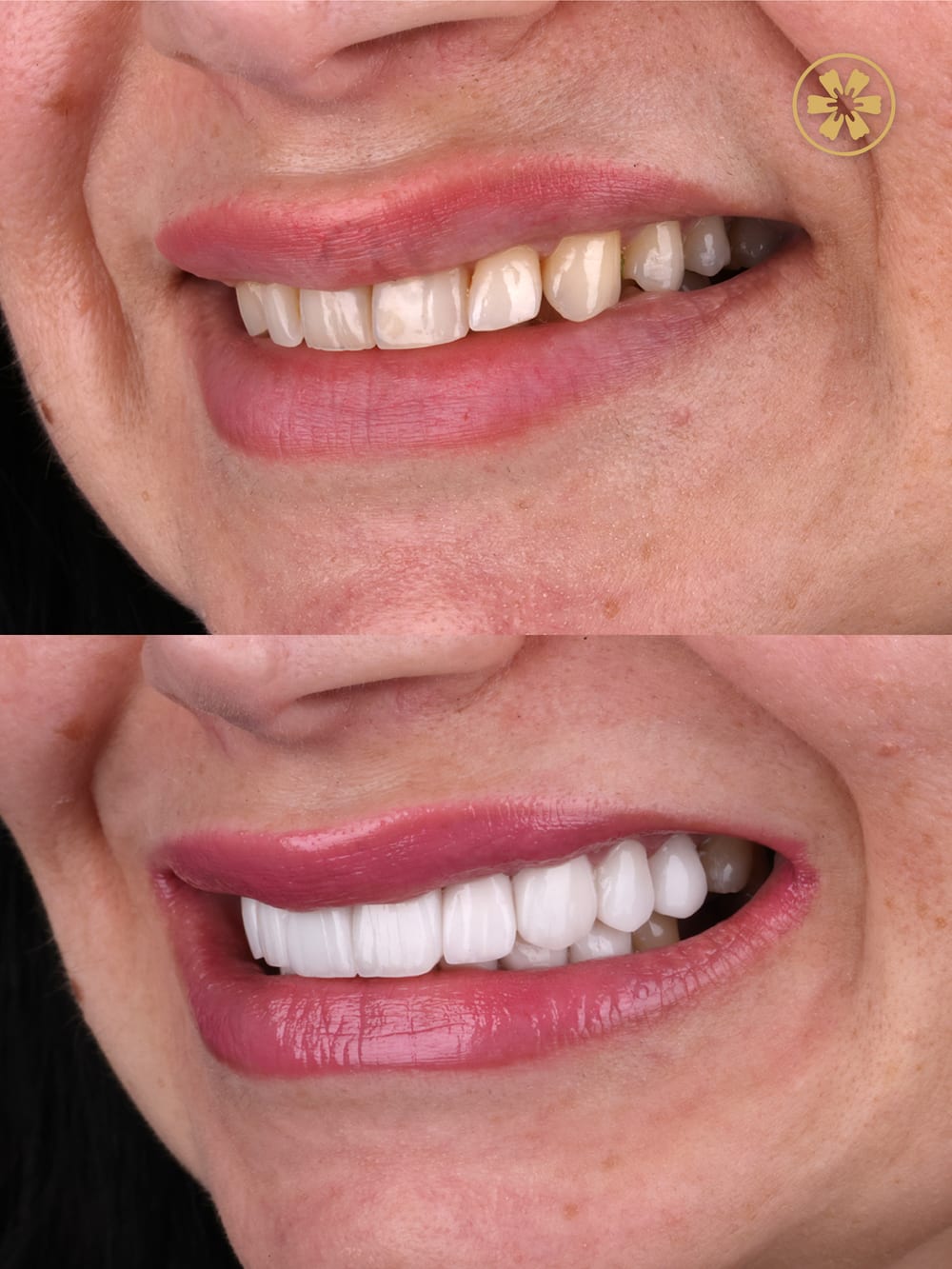
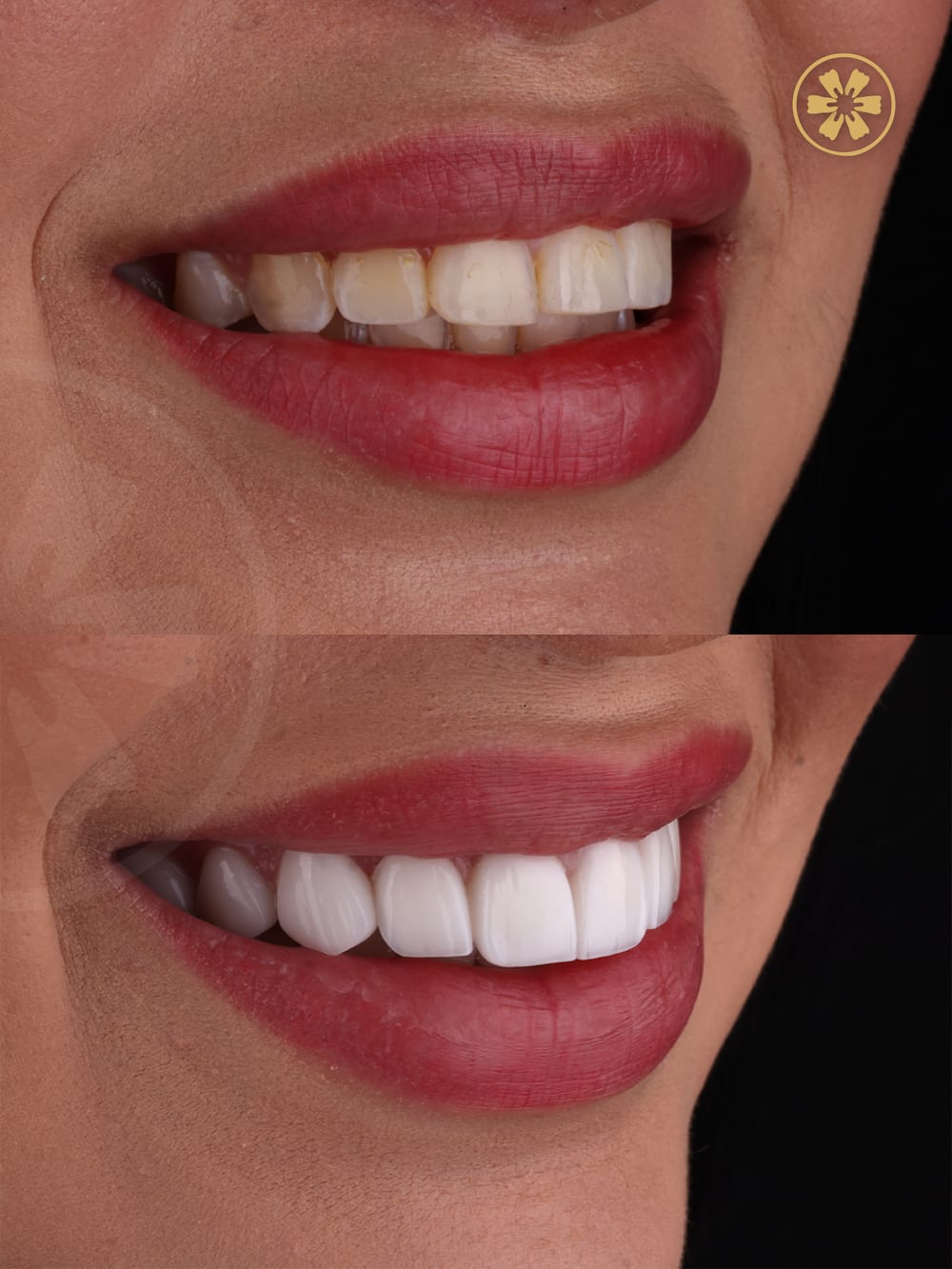
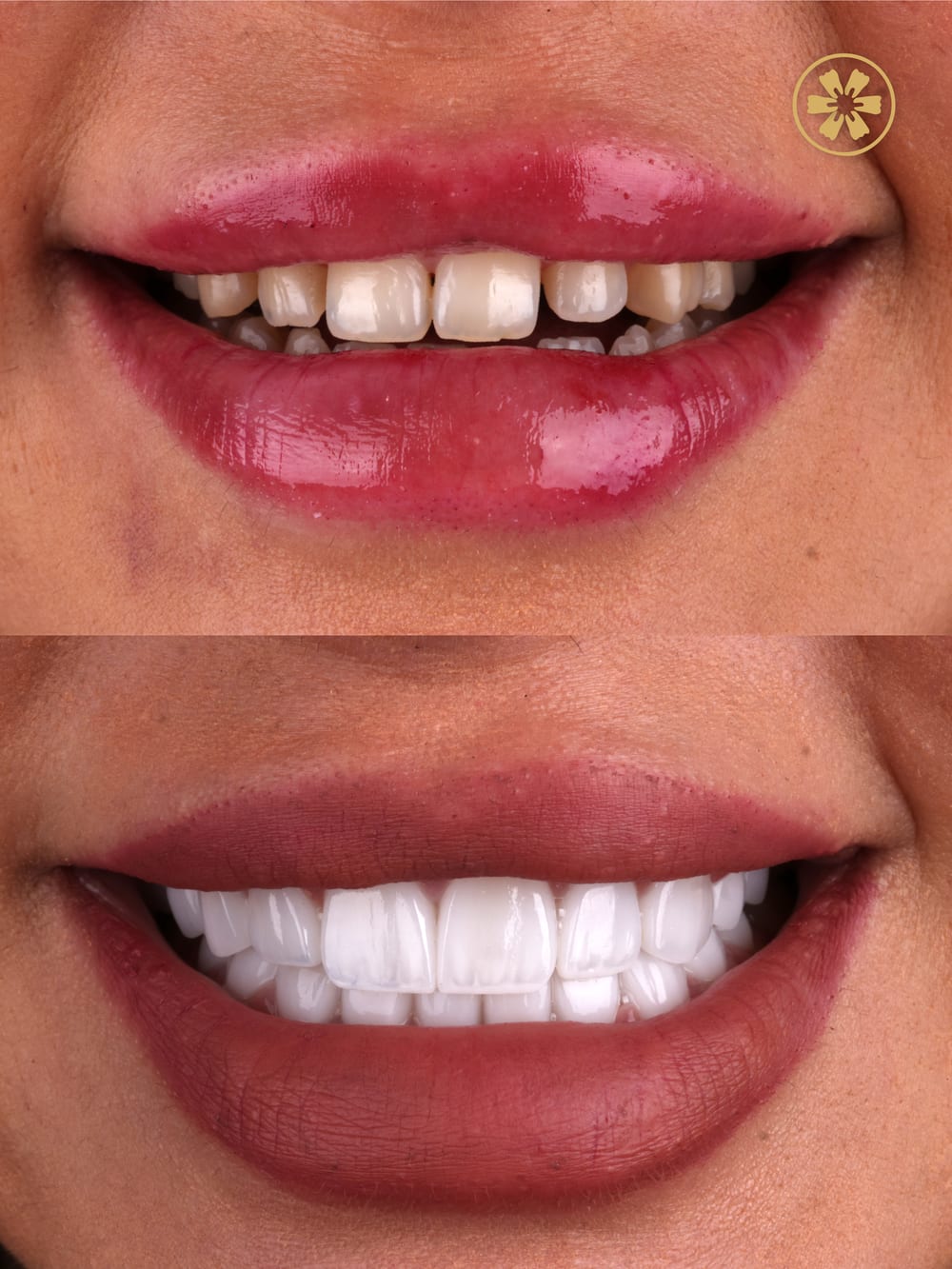
Veneers and crowns are designed digitally and milled from ceramic blocks to micron tolerances in our own lab, so marginal fit is verified before anything is made.
An optical scanner replaces traditional impression material — no gagging, no distortion, and any incomplete area is re-scanned in seconds.
You see and approve your proposed smile before a single tooth is prepared, then wear a physical mock-up to judge it in your own face.
Laser gum contouring and soft-tissue treatment reduce bleeding, healing time and the need for sutures compared with conventional surgery.
Before any implant we assess bone height, density, nerve position and sinus floor precisely — nothing is estimated.
A modern hygiene protocol that discloses biofilm first, then removes it with air, water and fine powder — safe on implants and ceramics.
Inside every tooth is a pulp chamber containing nerve tissue and blood vessels. When decay, a deep crack or trauma allows bacteria into that space, the pulp becomes inflamed and then necrotic.
Because the pulp sits within rigid walls, swelling has nowhere to expand. The resulting pressure on the nerve is the severe, throbbing, keeps-you-awake toothache patients describe.
Once the pulp dies, infection tracks through the root apex into the surrounding bone, forming a periapical abscess. Untreated, this causes progressive bone loss, facial swelling, and occasionally becomes a medical emergency.
If there is one factor that predicts whether a root canal succeeds, it is rubber dam isolation.
The dam is a sheet placed over the tooth that seals it off from the rest of the mouth. It keeps saliva — and the hundreds of bacterial species in it — out of the canal system you are trying to sterilise. It also protects your airway from small instruments.
Treating a tooth without a dam means irrigating a canal while saliva reinfects it. We use one on every case, without exception. If you have had a root canal done without a dam, that is worth knowing when assessing why it failed.
Diagnosis. Testing pulp response to cold and to percussion, plus radiographs. A CBCT scan is used where anatomy is complex, a canal is suspected to have been missed, or a fracture is possible.
Anaesthesia and isolation. The tooth is numbed and tested, then isolated with the dam.
Access. A conservative opening is made through the crown into the pulp chamber. Conservative matters — every millimetre of tooth structure preserved is structure that resists fracture later.
Cleaning and shaping. The canals are negotiated to their full working length, measured electronically and confirmed radiographically. They are shaped with fine rotary instruments and irrigated with sodium hypochlorite, which dissolves organic debris and kills bacteria. The irrigation does most of the disinfecting — the instruments mainly create space for it to reach.
Obturation. The dried, disinfected canals are filled three-dimensionally with gutta-percha and sealer, so no space remains for bacteria to recolonise.
Restoration. A core is placed and the tooth prepared for its final restoration.
This is the most misunderstood part of endodontics. Patients often complete the root canal, feel better, and never return for the crown. That tooth is then at high risk.
A root-treated tooth is more brittle: it has lost its blood supply, and structure has been removed by both the decay and the access cavity. A cusp-covering restoration binds the remaining walls together and distributes occlusal load.
Teeth left in temporary filling frequently split — and a vertical root fracture generally cannot be saved. The crown protects the investment you already made.
Root canals can fail, though it is uncommon when treatment is thorough. Causes include:
Retreatment removes the old filling material, re-cleans the system, addresses whatever was missed, and re-seals. Where retreatment is not viable, apical surgery is sometimes an option. Where neither is, extraction and an implant is the honest answer.
We would rather tell you at diagnosis than after you have paid for a treatment that will not hold:
Heroically retaining a failing tooth costs more, takes longer, and often ends in extraction anyway — with less bone left for the implant.
Mild tenderness when biting for a few days is normal and settles with over-the-counter analgesia. Avoid chewing hard food on the tooth until the final restoration is fitted.
Contact us if pain increases after day three, swelling develops, the temporary filling comes out, or the tooth feels high when you bite.
Caught early enough, pulp inflammation can sometimes be managed without full root canal treatment. Waiting almost never improves your options.
The procedure is performed under local anaesthetic and is not painful. The severe pain people associate with root canals is the pain of the infected pulp before treatment — the treatment is what relieves it. Mild tenderness on biting for a few days afterwards is normal.
Often, yes. A single-visit approach suits most teeth where the infection is contained and the canals can be fully cleaned and sealed in one session. Severely infected teeth, or those with persistent exudate, are better treated across two visits with medication placed between.
A root-treated tooth has lost its blood supply and usually significant structure, which makes it more brittle. A crown distributes biting force across the whole tooth rather than concentrating it on weakened walls. Skipping it is the most common reason these teeth later fracture.
Usually yes. Retreatment involves removing the existing filling material, re-cleaning the canal system, finding any canal that was missed, and re-sealing. We assess with a 3D scan first, because the reason for failure determines whether retreatment, surgery, or extraction is the right answer.
Not usually. A natural tooth retains its periodontal ligament, which provides shock absorption and proprioception no implant reproduces. Where a tooth is restorable we save it. Where it is not — vertical fracture, insufficient structure, severe bone loss — an implant gives the better long-term outcome, and we will say so.