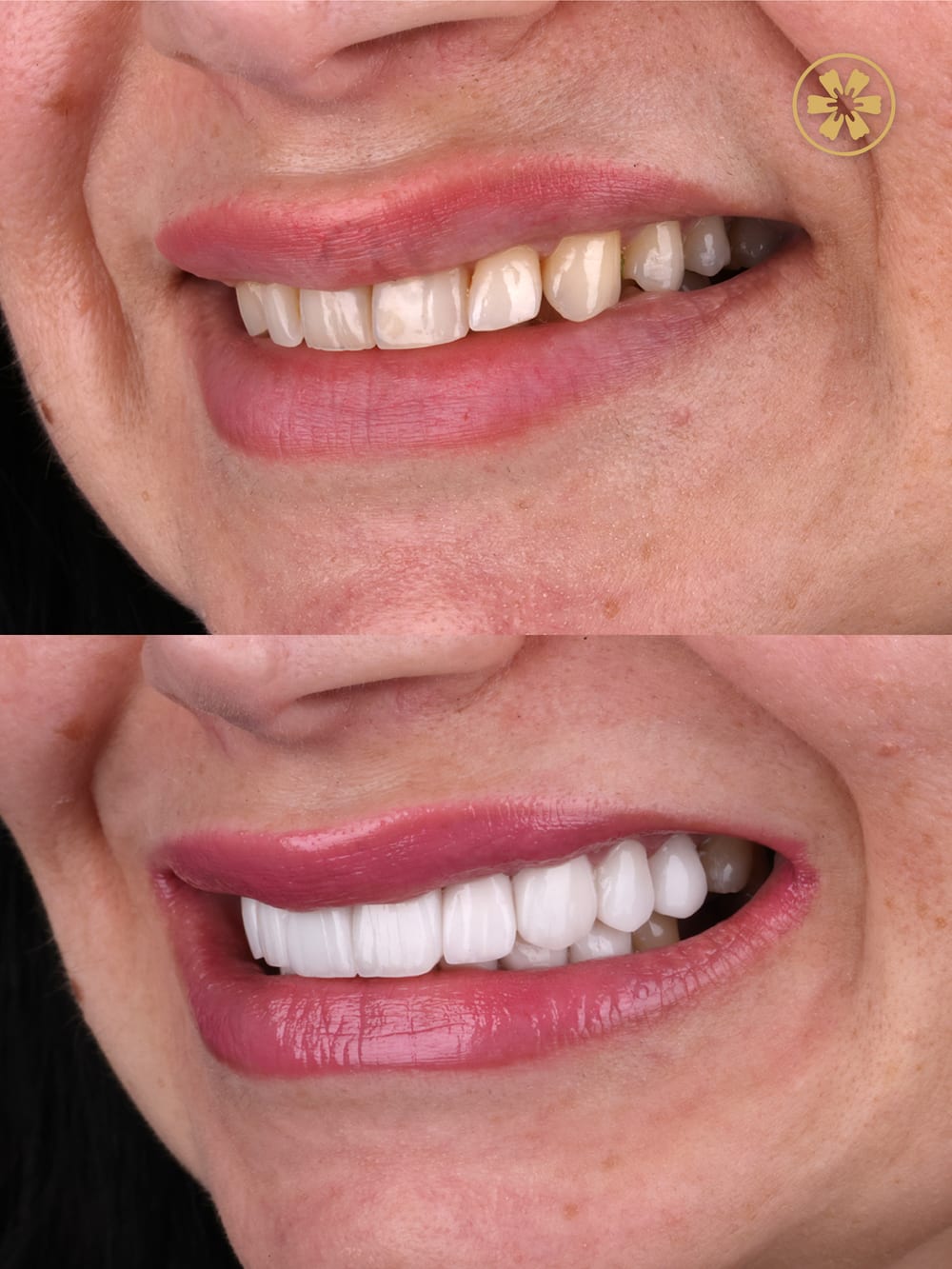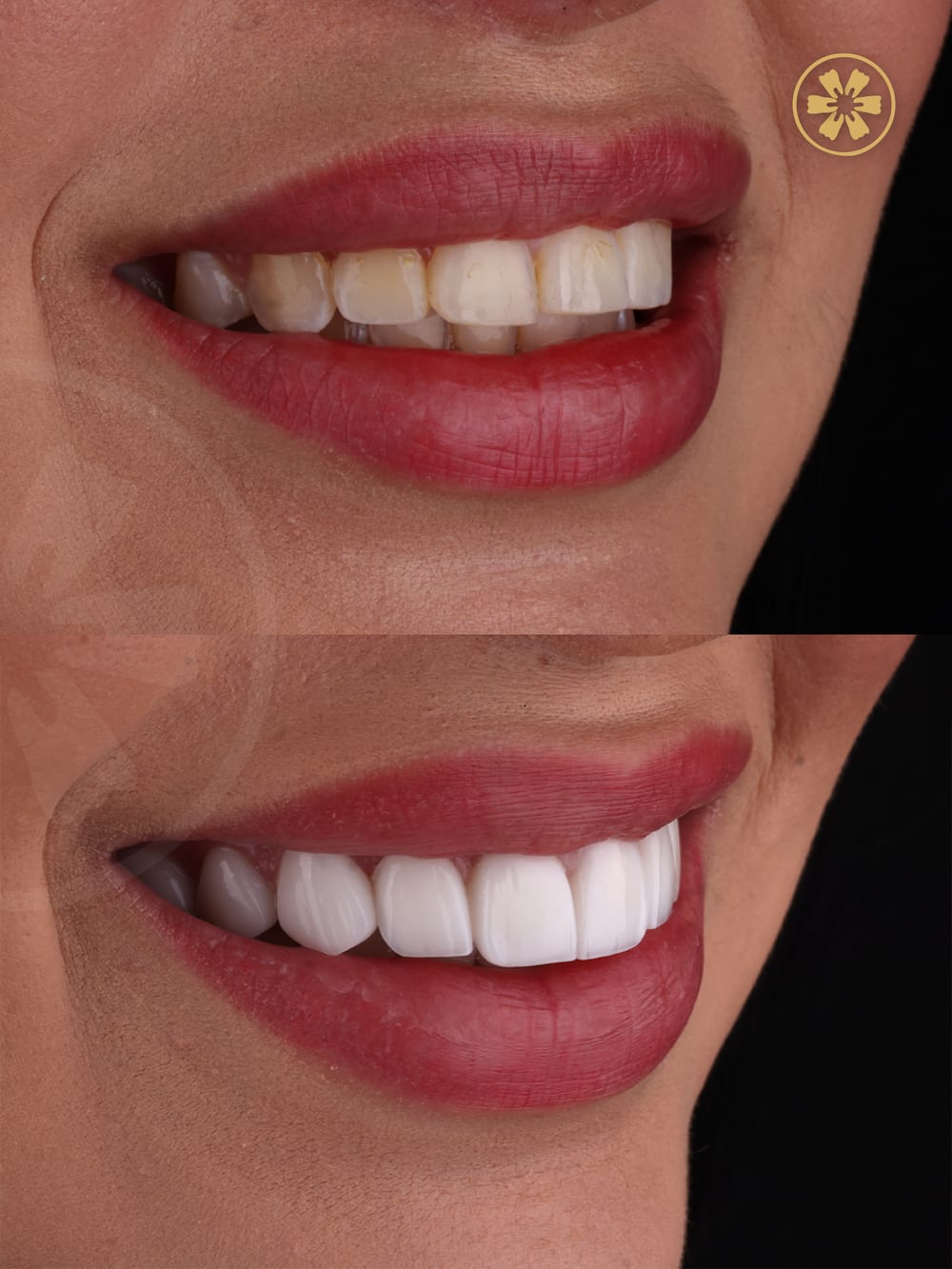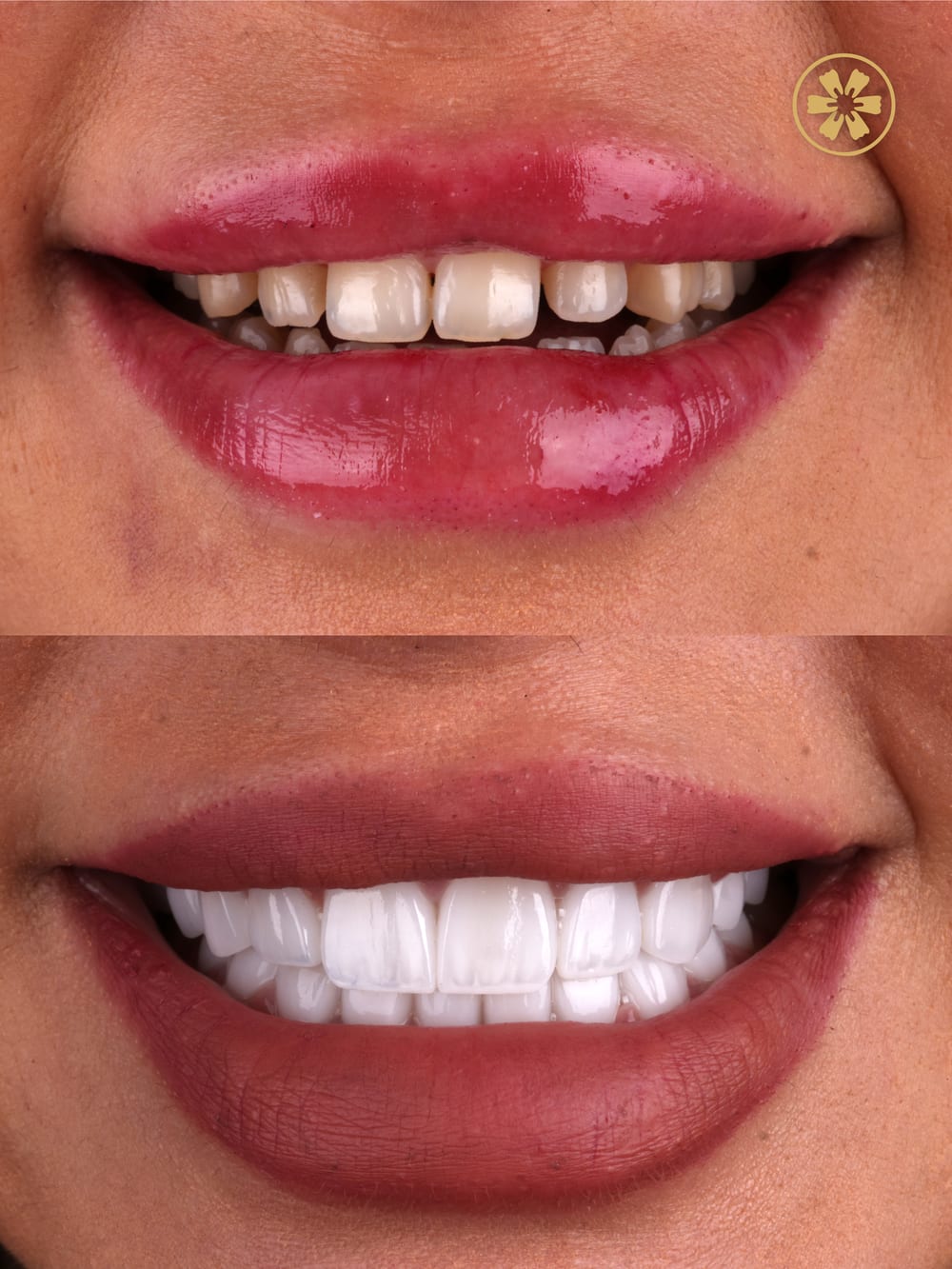
CAD/CAM digital design & milling
Veneers and crowns are designed digitally and milled from ceramic blocks to micron tolerances in our own lab, so marginal fit is verified before anything is made.
Children are not small adults. Our pediatric approach builds trust first, so a child associates the dentist with safety rather than fear — which is what protects their teeth for the next sixty years.
Or call us +971 4 342 4444
Every case passes through the same governed stages, from diagnosis to review, whatever the treatment.
A clinical examination with digital imaging and radiographs where indicated, to establish what you actually need before anything is proposed.
You receive a written plan covering the steps, the timeline, the cost and the alternatives, before any commitment.
We simulate the outcome digitally and review it with you, so you know where the treatment is heading before it starts.
Carried out by the appropriate specialist to the agreed protocol, with comfort and pain control managed throughout.
A review appointment assesses the result, the bite and gum health, with written home-care guidance.
Footage from real cases filmed at Creative Arts in Dubai — no stock clips, no reconstructions.
Equipment is not the point. Each of these exists because it measurably changes precision, comfort or treatment time.
Veneers and crowns are designed digitally and milled from ceramic blocks to micron tolerances in our own lab, so marginal fit is verified before anything is made.
An optical scanner replaces traditional impression material — no gagging, no distortion, and any incomplete area is re-scanned in seconds.
You see and approve your proposed smile before a single tooth is prepared, then wear a physical mock-up to judge it in your own face.
Laser gum contouring and soft-tissue treatment reduce bleeding, healing time and the need for sutures compared with conventional surgery.
Before any implant we assess bone height, density, nerve position and sinus floor precisely — nothing is estimated.
A modern hygiene protocol that discloses biofilm first, then removes it with air, water and fine powder — safe on implants and ceramics.
A child’s relationship with dentistry is usually set by their first two or three appointments. If those are calm, unhurried and free of surprise, they carry that expectation into adulthood. If the first visit happens in pain, the association is fear — and fear produces avoidance, which produces exactly the expensive problems everyone wanted to prevent.
So our first appointments are deliberately low-intensity: a ride in the chair, counting teeth, meeting the suction and the mirror. Often no treatment at all.
Bring your child by the first birthday, or within six months of the first tooth. That appointment is largely for you — feeding practices, cleaning technique, dummy and thumb habits, and what to expect as teeth arrive.
The most common misconception in children’s dentistry is that primary teeth do not matter because they fall out.
They do three jobs that adult teeth depend on:
They hold space. Each baby tooth reserves the position for the adult tooth developing beneath it. Lose a molar early and the neighbouring teeth drift into the gap, so the adult tooth erupts crowded or blocked out entirely. A significant proportion of orthodontic cases begin with a baby tooth lost too soon.
They guide eruption. Adult teeth follow the root of the baby tooth as it resorbs. Without that guide, eruption paths go wrong.
They matter now. Chewing, speech development and confidence all depend on an intact set of teeth during the years a child is learning to speak and eat.
Untreated decay in a baby tooth can also infect the developing adult tooth in the bone beneath it, causing permanent enamel defects.
The biting surfaces of molars have deep grooves narrower than a toothbrush bristle. Bacteria get in; the brush does not. A sealant is a flowable resin that fills those grooves, creating a smooth surface that can actually be cleaned.
Applied to permanent molars shortly after they erupt (around ages six and twelve), sealants are among the most effective preventive measures available. Application is painless, requires no drilling and takes minutes.
Fluoride varnish strengthens enamel and reverses very early decay before a cavity forms. We apply it based on risk — diet, existing decay history, hygiene and saliva quality — not automatically to every child at every visit.
Frequency of sugar matters more than amount. Every sugar exposure drops mouth pH for around twenty minutes. A biscuit at one sitting is one acid attack. The same biscuit nibbled across an afternoon is many, and the mouth never recovers between them.
Juice and milk in a bottle at bedtime is the highest-risk habit we see, because saliva flow — the mouth’s own defence — drops during sleep.
Most alignment treatment waits for adult teeth, but some problems are best intercepted early — crossbites, severe crowding, and jaw growth discrepancies. An orthodontic assessment around age seven identifies whether early intervention would shorten or simplify later treatment. It usually will not; but the cases where it does matter a great deal.
Children with anxiety, additional needs or extensive treatment requirements sometimes need a different approach, including sedation options. These are discussed with parents in detail, with the risks and alternatives set out plainly, before anything is planned.
We will not carry out treatment a child does not need in order to fill an appointment, and we will not restrain a frightened child to complete a procedure that could wait. Where a child is not ready, we say so and plan a gentler route — because the long game is a patient who keeps coming back.
By the first birthday, or within six months of the first tooth appearing — whichever comes first. That visit is mostly about familiarisation and giving parents feeding and cleaning guidance, not treatment. Early visits are what prevent a first appointment from happening in pain.
Yes, considerably. Baby teeth hold space for the adult teeth behind them, guide them into position, and are essential for chewing and speech. Losing one early frequently causes crowding that later needs orthodontic correction, and untreated decay can damage the developing adult tooth underneath.
That is normal and we plan for it. First appointments are short, nothing is forced, and we use tell-show-do — explaining and demonstrating each instrument before it is used. A child who leaves calm will come back calm, which matters far more than what we achieve in one visit.
Modern digital radiographs use a very low dose and are taken only when there is a clinical reason — such as checking between contacting teeth or assessing an adult tooth that has not erupted. We do not take routine radiographs simply because a child is due a check-up.
Frequency of sugar matters more than quantity. Constant grazing or sipping juice keeps the mouth acidic all day, which is far more damaging than the same sugar eaten at one sitting. Brush twice daily with a fluoride toothpaste, supervise until around age seven, and do not rinse after brushing.