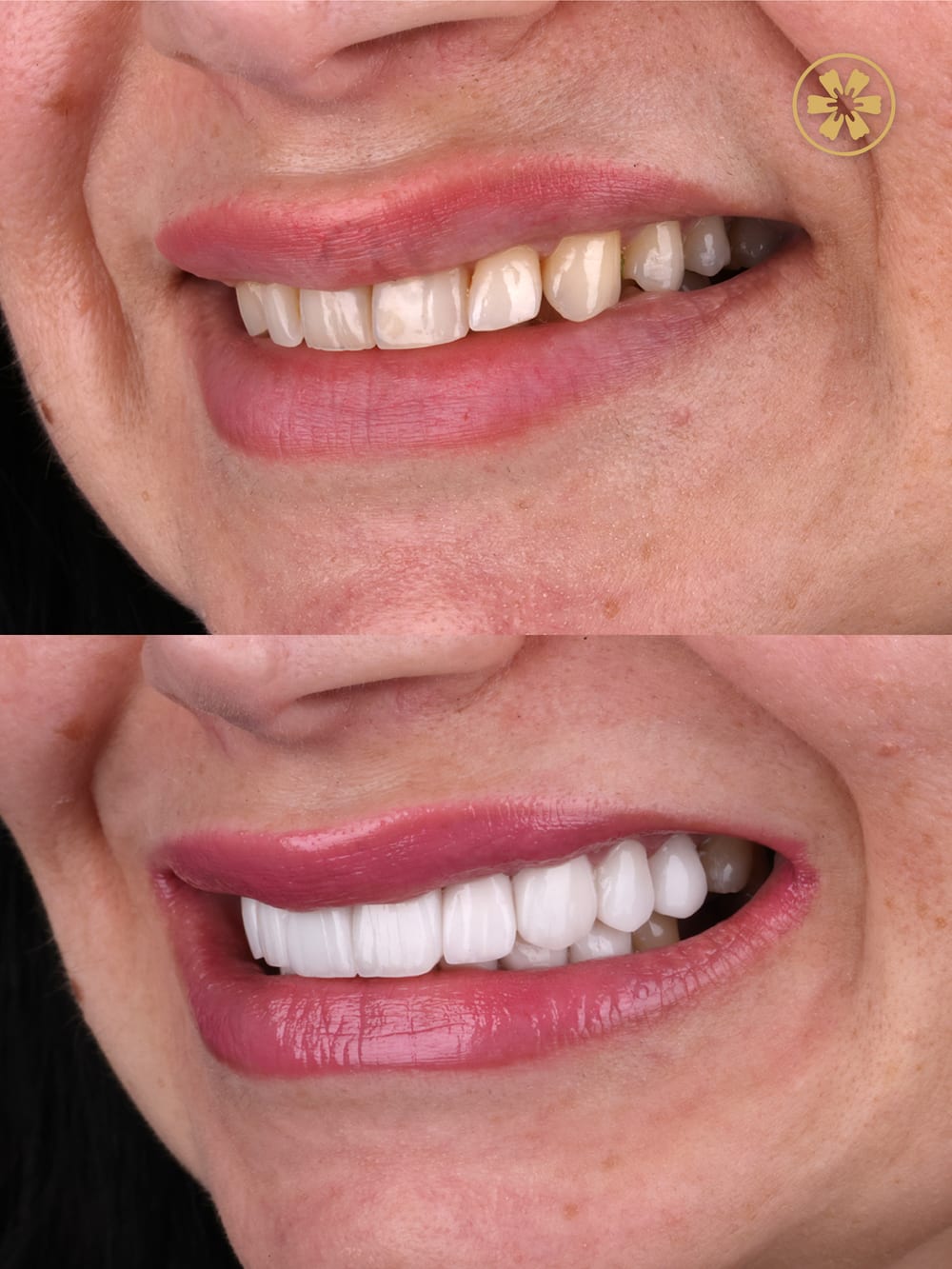
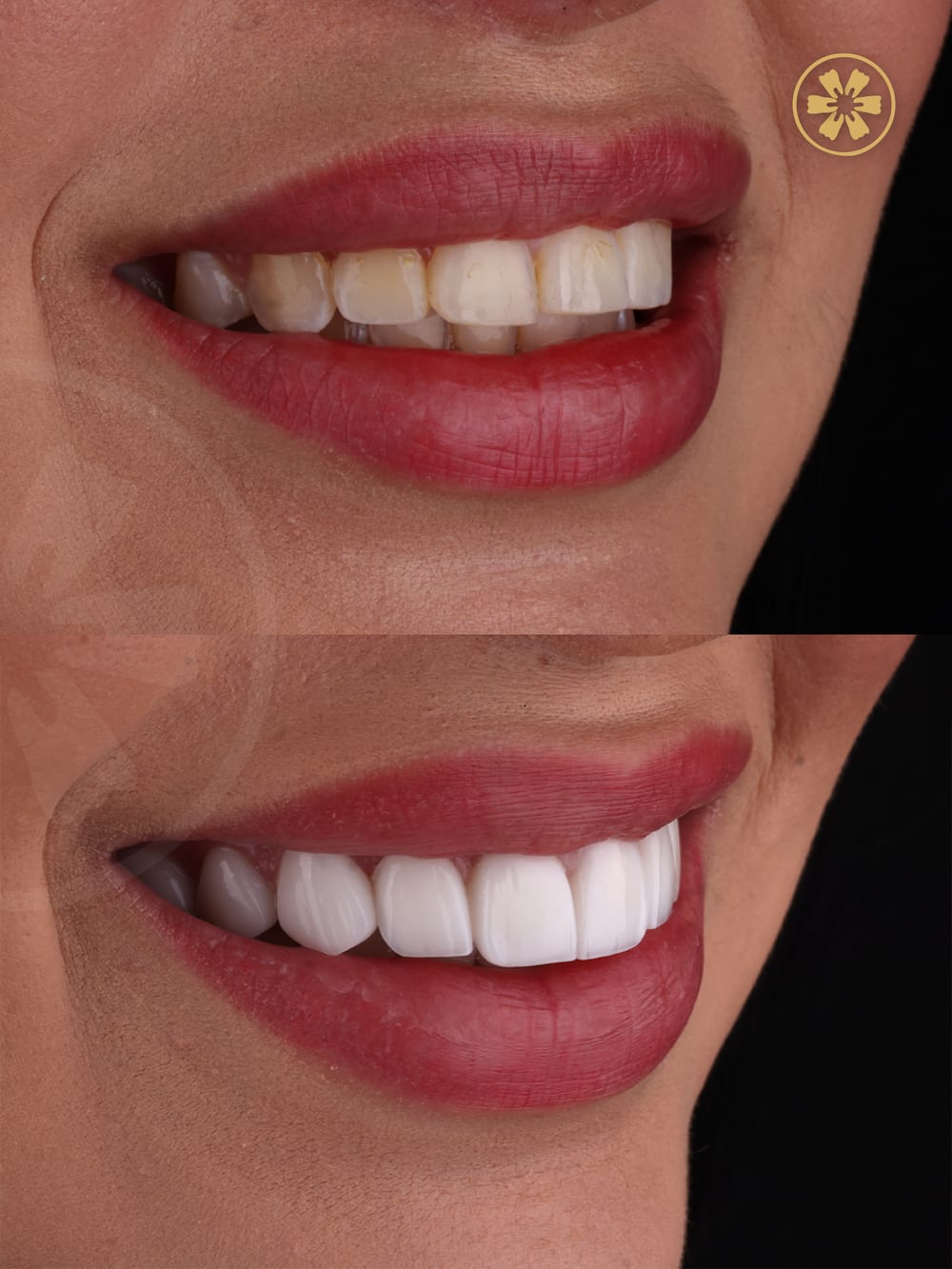
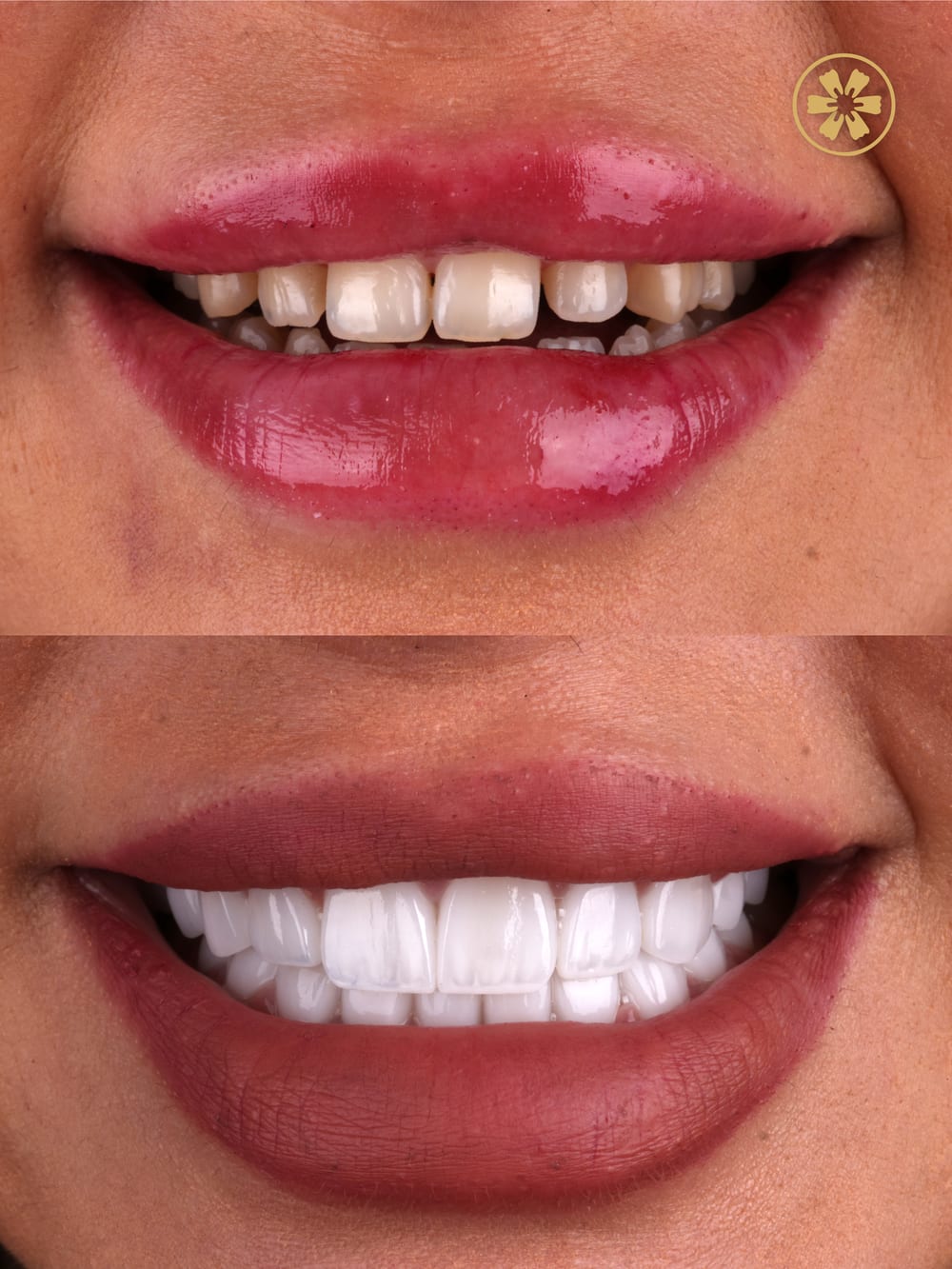
CAD/CAM digital design & milling
Veneers and crowns are designed digitally and milled from ceramic blocks to micron tolerances in our own lab, so marginal fit is verified before anything is made.
GBT is a modern preventive method that visualizes and removes harmful biofilm gently and efficiently.
Or call us +971 4 342 4444
Every case passes through the same governed stages, from diagnosis to review, whatever the treatment.
A clinical examination with digital imaging and radiographs where indicated, to establish what you actually need before anything is proposed.
You receive a written plan covering the steps, the timeline, the cost and the alternatives, before any commitment.
We simulate the outcome digitally and review it with you, so you know where the treatment is heading before it starts.
Carried out by the appropriate specialist to the agreed protocol, with comfort and pain control managed throughout.
A review appointment assesses the result, the bite and gum health, with written home-care guidance.
Footage from real cases filmed at Creative Arts in Dubai — no stock clips, no reconstructions.
Equipment is not the point. Each of these exists because it measurably changes precision, comfort or treatment time.
Veneers and crowns are designed digitally and milled from ceramic blocks to micron tolerances in our own lab, so marginal fit is verified before anything is made.
An optical scanner replaces traditional impression material — no gagging, no distortion, and any incomplete area is re-scanned in seconds.
You see and approve your proposed smile before a single tooth is prepared, then wear a physical mock-up to judge it in your own face.
Laser gum contouring and soft-tissue treatment reduce bleeding, healing time and the need for sutures compared with conventional surgery.
Before any implant we assess bone height, density, nerve position and sinus floor precisely — nothing is estimated.
A modern hygiene protocol that discloses biofilm first, then removes it with air, water and fine powder — safe on implants and ceramics.
Biofilm is the organised bacterial community that forms on teeth within hours of cleaning. It is the origin of both decay and gum disease.
Its defining characteristic is that it is invisible. You cannot reliably see it, and neither can a clinician.
Traditional cleaning therefore proceeds on assumption: scale everything, polish everything, and hope nothing was missed. That approach over-instruments surfaces that were already clean, misses deposits hidden between teeth and below the gum line, and is uncomfortable enough that many people avoid appointments altogether — which is how small problems become expensive ones.
GBT makes the biofilm visible first, then removes it in order of what is genuinely present.
Teeth and gums examined, pocket depths probed, implants and restorations checked. Every appointment starts from a current picture.
A dye stains the biofilm and it becomes plainly visible — to us, and to you in a mirror. This is simultaneously diagnostic and educational.
We show you exactly which areas your brushing is missing and adjust your technique accordingly. This is the step with the greatest long-term impact on your oral health, and the one most often rushed.
Warm water, air and fine erythritol powder remove stained biofilm and surface staining from enamel, along the gum line and between the teeth. Gentle on soft tissue and safe on ceramic and implant surfaces.
For deeper pockets around teeth and implants, a specialised nozzle delivers powder below the gum line — where instruments reach poorly and cause the most discomfort.
Only now, and only where hardened calculus remains, is an ultrasonic scaler used. Because disclosing showed exactly where deposits are, instrumentation is targeted rather than universal.
Re-examine to confirm everything is removed. Fluoride applied where indicated.
Next interval set according to your individual risk profile.
The order is the innovation. Conventional cleaning scales first and polishes last. GBT discloses first, removes biofilm gently, and reserves hard instrumentation for the minority of surfaces that require it.
The consequences are measurable:
| Risk profile | Typical interval |
|---|---|
| Healthy gums, good home care, no restorations | 6 months |
| Implants, orthodontics, or heavy staining | 4 months |
| History of periodontitis, diabetes, or smoking | 3 months |
The fixed six-month convention suits some people and badly underserves others. Yours is set at the appointment based on what we find.
A hygiene appointment resets your mouth. What determines your long-term outcome is the ninety or so days until the next one, because biofilm re-forms within hours.
Brushing technique matters more than brushing force. Aggressive scrubbing with a hard brush abrades enamel at the gum line and causes recession — the opposite of protection. Use a soft brush angled at forty-five degrees toward the gum line, with small movements, twice daily for two minutes.
Interdental cleaning is not optional. A toothbrush cleans roughly three of the five surfaces of a tooth. The two surfaces between teeth are precisely where decay and gum disease most commonly begin. Floss or interdental brushes reach them; nothing else does. If you have implants, bridges or orthodontic appliances we will show you the specific tools that work around them.
Do not rinse after brushing. Rinsing washes away the concentrated fluoride you have just applied. Spit and leave it.
Timing around acid. After anything acidic — citrus, wine, soft drinks, or vomiting — enamel is temporarily softened. Brushing immediately abrades it. Wait an hour.
Watch for early warning signs. Bleeding when you brush is not normal and is not something to brush past. It is the earliest visible sign of inflammation, and it is reversible at that stage. Persistent bad taste, gum tenderness or a tooth that feels different when you bite are all worth a call rather than a wait.
For patients with implants or extensive cosmetic work, the maintenance interval and home care routine are not generic advice — they are what protects a significant investment. We set both specifically for you.
Being clear about scope matters:
GBT is the foundation that protects everything else you have had done. For patients with veneers, crowns or implants, it is what makes those investments last.
It is markedly more comfortable than conventional scaling and polishing. Most of the work is done with air, warm water and a fine low-abrasive powder rather than metal instruments. Patients who have avoided hygiene appointments because of discomfort usually find GBT genuinely tolerable.
Yes, and this is one of its main advantages. Conventional metal scalers can scratch implant surfaces, creating microscopic sites where bacteria adhere more readily. Erythritol powder and the Perioflow nozzle clean around implants without damaging the surface.
Your interval is set by risk. Healthy gums with good home care generally suit six months. Implants, orthodontic appliances or heavy staining often warrant four months. A history of periodontitis, diabetes or smoking usually calls for three.
It removes surface staining from coffee, tea, wine and smoking, which frequently makes teeth look noticeably brighter. It does not change the intrinsic colour of the tooth — that requires whitening treatment.
Bleeding gums are a reason to come, not a reason to stay away. Bleeding indicates inflammation caused by biofilm. GBT addresses the cause. If we find deeper periodontal involvement we will explain what additional treatment is needed.