CAD/CAM digital design & milling
Veneers and crowns are designed digitally and milled from ceramic blocks to micron tolerances in our own lab, so marginal fit is verified before anything is made.
We use preparation-conscious veneer protocols and advanced bonding systems to preserve tooth structure while upgrading smile aesthetics.
Or call us +971 4 342 4444
Every case passes through the same governed stages, from diagnosis to review, whatever the treatment.
A clinical examination with digital imaging and radiographs where indicated, to establish what you actually need before anything is proposed.
You receive a written plan covering the steps, the timeline, the cost and the alternatives, before any commitment.
We simulate the outcome digitally and review it with you, so you know where the treatment is heading before it starts.
Carried out by the appropriate specialist to the agreed protocol, with comfort and pain control managed throughout.
A review appointment assesses the result, the bite and gum health, with written home-care guidance.
Footage from real cases filmed at Creative Arts in Dubai — no stock clips, no reconstructions.
Every case digitally designed, made in our in-house laboratory, and fitted by our own clinicians.
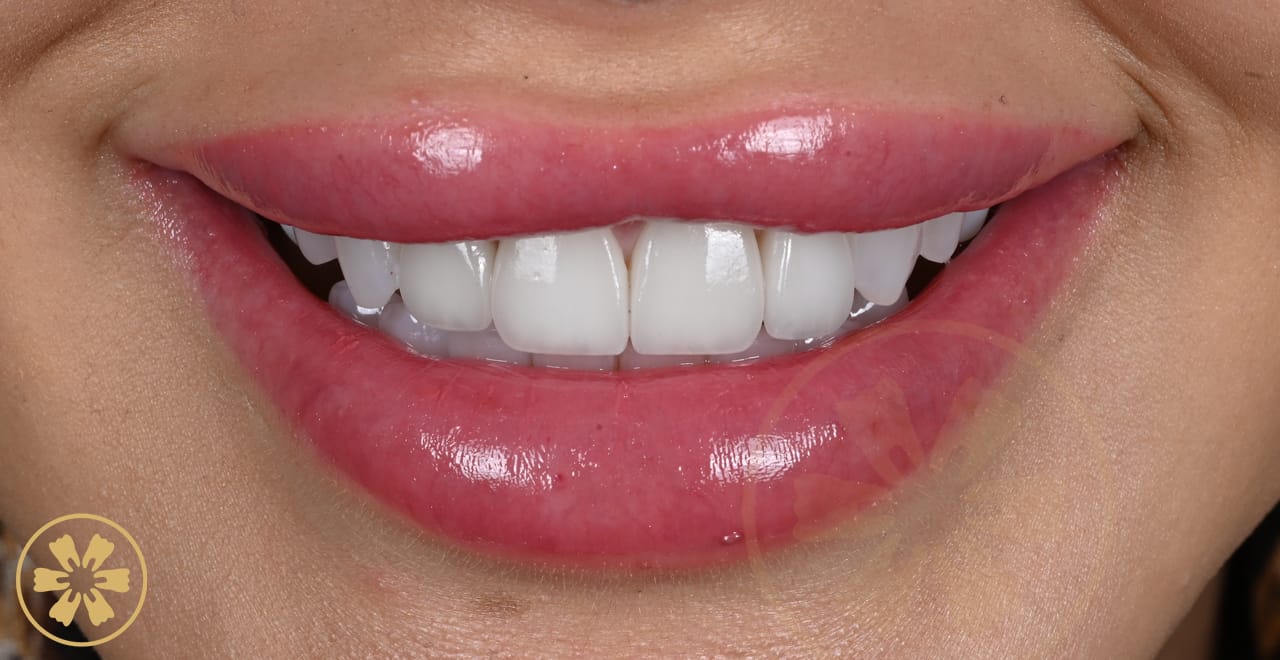
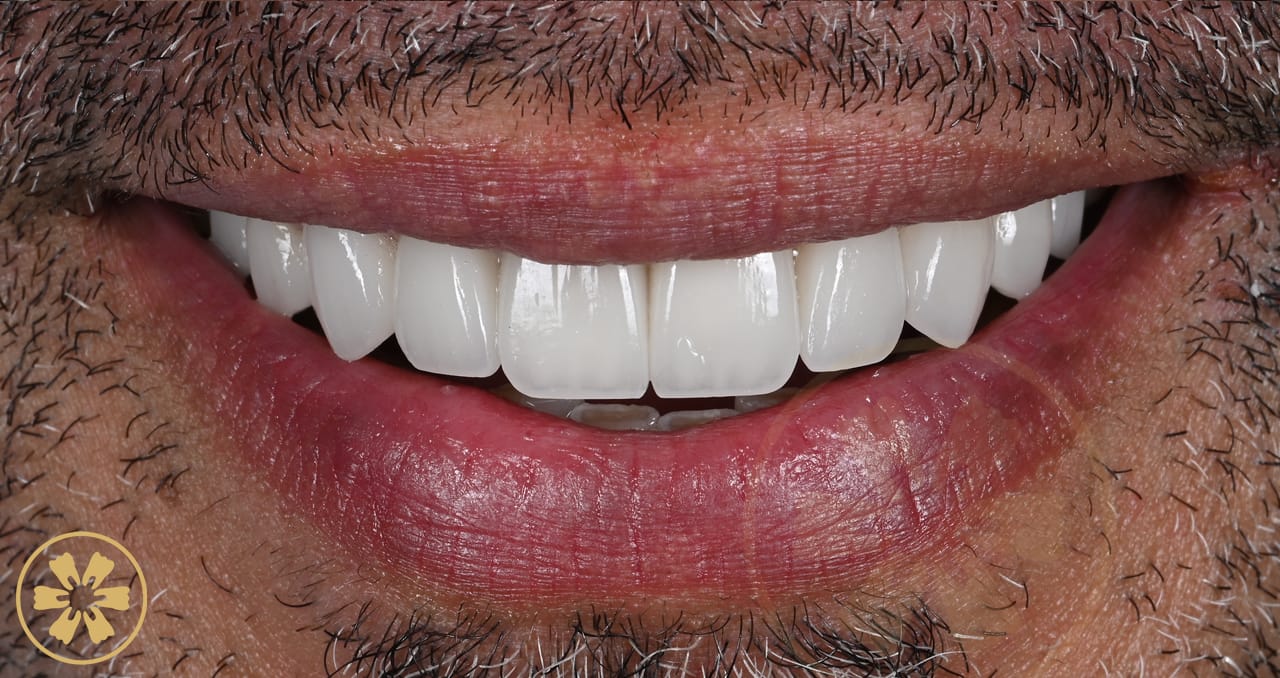
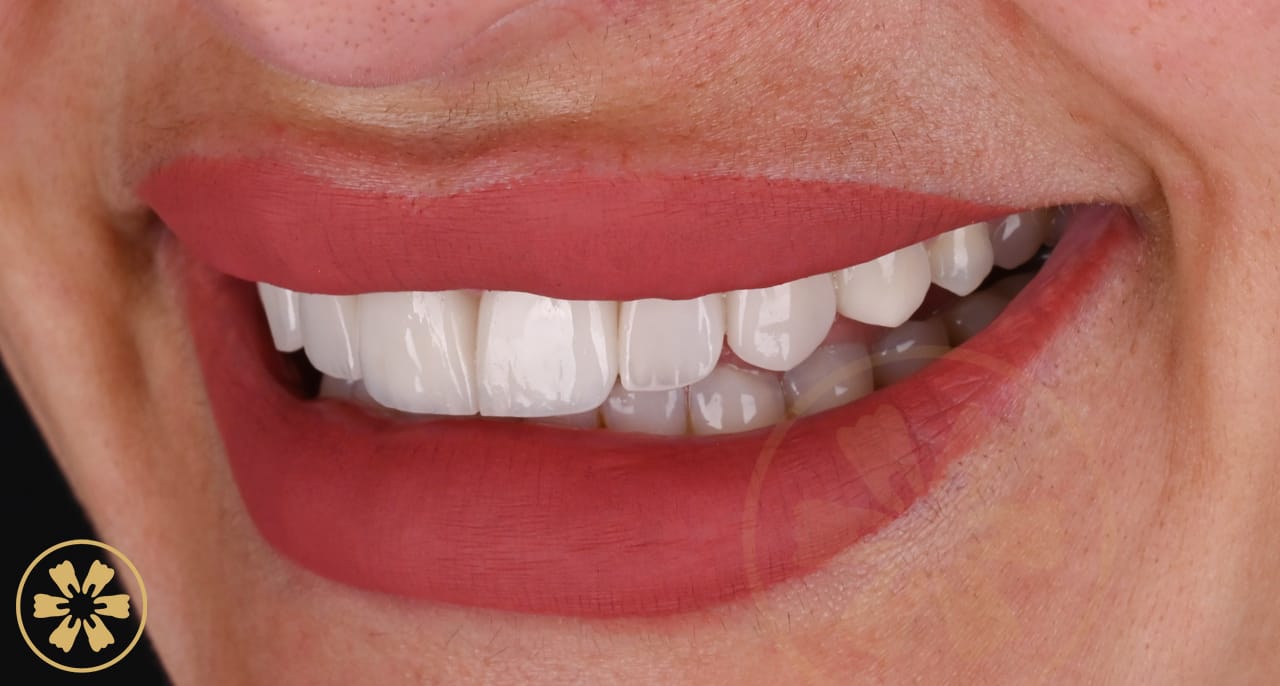
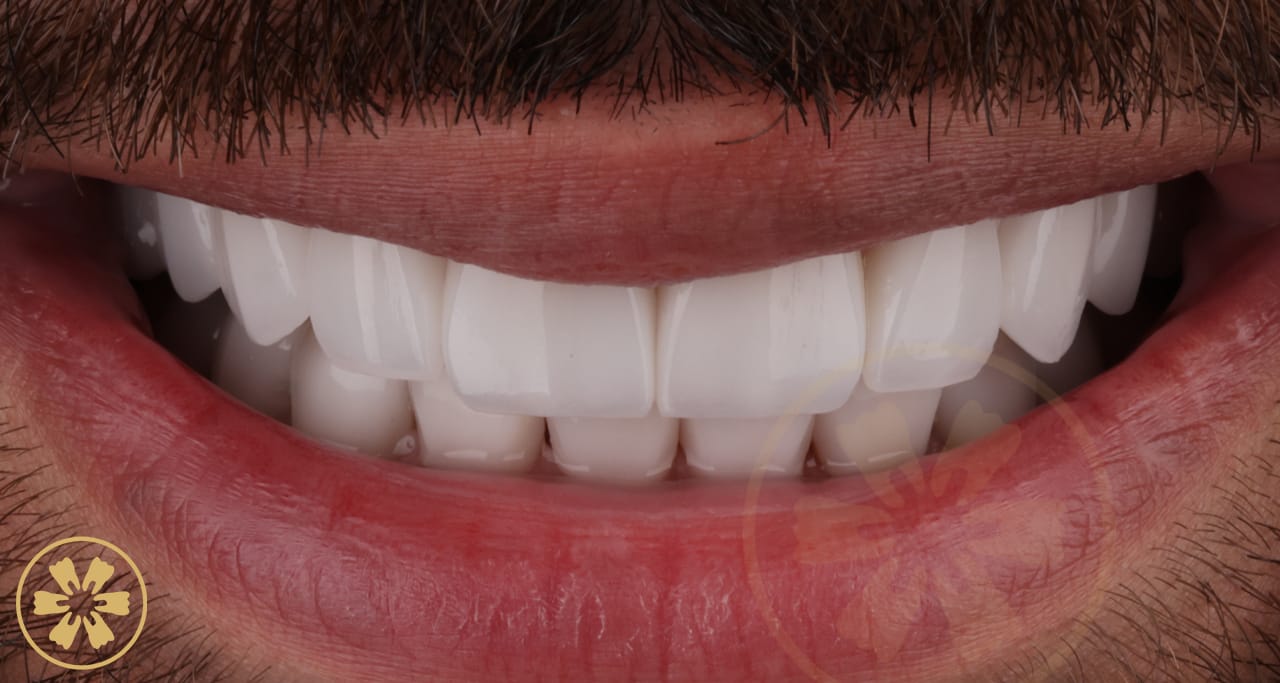
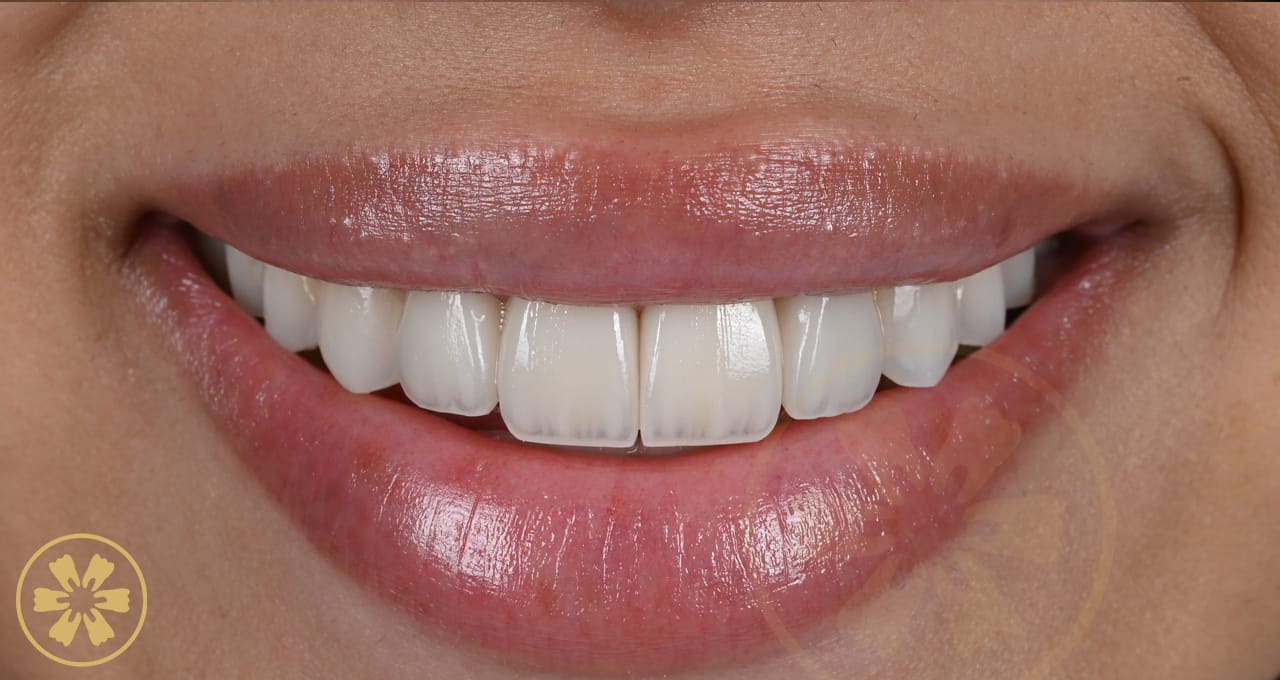
Equipment is not the point. Each of these exists because it measurably changes precision, comfort or treatment time.
Veneers and crowns are designed digitally and milled from ceramic blocks to micron tolerances in our own lab, so marginal fit is verified before anything is made.
An optical scanner replaces traditional impression material — no gagging, no distortion, and any incomplete area is re-scanned in seconds.
You see and approve your proposed smile before a single tooth is prepared, then wear a physical mock-up to judge it in your own face.
Laser gum contouring and soft-tissue treatment reduce bleeding, healing time and the need for sutures compared with conventional surgery.
Before any implant we assess bone height, density, nerve position and sinus floor precisely — nothing is estimated.
A modern hygiene protocol that discloses biofilm first, then removes it with air, water and fine powder — safe on implants and ceramics.
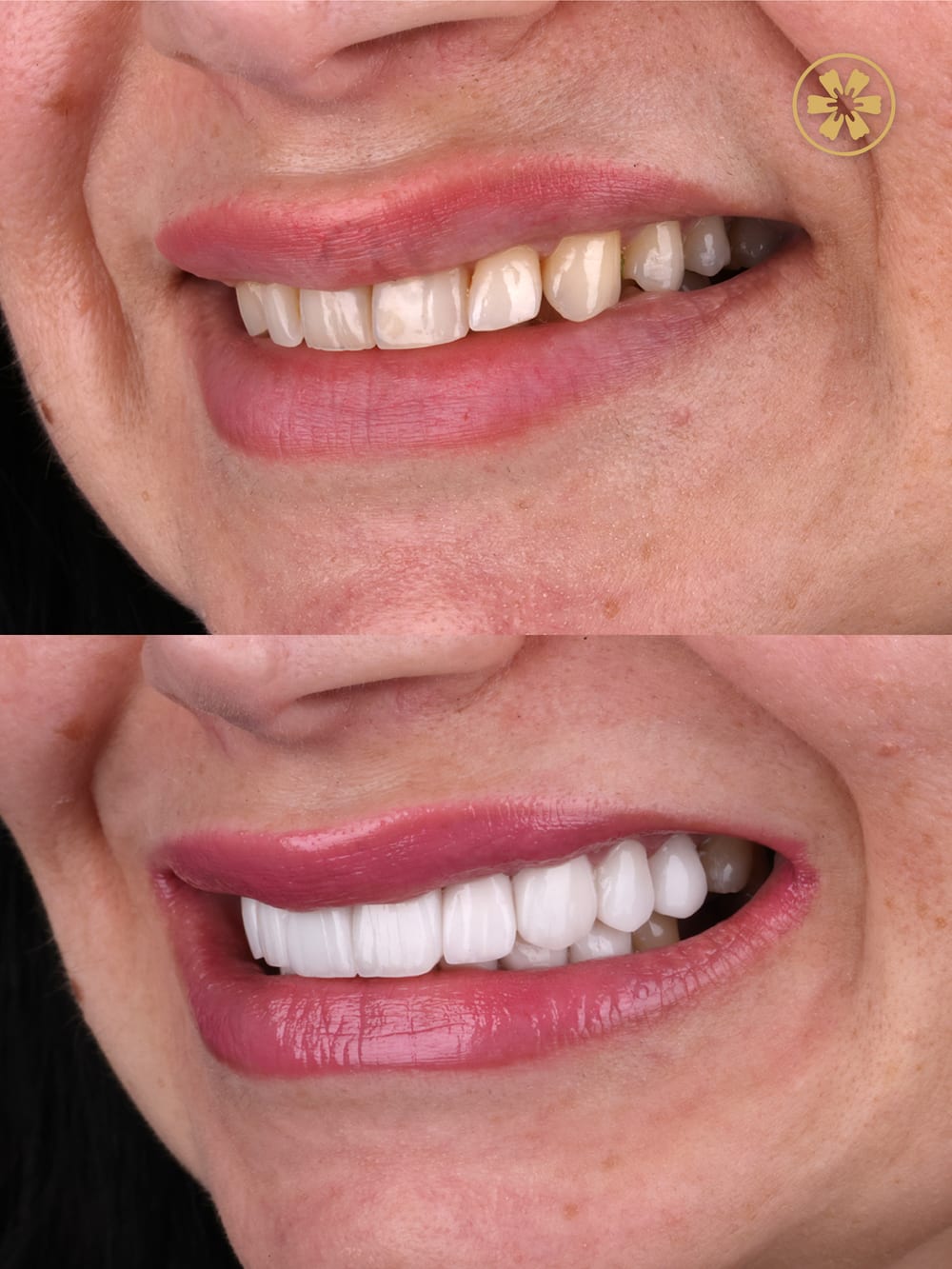
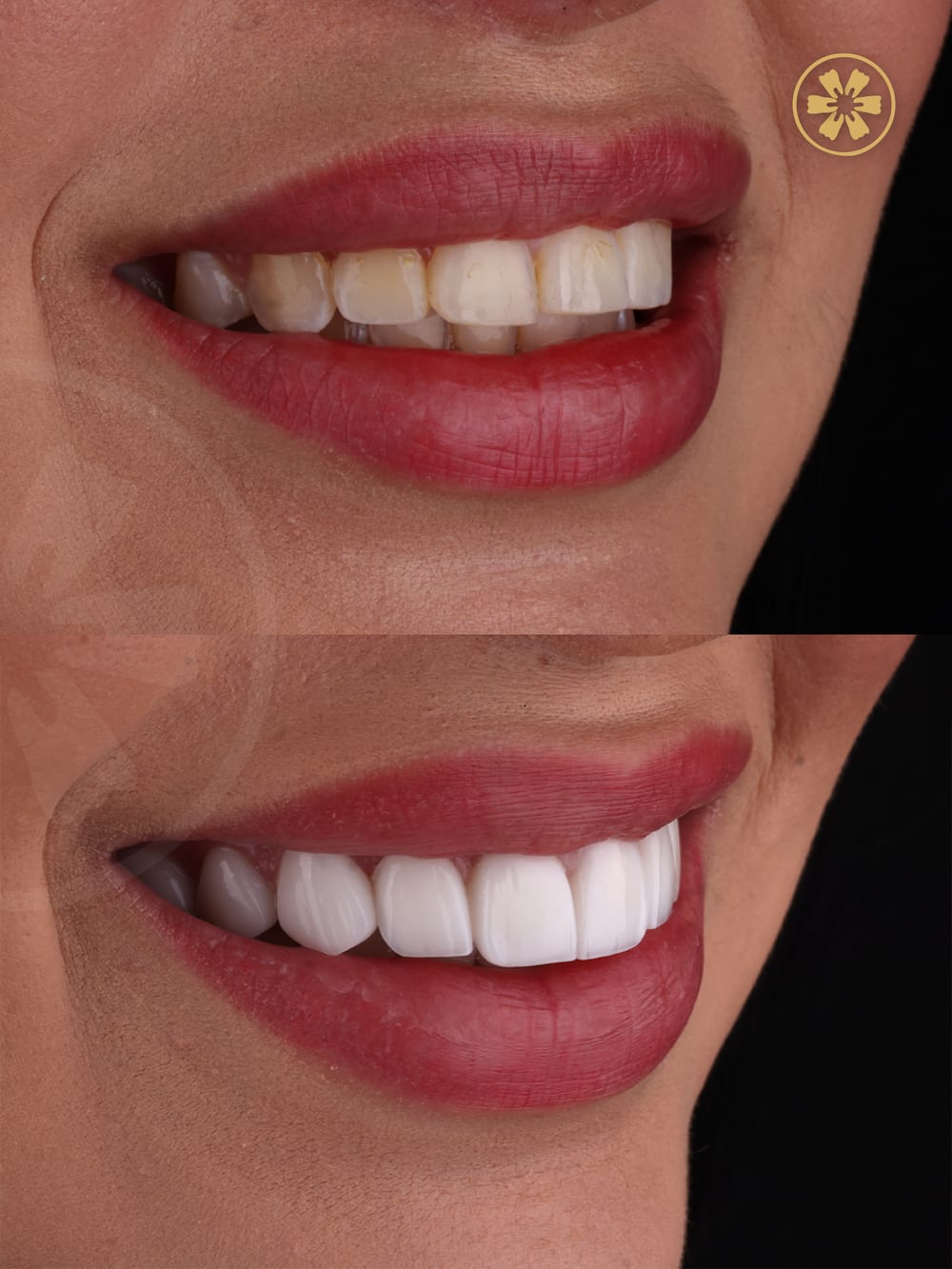
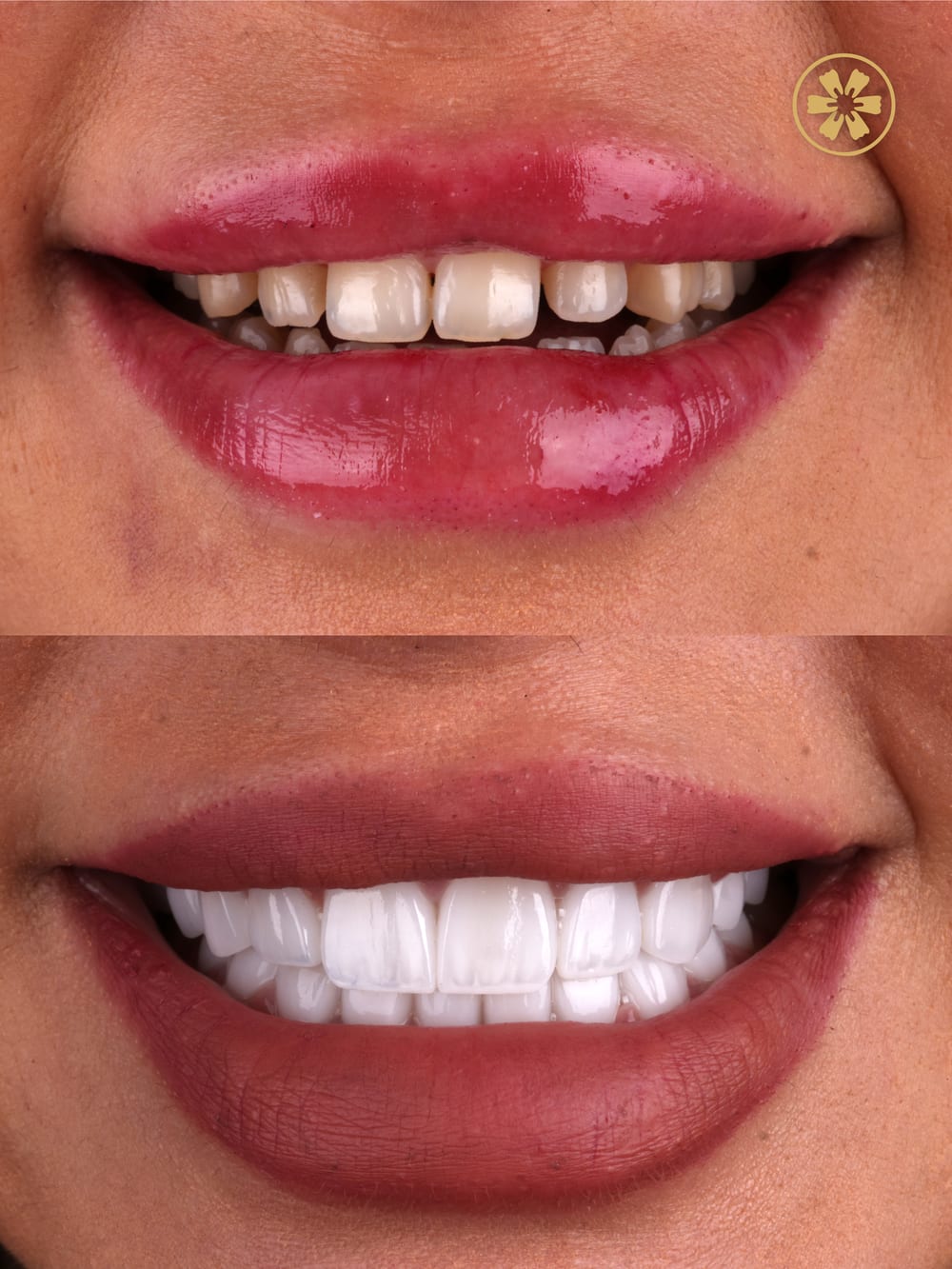
A veneer is a shell of ceramic, typically 0.3 to 0.7mm thick, bonded to the front surface of a tooth. It is not a cap over the whole tooth — that is a crown — and it is not a filling built up in the mouth — that is composite bonding. The distinction matters because each solves a different problem, and using the wrong one is how cosmetic dentistry gets a bad reputation.
Veneers change what is visible: shape, length, alignment of the edge, and colour. They do this by adding a thin, strong, stain-resistant layer over your own tooth, which stays underneath and continues to provide the structural support.
Veneers suit teeth that are structurally sound but cosmetically compromised — discoloured beyond what whitening can fix, chipped, slightly misaligned, unevenly shaped, or gapped. They are not the right tool for every problem:
We assess all of this before proposing veneers, not after you have committed to them.
A veneer that looks right the day it’s fitted and fails within two years is almost always a case where the bite or the gum wasn’t properly assessed beforehand.
Bite assessment checks how your teeth meet when you close and how they move against each other. Veneers placed without checking this can end up carrying force they weren’t designed for, which is how chips happen. Where grinding is present, we address it — usually with a night guard — as part of the plan, not as an afterthought once something has already chipped.
Gum assessment checks the health and level of the gum around each tooth being treated. The gum line frames the veneer, and treating a tooth while the surrounding gum is inflamed produces a result that looks different once the inflammation settles.
Picking “white” is the easy part. Picking a shade that reads as your teeth rather than a set of teeth is the actual skill.
Natural teeth are not one flat colour front to back — they’re generally lighter and more opaque near the biting edge, with a warmer, more saturated colour near the gum, and a subtle translucency right at the edge that lets a little light through. Veneers made from a single flat shade skip all of that, which is why some veneer work is visible from across a room. Veneers layered with that gradient in mind are not.
This is also why shade selection happens alongside your natural, unveneered teeth (or the shade of teeth you’re keeping natural) — the goal is a smile that looks like it belongs to one person, not a front row of uniformly bright teeth against a duller back row.
Preparation — removing a thin layer of enamel so the veneer sits flush rather than bulky — is guided by an approved design rather than done freehand. You see the proposed result as a physical mock-up in your own mouth before a single tooth is touched, and preparation follows what that design actually requires, not a standard amount removed “just in case.”
This sequence exists because the alternative — preparing first and designing around whatever was removed — puts the irreversible step before the decision, which is the wrong order.
Once teeth are prepared, the ceramic is milled from a solid block to the design and hand-layered by our technician for shade, translucency and surface texture. Because the laboratory is inside the clinic rather than an outside supplier, adjustments happen the same day: if a shade needs warming slightly or an edge needs refining once you’ve seen it in daylight, that doesn’t mean waiting another shipping cycle.
Porcelain itself doesn’t decay and resists staining far better than natural enamel or composite. What determines how long a veneer lasts is almost entirely about what happens around it:
With that care, 10 to 15 years is a realistic expectation, and many veneers serve well beyond that.
Not all porcelain is the same material, and the right one depends on the tooth rather than on the price list.
| Ceramic | Where it earns its place | The trade-off |
|---|---|---|
| Feldspathic | Thin, highly aesthetic veneers on front teeth with good remaining enamel | The most lifelike optical depth available, and the least forgiving to make — it is entirely a hand skill |
| E.max (lithium disilicate) | The majority of veneer cases, and front crowns | Excellent translucency with enough strength for everyday function; the usual default for good reason |
| Layered zirconia | Teeth taking heavy load, or cases where a veneer will not do | Very strong core with an aesthetic layer over it, but less naturally translucent than the two above |
All three are made in our own laboratory, which is why the conversation can be about which suits your case rather than which one is stocked.
For a narrow set of cases — teeth that are already slightly undersized or set back, with enough space to add a thin shell without bulk — a veneer can be bonded with no enamel reduction at all. That is genuinely reversible, and when it fits the case it is the better option.
It does not fit most cases. Bonding a shell onto a tooth that is already the right size makes the tooth larger, and a smile built from teeth that are all slightly too big reads as artificial no matter how good the ceramic is. Any clinic offering no-prep as a default rather than as a finding is selling a product, not planning a case. Whether it applies to you is something an examination answers, not a website.
Much of what gets called “a veneer consultation” is really a decision between four different treatments. They are not tiers of the same thing.
| Treatment | Best when | Reversible | Typical service life |
|---|---|---|---|
| Whitening | The shape is fine and only the colour bothers you | Yes — the effect fades rather than damages | Months to a couple of years, then a top-up |
| Composite bonding | Small chips or gaps, or a low-commitment trial | Largely — it can be removed | 3 to 5 years before it needs refreshing; stains over time |
| Porcelain veneer | Shape, colour and edge alignment together, on a structurally sound tooth | No — enamel removal is permanent | 10 to 15 years, often more |
| Crown | The tooth has lost real structure to decay, a large filling, or a root canal | No | Comparable to a veneer, but it protects as well as covers |
Alignment belongs in this list too. If teeth are crowded or rotated, aligners first and veneers afterwards frequently means fewer veneers and less enamel removed than forcing a veneer design over teeth that are in the wrong position. It takes longer. It is often the more conservative answer, and we will say so when it applies.
There is no single number, and a quote given before an examination is a package price rather than a treatment plan. What we can be specific about is what moves the figure.
What drives the cost
What a plan from us includes
Diagnosis and imaging, the digital design, the physical mock-up you approve, preparation with temporaries, the ceramic itself, fitting and bite adjustment, and the review afterwards. Laboratory work is not a separate invoice, because the laboratory is ours.
Why quotes differ so widely between clinics
Usually because they are not quoting the same thing. A lower number often excludes the mock-up stage, or the preparatory work, or assumes a material you have not been told about, or covers fewer teeth than your smile actually shows. Ask any clinic — including us — for the number of teeth, the material by name, and what is excluded. A quote that cannot be broken down that way is not a quote.
After diagnosis you receive a written, itemised plan before you commit to anything.
“Best” is not a claim any clinic can make about itself with a straight face, and a page that says it is telling you nothing. What you can do is compare on things that are checkable. These are the questions worth asking anywhere in Dubai, including here.
Our answers are on this page and in our case gallery. If another clinic answers them better, that is useful information.
10 to 15 years is a realistic range for quality porcelain with proper care, and well beyond that is common. What ends a veneer's life is usually not the ceramic itself but the bonding margin, a chip from grinding, or decay in the tooth underneath — all of which are about maintenance, not the material wearing out.
No, and any clinic that tells you otherwise is not being honest with you. Preparing a tooth for a veneer removes a thin layer of enamel, and enamel does not regenerate. This is exactly why we use a mock-up you can see and approve before any tooth is prepared — the decision needs to be made before the irreversible step, not after.
A veneer covers the front surface of a tooth and preserves most of the natural structure. A crown covers the entire tooth and is used when a tooth has lost significant structure to decay, a large filling, or a root canal. If your tooth is structurally sound, a veneer is the more conservative option; if it isn't, a crown protects what's left. We assess this per tooth, not per smile.
Composite bonding is reversible, cheaper, and done in a single visit, but it stains over time and typically lasts 3 to 5 years before it needs refreshing. Porcelain veneers cost more and take a few visits, but resist staining and last far longer. Bonding suits minor, lower-budget corrections or a trial run; porcelain suits a result meant to last a decade or more.
That comes down to shade progression and translucency, not the material. Natural teeth are not one flat colour — they're lighter at the edge and warmer near the gum, with a subtle translucency at the biting edge. Veneers designed and hand-layered with that in mind read as natural; veneers picked from a single flat white shade read as obviously artificial. This is a design and technician skill question, not a limitation of porcelain itself.
It depends on what shows when you smile and speak, not a fixed number. Some patients need two veneers to correct a single misshapen tooth; others need eight to ten across the visible arch for an even result. We assess your smile line at consultation rather than defaulting to a standard count.
Message us on WhatsApp or call to arrange a consultation. We'll assess your teeth, gums and bite, discuss what you want to change, and — if you're a candidate — walk you through the design and mock-up process before anything irreversible happens.